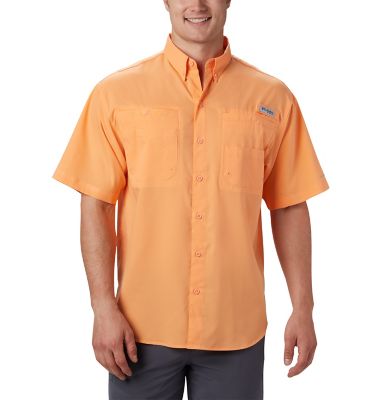
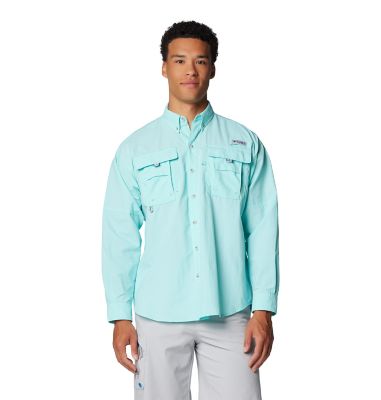
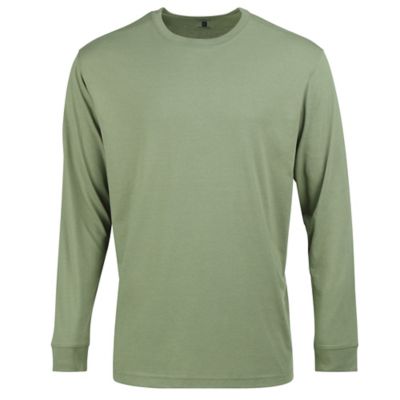
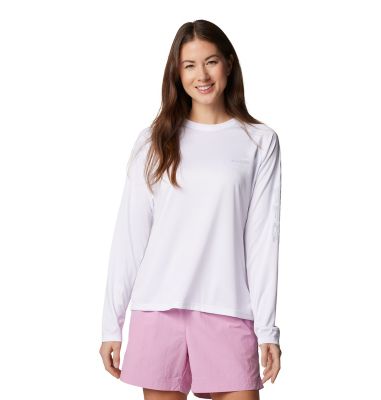
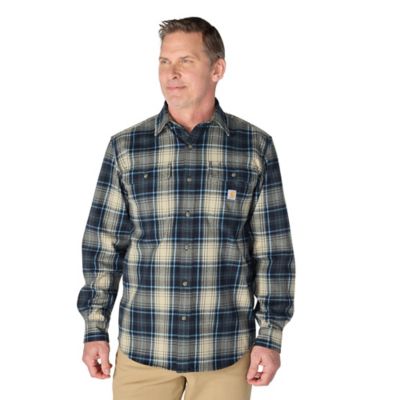
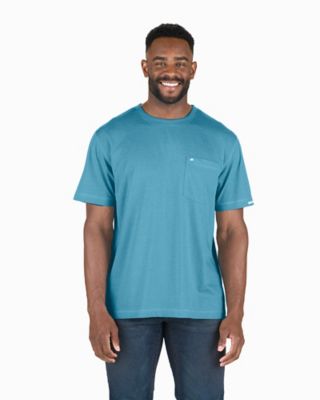
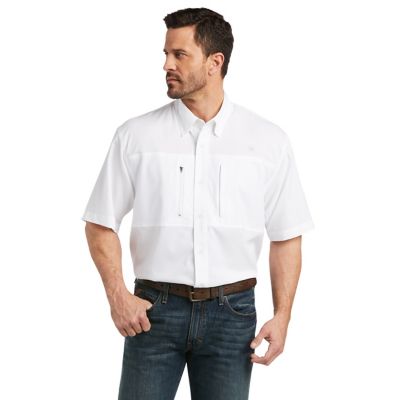
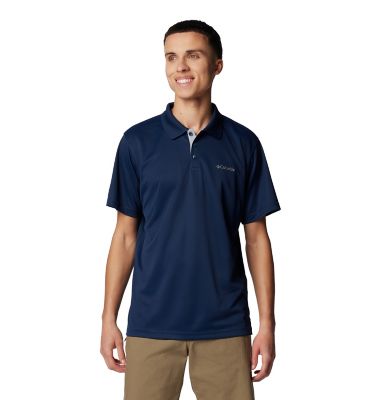
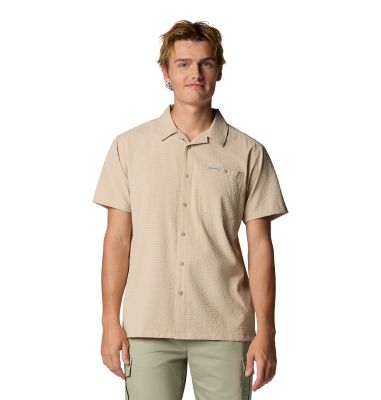
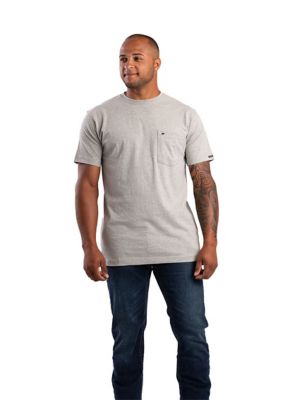
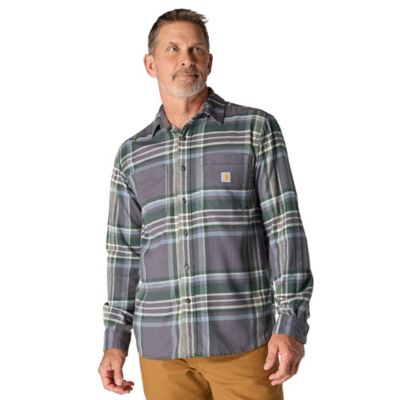
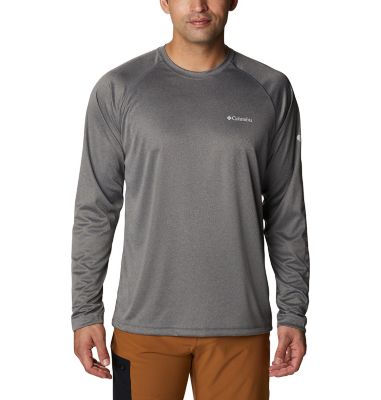
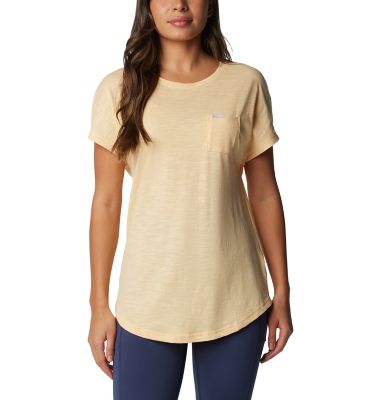
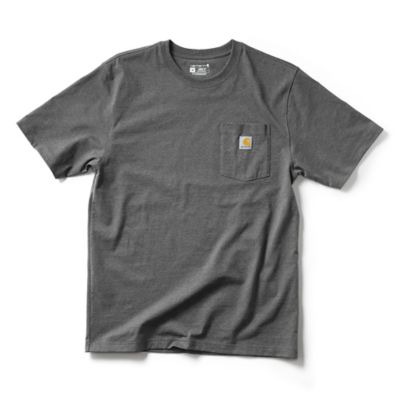
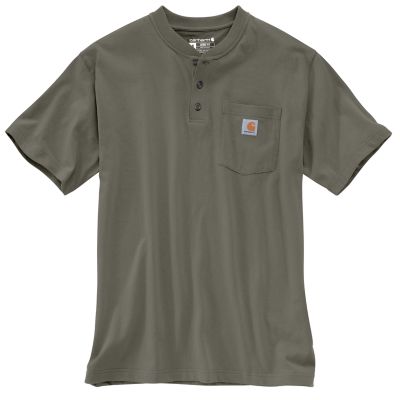
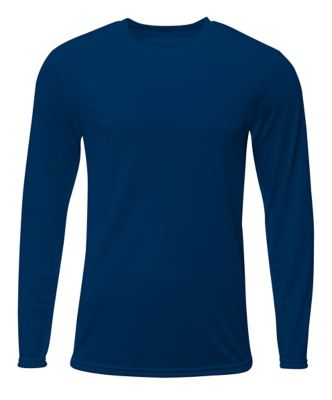
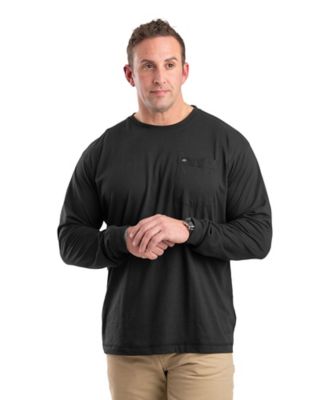
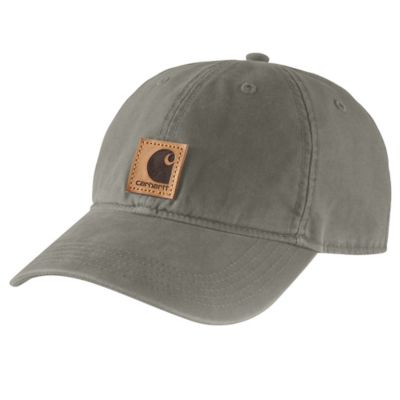
Sportswear shirts are athletic and casual tops made for movement, with fabrics and fits suited to workouts, recreation, and everyday wear. They belong just as naturally on a walking trail or at a pickup game as they do in the weight room. The differences often start with the fabric. Cotton has a familiar, soft feel that works well for relaxed activities and everyday outfits, though it generally holds moisture longer than many synthetic fabrics. Polyester is common in athletic shirts because it can dry relatively quickly, while nylon can add a smooth feel and resistance to abrasion. Blends combine different fiber characteristics, and a little spandex or elastane adds stretch for reaching, bending, and lifting. Moisture-wicking construction helps move perspiration away from the skin toward the fabric’s outer surface, where it can evaporate. That feature is different from breathability, which describes how readily air and moisture vapor pass through the material. A shirt can offer both, but the fiber blend alone does not tell the whole story; knit structure, fabric weight, and finishes matter, too. Mesh panels and open-knit sections can encourage airflow in areas where perspiration collects. A lightweight knit often feels less bulky during a run, while a more substantial fabric can provide the coverage and structure some folks prefer for everyday wear. Crew necks keep the look straightforward, V-necks offer a more open neckline, and collared athletic shirts bring a tidier appearance to golf, recreation, or a casual get-together after an active afternoon. Solid colors pair easily with the rest of a wardrobe, while patterns and graphics bring a little more personality. From a morning walk down a gravel lane to an evening at the community ball field, sportswear shirts cover plenty of ground without requiring a complete outfit change between every stop. Their appeal comes from that balance of easy movement, comfortable coverage, and a look that fits life beyond a workout.
Fit makes a noticeable difference in how a sportswear shirt feels once the activity gets going. A relaxed cut leaves more space through the chest and waist, making it comfortable for walking, stretching, or casual wear. An athletic cut typically follows the body more closely without necessarily fitting tight, while compression styles are intentionally snug and serve a different preference than an ordinary exercise tee. Those descriptions can vary between garments, so chest measurements, shirt length, and the stated fit are more useful than a size letter alone. Men’s, women’s, and unisex shirts may have different proportions through the shoulders, torso, and sleeves, even when their size labels look similar. For younger athletes, comfortable room through the shoulders and a hem that stays put can matter more than a sharply fitted shape. Reaching for a basketball, leaning over bicycle handlebars, and lifting weights all place different demands on the same shirt. Raglan sleeves extend toward the neckline and can reduce restriction across the shoulders, while underarm panels give the fabric more room to move. Stretch helps, but it cannot fully make up for a cut that pulls across the back or bunches beneath the arms. Flat seams and smooth interior finishes can reduce rubbing during repeated movement, especially beneath backpack straps or along the sides of the torso. Necklines also deserve attention: a collar that feels fine while standing may feel distracting during floor exercises or repeated bending. A slightly longer back hem offers extra coverage when reaching forward, while a straight hem has a familiar look worn untucked with shorts or jeans. Short sleeves leave the arms freer, and long sleeves add coverage without necessarily requiring a heavier fabric. Pockets can be handy for casual wear, though extra fabric and loose contents may get in the way during vigorous exercise. These small construction details help separate a shirt suited to an easy afternoon from one that feels comfortable through a full training session.
Sportswear shirts also earn their place through repeat wear and straightforward upkeep. Resistance to snags, pilling, and stretched-out seams depends on the fabric, construction, and the way a garment is cared for, rather than thickness alone. Reinforced stitching at stress points and a neckline that holds its shape are useful details in a shirt that moves between practice, chores, and casual outings. Close contact with rough surfaces or exposed hook-and-loop fasteners can catch fine athletic knits, while repeated friction from straps can leave wear marks over time. Care labels provide the best direction for washing and drying because finishes, stretch fibers, and printed designs do not all respond the same way. Washing perspiration out promptly helps keep athletic clothing fresh, and turning printed shirts inside out can limit rubbing against other garments. Fabric softeners can leave a coating that interferes with moisture management on some performance fabrics, so any garment-specific restrictions matter. Excessive dryer heat can also affect stretch fibers or graphics; the labeled drying method helps protect both the fit and the finish. Shirts should be fully dry before they go back into a drawer or gym bag. For wardrobes centered on exercise,
Performance Shirts provide another place to explore tops built around movement and moisture management. Sportswear shirts pair naturally with athletic shorts, joggers, and casual pants, making them practical for people whose day includes both activity and ordinary errands. They can also make a thoughtful birthday gift for a walker, recreational athlete, or family member who spends plenty of time on the go. A familiar neckline, preferred sleeve length, and comfortable fit often matter more to the recipient than an unfamiliar technical feature. Whether the routine involves shooting baskets in the driveway, taking the dog along a trail, or heading to a regular exercise class, a well-chosen shirt keeps the focus on moving comfortably rather than tugging at sleeves or adjusting a hem.