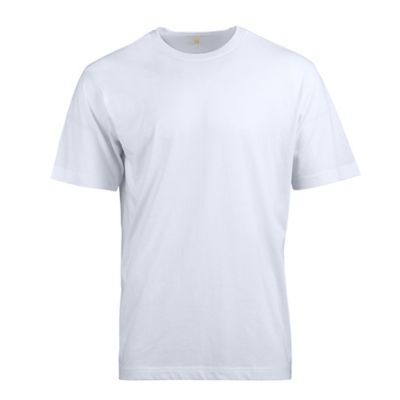
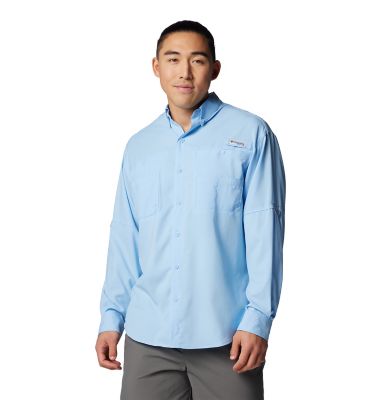
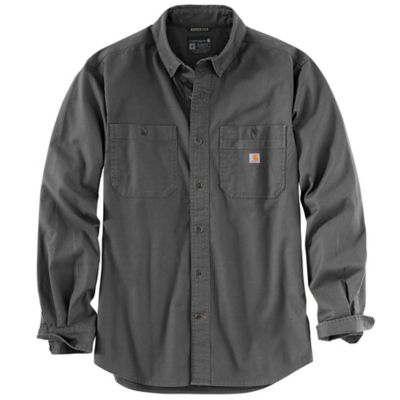
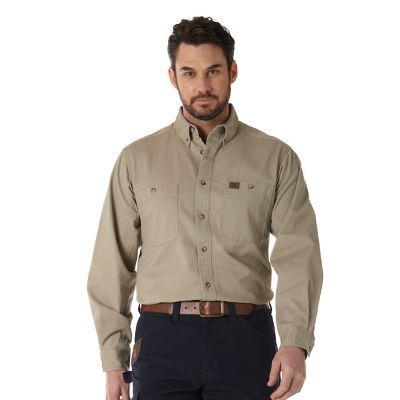
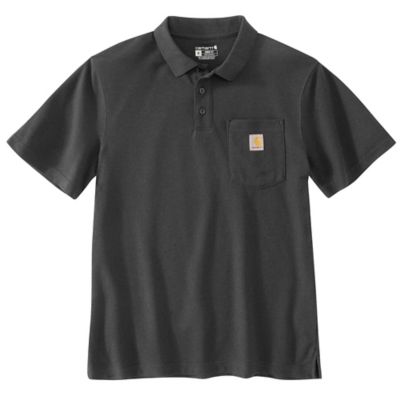
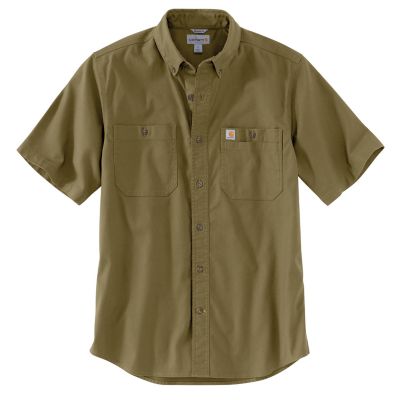
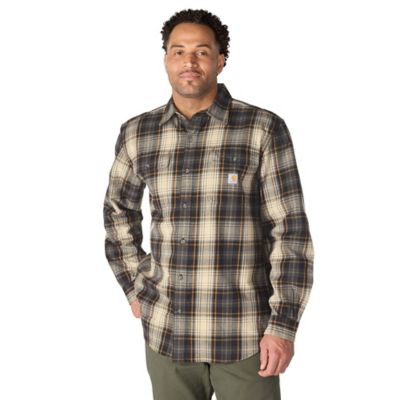
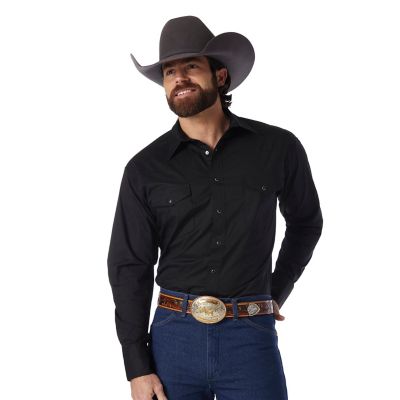
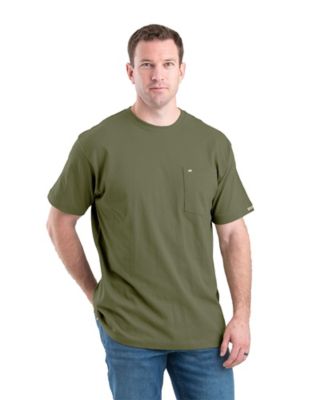
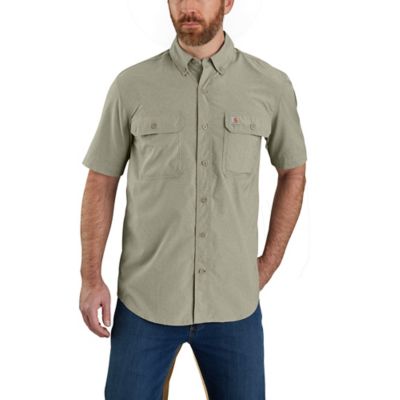
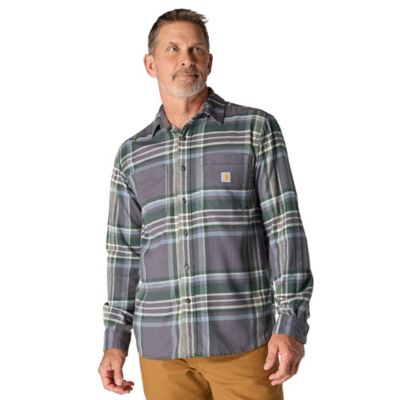
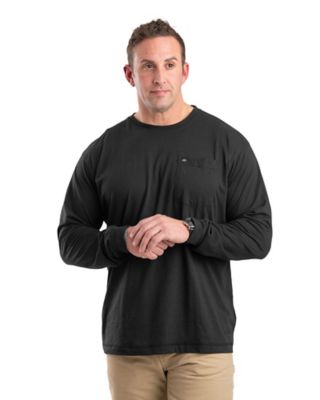
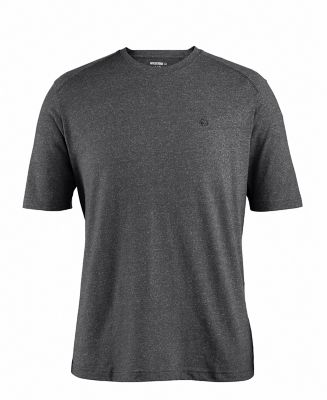
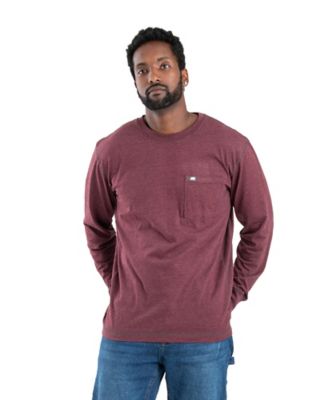
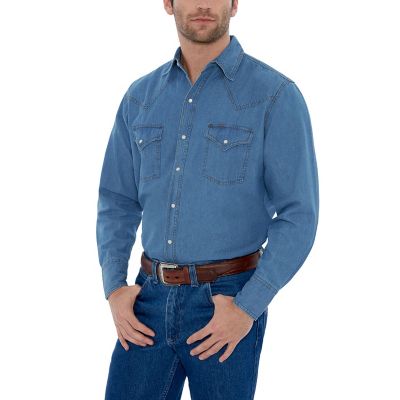
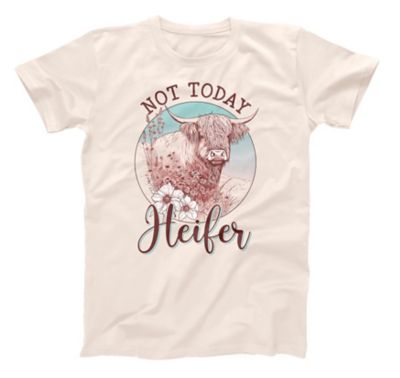
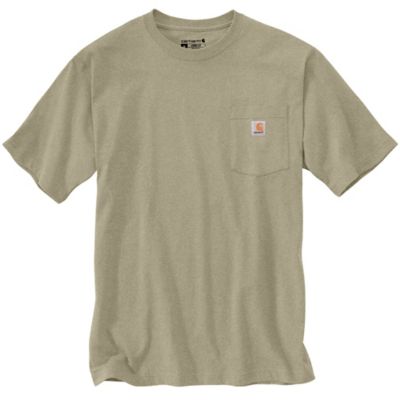
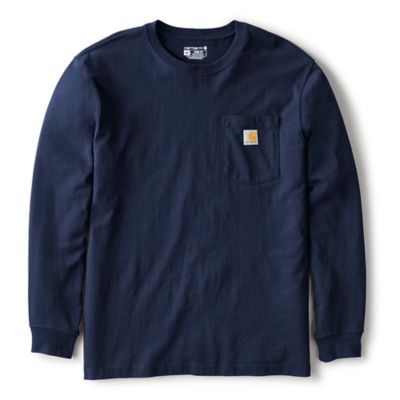
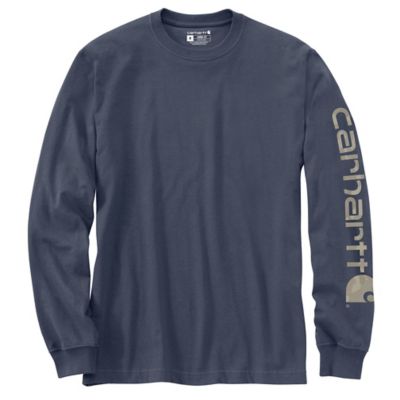
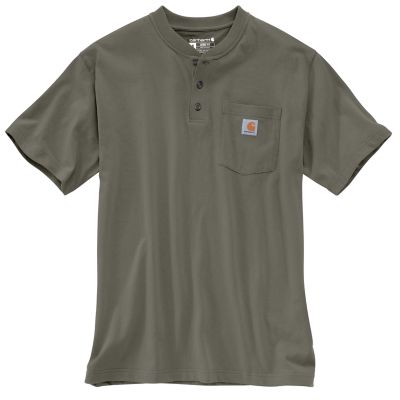
Shirts for coaches bring together an easy-moving fit, a put-together appearance, and styles that work for practices, games, and the responsibilities between them. Polos, crewneck tees, athletic tops, and long-sleeve shirts all have a place in a coach’s rotation, whether the job involves running basketball drills, teaching a batting stance, or keeping a youth soccer team focused along the sideline. A polo’s collar gives it a more finished look for team photos, school meetings, and travel days, while a straightforward T-shirt fits right in when practice calls for carrying equipment and demonstrating footwork. Athletic shirts suit coaches who move through drills alongside their players, and longer sleeves offer another option for coverage and personal preference. The right style depends on how someone coaches as much as where they coach. A volunteer working with first-time players may spend much of practice kneeling to explain a drill, while a varsity coach might move from a weight room session to a meeting with parents. Shirts that stay comfortable through those changes earn their place in the regular rotation. Team colors can help tie the coaching staff together without making every outfit look exactly alike, and simple solids pair easily with athletic pants, shorts, or clean jeans when the setting allows. School dress expectations and league requirements also shape what belongs on the sideline. Some programs lean toward collared shirts for games, while others keep things relaxed throughout the schedule. For coaches handling several age groups or helping with more than one sport, uncomplicated shirts can move between roles without much fuss. That flexibility matters in small-town programs where the same person might organize equipment, check attendance, lead practice, and stay afterward to talk through a player’s progress. A coaching shirt should fit that full day, not just the moment when the whistle blows.
Fabric makes a noticeable difference when a shirt has to keep up with an active practice. Cotton often brings a soft, familiar feel that works well for meetings, travel, and less strenuous activities. Polyester is common in athletic clothing because it generally absorbs less moisture than cotton and can dry faster, though the fabric’s construction and finish also affect how it feels. Cotton-polyester blends can balance the feel of cotton with some of polyester’s easy-care characteristics, while a small amount of stretch fiber can give a shirt more room to move through the shoulders and back. Moisture-wicking fabrics help move perspiration across the material so it can evaporate; that feature is worth considering for coaches who demonstrate exercises or spend practice moving from one station to another. The
Performance Shirts page is another place to explore athletic shirt styles for movement-focused routines. Fabric weight, knit structure, and seam placement matter alongside fiber content. A lighter knit may feel less restrictive during activity, while a more substantial fabric can provide added coverage and a structured appearance. Smooth seams and a neckline that sits comfortably can make a difference over several hours of instruction. Fit deserves the same attention as fabric. A shirt needs enough room for an overhead reach, a throwing motion, or a deep bend without pulling tight across the chest or shoulders. Too much extra fabric can get in the way when handling equipment or moving quickly through a drill. Sleeve length and armhole shape influence freedom of movement, and the hem should provide comfortable coverage when reaching for a ball or lifting a bag. A tucked-in polo needs enough length to stay in place, while an untucked shirt should sit neatly without bunching. Size charts and garment measurements are especially helpful when comparing athletic, regular, and relaxed fits, since those labels do not always mean the same thing across different shirts.
Care and construction help determine how well a coaching shirt handles repeat wear. Practices can mean contact with bench edges, equipment straps, gym floors, and the occasional splash from a water bottle, so sound stitching and neatly finished seams are practical details rather than extras. Collars that hold their shape, hems that lie flat, and fabric that resists excessive pilling help keep a shirt looking presentable beyond its first few outings. Washing according to the garment’s care label supports that everyday wear, particularly with stretch fabrics, moisture-management finishes, and printed graphics. Prompt attention to grass marks or gym-floor grime can help prevent stains from settling in, while sorting by color reduces the chance of dye transfer. Heat can affect shrinkage, stretch fibers, and printed details, so wash and drying settings deserve a look before a shirt goes into the laundry. Fabric softener may interfere with moisture-wicking performance on some athletic fabrics; the care instructions are the best reference for a particular garment. Having several shirts in regular rotation also makes it easier to keep a clean option ready for the next practice or meeting. Beyond their practical role, shirts for coaches can make thoughtful appreciation gifts for the people who keep a program moving. A familiar team color, a preferred neckline, and the recipient’s usual fit are useful starting points, especially for a volunteer coach who gives up evenings to help kids build skills and confidence. Gifts from players or families do not need elaborate details to feel meaningful; a shirt that suits the coach’s routine can become something they reach for often. The same considerations apply to assistant coaches, recreation leaders, camp instructors, and the parent who steps in when a team needs another steady hand. Comfortable movement, manageable care, and a style that fits the program help make a coaching shirt part of the work, from setting out cones before practice to gathering the last ball after everyone heads home.