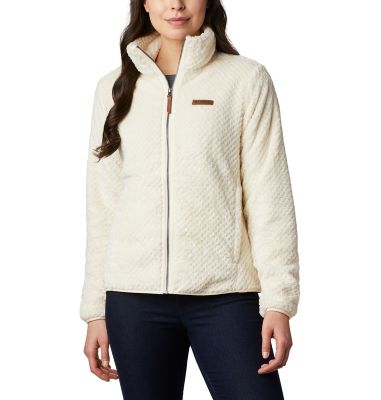
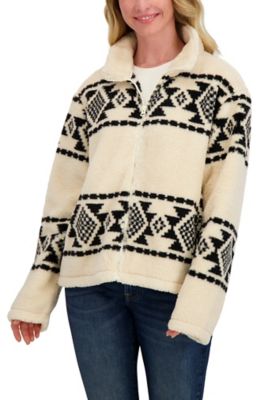
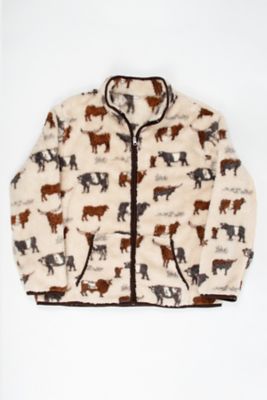
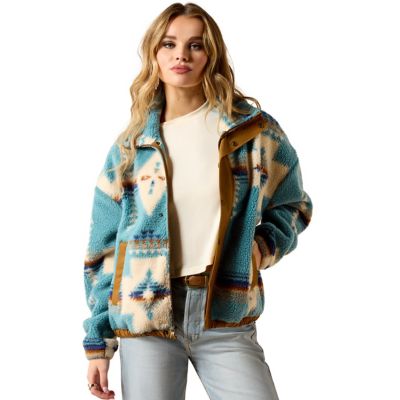
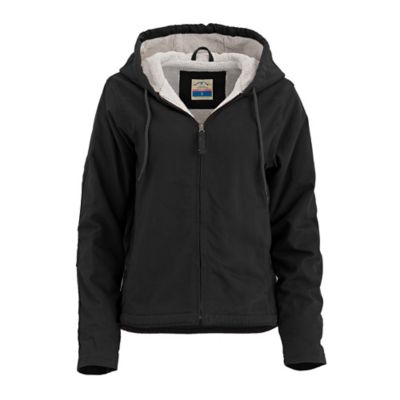
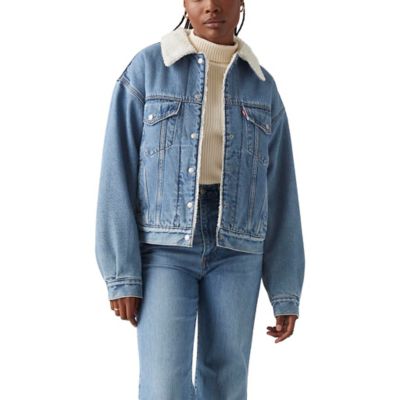
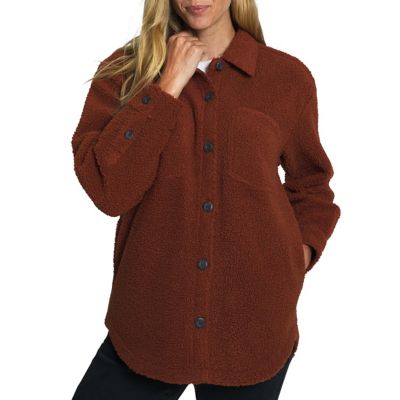
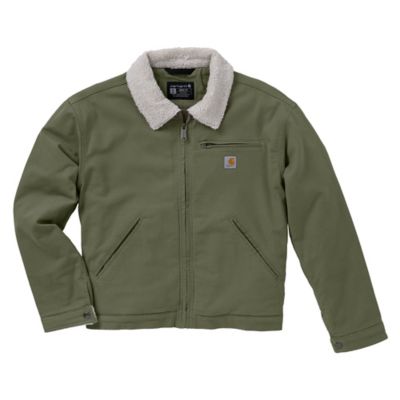
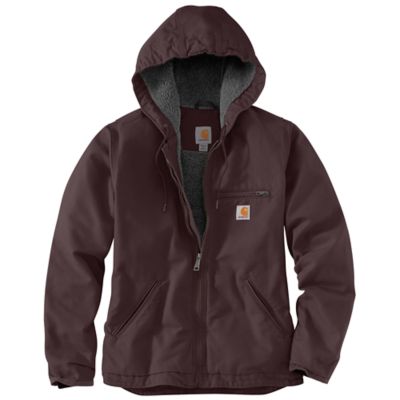
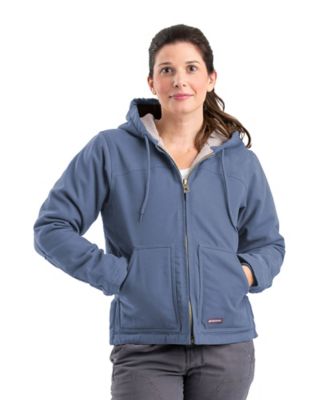
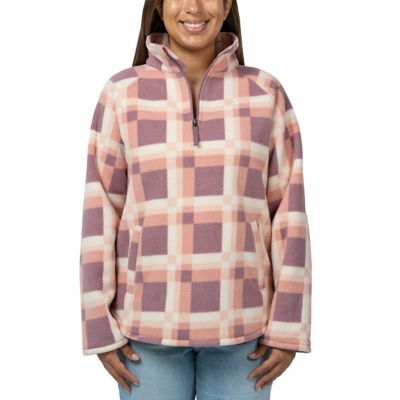
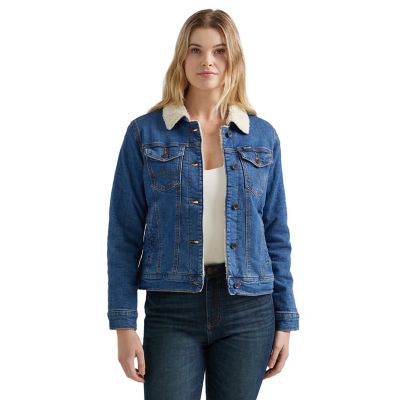
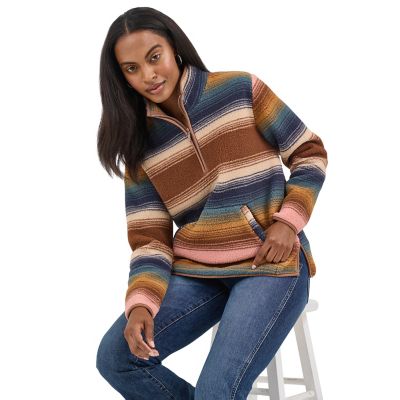
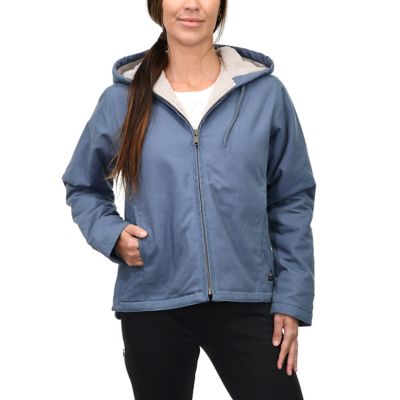
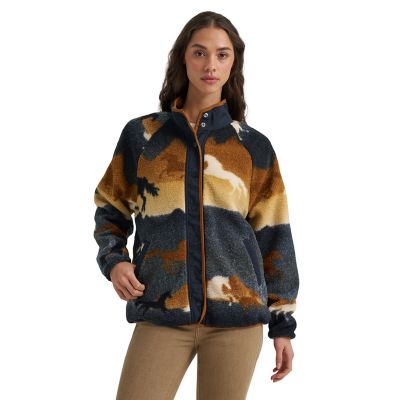
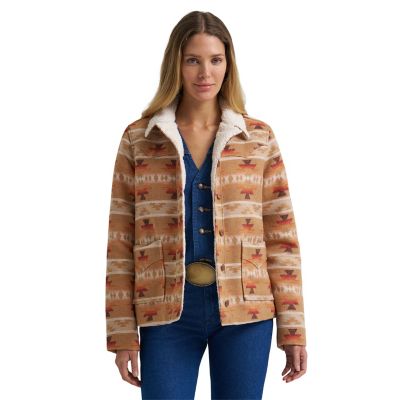
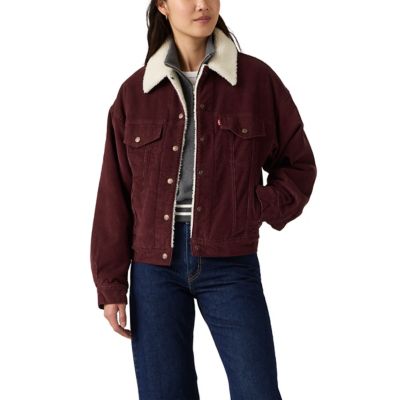
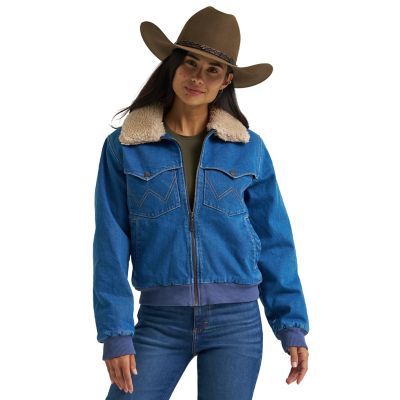
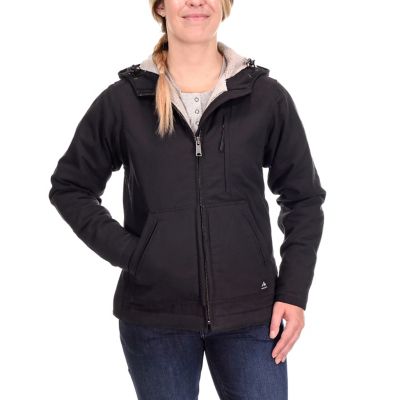
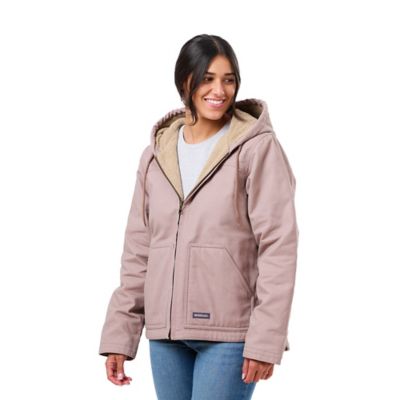
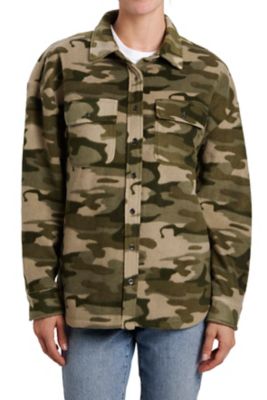
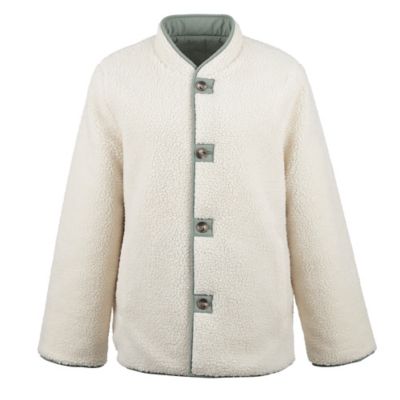
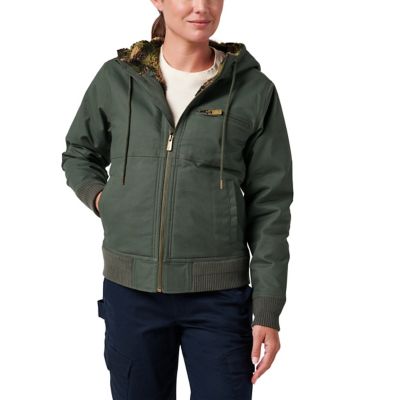
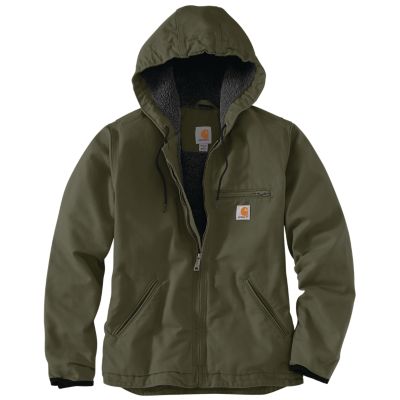
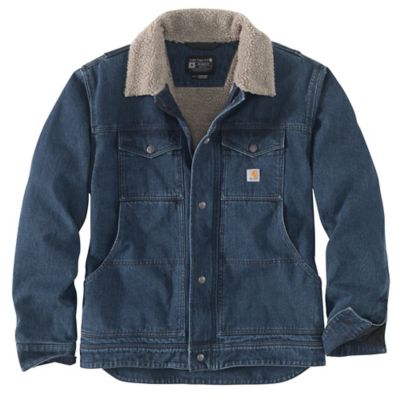
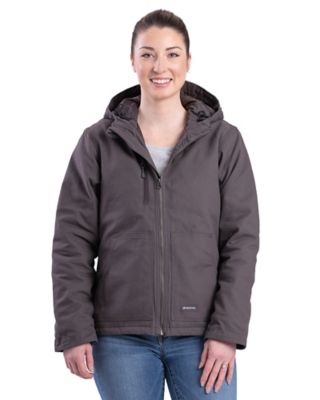
A women’s sherpa jacket brings soft, easygoing warmth to days that stretch from feeding the animals to picking up groceries in town. Its familiar fleece texture has the curled, woolly look of sheep’s fleece, though sherpa fabric is commonly made from polyester rather than wool. That raised surface helps hold warm air close to the body, giving the jacket a cozy feel without always needing a thick layer underneath. The term “sherpa jacket” can describe a few different constructions, and the placement of the fleece makes a real difference in how a jacket wears. An allover sherpa exterior puts that soft texture front and center, while a sherpa-lined jacket pairs a fuzzy interior with an outer shell such as denim, canvas, corduroy, or another woven fabric. Some designs feature sherpa through the body but a smoother lining in the sleeves, which can make it easier to pull the jacket over a flannel shirt or sweatshirt. Fabric weight, lining coverage, and shell construction all matter more than a fluffy appearance alone when it comes to warmth. An open, lofty fleece can feel comfortable on a brisk walk to the mailbox, but wind may pass through it more readily than through a tightly woven shell. Sherpa also should not be mistaken for rain protection; water resistance depends on the outer material and any stated finish. For dry fall afternoons, short trips outside, and everyday winter layering, this style offers a comfortable middle ground between a light shirt jacket and heavier outerwear. Longer stretches in biting wind, steady rain, or deep cold call for protection suited to those conditions. Whether the day involves watching a ballgame from the bleachers, visiting neighbors, or heading out for breakfast after chores, women’s sherpa jackets fit naturally into a practical wardrobe built around jeans, work pants, boots, and clothes that feel good from the first wear.
Fit is where a sherpa jacket earns its place by the door. A close-fitting cut can sit neatly over a long-sleeve tee, while a relaxed shape leaves space for a sweater or hoodie without pulling across the shoulders. The right amount of room depends on what goes underneath and how much reaching, bending, and sitting the day brings. Shoulder seams should rest comfortably, sleeves should allow elbows to bend freely, and the back should not feel tight when both arms reach forward. That matters when carrying a feed pail, fastening a gate, or settling behind the steering wheel. Checking measurements against the garment’s size chart is more useful than assuming every jacket will fit like another one in the closet. Bust, hip, and sleeve measurements deserve attention, especially with a thick lining that takes up some of the space inside. Length changes the feel, too: a hip-length jacket offers coverage without much fabric bunching in a truck seat, while a longer hem covers more of the lower back when bending. A shorter cut may pair comfortably with higher-rise jeans but leave less overlap at the waist. Small construction details can be just as important as the overall shape. A full zipper allows quick adjustments, while snaps or buttons give a shirt-jacket style a different feel and can take more effort with gloves on. A zipper backed by a fabric flap can help limit drafts through the front. Ribbed or adjustable cuffs help manage sleeve openings, and a stand collar offers more neck coverage than a low, open neckline. Hand pockets are welcome on a chilly walk, while secure pockets help keep keys from slipping out when climbing into the truck. Pocket placement should still feel comfortable when the jacket is fastened. For days when warmth through the torso matters more than sleeve coverage, a
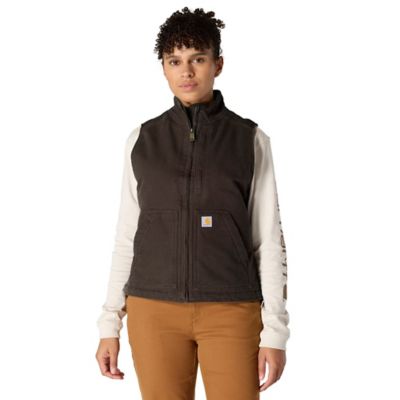
Sherpa-Lined Vest For Women offers another layering option over a flannel or sweatshirt, with more freedom around the arms.
Keeping sherpa comfortable and presentable takes a little attention to both the fleece and the fabric around it. The care label is the starting point, since a washable polyester fleece jacket may need different treatment from a sherpa-lined shell with special trims or finishes. When machine washing is permitted, a gentle cycle and the recommended water temperature can help limit unnecessary wear. Emptying pockets, fastening closures, and keeping the jacket away from exposed hook-and-loop tabs in the wash can reduce snagging and pulling. Detergent should match the care directions, and fabric softener is best left out when the label advises against it. High dryer heat can flatten or damage some synthetic fleece textures, so air drying or a low-heat setting may be appropriate when specified. A jacket should be fully dry before it goes back into a closet, particularly around thick seams, cuffs, and lined pockets. Between washes, small marks may respond to spot cleaning with a method approved for the fabric. Dust, pet hair, bits of hay, and other everyday debris can catch in the pile, making an exposed sherpa exterior a different proposition from a smooth woven shell for barn chores. Frequent rubbing from seat belts, bag straps, and work surfaces can also compress the fleece or contribute to pilling over time. Sound stitching, finished seams, firmly attached fasteners, and reinforced pocket openings are useful signs to consider when judging how a jacket may stand up to repeated wear. Sherpa outerwear is everyday clothing rather than specialized protection for sparks, open flame, or equipment hazards, so the task should always determine the clothing. For a gift, a women’s sherpa jacket makes the most sense when the recipient’s size, preferred length, and usual layers are known. Someone who spends hours driving may appreciate an easy-sitting hem, while someone who walks the property may favor greater coverage and secure pockets. Those everyday habits help point toward a jacket that feels at home in the recipient’s routine, not just one that looks inviting on a hanger.