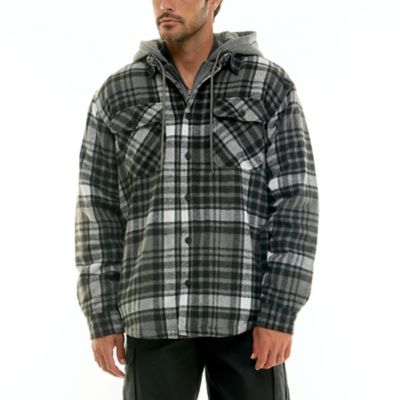
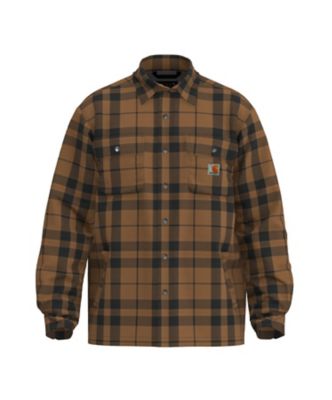
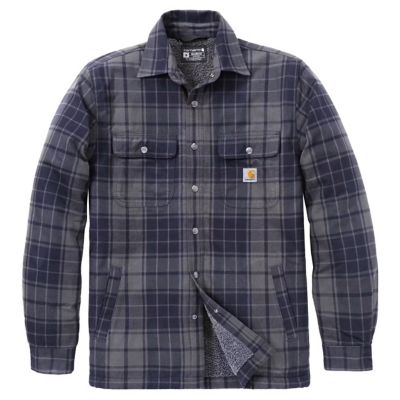
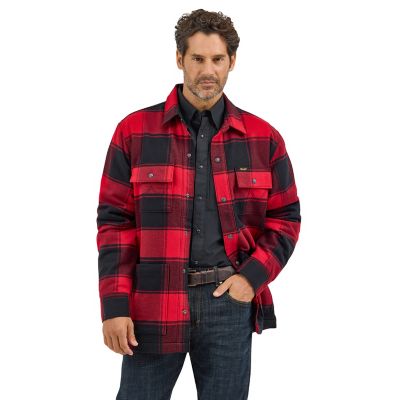
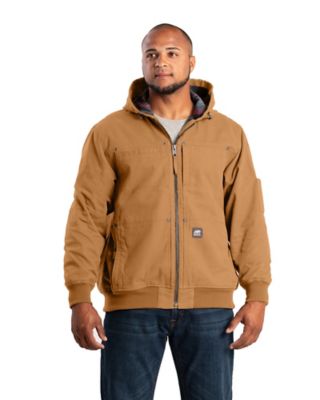
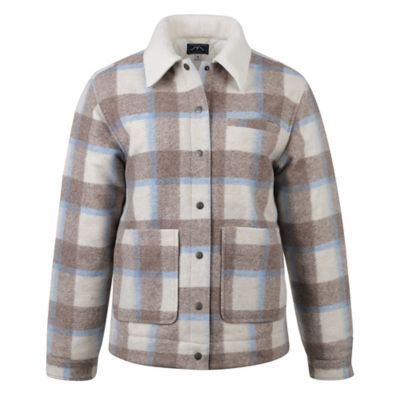
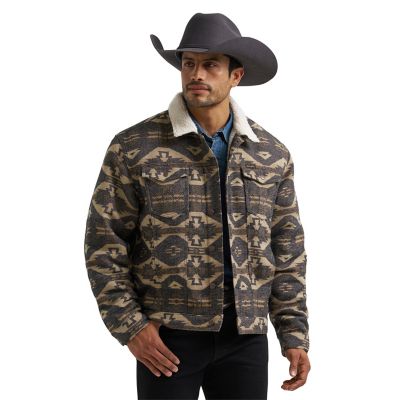
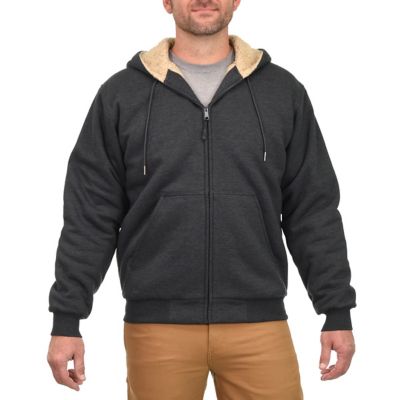
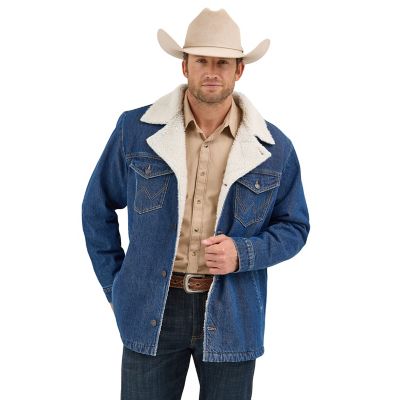
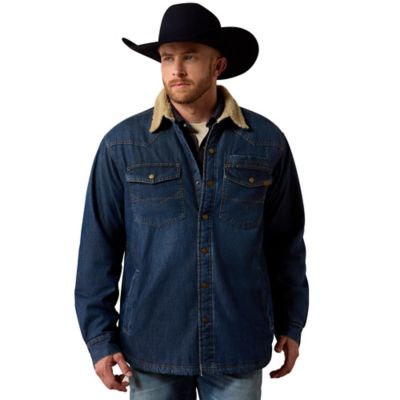
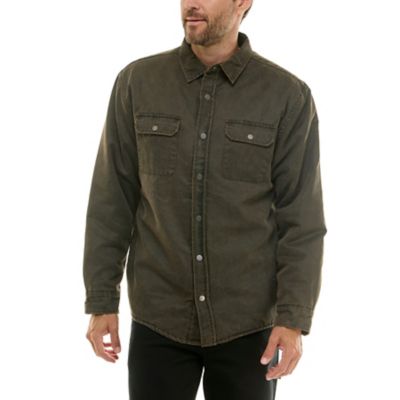
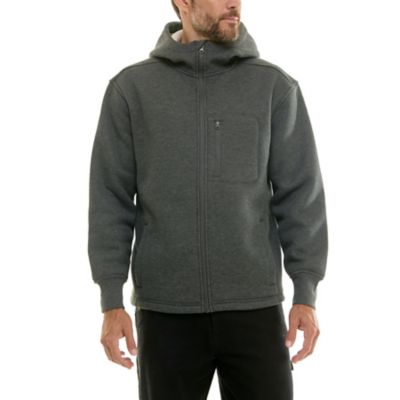
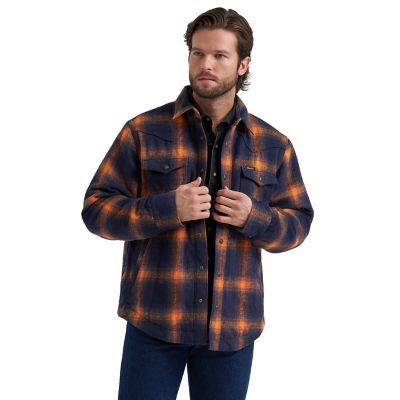
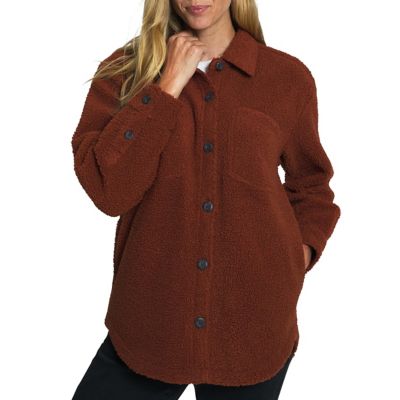
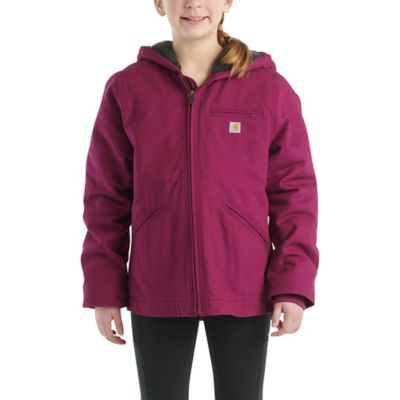
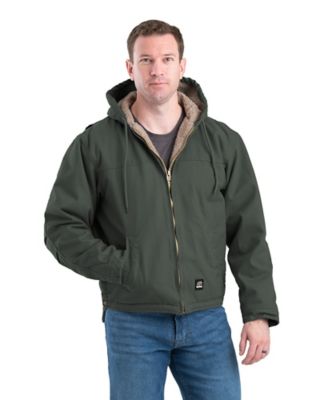
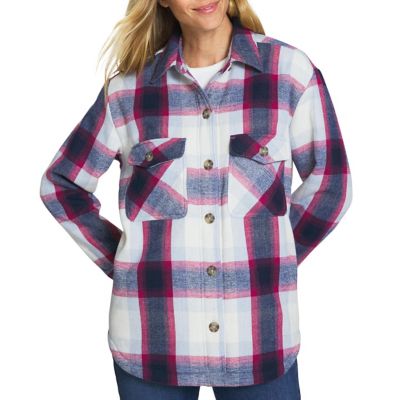
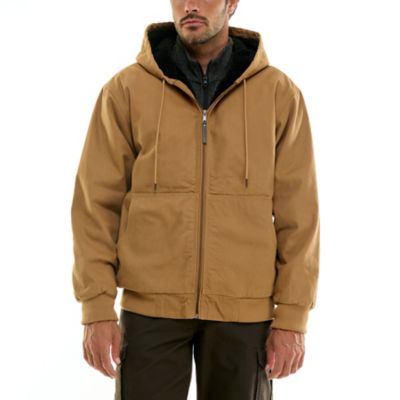
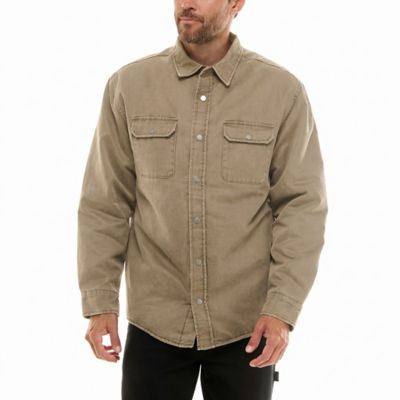
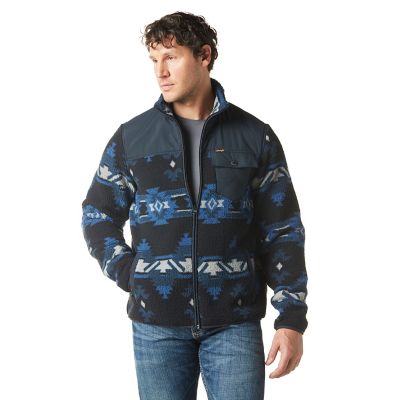
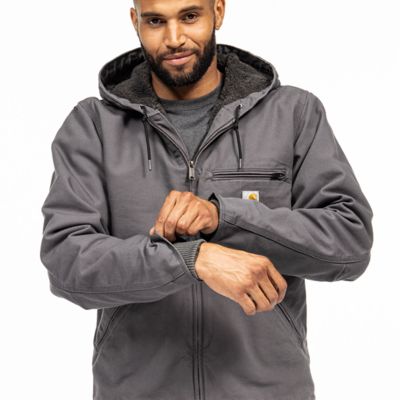
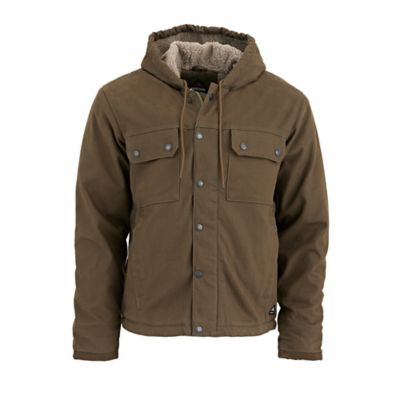
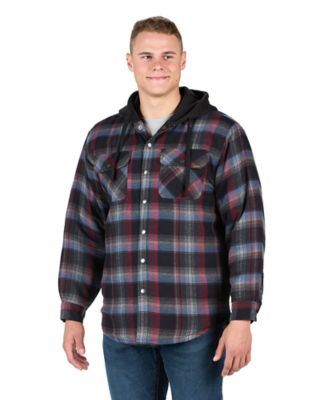
A sherpa-lined flannel jacket pairs a soft flannel outer shell with a fleece lining that adds warmth and a little cushion against the cold. Often called a shirt jacket or shacket, it sits between an everyday flannel shirt and a heavier coat, making it a handy layer for feeding livestock, walking the property, or heading into town. Flannel shells commonly feature cotton or cotton blends, with a brushed surface that feels comfortable rather than stiff. Plaid is a familiar choice, though the fabric and lining—not the pattern—are what define this kind of jacket. Sherpa is generally a synthetic fleece, often polyester, with a curled or nubby pile that resembles sheep’s wool; the name does not necessarily mean the lining contains wool. That textured lining helps hold warm air close to the body, while the flannel shell gives the jacket its familiar work-shirt look. Lining coverage varies, too. Some designs carry sherpa through the body and collar, while others have smoother or quilted sleeve linings that slide more easily over a long-sleeve shirt. Those differences matter when pulling on a jacket before an early trip to the barn or wearing it over a sweatshirt for an afternoon outside. Warmth depends on the weight of the shell, the thickness and coverage of the lining, and how the jacket fits over other layers. A sherpa-lined flannel jacket can work well for crisp fall days and winter layering, but it should not automatically be treated as a substitute for an insulated winter coat. Ordinary flannel and fleece also do not establish windproof or waterproof protection. For exposed fields, steady rain, or extended time in bitter cold, the jacket’s stated weather features and the rest of the clothing system deserve a closer look. Around a sheltered yard, on a dry fence-checking walk, or between the house and workshop, this style offers comfortable warmth without the feel of a full-length coat.
Fit makes a real difference in how a sherpa-lined flannel jacket wears through a busy day. The lining takes up space inside the shell, so a familiar shirt size may not leave the same room as an unlined flannel. Measurements and garment-specific size information are more useful than assuming every shirt jacket fits alike. A comfortable fit leaves room across the shoulders and upper back for reaching toward a gate latch, carrying a feed bucket, or getting behind the wheel. Sleeves should cover the wrists without swallowing the hands, and cuffs that close snugly can help keep loose fabric out of the way. Someone planning to wear a thick sweatshirt underneath will generally need more room than someone wearing a light base layer. Extra space is helpful up to a point; a jacket that hangs too loosely can feel awkward under another coat or catch on things while moving around a crowded shed. Length matters for the same practical reasons. A longer hem offers more coverage when bending, while a shorter cut can be comfortable for driving and sitting. Straight hems and curved shirt-style tails create different fits over jeans and work pants. Button fronts keep the familiar flannel-shirt feel, snaps can make fastening simpler, and zipper closures provide a continuous front opening. Chest pockets keep small essentials close, while lower pockets offer a place to warm hands during a pause in the chores. Pocket depth and closures are worth considering when carrying keys or a phone. Men’s and women’s cuts can differ in shoulder width, shaping, sleeve length, and overall proportions. The
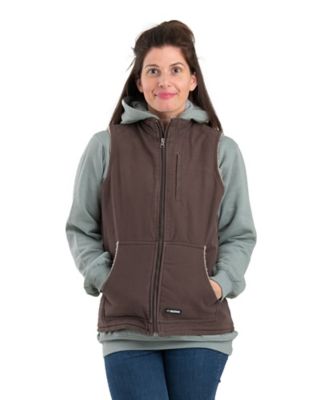
Sherpa Jacket Women collection offers another place to explore women’s outerwear with a soft sherpa feel. As a gift, a lined flannel jacket makes sense for someone who enjoys practical clothing for country drives, dog walks, and everyday outdoor tasks. Knowing the recipient’s measurements and preferred layering fit helps more than choosing by appearance alone.
The details that hold a jacket together deserve attention alongside its softness. Even stitching, secure buttons or snaps, reinforced pocket attachment points, and firmly finished cuffs can all influence how well a garment handles repeated wear. High-contact areas such as elbows, pocket edges, and sleeve openings tend to show wear first, especially when a jacket spends plenty of time against rough lumber, truck seats, or workbench edges. Fabric weight is part of the picture, but a heavier shell is not automatically the best choice for every job. A lighter jacket may feel easier to move in during active chores, while a more substantial shell and lining may suit slower work in the cold. Care requirements also vary with the blend, construction, and trim, so the sewn-in care label should set the routine. Where machine washing is permitted, a gentle cycle and mild detergent can help limit unnecessary stress on the fabric and fleece. Emptying pockets and fastening closures as directed before washing can help prevent snagging. Cotton-containing shells may shrink under some washing and drying conditions, while excessive dryer heat can affect synthetic sherpa fibers and leave the pile feeling less soft. Follow the stated drying method rather than assuming the hottest setting will get the jacket ready faster. A lining that stays damp can develop odors, so allow the garment to dry completely before putting it away. Loose threads, a shifting button, or a small opening at a seam are easier to address before repeated wear makes the problem bigger. When the jacket is not in rotation, clean, dry storage away from direct heat helps keep it ready for its next outing. For someone moving between a porch, a pickup, and a barn aisle, the appeal is straightforward: the familiar feel of flannel with added warmth inside. The right combination of shell fabric, lining, fit, and practical features makes a sherpa-lined flannel jacket an easy layer to reach for when the day calls for getting outside and getting things done.