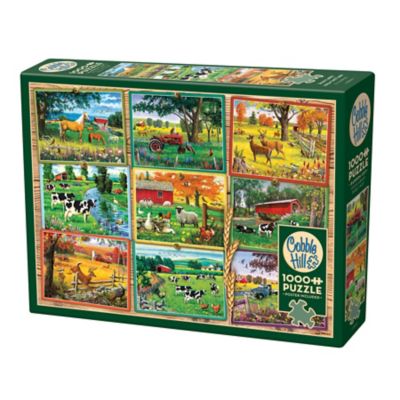
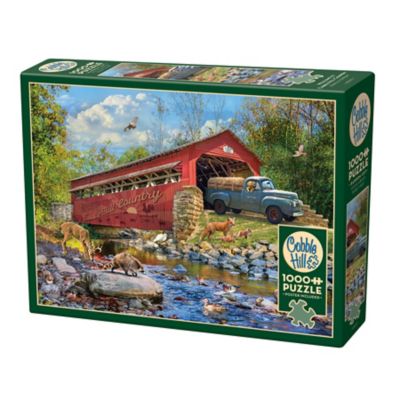
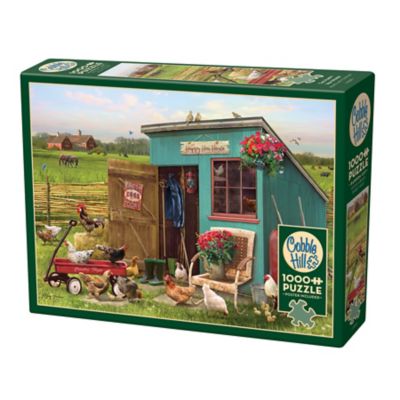
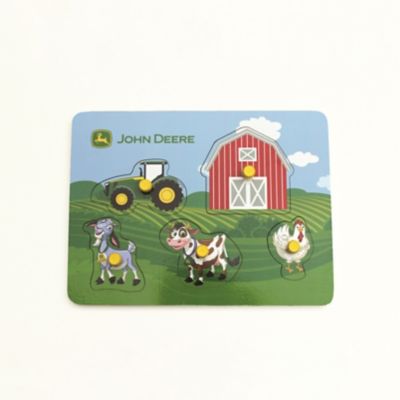
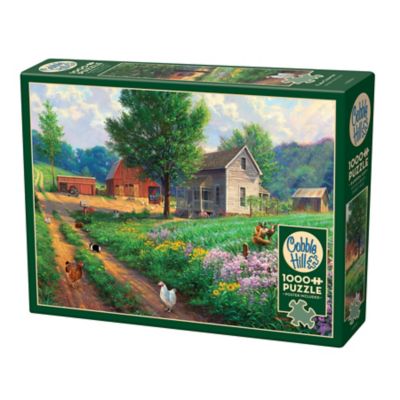
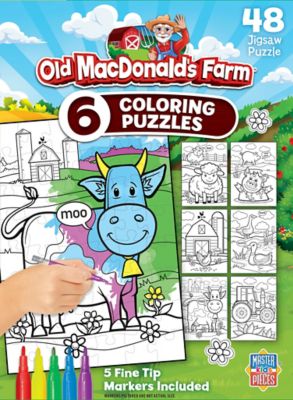
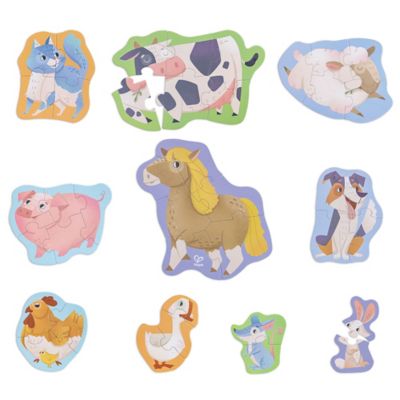
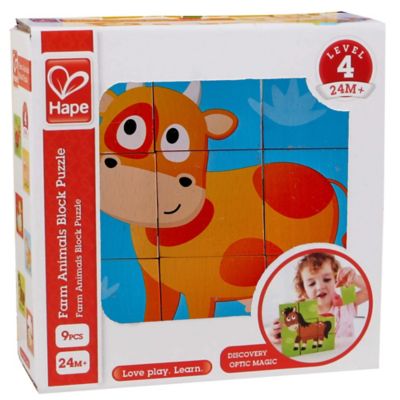
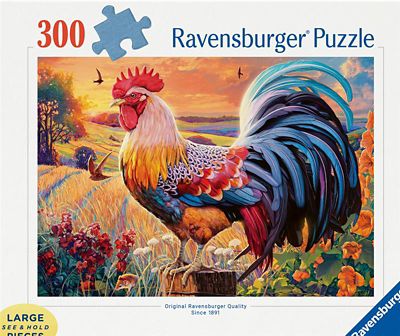
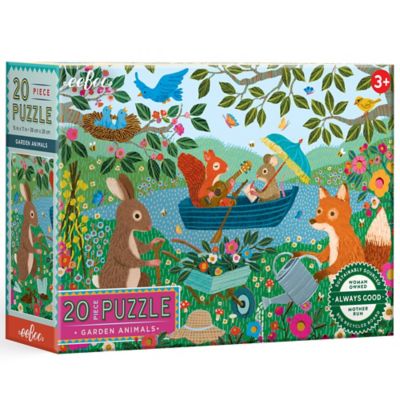
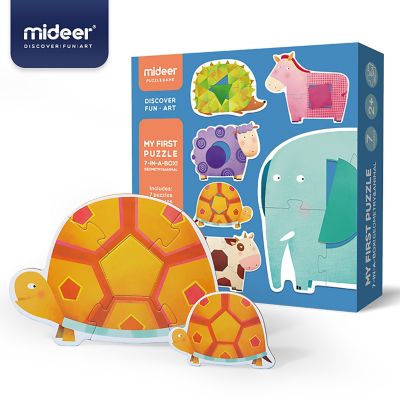
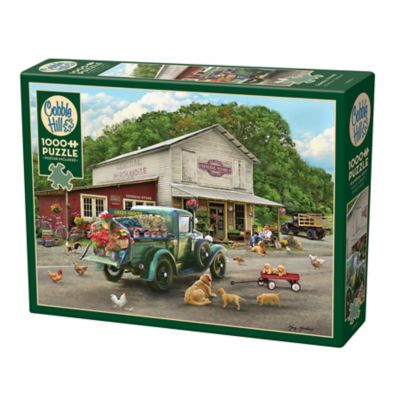
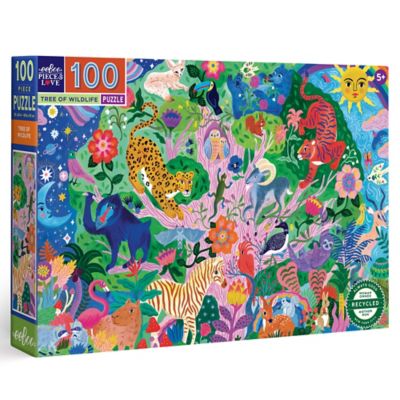
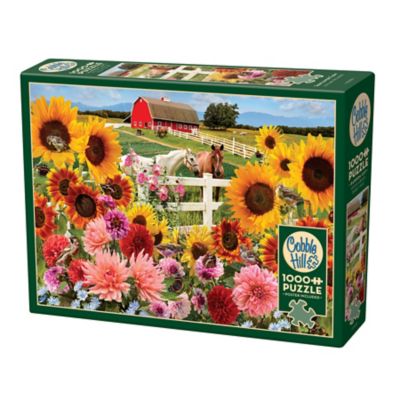
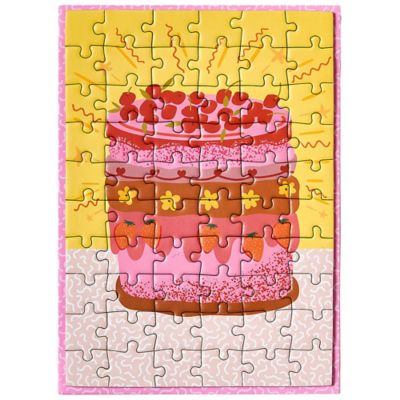
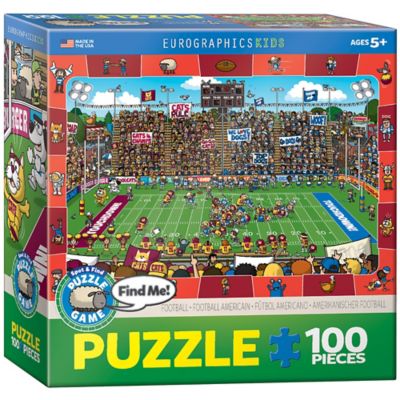
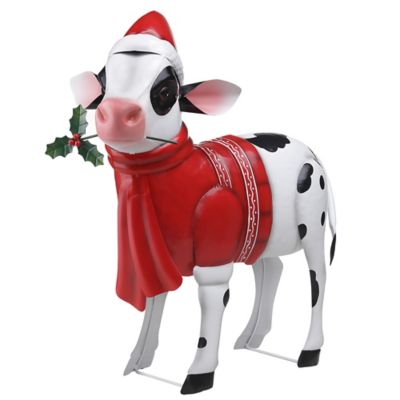
Farm animal puzzles bring a bit of barnyard life to the kitchen table, playroom floor, or family game space. A cow beside a red barn, a flock of sheep along a fence, or a hen with chicks gives puzzlers plenty to notice as the picture comes together. For children who live around livestock, those scenes can feel like familiar territory. For children getting to know farm animals, they offer a simple way to connect an animal’s name with its shape, markings, and place on the farm. The subject works across several puzzle styles, from inset boards with individual animal shapes to interlocking jigsaws filled with busy farmyard scenes. Large, easy-to-grasp pieces suit a different kind of play than a sprawling picture with hundreds of smaller pieces, so the farm theme is only part of the choice. The manufacturer’s age recommendation, piece size, and level of detail all matter. A beginner may have more success with a few clearly outlined animals, while someone ready for a challenge might enjoy sorting patches of grass, barn siding, and spotted coats. Pictures with strong color changes and distinct animals give helpful clues; repeated fence rails, similar-looking sheep, and wide stretches of sky can take more patience. Piece count alone does not tell the whole story. A smaller puzzle with a crowded illustration may call for more concentration than a larger one with bold, separate sections. Farm animal puzzles can also appeal well beyond the preschool years. Older children and adults who enjoy country scenes may appreciate a detailed jigsaw that leaves room for a longer stretch at the table. Whether the finished picture shows a quiet pasture or a lively barnyard, the appeal is the same: familiar animals, small details worth finding, and the satisfaction of watching scattered pieces turn into a complete scene.
Materials and construction affect how a farm animal puzzle feels in the hands and how well it holds up to regular play. Wooden inset puzzles often have a firm board and substantial pieces, with some designs featuring knobs or other grasping points. Those details can make pieces easier for small hands to lift and turn, though the age label still needs to match the child. Thick cardboard jigsaws offer a different feel, with interlocking edges that form a picture across a flat surface. Piece thickness, smooth edges, clear printing, and a snug connection all contribute to a pleasant experience. Pieces should settle into place without hard pushing; forcing a nearly matching shape can bend a tab or wear an edge. The finished dimensions matter, too, especially when a puzzle will share space with supper, homework, or another family activity. A small board can sit comfortably at a child’s table, while a large floor puzzle needs enough open space for the picture and the loose pieces around it. Good lighting makes it easier to tell a cream-colored sheep from a pale patch of fence, and a flat surface helps keep the work from shifting. Care depends on the material and the maker’s directions. Cardboard generally needs dry handling and protection from spills, while wooden pieces and boards may allow a light wipe with a barely damp cloth if their care directions permit it. Soaking can affect both wood and paper-based materials. Clean, dry hands help protect printed pictures, and storing pieces in their box or a suitable container keeps a stray pig or puzzle corner from disappearing under the couch. Before each play session, checking for cracked wood, rough edges, loose grasping parts, or damaged pieces is worthwhile. Small puzzle pieces also need to stay away from children who still put objects in their mouths, regardless of who is working on the puzzle.
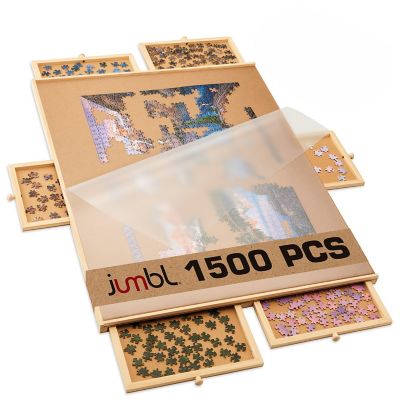
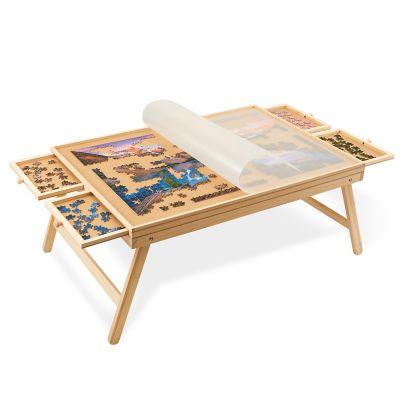
The best match often comes down to how a household likes to play. A child who enjoys naming every animal may spend as much time talking about a picture as fitting the pieces together. A pig near a muddy patch or a calf standing beside a cow can start a conversation about animal names, sounds, and daily care without turning playtime into a lesson. Matching a shape to its space encourages close looking and hand control, while a jigsaw invites sorting, comparing, and trying another approach when a piece does not fit. Those small moments of trial and success are part of the fun, particularly when an adult leaves enough room for a child to make the connection. For siblings or a grandparent and grandchild, a farm scene offers a shared task with several ways to pitch in. One person can gather border pieces while another looks for the barn roof or a favorite animal. A simpler puzzle may be finished in one sitting; a more involved picture can stay on a suitable puzzle board between sessions. Families looking to carry that barnyard interest into other kinds of play can explore
Farm Animal Toys for Kids alongside puzzle time. As a birthday gift or something to bring along for a family visit, a farm animal puzzle feels more thoughtful when its challenge matches the recipient rather than just the age printed on the box. Familiar animals, an appealing illustration, and manageable pieces can make it something a child reaches for again. For an experienced puzzler, a detailed scene and a comfortable finished size may matter more. A box with a clear reference picture also helps anyone returning to an unfinished section. From a first wooden animal board to a full tabletop jigsaw, the right fit makes room for quiet concentration, conversation, and a little barnyard fun without needing a screen.