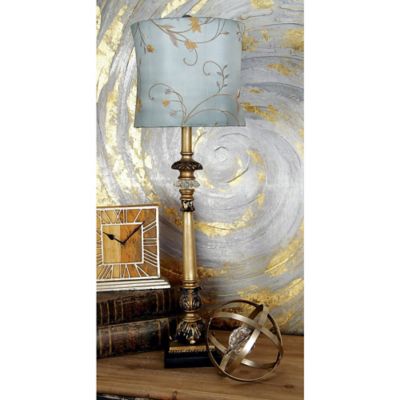
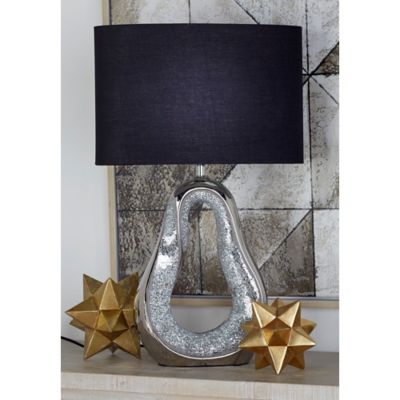
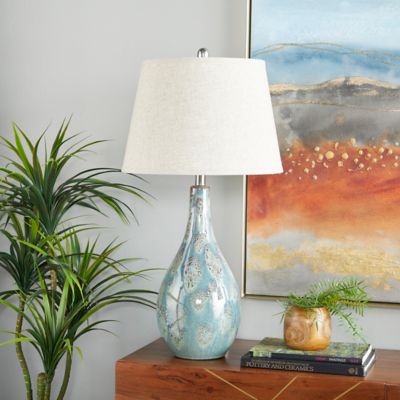
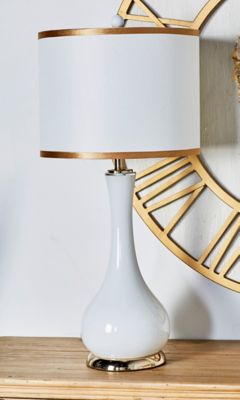
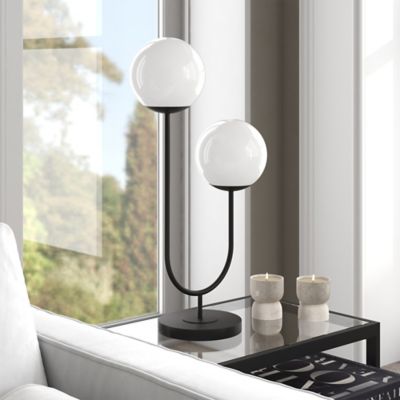
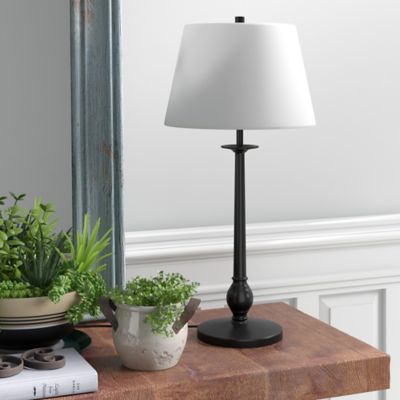
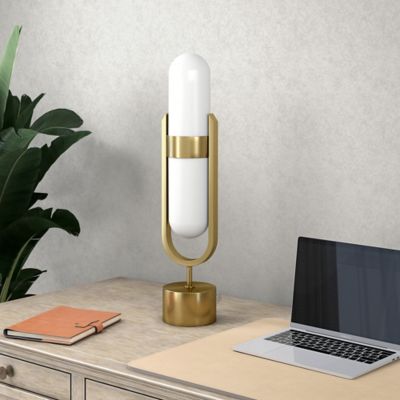
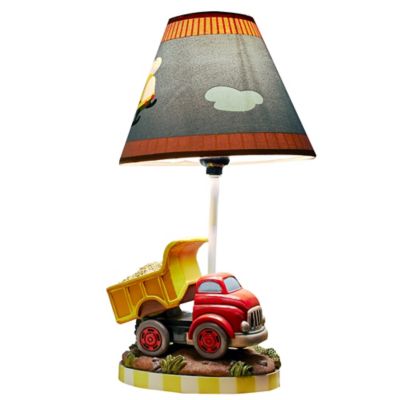
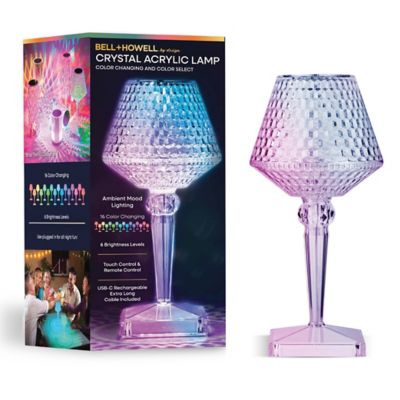
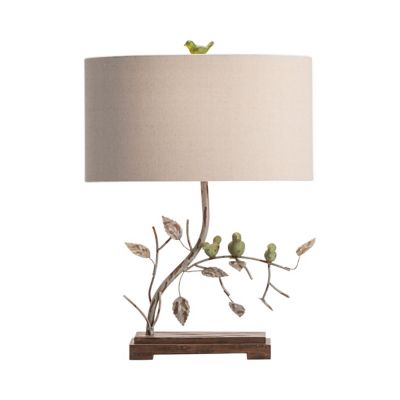
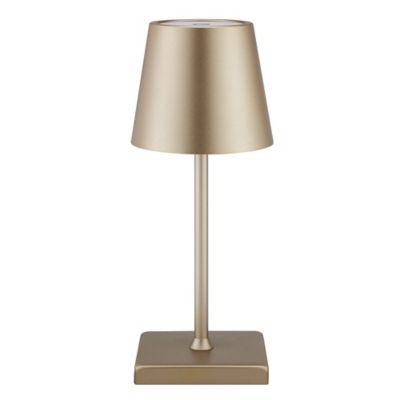
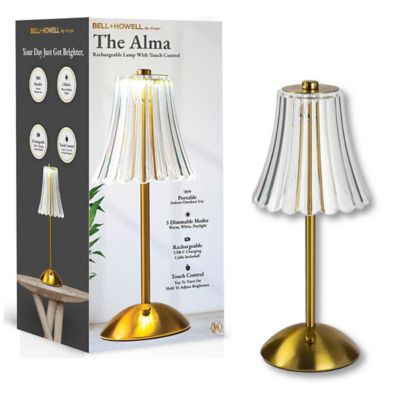
A set of 2 lamps brings coordinated light to two spots without making a room feel overly formal. Matching table lamps work well on nightstands, living room end tables or opposite ends of a long console, giving each spot its own light while tying the space together. Common styles include compact bedside lamps with touch controls, farmhouse-inspired designs with wood-look finishes, metal lamps with simple lines and ceramic lamps that add color or texture. The right pair depends as much on the room’s daily routine as its appearance. A bedroom shared by two readers calls for comfortable light on both sides of the bed, while a living room might need one lamp beside a favorite chair and another near the couch. Matching does not have to mean placing everything in perfect symmetry, either. Two coordinated lamps can sit across the room from one another and still make the space feel connected. Materials help set the tone: ceramic offers anything from a smooth glazed surface to a textured finish, glass keeps the look visually light, and metal can suit a straightforward farmhouse or workshop-inspired interior. Wood and wood-look bases bring warmth alongside plank floors, woven baskets and familiar furniture. A finish described as wood-look may be made from resin or another material, so the material description matters for both appearance and care. Base weight and construction matter, too, especially on a narrow table that gets bumped as folks pass through. Shades make another noticeable difference. Light-colored fabric shades generally spread a softer glow, while darker or more opaque shades tend to direct more light through their openings. Drum shades give a pair a clean, simple outline, and tapered shades offer a familiar shape that sits comfortably beside an upholstered chair or a sturdy wooden bed.
Size and light output help determine whether a set of two lamps feels at home once it reaches the room. A substantial nightstand can support a broader base and shade, while a small bedside table needs enough open surface for a phone, water glass and the book that always seems to stay half-finished. Overall height includes the shade, and shade width may extend well beyond the base, making both measurements worth considering. On a console behind a sofa, a pair should leave room for everyday belongings without letting the shades crowd the walkway. Beside a reading chair, the shade’s lower edge often sits near seated eye level, helping keep the bare bulb out of direct view. Bedside placement depends on mattress height as well as table height; a lamp that looks right beside a low bed may feel too short next to a taller one. Light output, measured in lumens, matters more for brightness than wattage alone. Warm-white bulbs tend to create a relaxed setting for winding down, while a more neutral light may suit paperwork or close reading. The fixture’s bulb base, maximum wattage and dimming requirements need to match the bulb selected. With LED bulbs, actual power draw—not the incandescent-equivalent number—is the figure to compare with the fixture’s wattage limit. Dimming also requires a compatible bulb and control. Touch controls can be handy when reaching from bed, while a pull chain or clearly placed switch offers a familiar way to turn on the light. For lamps with USB ports or electrical outlets, the listed power ratings determine which devices they can support, and charging behavior can vary by design. Cord length and outlet placement deserve attention before a pair settles into place, since a cord stretched across a walking path can turn a comfortable room into an obstacle course. A level table, a stable base and a little breathing room around the shade help the arrangement work for everyday life.
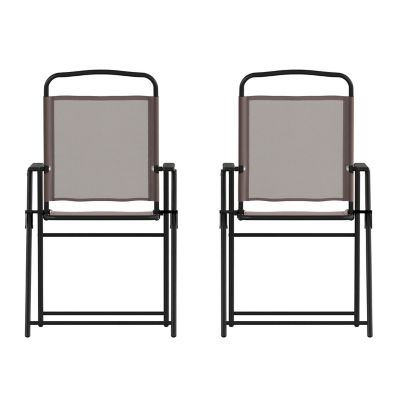
A coordinated pair can make a hardworking room feel settled, whether the lamps flank a couch where the family gathers or brighten a guest room that also serves as a quiet reading spot. In a shared bedroom, separate controls let one person keep reading without lighting the entire room, though shade shape and placement still affect how far that glow reaches. In an entryway, two lamps on a long table can provide a welcoming pool of light for setting down keys and sorting the mail. Housewarming and wedding gifts are natural occasions for a set of 2 lamps, particularly when the recipients’ room size, furniture finishes and preferred controls are already known. A simple shape and a restrained finish are often easier to fit around existing furnishings than a large, strongly patterned pair. Everyday upkeep depends on the materials, but gentle care goes a long way toward keeping bases and shades looking tidy. Lamps should be unplugged and bulbs allowed to cool before cleaning. A soft, dry cloth is suitable for routine dusting on many bases, while fabric shades often benefit from a soft brush attachment on low suction when the care directions permit it. Porous ceramic, unfinished wood, painted surfaces and plated metal may each need different treatment, so household sprays and damp cloths are not interchangeable across every finish. Cleaning liquid should stay away from sockets, switches, charging ports and other electrical parts. Replacement shades also need the correct attachment style, suitable dimensions and clearance around the bulb rather than simply a similar color. For homes with connected indoor and outdoor gathering spaces, a
Set of Two Patio Chairs can carry the paired arrangement into a separate sitting area. Indoor lamps belong indoors unless their manufacturer expressly rates them for the intended outdoor location. Inside the house, a well-proportioned pair earns its place by making ordinary moments more comfortable: reading a few pages, visiting after supper or turning down the overhead light at the end of the day.