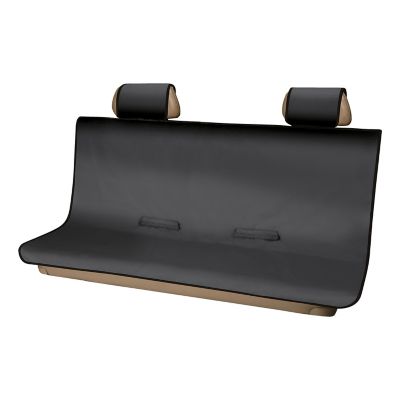
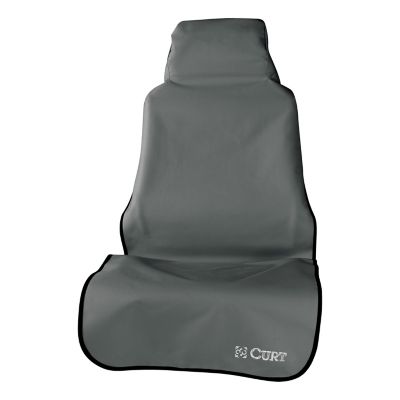
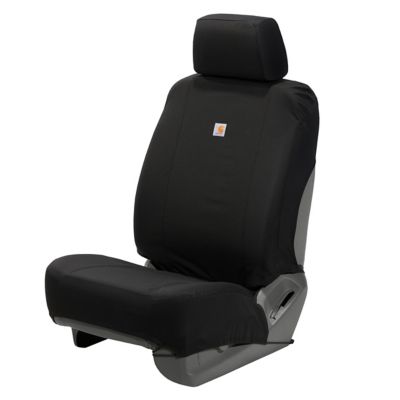
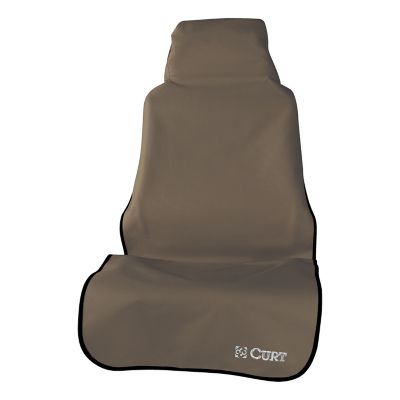
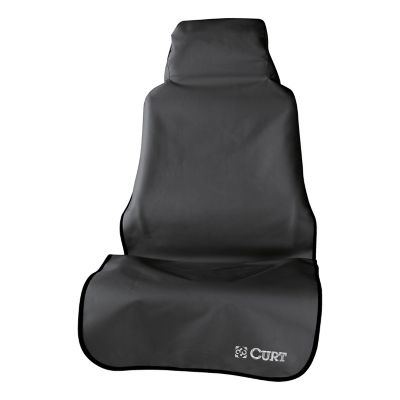
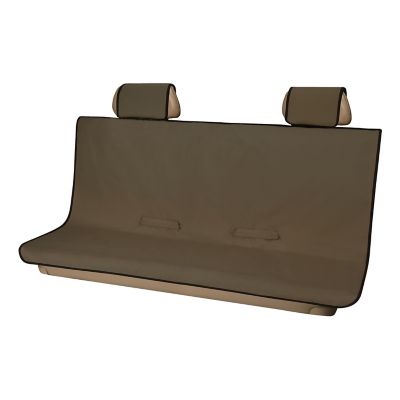
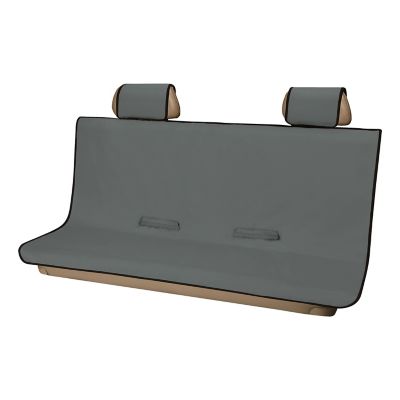
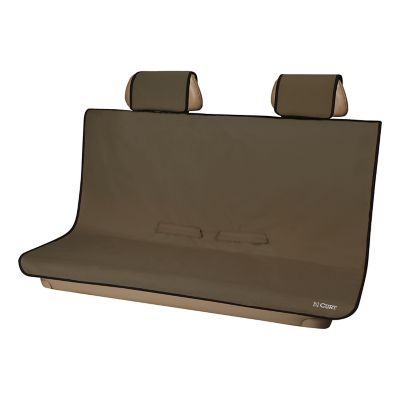
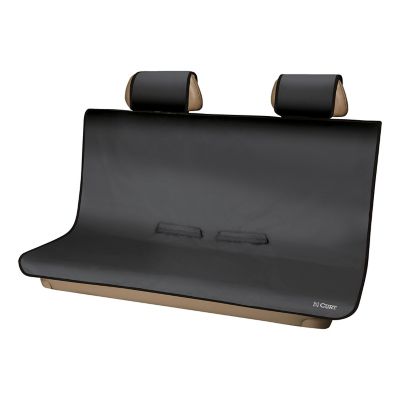
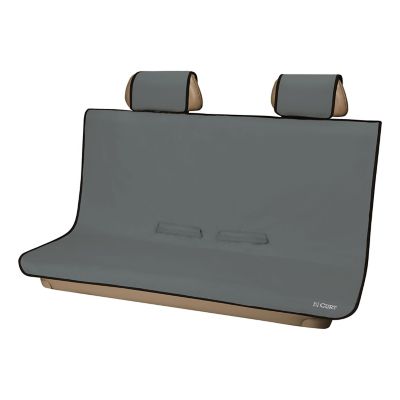
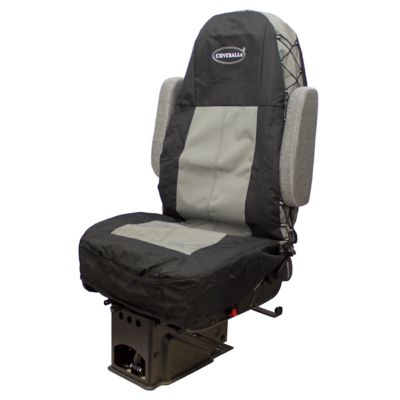
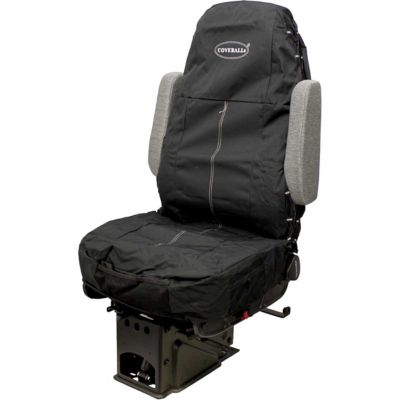
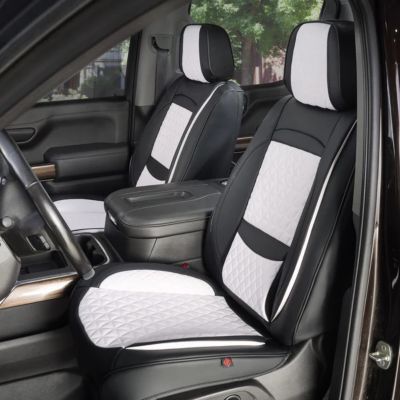
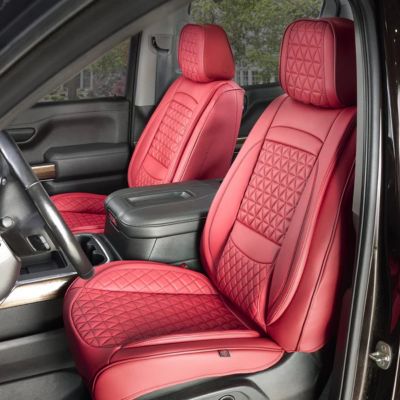
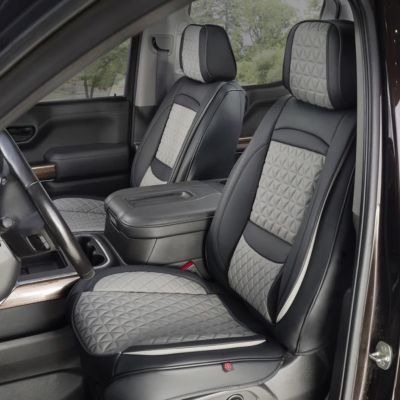
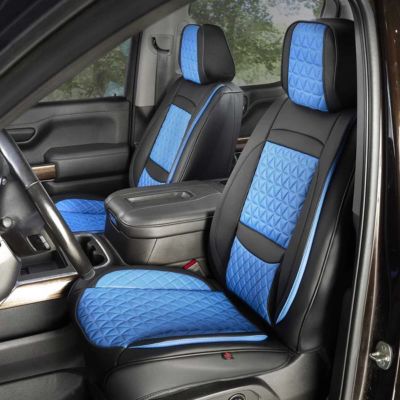
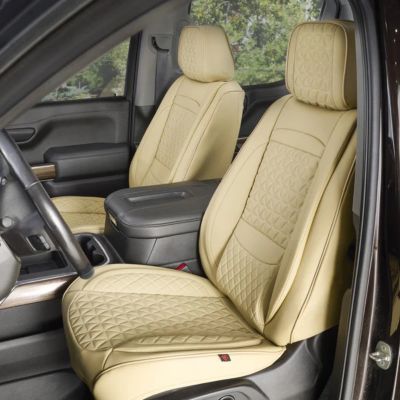
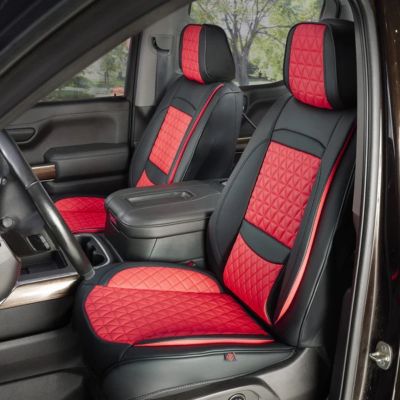
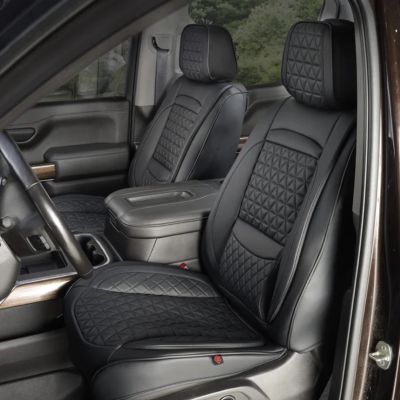
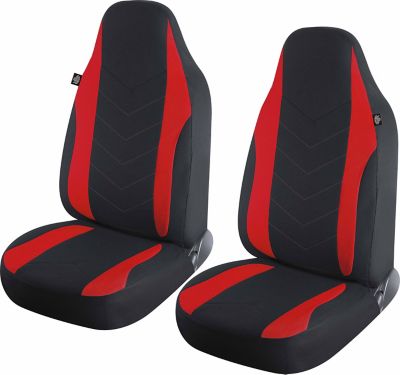
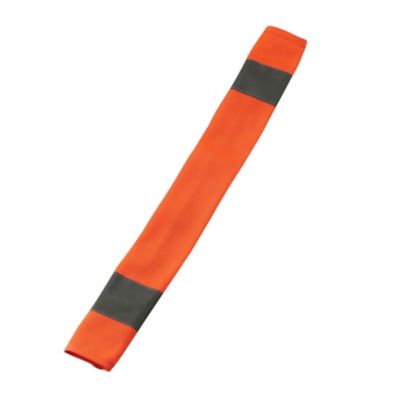
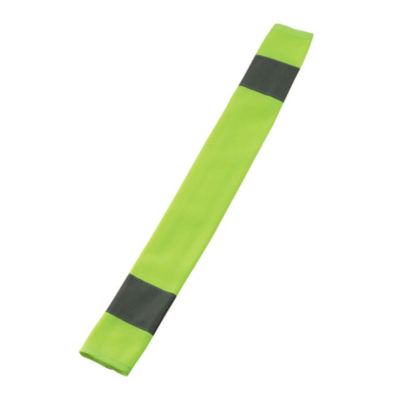
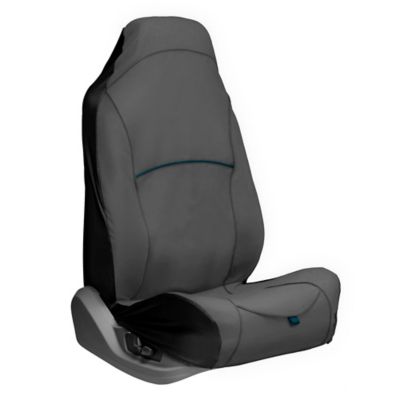
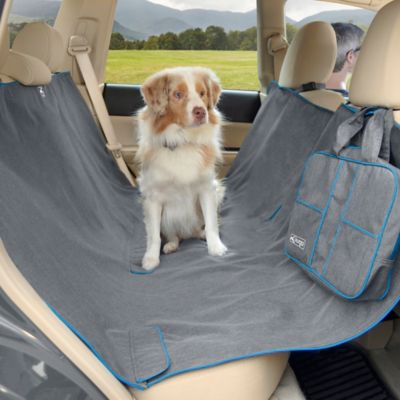
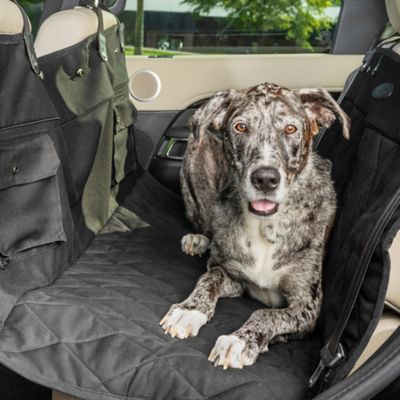
Seat covers with headrest coverage help shield vehicle upholstery from dirt, hair oils, sweat, spills, and everyday rubbing while giving the seat and headrest a coordinated look. Depending on the design, that coverage may come from a full seat cover with a separate headrest sleeve or a one-piece cover shaped for a seat with an integrated headrest. A headrest-only cover protects just the upper cushion, not the backrest or seat bottom, so the distinction matters when comparing coverage. For a pickup that carries feed sacks, a family SUV that makes regular trips to the barn, or a car that handles the daily commute, the right style depends as much on the seat’s shape as on what gets tracked into the cab. Adjustable headrests generally need separate covers that leave the posts and release buttons accessible, while fixed headrests need a cover shaped to follow the seat’s upper outline. Wide cushions, pronounced side bolsters, split benches, and folding center sections can all affect how the fabric sits. Universal-fit covers accommodate a range of seat shapes, but that label does not mean every seat will fit equally well. Vehicle-specific designs narrow the match, though the model year, seating position, and seat configuration still matter. Headrest width, height, thickness, and shape are worth comparing with the cover’s stated dimensions, especially for oversized truck headrests or smaller rear-center headrests. Package contents matter, too: a pair of headrest sleeves is different from a front-seat set, and a full seating set may have several pieces with different shapes. A close fit helps limit bunching at the shoulders and keeps extra fabric from gathering behind the neck. Openings for adjustment hardware should line up without stretching the material tight across the controls. The headrest must remain adjustable to the position recommended in the vehicle’s owner’s manual; added coverage should never interfere with its intended function.
Material makes a noticeable difference in how seat covers with headrest sections feel, handle messes, and hold up to repeated entry and exit. Woven polyester is a common choice for everyday coverage, with a fabric surface that can suit work clothes and regular passenger use. Heavier canvas-style fabrics can make sense for a cab that sees dusty jeans, tool bags, and frequent stops around the property, although their texture may feel firmer than a softer knit. Neoprene and coated fabrics can offer moisture resistance, but the level of protection depends on the complete construction, including seams, backing, and openings. Water-resistant fabric is not the same as a waterproof cover, and liquid can still reach upholstery through gaps or uncovered edges. Polyurethane, often called PU or faux leather, offers a smooth surface that can be easier to wipe after a small spill, provided the care directions allow it. Knit and mesh panels generally have a more open texture that can feel less enclosed during long stretches behind the wheel. Satin headrest sleeves have a smoother surface that may reduce friction against hair, but they serve a different purpose from a heavy fabric cover intended for workday messes. Padding adds another consideration: a thin layer can soften the feel, while thicker layers change how closely the cover follows the seat. Stitching, reinforced edges, secure attachment points, and abrasion resistance all contribute to how well a cover handles repeated sliding across the cushion. Seams near the outer seat edge take particular stress when a driver climbs in and out several times before lunch. For pet hair and fine dust, a relatively smooth surface may be easier to brush or vacuum than a deep texture. No material eliminates cleaning, and a cover’s care label gives a better picture of upkeep than its appearance alone.
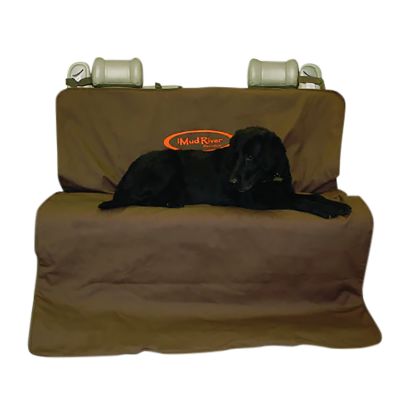
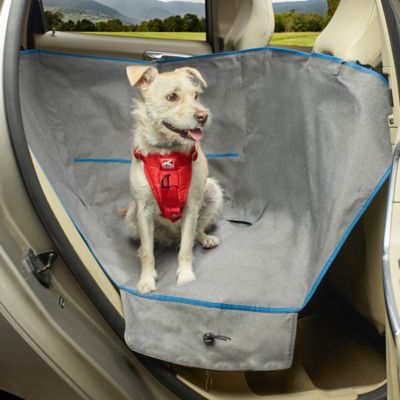
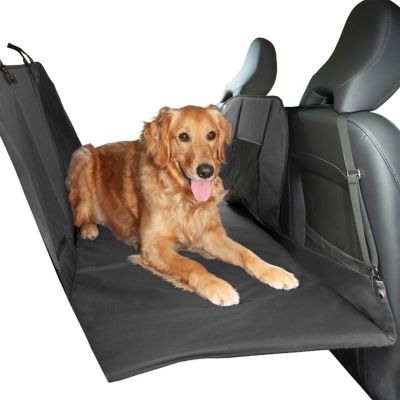
Daily use brings the fit and fabric details together. A ranch hand moving between chores may appreciate coverage that comes off for cleaning, while a household sharing one vehicle may care more about easy access to folding seats, storage pockets, and center armrests. A dog riding along can leave hair across the backrest and drool near the upper cushion, making headrest coverage useful alongside protection for the rest of the seat. Pet restraints still need their intended attachment points, and seat belts, buckles, child-restraint anchors, and seat-release handles must remain accessible. Compatibility with seat-mounted side airbags needs explicit confirmation from the cover maker for the intended vehicle and seat; an opening or a loose fit alone does not establish safe compatibility. Heated seats, ventilated seats, occupancy sensors, and powered adjustments also call for checking the vehicle’s instructions and the cover’s stated compatibility before installation. Once fitted, straps and fasteners should stay clear of seat tracks, wiring, and moving mechanisms. Routine care is usually simpler when loose grit and hair are removed before wiping or washing, since particles trapped under a cover can rub against the original upholstery. Some fabric covers allow machine washing, while others call for spot cleaning; drying methods vary as well. Bleach, solvents, strong cleaners, and high dryer heat can damage certain fabrics, coatings, or elastic, so the care label should settle those questions. Fully dry pieces are important before reassembly, and an occasional check underneath can reveal trapped dirt or moisture. For a practical gift, matching the recipient’s actual seat layout is more useful than guessing from the vehicle’s size alone. Seating needs can extend beyond the cab, too:
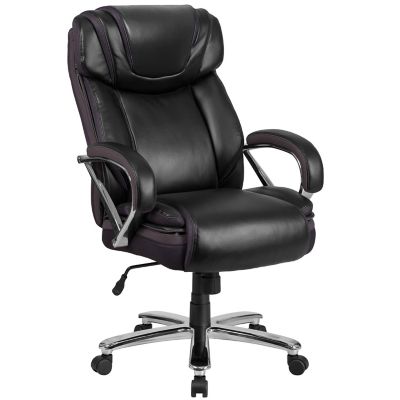
High Back Office Chairs With Headrest suit desk work, but their shapes and adjustment points differ from automotive seating. Whether the priority is catching everyday grime or keeping a shared vehicle tidier, coverage, compatible fit, and manageable care are what make a seat cover earn its place.