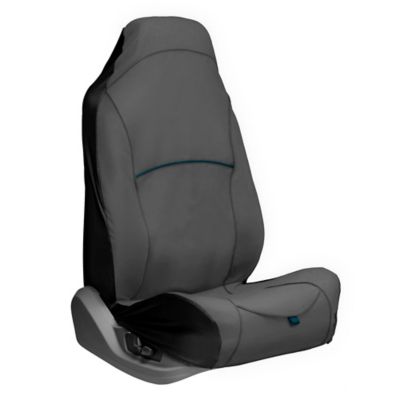
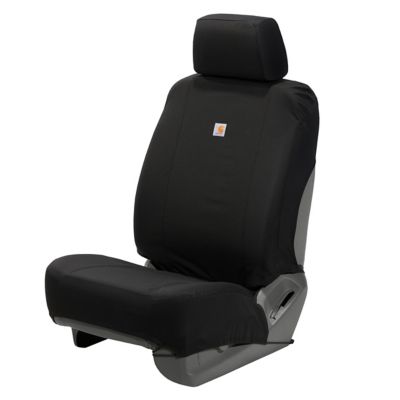
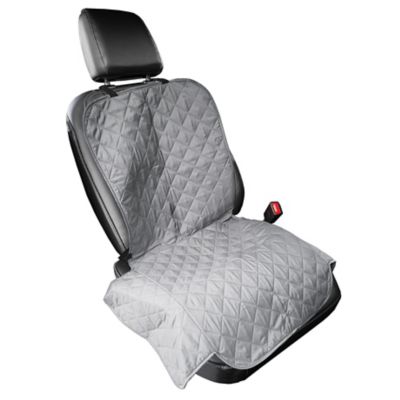
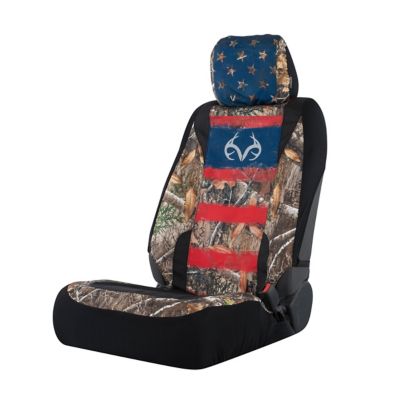
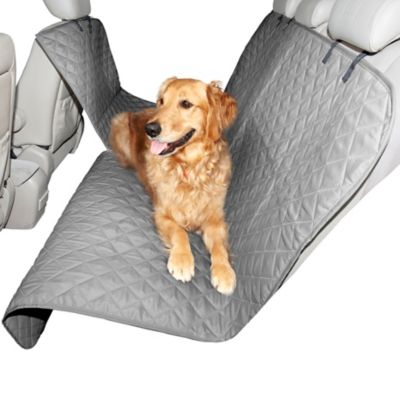
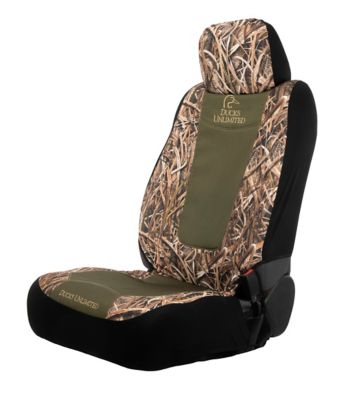
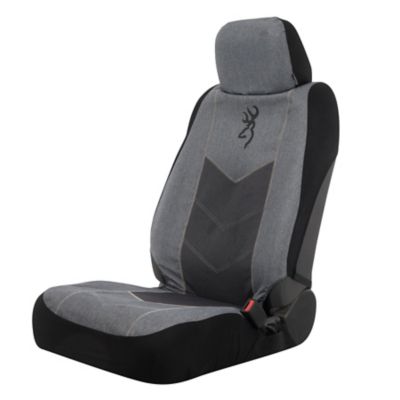
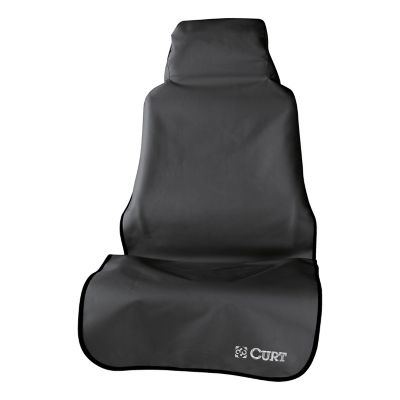
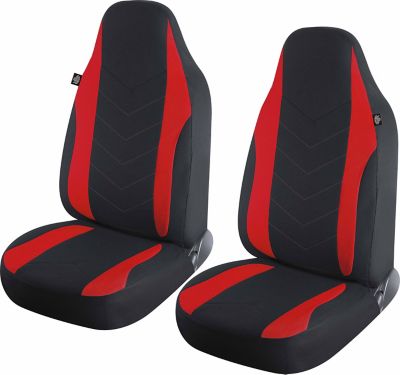
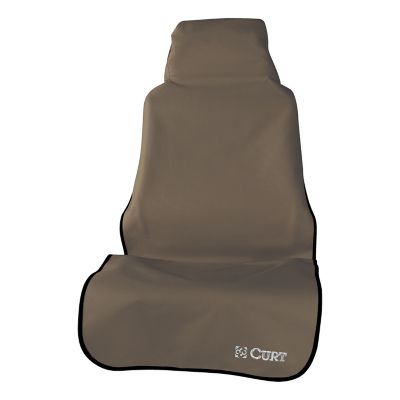
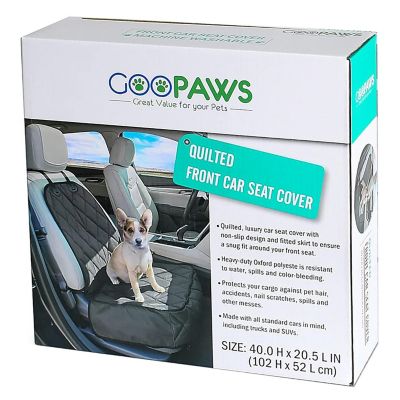
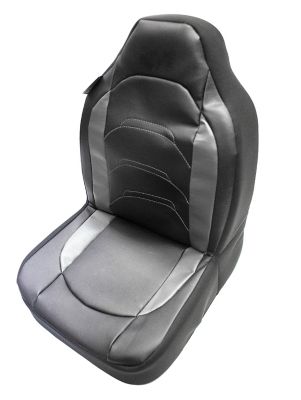
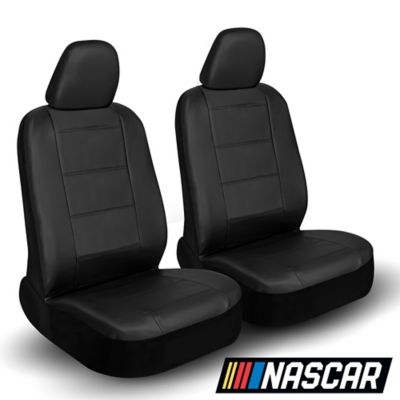
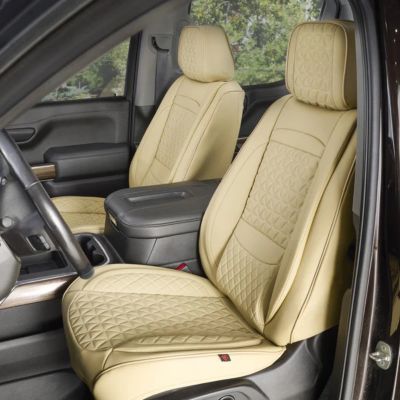
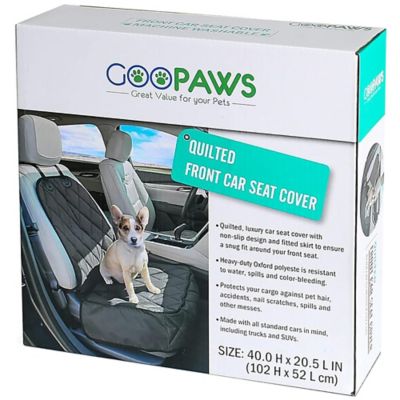
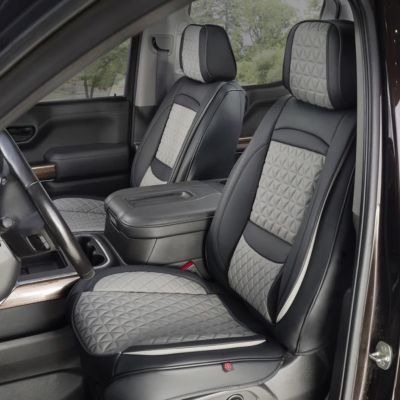
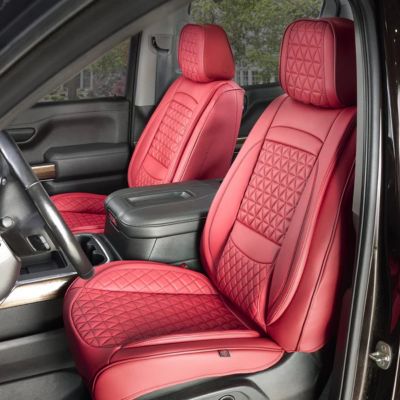
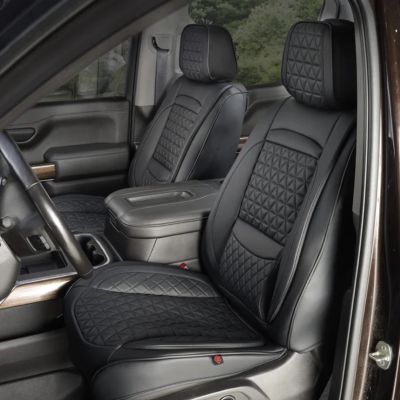
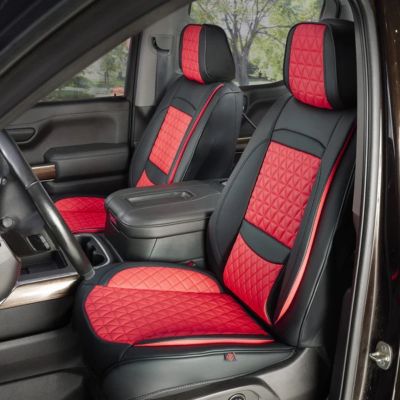
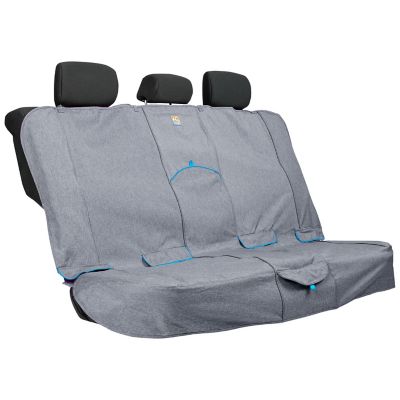
Car seat covers put an extra layer between your vehicle’s upholstery and the dirt, spills, pet hair and friction that come with everyday travel. In a farm truck, that might mean dust on a pair of work pants or grit carried back from the feed room. In the family SUV, it might be a tipped drink, crumbs tucked into the seat seams or a dog riding home after a run around the pasture. Covers can help keep those messes off the original seating surface while giving the cab a more pulled-together look. The material makes a big difference in how a cover feels, handles spills and stands up to repeated trips in and out. Canvas and tightly woven nylon can offer abrasion resistance for work vehicles, especially where clothing, belts and gear regularly rub against the seat. Polyester fabrics offer a range of textures, from smooth weaves to softer, brushed surfaces, with care requirements that vary by construction. Cotton blends can provide a comfortable fabric feel, while mesh panels allow airflow through the cover itself. Neoprene can offer cushioning and resistance to moisture, although water protection depends on the finished cover, including its seams and backing. Faux leather and leatherette provide a smooth surface that can make small spills and loose dirt easier to wipe away. They feel different from woven fabric and may call for different cleaning methods. Water-resistant fabric can slow moisture from soaking through, but that label does not necessarily mean a cover will contain a spilled drink. Waterproof protection depends on the entire design, not just the face material. For a vehicle that carries both people and gear, a close weave, reinforced stitching and secure attachment points can be just as important as the look. Color plays a practical role, too: darker shades may disguise some marks, while lighter fabric can make dark hair and dirt more noticeable.
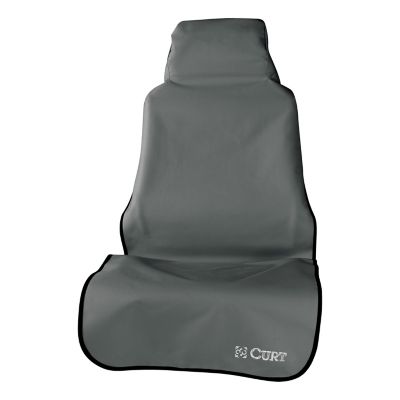
Fit determines how well car seat covers follow the seating surface, stay in place and leave the vehicle’s controls accessible. Universal-fit covers are made to suit a range of seat shapes, but that does not mean every universal cover fits every car, pickup or SUV. Vehicle-specific covers are patterned for particular seating layouts, and compatibility can depend on the year, make, model, trim and seat configuration. A front bucket seat with a separate head restraint needs a different arrangement than a seat with an integrated head restraint, built-in armrests or a seat-mounted belt. When comparing
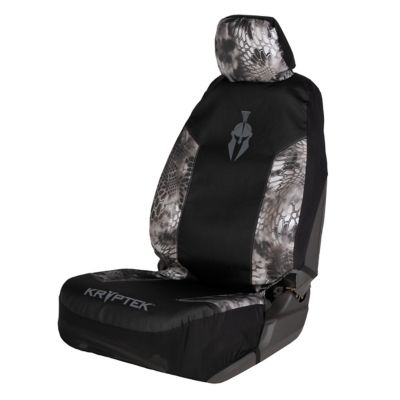
Seat Covers With Headrest, the shape of the restraint, access to its adjustment points and the way its cover attaches all matter. Rear seats bring their own details, including split-folding sections, fold-down armrests, center belt positions and access to child restraint anchors. A bench cover that bridges separate folding sections may limit their movement unless its design accounts for that layout. Straps, buckles, elastic edges and seat anchors help hold covers in place, but they need to stay clear of adjustment tracks, wiring and moving parts. A cover that bunches beneath the driver or slides during entry and exit can become a daily nuisance. Seat-mounted side airbags require particular attention: any cover over an airbag deployment area must be explicitly compatible with that vehicle and seating position, according to the cover and vehicle manufacturers. Openings for belt buckles alone do not establish airbag compatibility. Heated and ventilated seats also call for a compatible design, since added material can affect heat transfer or airflow. Seat controls, occupant sensors and other built-in features need to function as intended after installation. For families carrying young children, vehicle and child restraint instructions take priority; a cover should not go beneath a child safety seat unless both manufacturers permit it. These details matter more than a close color match, especially in a vehicle that handles school drop-offs, errands and work in the same day.
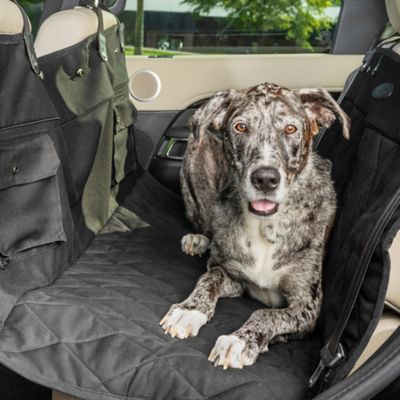
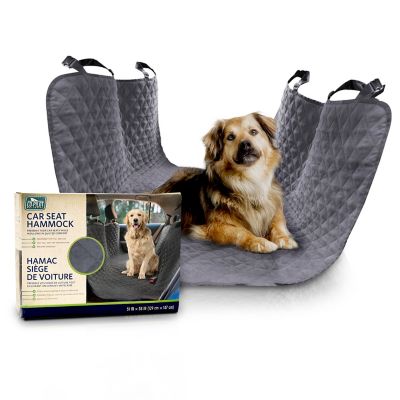
Everyday care and construction help determine how seat covers hold up over time. Repeatedly sliding across a seat edge puts stress on fabric and stitching, while grit trapped between a cover and the upholstery can create abrasion underneath. A snug fit helps reduce shifting, and reinforced seams can support areas that take frequent pulling. Thick fabric alone does not tell the whole story; backing, edge binding, stitching and attachment hardware all contribute to how a cover handles regular wear. Easy removal can be a welcome feature in a truck that carries a dog one day and passengers the next. Some fabric covers allow machine washing, while others require spot cleaning or professional care, so the care label matters before laundry day. Smooth synthetic surfaces often wipe clean with a soft cloth and a cleaner approved for that material. Harsh cleaners, bleach and high dryer heat can damage certain fabrics, coatings or backings. Vacuuming loose dirt before wiping or washing helps keep grit from spreading into seams, and covers should be fully dry before going back onto the seats. Pet hair, burrs and fine dust can collect around piping, fastening straps and the gap between the cushion and seat back, even when the main surface looks tidy. For dog owners, seat covers can help manage hair and paw marks, but they do not replace a suitable travel restraint. For a ranch hand or tradesperson, a straightforward cover with strong attachment points may suit the job better than a heavily padded design. For a commuter, a smooth fit and comfortable seating surface may take priority. Seat covers can also make a practical gift for someone taking over a family pickup or spending more time behind the wheel, provided the vehicle and seat details are known. The best match is one that fits the actual seat, supports the vehicle’s safety features and handles the kind of mess that regularly comes through the door.