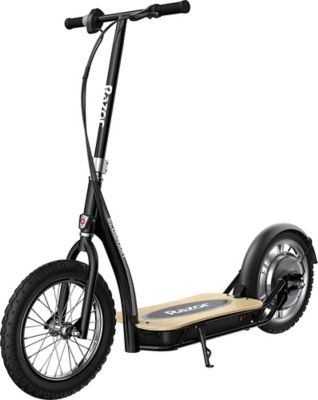
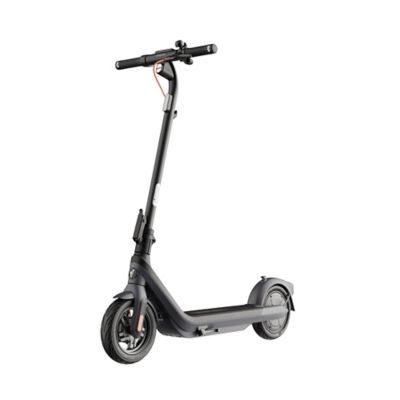
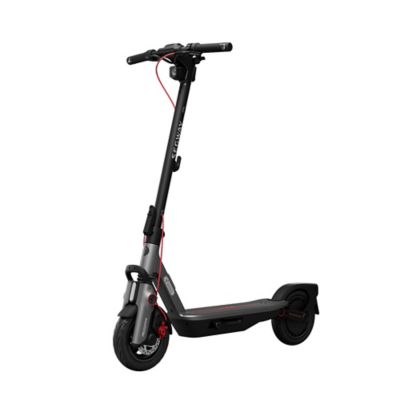
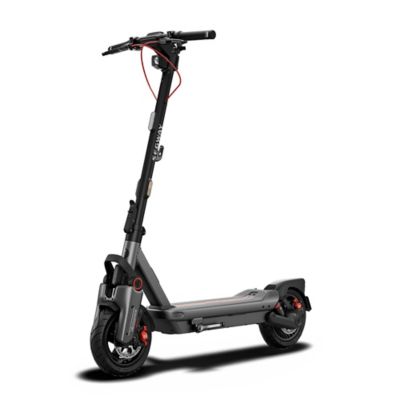
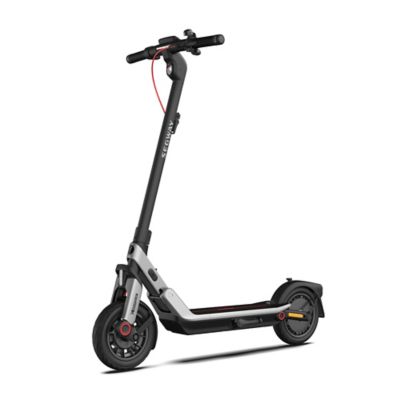
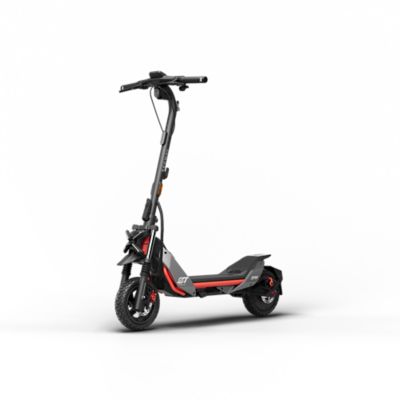
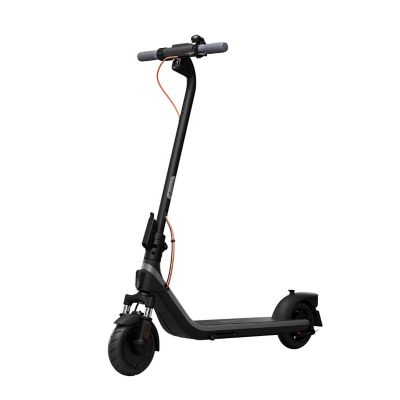
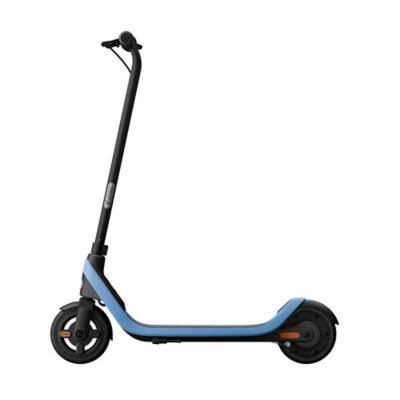
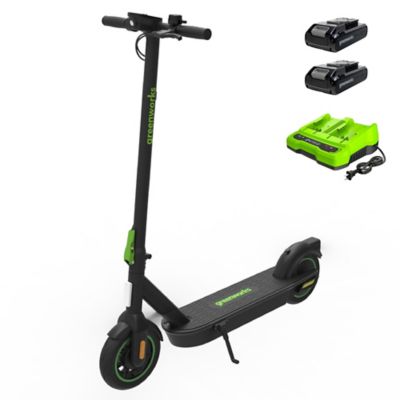
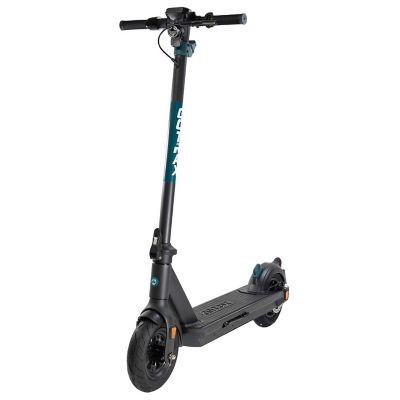
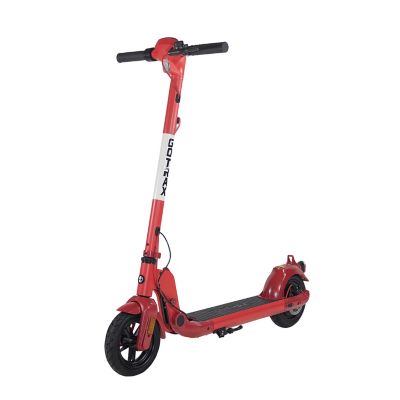
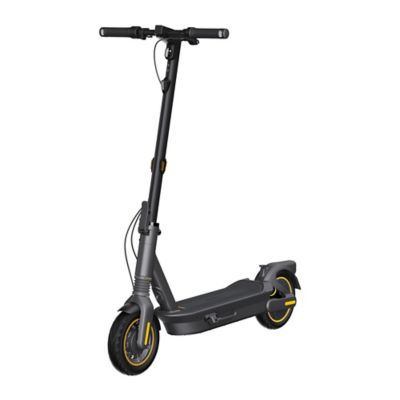
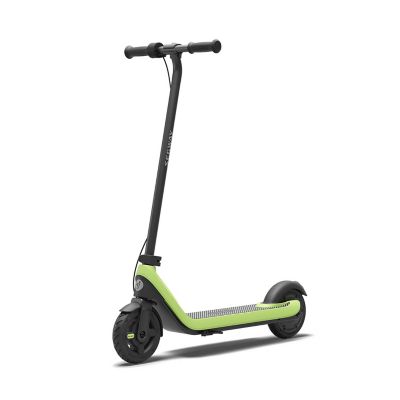
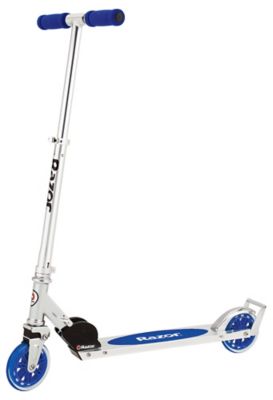
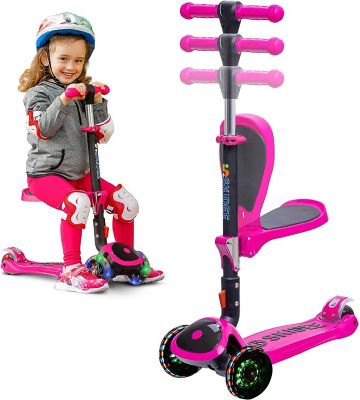
Stand up electric scooters are battery-powered scooters with a standing deck, handlebars, and an electric motor that helps move the rider along without continuous kicking. They’re built around short-distance travel, with designs ranging from compact folding scooters for paved routes to larger models intended for more demanding surfaces. For someone traveling to a nearby workplace, crossing a permitted campus route, or getting around paved lanes on a larger property, the right fit starts with the route itself. Smooth pavement, frequent stops, inclines, and the distance between charging opportunities all affect what makes sense. A scooter meant for sidewalks and pavement isn’t automatically suited to loose gravel or a rutted farm track just because it has a motor. Check the manufacturer’s intended riding surfaces and local rules before making it part of a daily trip. Motor output, battery capacity, maximum rider weight, and braking design tell more about practical use than top speed alone. Motor ratings describe power, while battery capacity, often listed in watt-hours, helps explain how much energy the battery can hold. Neither number tells the whole story by itself. Rider weight, hills, tire pressure, frequent acceleration, and riding mode can all affect distance per charge. Advertised range comes from particular testing conditions, so leave some breathing room rather than planning a trip that takes every bit of the stated range. Charging time matters, too, especially when the scooter needs to be ready again between regular trips. Some scooters require a push before the motor engages, while others have different starting controls; understanding that setup helps a rider feel settled from the first ride. For everyday errands or a short trip across town, easy handling and enough battery capacity for the return ride can matter more than reaching the highest speed. A route with repeated hills also calls for checking the stated climbing limits rather than assuming every powered scooter will pull the same grade.
Comfort and control come down to how the scooter fits the rider and handles the ground beneath it. Deck length and width should leave room for a balanced standing position, with enough grip underfoot to help keep feet planted. A taller rider may need a higher handlebar position, while a shorter rider needs controls that remain easy to reach without stretching. Adjustable handlebars can help when that feature is part of the design, but the full adjustment range still needs to suit the intended rider. Check the total load rating with riding gear and anything carried in a backpack in mind; hanging bags from the handlebars can interfere with steering. Wheel size, tire construction, and suspension also change the feel of a ride. Larger wheels generally roll over small pavement breaks more easily than smaller wheels, though they don’t turn an ordinary scooter into an off-road machine. Air-filled tires can soften the feel of uneven pavement, but they need pressure checks and can develop punctures. Solid tires avoid air-pressure maintenance, yet may transmit more bumps through the deck and handlebars. Suspension, where fitted, can help manage uneven surfaces, but it doesn’t replace careful speed control. Aluminum frames are common because they balance strength with manageable weight, while steel components may appear where added strength is needed. Frame construction, secure joints, and a properly engaged folding latch all deserve attention, particularly on a scooter that gets carried and unfolded often. Folding designs can make storage beside a workbench or transport in a vehicle easier, but folded dimensions and actual lifting weight matter more than the word “portable.” Brakes may include disc, drum, electronic, or foot-operated systems, sometimes in combination. Learn which control operates each brake and leave plenty of stopping room. A scooter that feels steady, steers predictably, and stops in a controlled way is a better match for everyday riding than one chosen on speed alone.
A little routine care helps keep a stand up electric scooter ready for its next trip. Follow the owner’s manual for tire pressure, fastener checks, brake adjustment, and folding-latch inspection, and pay attention to new rattles, steering play, or changes in stopping performance. Wipe down the deck and frame as directed rather than hosing the scooter off, and keep charging connections clean. Battery care is especially important: charge only with the charger specified for that scooter, follow the stated charging procedure, and stop riding or charging if the battery shows damage, swelling, or other signs of trouble. Look for verifiable electrical-system certification, such as certification to UL 2272, rather than assuming a general safety claim covers the whole scooter. That standard addresses electrical-system safety; it doesn’t take the place of safe riding or regular mechanical checks. Store the scooter according to the manufacturer’s directions, with room to keep it from tipping into tools, equipment, or a busy walkway. Before heading out, check the brakes, tires, steering, and battery level, then put on a properly fitted helmet and any additional protective gear recommended for the ride. Lights and reflectors help with visibility, but they don’t make every road or path appropriate for scooter travel. Local rules may cover rider age, helmet requirements, speed, and whether scooters belong on a road, bike lane, or designated path. Keep both hands ready for steering and braking, carry only the permitted number of riders, and step off to walk through crowded areas when needed. For a gift, an adult or an older teen who meets the manufacturer’s age requirements may appreciate a scooter that fits an established route, available storage space, and a sensible charging routine. Fit and permitted use matter more than surprise alone. Riders comparing options for regular short trips can also explore
Kick Scooters For Commuting as they consider carrying weight, standing comfort, and everyday convenience. Matching those details to the person and the route helps make an electric scooter a practical part of getting from one place to another.