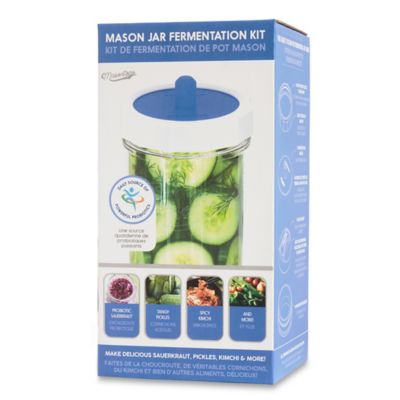
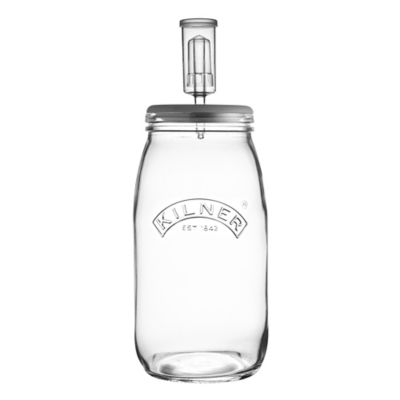
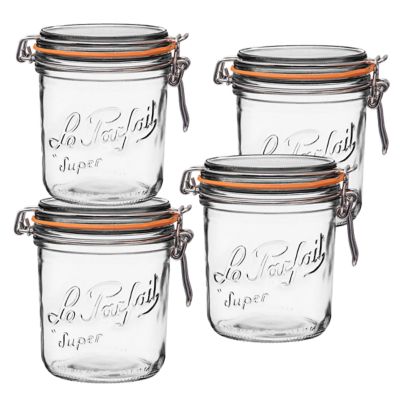
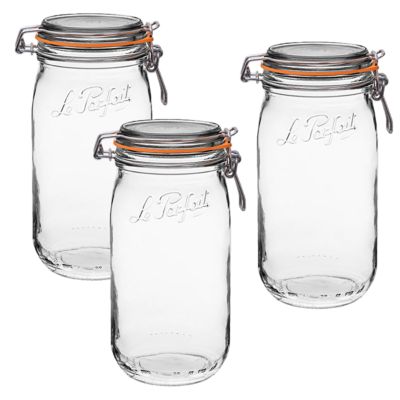
Sauerkraut fermentation kits bring a familiar farmhouse food into everyday kitchen life, whether the cabbage comes from a backyard patch, a farm stand or the grocery store. Sauerkraut gets its tang from fermentation, a process in which naturally present bacteria turn sugars in cabbage into lactic acid. The result is a crisp, pleasantly sour addition to sausage, sandwiches, pork dinners and plenty of other meals around the table. A kit brings together equipment suited to that process, often pairing a fermentation vessel with a lid, weights or other accessories that help manage the batch. Contents differ, so it helps to look at the whole setup rather than judge a kit by the container alone. Weights help keep shredded cabbage beneath its brine, while fermentation lids may allow gas to escape and limit incoming air. Those features serve different purposes, and neither takes the place of a tested recipe, proper handling or suitable storage. For someone making a first batch, a straightforward setup can make the equipment easier to understand without filling the kitchen with separate pieces. For someone who already puts up garden produce, a larger vessel or a set of smaller containers may better match the way the household cooks and eats. A modest batch makes sense when sauerkraut is mostly a sandwich topping; more capacity may suit a family that serves it alongside supper several times a week. Gardeners planning what to grow can also explore
Home Gardening Kits as part of bringing more homegrown ingredients to the kitchen. Beyond plain cabbage, suitable fermentation equipment may accommodate other vegetable preparations when paired with recipes written for those foods. The appeal is practical: a dedicated place for the batch, components that work together and less guesswork about which lid or weight belongs with which vessel. It is a good fit for home cooks who enjoy knowing what goes into their food and keeping useful skills close at hand.
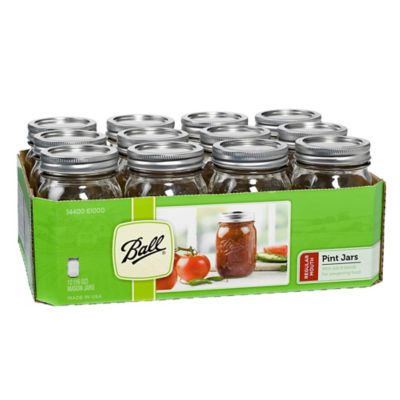
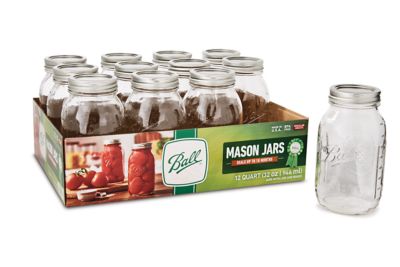
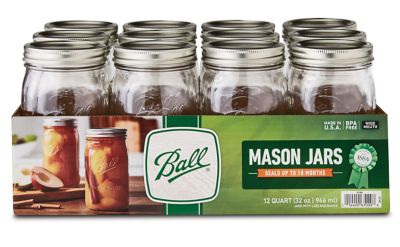
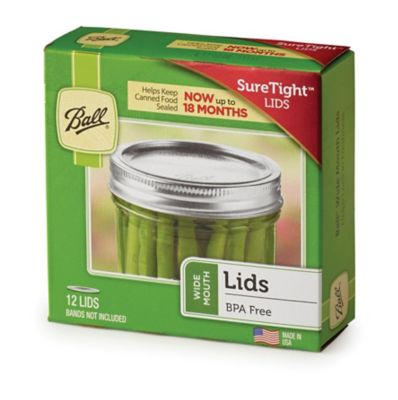
Materials and fit make a real difference in how a sauerkraut fermentation kit works on the counter. Glass offers a clear view of the cabbage, brine level and bubbles without opening the vessel, which can be handy for anyone who likes to keep an eye on a batch. Its weight and breakability also matter, especially when a full container needs to move from the work area to another spot in the kitchen. Ceramic crocks provide a different approach, with substantial walls and an enclosed interior rather than a clear view. Ceramic intended for fermentation should have a food-contact glaze suited to acidic foods; an old crock with an unknown glaze is not automatically a good choice. Food-contact plastic components can keep a setup lighter, though their care requirements and resistance to scratches deserve attention. Whatever the material, a smooth interior and an opening wide enough for comfortable packing and cleaning can make repeated batches less of a chore. Vessel capacity is worth considering alongside usable batch size, since fermentation needs room for brine movement and gas rather than a container packed to the rim. Check the amount a vessel is meant to hold for fermentation, not just its total volume. Lid compatibility matters just as much. Jar mouths, threads, crock rims and gasket sizes differ, and a lid that looks close may not seat correctly. Weights need to fit through the opening and sit appropriately over the vegetables; their shape also affects how easily they can be lifted out. Some designs include a grip or recessed area, while others depend on a separate utensil for removal. Airlocks and venting lids have their own operating requirements, including whether they need liquid, how they release gas and which parts come apart for cleaning. A little elbow room around the setup helps with handling, and a steady, level spot is more practical than a crowded shelf where the vessel can get bumped. For a small kitchen, the height of the assembled lid and airlock can matter as much as the width of the container.
Care and everyday handling help determine whether fermentation equipment earns a regular place in the kitchen or ends up tucked away between batches. Removable gaskets, accessible lid channels and weights with smooth surfaces are easier to inspect than parts with tight crevices that trap bits of cabbage. Dishwasher suitability varies by component, so a dishwasher-safe vessel does not necessarily mean its lid, valve or seal belongs in the same load. Follow the maker’s cleaning directions, especially for silicone parts, ceramic surfaces and pieces that may lose their shape with the wrong treatment. Glass and ceramic deserve a check for chips or cracks before another batch, while plastic surfaces and flexible seals need attention for scratches, tears or lingering residue. Replacement-part compatibility is another useful consideration for equipment expected to handle many batches: a worn seal should match the original fit, not simply look similar. Drying the pieces thoroughly before putting them away helps keep the next setup tidy, and storing small parts together prevents a missing gasket from holding up the job. Fermentation equipment also has a different purpose from canning equipment. A vented lid or airlock manages a fermenting batch; it does not establish that the finished food is shelf-stable. Tested fermentation and storage guidance still matters, and suspicious growth or signs of spoilage should never be treated as something a kit can correct. For gift giving, these kits can suit a gardener with cabbage to spare, a cook who enjoys traditional foods or a family member building a more capable kitchen. Match the equipment to that person’s space and habits rather than choosing the largest vessel by default. Someone working in a compact kitchen may appreciate a manageable jar setup, while a household that prepares larger batches may prefer a crock with room to work. Clear instructions, comfortable handling and parts that are easy to clean can make the gift more inviting. The best fit is equipment that supports the way someone actually cooks, shares meals and returns to the task batch after batch.