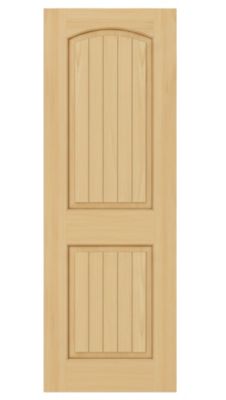
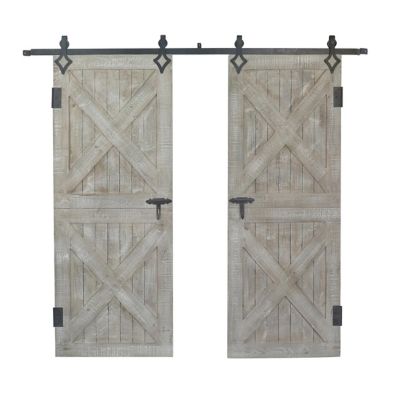
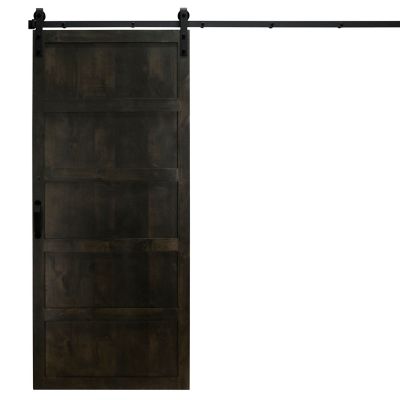
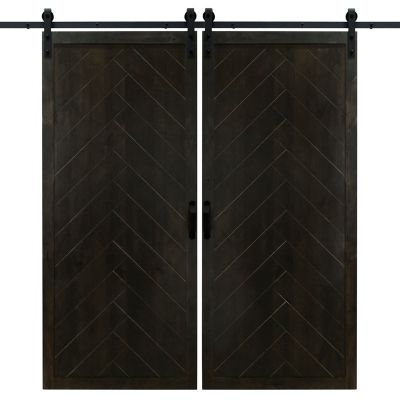
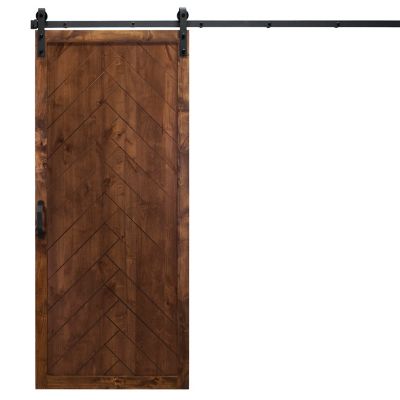
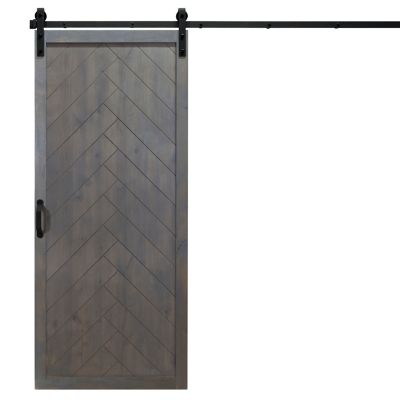
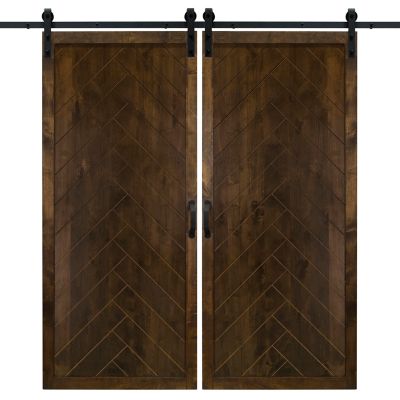
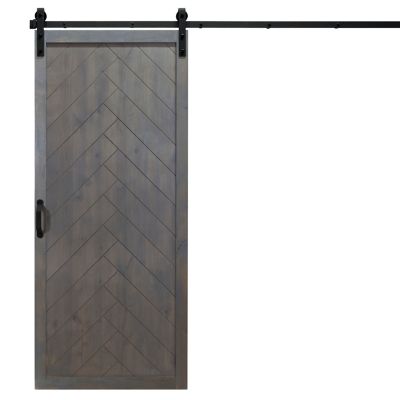
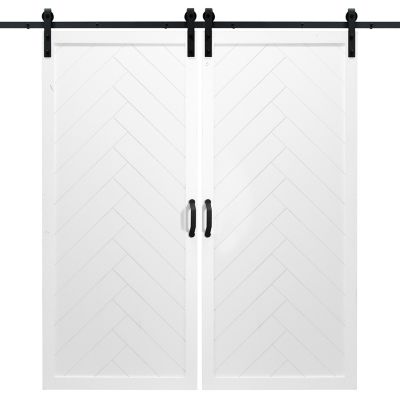
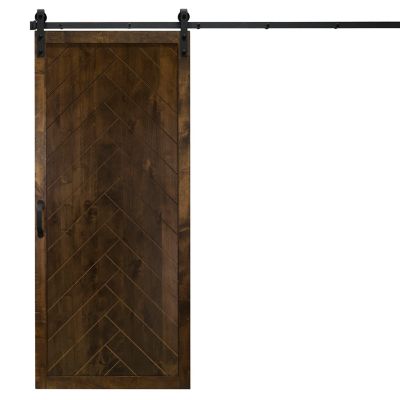
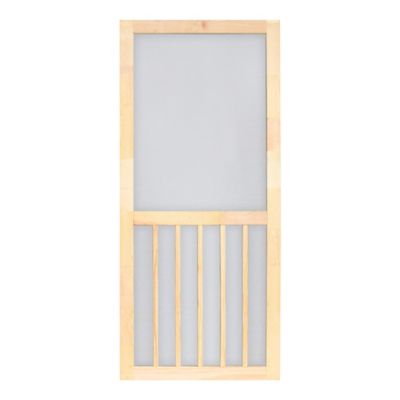
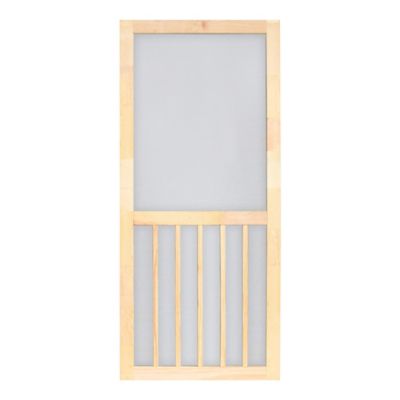
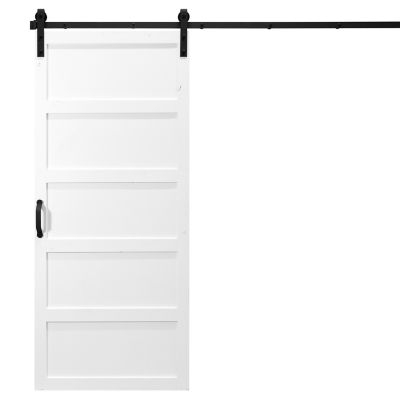
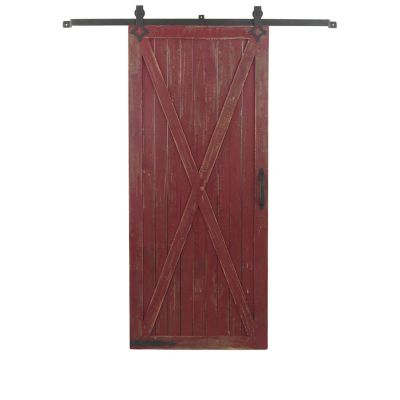
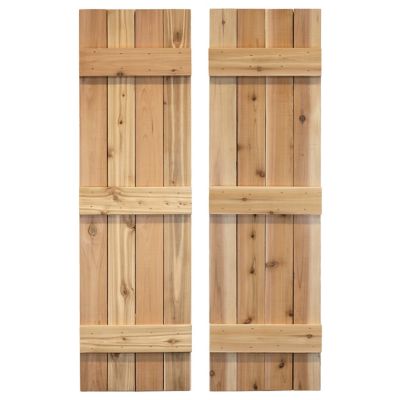
Rustic doors bring the character of wood, visible grain, and straightforward construction into the spaces that get plenty of everyday traffic. A plank-style door beside a mudroom bench feels right at home with work boots lined up underneath, while a paneled wood door can give a bedroom or home office a quieter, more settled look. The appeal comes from details that feel natural rather than fussy: knots, variations in color, recessed panels, crossbuck patterns, and hardware with a substantial feel. Some designs lean toward a farmhouse look, while others fit a cabin, ranch house, or a home with exposed beams and simple trim. Materials make a difference in both appearance and day-to-day performance. Solid wood has depth and weight, with grain that may vary from one section to another. Knotty pine often brings a more pronounced pattern, while woods with tighter grain can create a calmer surface. Engineered wood construction can offer a more consistent face, and a wood veneer brings real wood grain to a constructed core. The face material alone does not tell the whole story, so core construction and the intended application matter just as much as color. A distressed finish gives a door an aged appearance, but it should still have sound joints, smooth operation, and edges suited to regular handling. Stained finishes let the grain remain part of the room, while painted surfaces can tie a rustic shape into existing cabinetry or trim. Unfinished wood offers flexibility for matching nearby woodwork, though it also brings finishing work before installation. For a busy household, the best match balances the look of the door with what happens around it, whether that means kids moving between rooms, pets following their people, or an office that needs a clear boundary from the rest of the house. A door can have plenty of character without becoming the room’s loudest feature.
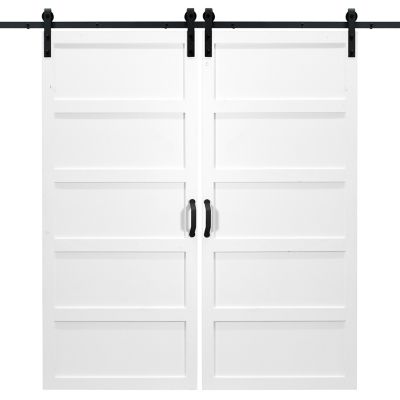
The way a rustic door opens matters just as much as its face. A swinging door needs a clear arc across the floor, with enough room to miss a nearby vanity, bench, or cabinet. A sliding barn-style door keeps that swing space open, but its panel needs an unobstructed stretch of wall beside the doorway. Light switches, outlets, wall trim, and furniture can all affect where the panel travels. Track length, mounting height, and support above the opening are part of the fit, not details to sort out after choosing a finish. A heavy panel needs hardware rated for its weight and mounting that follows the hardware manufacturer’s requirements. Floor guides help control side-to-side movement, while stops keep travel within the intended range. Handles also need enough clearance so fingers do not get pinched between the moving panel and the wall. Sliding designs generally leave gaps around the opening, which makes them a different choice from a close-fitting hinged door when privacy or sound control matters. That distinction can be especially important for a bathroom, bedroom, or office where conversations carry. A solid or solid-core hinged door may be a better fit for those spaces, depending on its construction, frame, and installation. Double doors can suit a broad opening between shared rooms, while a single panel often keeps a smaller passage feeling straightforward. Measurements should account for more than the visible doorway: finished opening size, jamb depth, floor clearance, trim, and the direction of travel all play a part. Replacing a door slab also calls for checking hinge locations, latch placement, thickness, and how the existing frame sits. A prehung assembly includes a frame, but it still needs the right rough opening and careful fitting. Interior doors and exterior entry doors serve different purposes, so a rustic appearance should never stand in for the construction or rating a location requires. Openings with fire-rating requirements need an assembly approved for that application. These practical differences help narrow the choice toward a door that belongs in the space rather than one that only looks right in a photograph.
Finishes and hardware help rustic doors settle into the rest of a home without requiring every wood surface to match. A brown stain can sit comfortably beside painted trim, and a darker handle can pick up the tone of cabinet pulls or nearby light fixtures. Matching the general undertone often matters more than finding an identical grain pattern. Where the room already has a lot of knotty wood, a simpler door face can keep the space from feeling crowded. In a plain hallway, deeper panels or a crossbuck pattern can add interest without adding furniture. For a related look with an emphasis on familiar country-house shapes,
Farmhouse Style Doors offers another direction to consider alongside rustic styling. Daily care should suit the actual surface rather than the appearance alone. A soft cloth removes ordinary dust from panels and grooves, while a cleaner approved for the finish helps avoid a dull film or damage around handles. Wood should not be soaked during cleaning, and moisture from bathroom activity or floor mopping should not linger along the lower edge. Painted and stained surfaces may need different touch-up methods, especially where rings, belt buckles, or pet claws leave marks. Some finishes allow small scuffs to blend into the overall character; others show scratches more clearly. Refinishing options depend on the material, and a thin veneer needs a different approach from solid lumber. Hinges, rollers, guides, and latches also deserve occasional attention so the door keeps moving as intended. Loose fasteners, a dragging edge, or a latch that no longer meets its strike plate are worth addressing before daily operation becomes a struggle. In a hardworking home, a rustic door earns its place through more than good looks: a comfortable handle, a suitable finish, and a fit that lets people move through the day without a second thought.