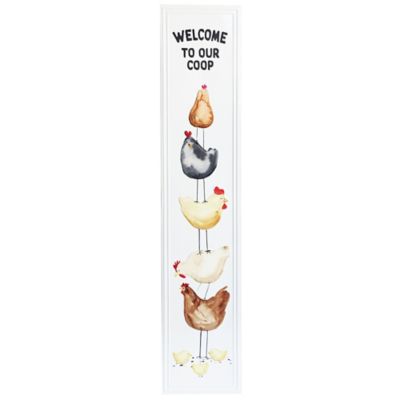
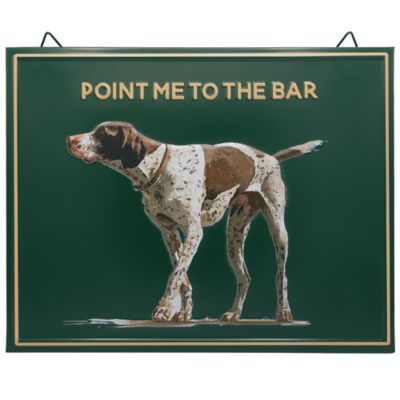
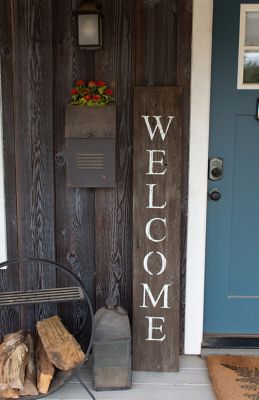
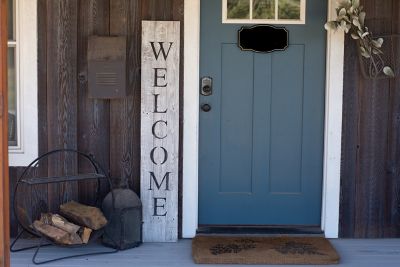
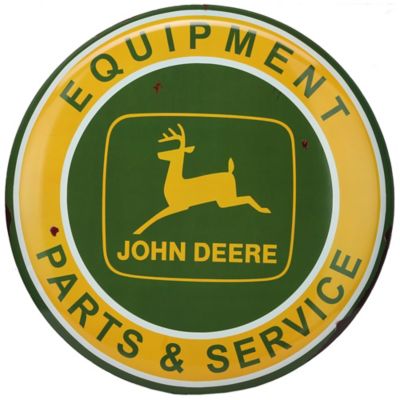
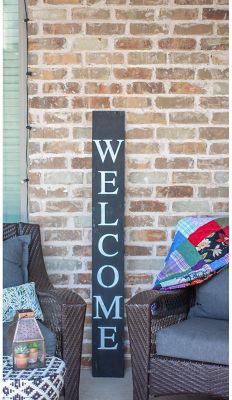
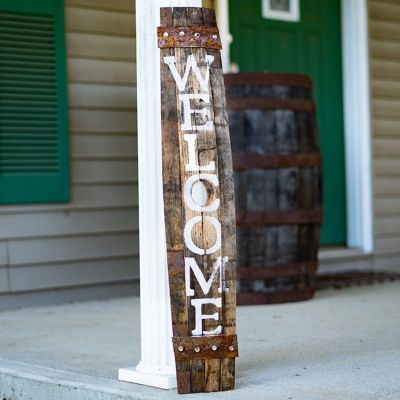
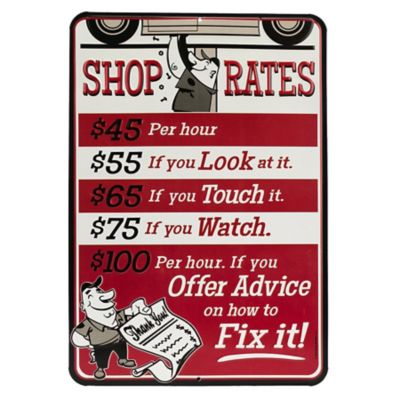
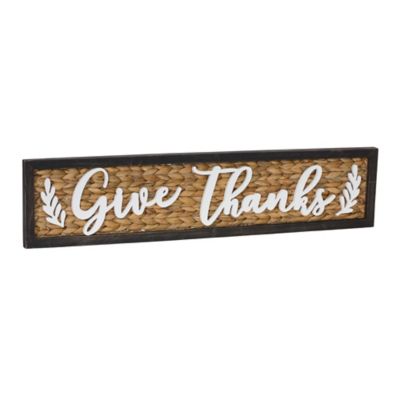
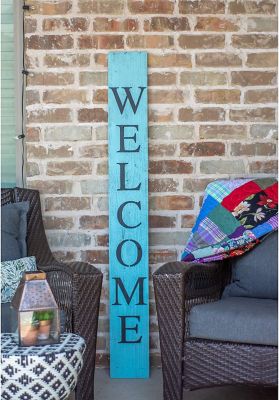
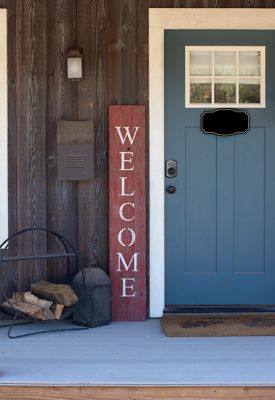
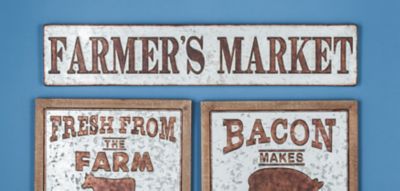
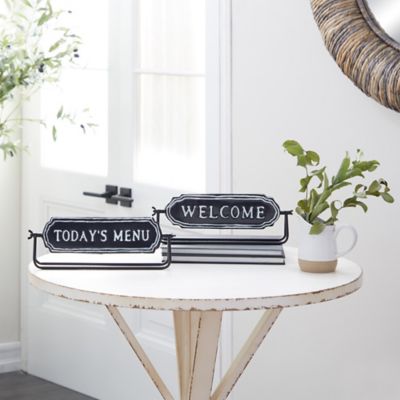
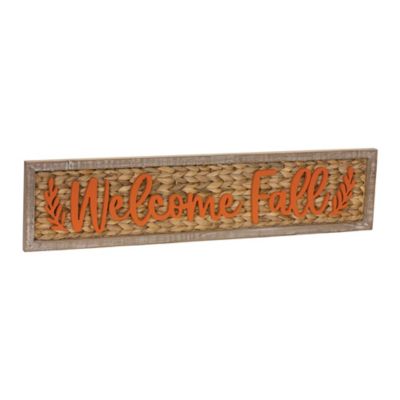
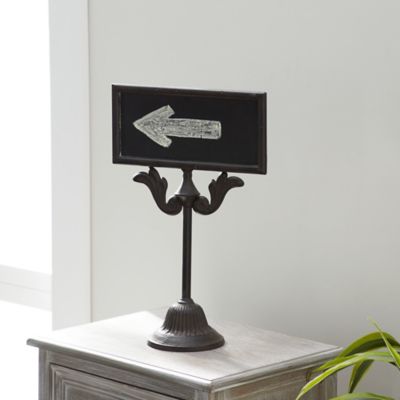
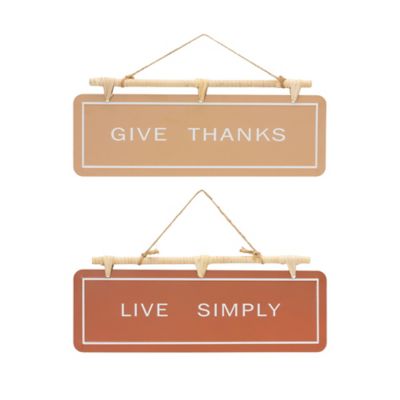
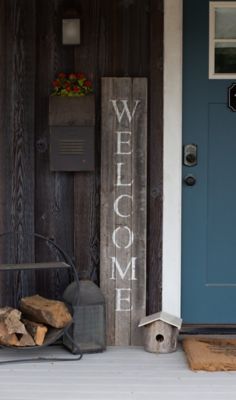
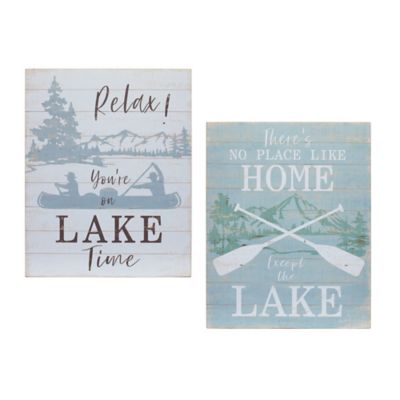
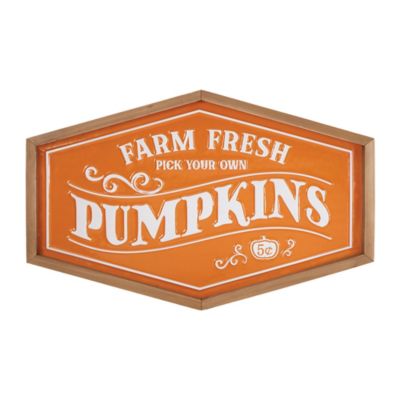
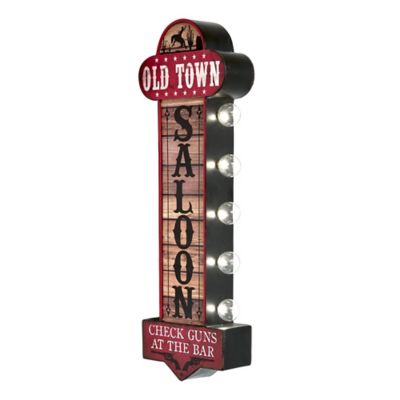
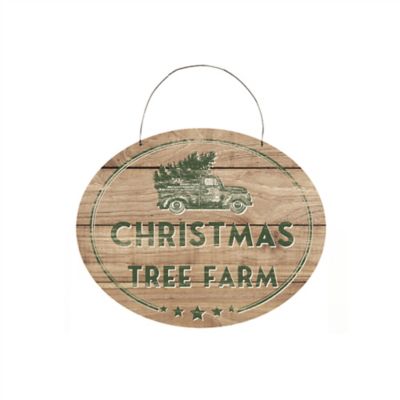
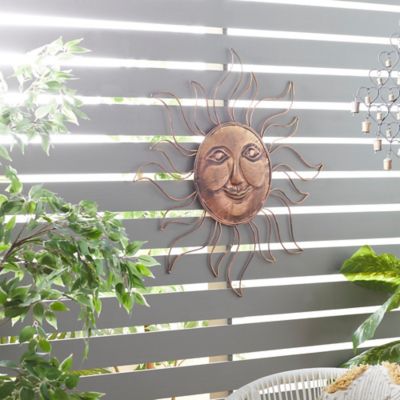
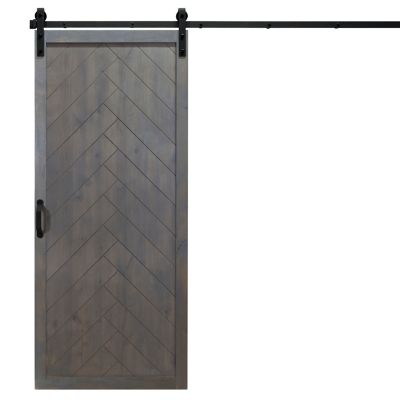
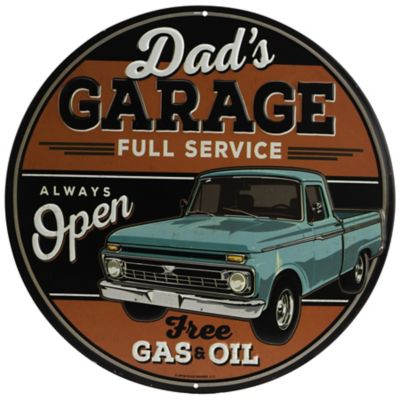
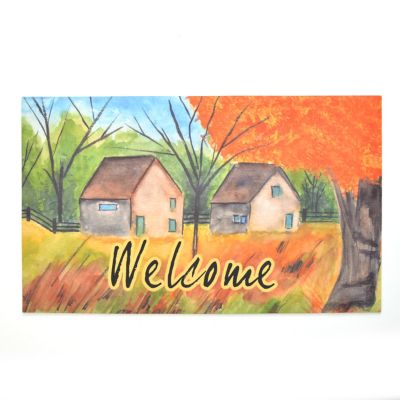
Rustic signs are wall and tabletop accents made from wood, metal, canvas, or a combination of materials, often featuring visible grain, distressed finishes, simple lettering, and country-inspired artwork. They bring a lived-in look to farmhouse kitchens, cabin living rooms, front entries, and gathering spaces without making everything feel overly matched. The appeal comes from familiar details: the look of a barn board, the outline of a favorite farm animal, or a few plainspoken words that feel right at home beside a pair of work boots. Wood signs tend to bring warmth and texture, especially when knots, grain patterns, or plank-style construction remain visible. Metal signs offer a different character, with stamped, printed, or embossed details that can suit a workshop, mudroom, or ranch office. Canvas offers a softer surface and often works well where bold lettering or an illustrated scene should take the lead. A distressed finish gives a sign an aged appearance, but that appearance does not necessarily mean the material is reclaimed or suitable for outdoor placement. Browns, cream tones, muted greens, charcoal, and faded reds fit easily alongside wood furniture, painted cabinets, leather seating, and galvanized accents. Lettering matters just as much as color. Large block letters feel straightforward and readable, while script lettering lends a softer touch to family-centered spaces. Farm scenes, livestock silhouettes, outdoor pastimes, and welcoming messages all have a place in this style. The best fit is usually something connected to the people who live there, rather than a phrase chosen just to fill an empty wall. A kitchen where everyone gathers for supper calls for a different mood than a workshop where tools have their own place. Rustic wall signs can give each space its own personality while keeping the house feeling connected. Their visual weight also varies: a dark metal panel can feel bold against a light wall, while pale wood and open lettering create a quieter presence beside shelves, photographs, and everyday keepsakes.
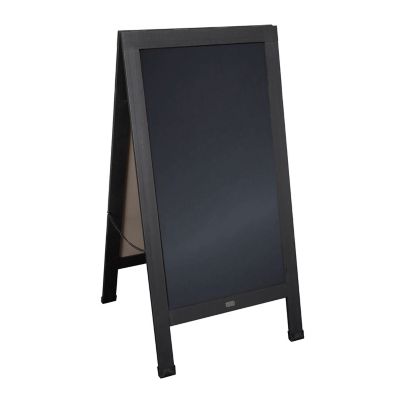
Size, construction, and intended placement make a real difference in how a rustic sign looks and holds up. A broad wall above a bench can carry a larger piece, while the narrow stretch beside a doorway usually suits something smaller. Overall dimensions include the frame, and a thick frame or raised lettering can project farther from the wall than a flat panel. That depth matters in hallways, beside coat hooks, and anywhere people carry feed bags, laundry baskets, or armloads of groceries. Readability depends on viewing distance as well as lettering style; a short message with strong contrast is easier to catch from across a room than several lines of fine script. Weight and mounting hardware deserve the same attention as appearance. Sawtooth hangers, wire backs, keyhole slots, and hanging loops call for different fasteners, and the wall surface needs to support the full weight of the piece. Freestanding signs need a level, steady surface, with enough space that a passing elbow will not send them tipping. Material also affects care and placement. Solid wood can show natural variations, while engineered wood may provide a smoother, more uniform face. Metal may have folded edges, a raised design, or a protective coating, depending on its construction. Canvas needs care that protects both the fabric and the printed surface. Indoor signs belong indoors unless their labeling states otherwise; a covered porch is still an outdoor setting, not the same as a living room wall. An outdoor rating and suitable mounting hardware matter more than a weathered appearance. Routine care generally means gentle dusting and following the maker’s cleaning directions. Some sealed surfaces allow a lightly damp cloth, while unfinished wood, printed paper layers, and fabric surfaces may need a dry approach. Abrasive pads and strong cleaners can damage lettering or change a finish. Secure mounting, protected edges, and a finish suited to the location help a sign stay presentable through everyday household traffic.
Rustic signs work especially well in spaces that already have a purpose and a story. Near the entry, a welcoming message can mark the spot where boots come off and keys land. In a kitchen or dining area, food, family, and farm-life themes feel at ease near a well-worn table. A cabin sitting room might lean toward fishing, wildlife, or simple woodland imagery, while a workshop can carry a bit more humor. Barn offices and tack rooms offer room for horse or livestock themes, provided wall accents stay clear of equipment, working paths, and animal access. The surroundings help determine how much detail a sign needs. A busy wall with bridles, baskets, or open shelving often benefits from a simple shape and a short message. A plain wall can give a larger illustration or framed piece room to stand on its own. For a coordinated look across nearby rooms, repeated colors or related frame finishes can tie different messages together without requiring an exact match. A look through
other signs for the home can help put rustic lettering and artwork in context alongside other styles. These pieces can also make thoughtful gifts for new homeowners, cabin owners, gardeners, horse enthusiasts, and folks who take pride in country living. Housewarmings, birthdays, and retirements are natural occasions for a sign that reflects a shared interest or a familiar saying. For a gift, a readable message, manageable size, and straightforward hanging setup can be more useful than an oversized statement piece that needs a particular wall. Humor lands best when it sounds like the recipient, and sentimental wording means more when it suits the household. A restrained design can settle in beside family photographs or inherited furniture without competing for attention. Whether the setting is a small-town home, a working farm, or a weekend cabin, rustic signs add a personal note through material, message, and placement. The result feels most comfortable when it belongs to everyday life rather than looking like a room arranged only for show.