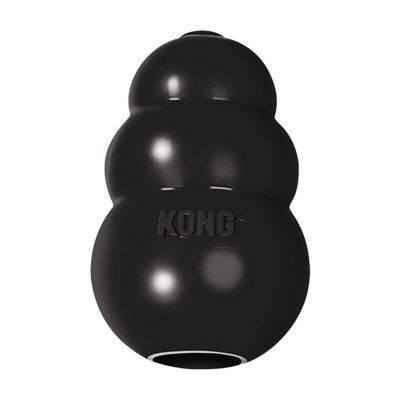
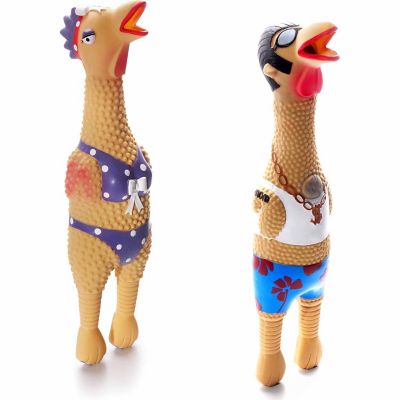
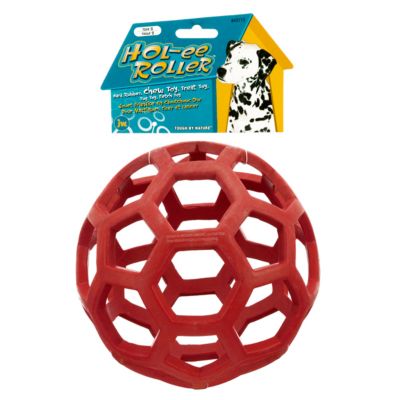
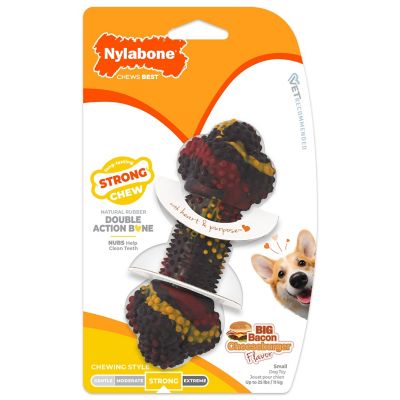
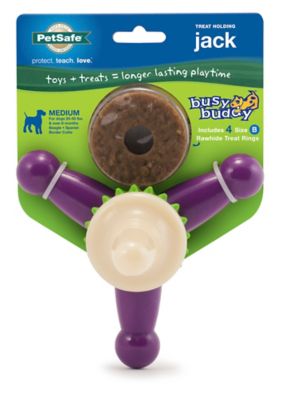
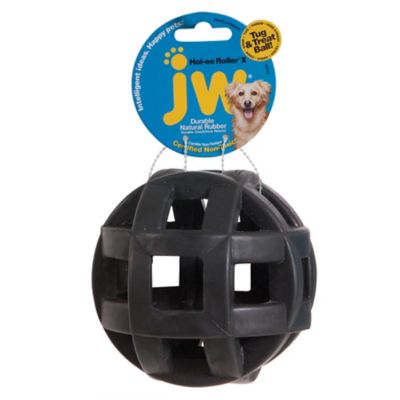
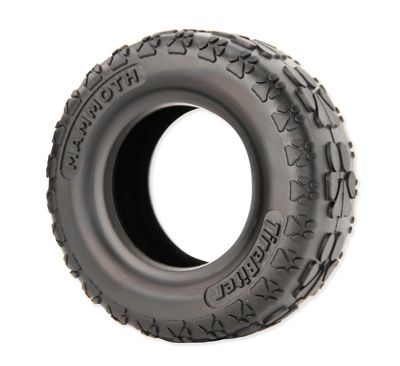
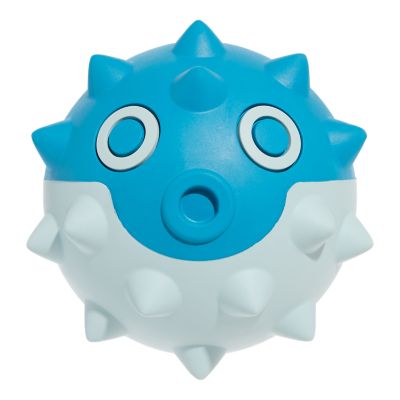
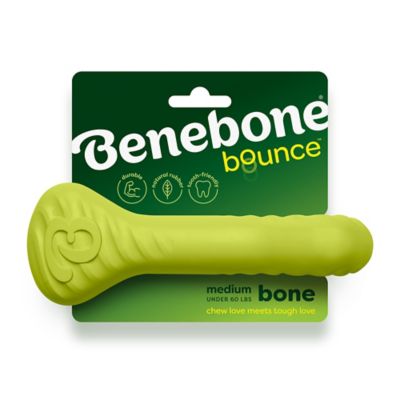
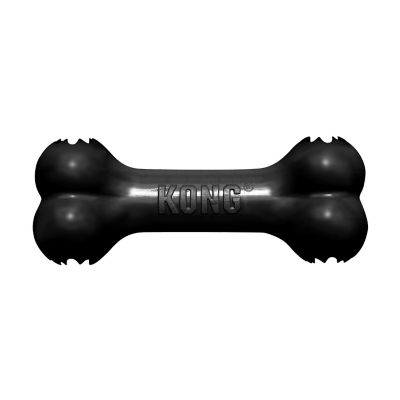
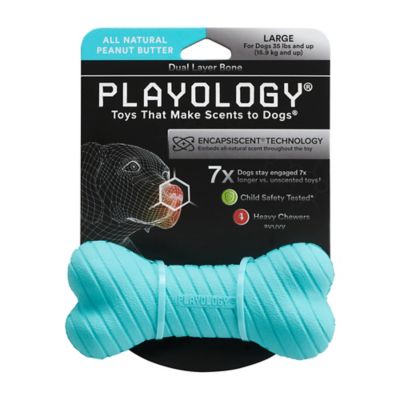
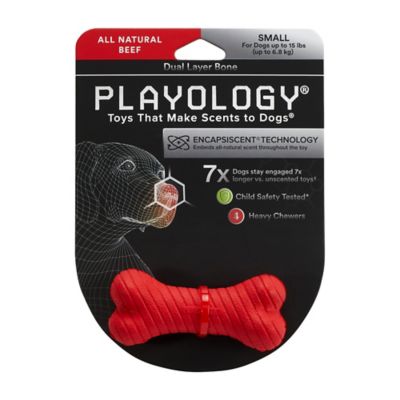
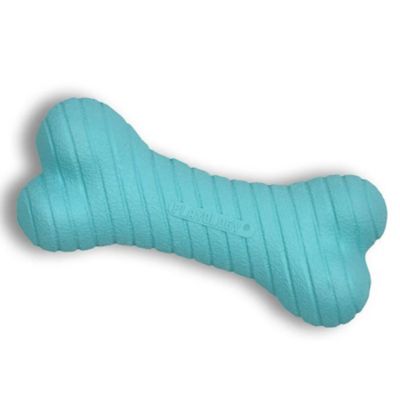
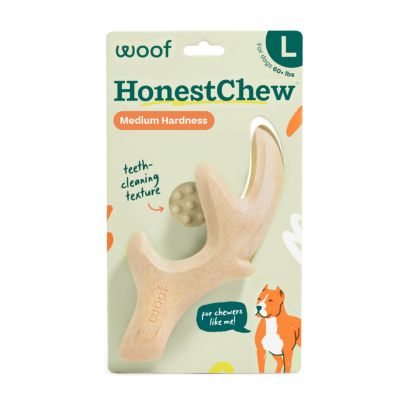
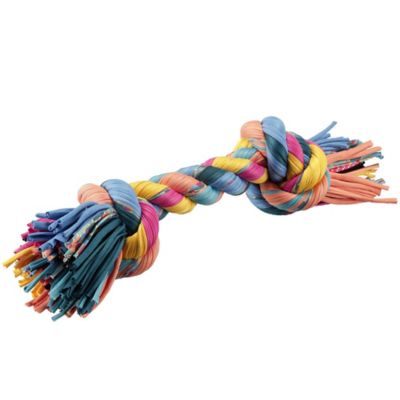
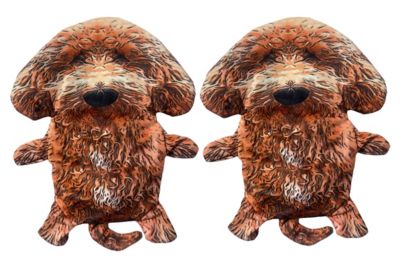
Rubber dog toys for aggressive chewers are built for dogs that put plenty of jaw power into play, with thick walls and firm, flexible materials that can stand up to repeated gnawing. Natural rubber and synthetic rubber blends are common options, but the material name alone does not tell the whole story. Rubber formulas vary in firmness, stretch, and resistance to tearing, so the manufacturer’s chewing-strength recommendations matter as much as the shape. Look for clear material information and a design intended for strong chewers rather than assuming any rubber toy will handle the job. A black finish does not automatically mean tougher construction, and a “non-toxic” label does not mean a toy is safe to swallow. No rubber toy is indestructible. Even a heavy, solid-looking piece can lose chunks when a determined dog works the same edge over and over. The term “aggressive chewer” describes chewing strength and persistence, not a dog’s temperament; a gentle companion can still make short work of a toy. Choosing the right fit starts with the dog’s weight, mouth size, and chewing habits. Follow the size range on the label, then consider whether the dog could fit the entire toy inside its mouth or bite through a narrow section. A toy should be large enough to avoid easy swallowing without being so oversized or heavy that carrying it becomes awkward. A broad-mouthed dog may need a different shape than a dog of similar weight with a narrower jaw. Watch how the dog chews, too: steady gnawing puts different demands on rubber than clamping down, twisting, or peeling at raised edges. Firm rubber with some give may offer a better balance than an extremely rigid material, but strong chewing can still damage teeth. Dogs with worn teeth, dental work, sore gums, or a history of broken teeth need extra care when choosing firmness. A veterinarian can help narrow that choice. For puppies and older dogs, age-specific recommendations also matter; strong chewing does not make every adult-strength toy a good match.
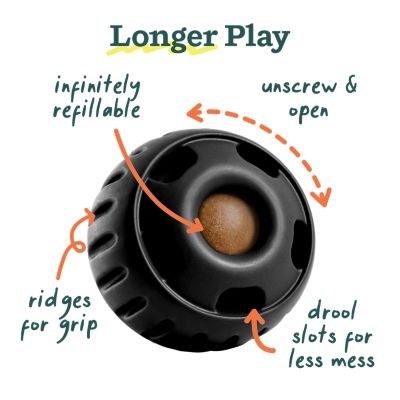
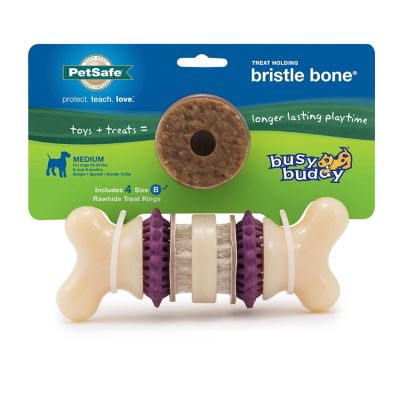
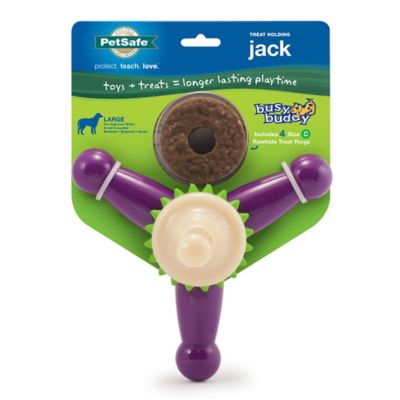
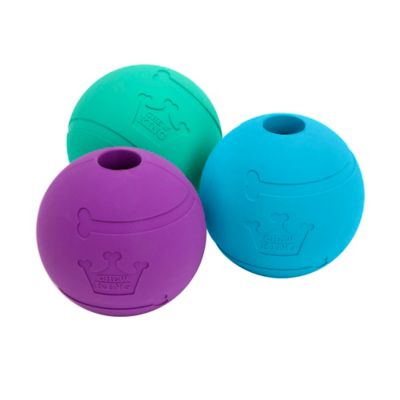
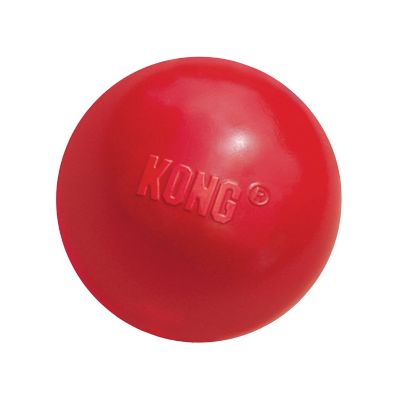
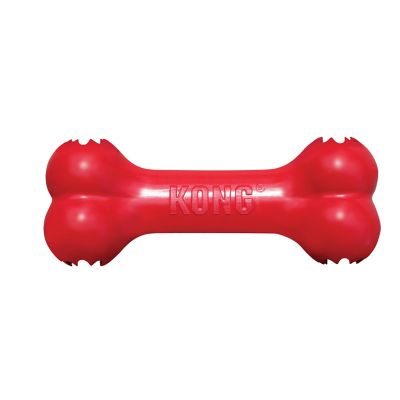
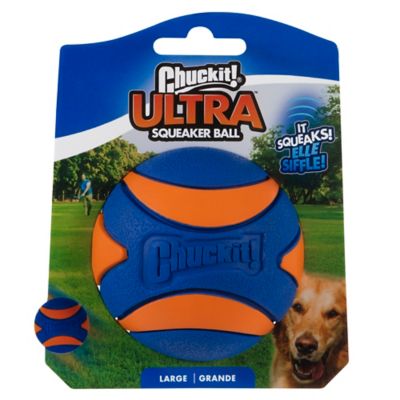
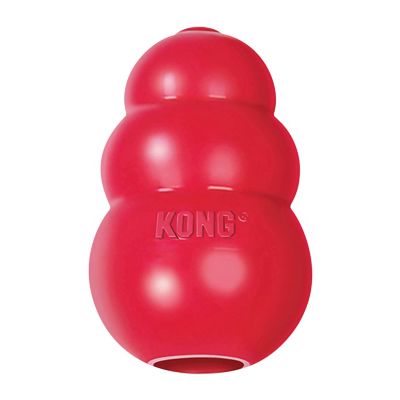
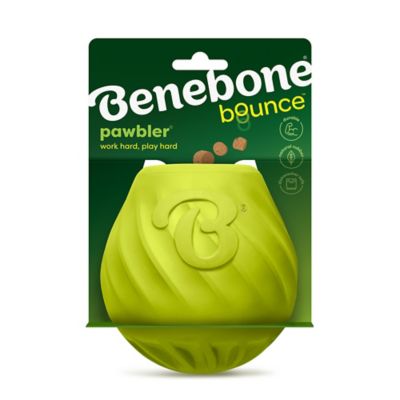
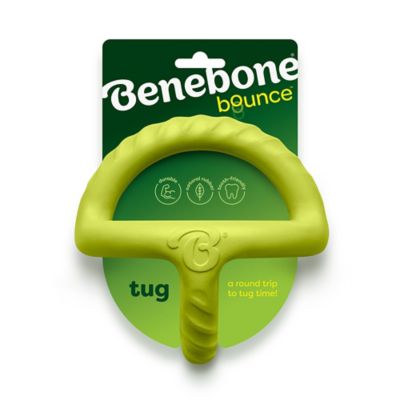
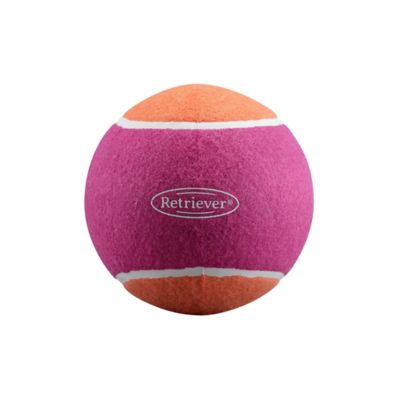
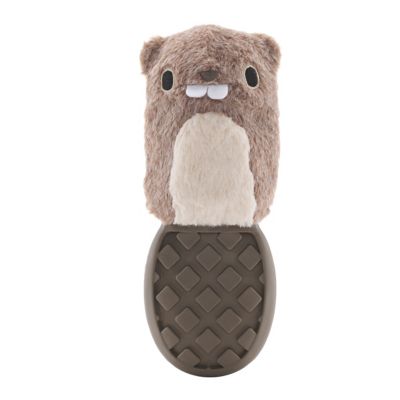
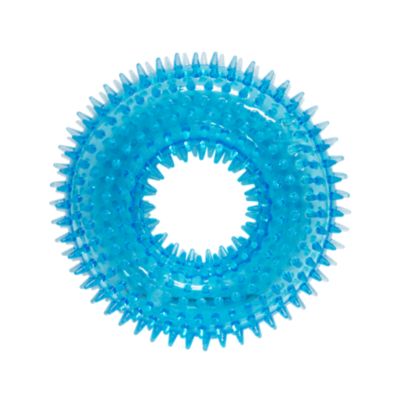
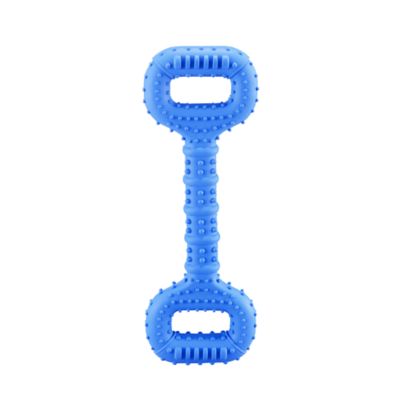
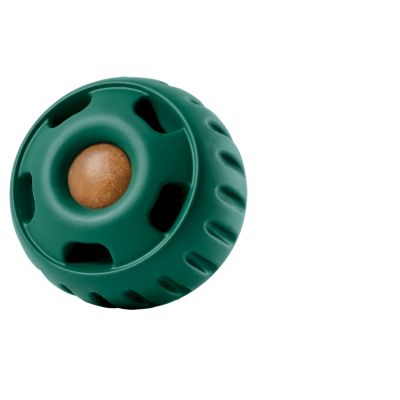
Shape makes a real difference in how rubber dog toys fit into the day. Rounded toys can encourage chasing and carrying, while irregular shapes may bounce in less predictable directions and keep a dog interested during supervised fetch. Long, easy-to-grip shapes can suit carrying or shared play when the manufacturer lists tugging as an intended activity. Thick rings and broad chewing surfaces give dogs room to reposition their mouths, although openings, handles, and narrow connecting sections deserve a close look for the individual dog’s size. Textured surfaces add variety, but raised knobs and thin ridges may become the first spots a persistent chewer pulls apart. A simpler shape can be easier to inspect and clean, especially when a dog likes to park on a mat and work one corner for a good long spell. Treat-dispensing rubber toys add another kind of activity by making a dog nudge, roll, or lick to reach food. They can help turn part of a regular meal into a slower, more engaging task, provided the opening and difficulty level suit the dog. Start with an easy setup so the reward is reachable rather than frustrating, and count fillings toward the day’s food intake. Check ingredients for dietary restrictions, and keep anything containing xylitol away from dogs. Hollow designs need inspection inside as well as outside, since food can hide small tears or collect in hard-to-reach spaces. Match each toy to its intended job instead of expecting one shape to handle fetch, tugging, food puzzles, and long chewing sessions equally well. A dog coming in after a walk around the property might enjoy a short game of fetch before settling down with a supervised chewing activity near the family. Rubber toys can provide an outlet for normal chewing and add interest to that routine, but they do not replace exercise, training, companionship, or dental care. Children should have adult supervision around play, particularly with a strong dog that gets excited when a toy comes out.
Regular inspection and straightforward cleaning help keep rubber chew toys ready for the next round. Check a new toy before the first play session, and stay close enough to see how the dog handles it. Some dogs settle into slow chewing; others immediately hunt for a seam, lip, or opening they can pull apart. End the session if the dog starts tearing off pieces, and take the toy away when cracks, missing chunks, deep splits, or loose sections appear. Do not leave a damaged toy down just because most of it still looks intact. If pieces go missing and swallowing is possible, contact a veterinarian for advice, especially if vomiting, appetite changes, or unusual behavior follows. Between sessions, follow the care directions rather than assuming every rubber formula can go through the dishwasher. Warm water, a mild cleaning product approved for the toy, and a brush that reaches grooves or food chambers may be enough, followed by thorough rinsing and drying. Store toys away from harsh sunlight, strong heat, and farm or household chemicals. In a home with several dogs, separate chewing spaces can reduce competition, and each dog should have toys sized for its own mouth rather than sharing by default. Putting a few toys away and rotating them can keep familiar shapes interesting while giving each one a chance for cleaning and inspection. When comparing rubber toys with
Dog Chews For Aggressive Chewers, remember that rubber is not meant to be eaten; edible options bring ingredients and calories into the decision. For a gift, ask the dog’s owner about size, chewing style, and feeding restrictions instead of choosing by appearance alone. The best match is one the dog can handle comfortably, enjoy under supervision, and keep chewing without quickly tearing it apart.