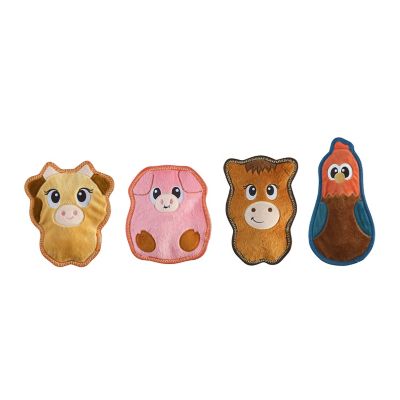
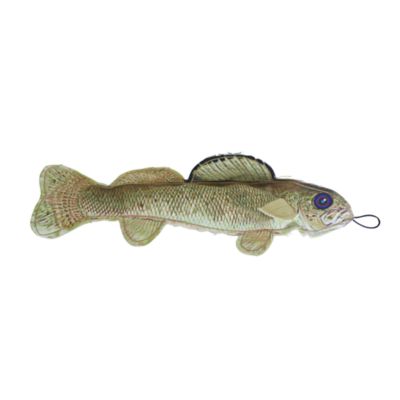
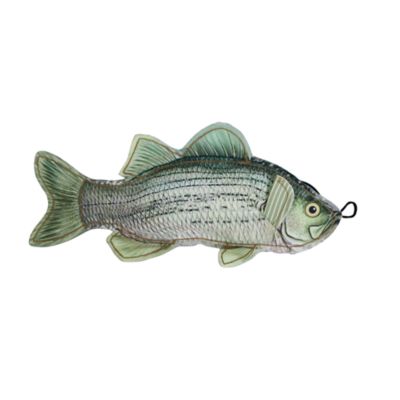
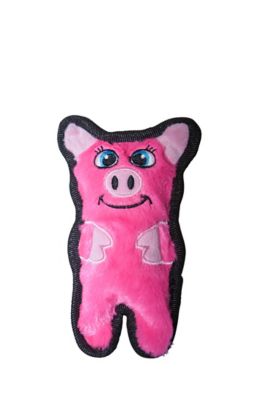
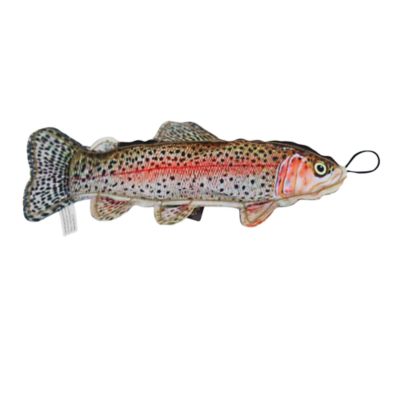
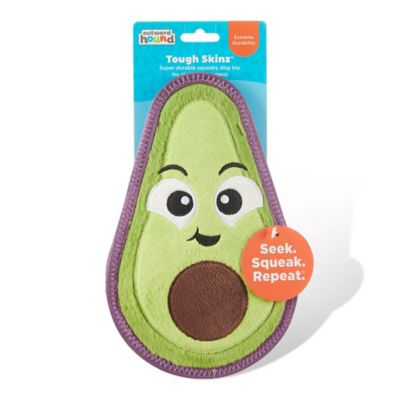
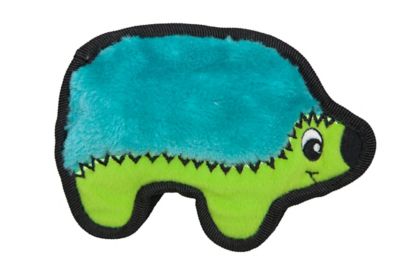
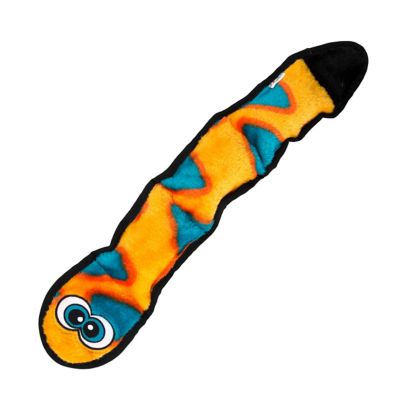
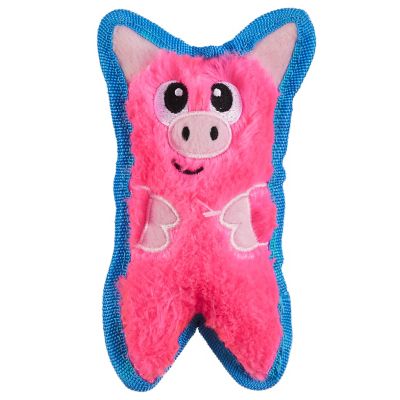
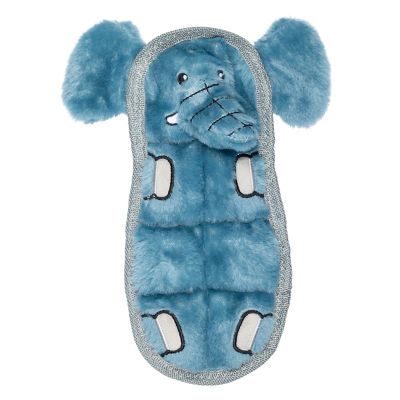
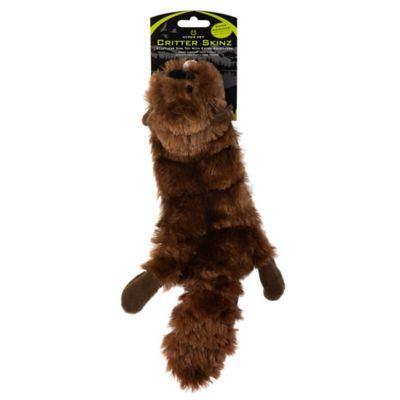
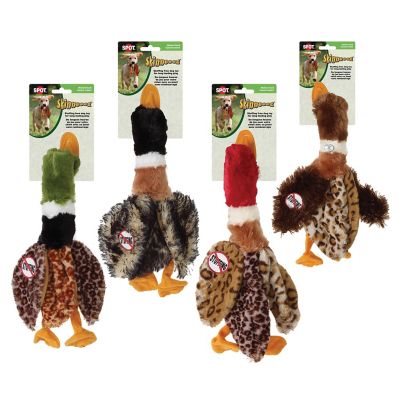
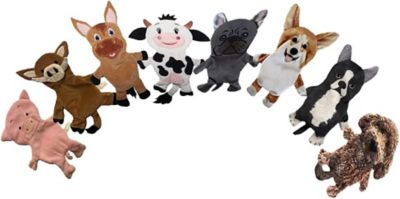
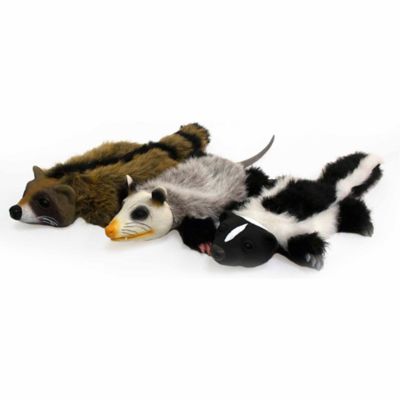
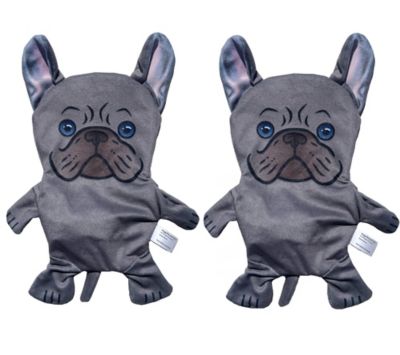
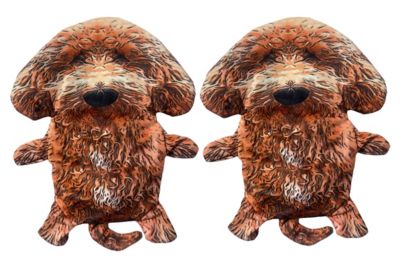
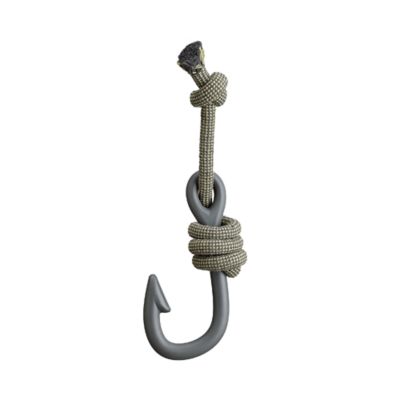
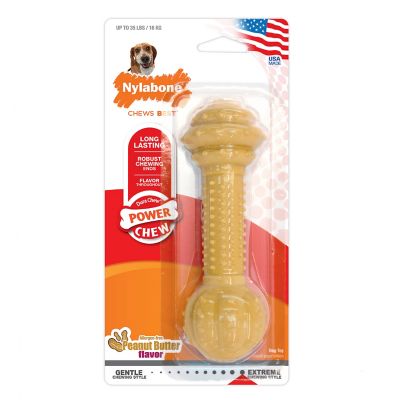
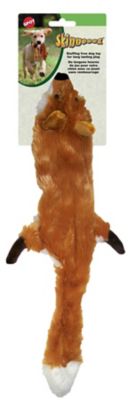
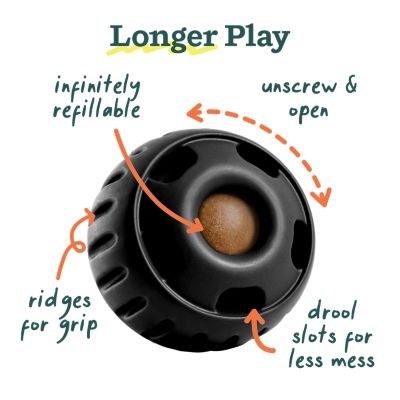
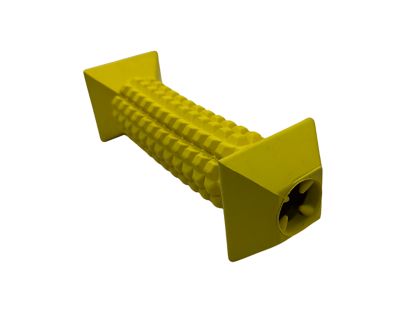
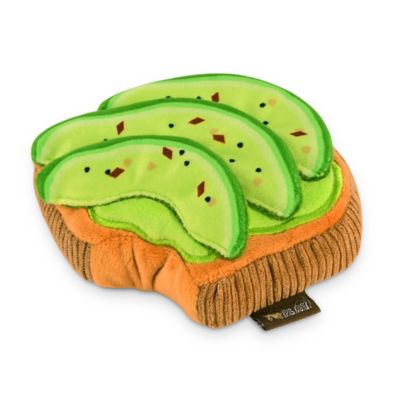
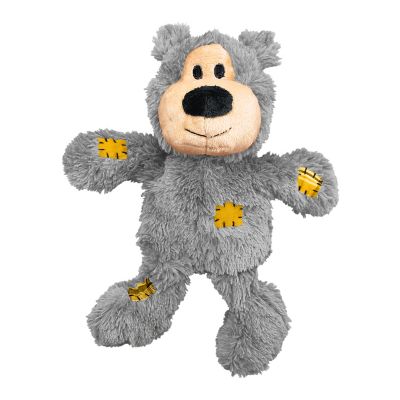
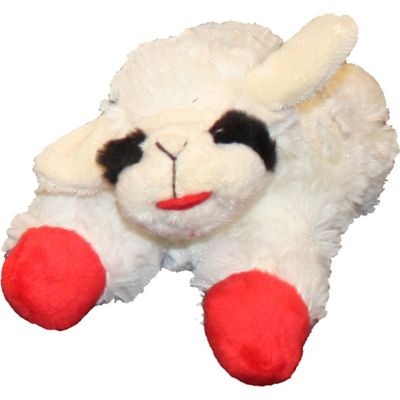
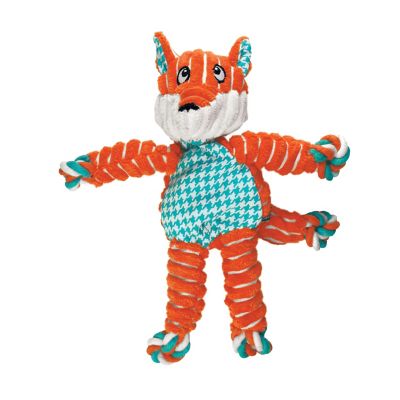
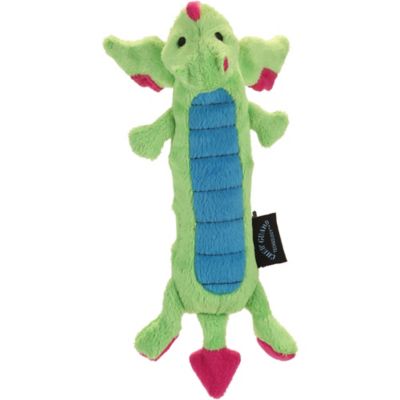
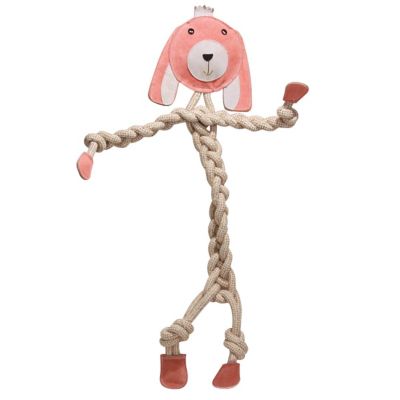
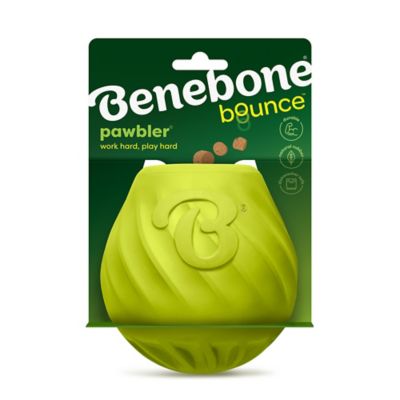
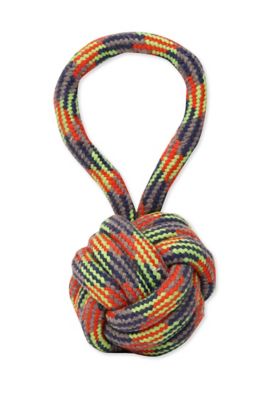
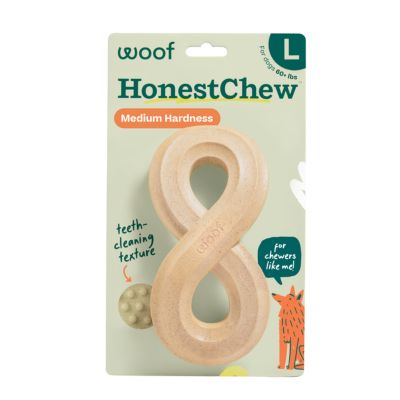
No stuffing dog toys for aggressive chewers leave out the loose filling found inside many plush toys, which can mean less fluff scattered across the rug after playtime. That construction does not make a toy chew-proof, though. An unstuffed fabric toy still has an outer shell that a determined dog can tear, and some designs contain squeakers, crinkle material, or other parts that can become a swallowing hazard. The best match depends on what a dog actually does with a toy: carrying it from room to room is a different job than pinning it between two paws and working at one seam. Flat, flexible fabric shapes suit dogs that enjoy fetching, shaking, and carrying soft toys, provided they do not tear off or swallow pieces. For dogs that quickly shred fabric, a rubber chew toy designed for strong chewers may be a better fit than an unstuffed plush option. Nylon is another common chew-toy material, but very hard toys can damage teeth, so hardness deserves as much attention as resistance to tearing. No dog toy is indestructible, and no-stuffing construction is not a substitute for supervision. Think of this category as a way to narrow the search by construction, then match the material and intended use to the dog. A big farm dog that gently carries a soft toy back to the porch may treat it more carefully than a smaller terrier that goes straight for the stitching. Body size helps determine fit, but chewing habits tell more of the story. Dogs that enjoy the feel of fabric without pulling it apart can get plenty of play from a stuffing-free shape. Dogs that routinely dismantle toys need a different level of resistance, along with close attention to loose pieces. Less filling can simplify cleanup, but the outer material and the way a dog plays remain the deciding factors.
Materials, seams, and shape all affect how a stuffing-free toy handles everyday play. Fabric options may have woven panels, multiple layers, reinforced edges, or stitching that helps keep sections together. Those details can improve resistance to wear, but a raised seam, narrow tail, or floppy ear can still give a persistent chewer a place to start. A broad, simple shape has fewer small appendages to grab, while a long, flexible shape offers more movement for dogs that like to shake and retrieve. Neither shape is automatically suited to sustained chewing. Squeakers can hold a dog's attention, yet they can also turn a play session into a determined effort to reach the sound-making part inside. For a dog that digs at every squeak, a squeaker-free design removes that particular target without removing the need to watch for damage. Rubber options vary in thickness, flexibility, texture, and construction; the word rubber alone does not tell how well a toy will handle strong jaws. Look for a stated chewing level and size range that fit the dog, rather than choosing only by appearance. A toy should be large enough that the dog cannot swallow it whole, while remaining manageable to pick up and carry. Long or narrow sections also deserve a look because a toy's overall length can make it seem larger than its chewable parts really are. Puppies need a separate fit assessment, since a young dog's mouth and developing teeth are not suited to every adult chew toy.
Puppy Chew Toys for Aggressive Chewers offers a more age-focused place to compare options, with the same need to check size, material, and intended chewing stage. For adult dogs with worn teeth, dental work, or a history of broken teeth, a veterinarian can help determine an appropriate level of firmness. A toy that resists damage is not necessarily gentle on a dog's mouth, and choosing the hardest material is not always the right answer.
Intended use matters just as much as construction when choosing no stuffing dog toys for aggressive chewers. A soft, unstuffed toy can be a good match for supervised fetch across the living room or a carry-around companion for a dog that likes to greet folks with something in its mouth. It may be a poor match for that same dog once the game ends and focused chewing begins. Tug play calls for a toy specifically intended for pulling, with enough room for hands to stay clear of teeth; a long fabric shape alone does not establish that suitability. In a home with several dogs, each dog's size and play style matter, especially when a smaller toy can end up in a larger dog's mouth. Separate play sessions can make supervision simpler and help prevent competition over a favorite toy. After play, check the whole surface, not just the spot the dog usually chews. Open seams, punctures, dangling threads, exposed inserts, missing chunks, and sharp or rough edges are reasons to take a toy out of reach. Removing it at the first sign of damage helps limit access to pieces that could be swallowed. If part of a toy goes missing and swallowing is suspected, contact a veterinarian promptly. Care also varies by material: some fabric toys can go through a washing machine, while others need hand washing, and rubber or nylon toys have their own cleaning directions. Follow the maker's care instructions, rinse away cleaner, and let toys dry fully before returning them to the toy basket. Keeping a few suitable toys in rotation gives each one time for cleaning and inspection without leaving a dog short on play. For a gift to a friend or family member with a strong-chewing dog, knowing the dog's size and habit of shredding or carrying is more helpful than picking the most playful-looking shape. The right stuffing-free toy fits the dog's mouth, the household's play routine, and the kind of attention available during each session—not simply the promise of less mess on the floor.