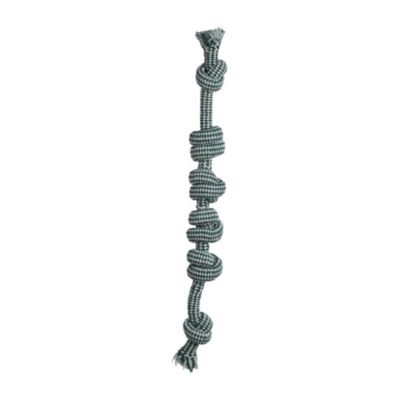
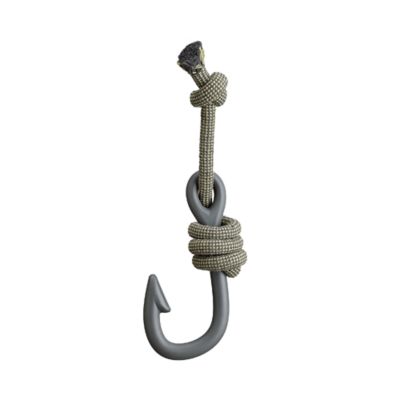
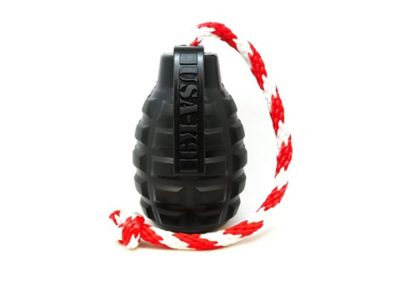
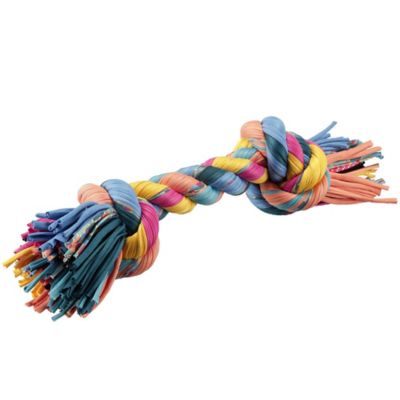
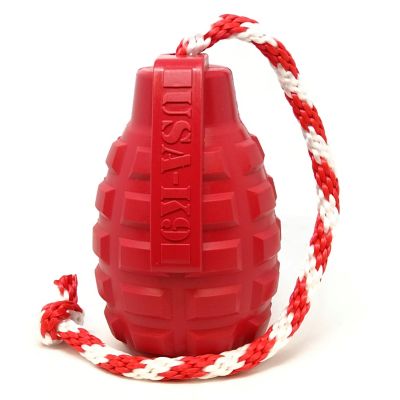
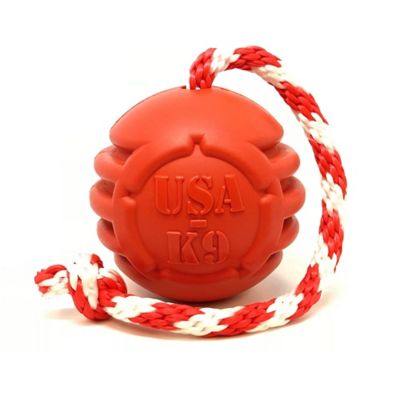
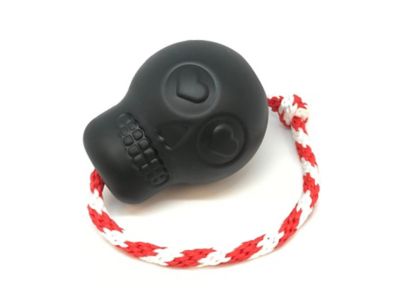
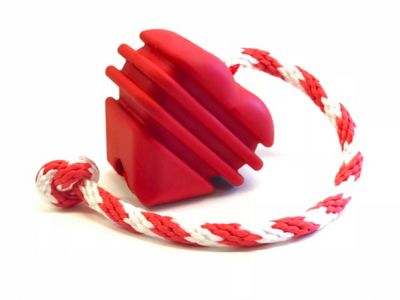
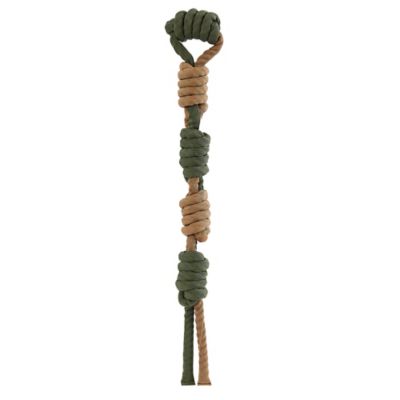
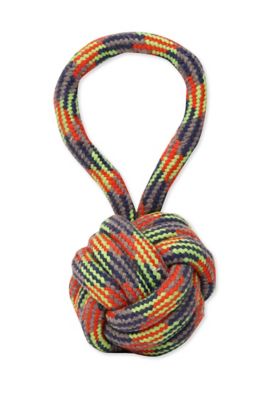
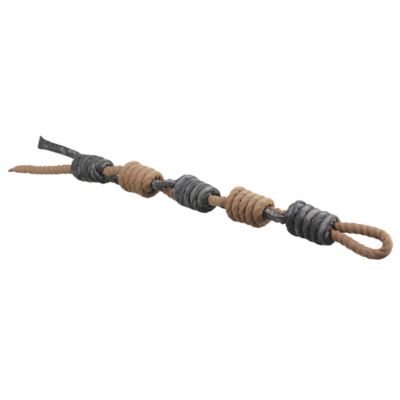
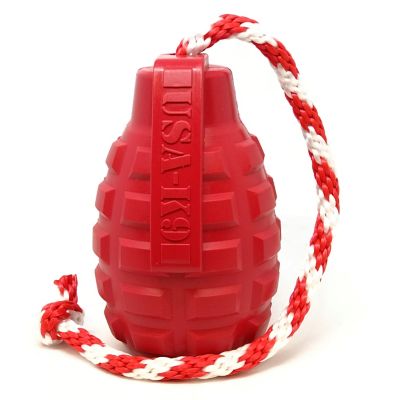
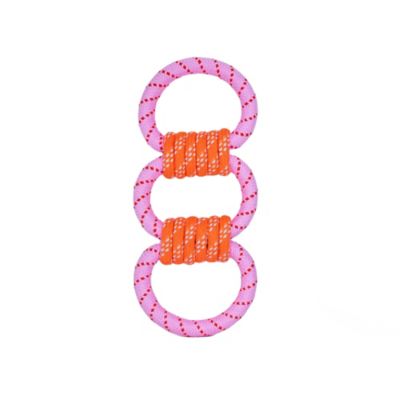
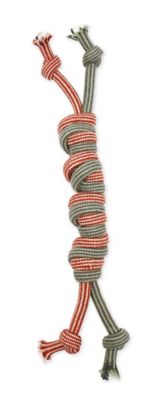
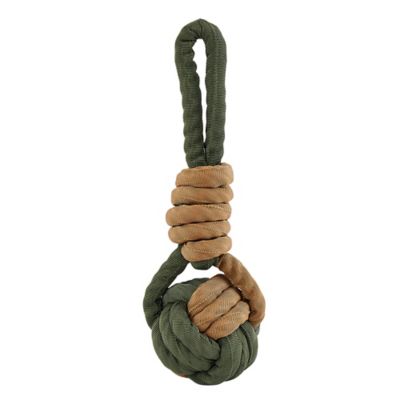
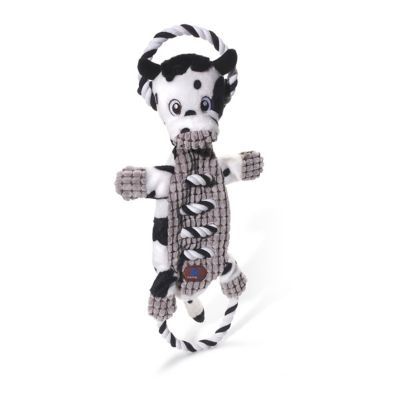
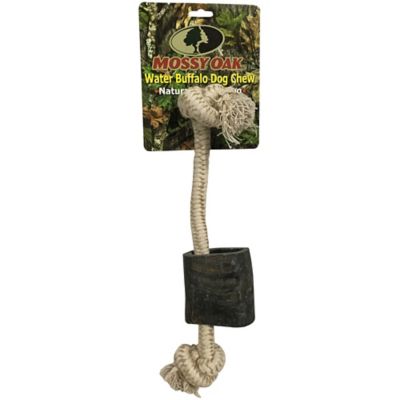
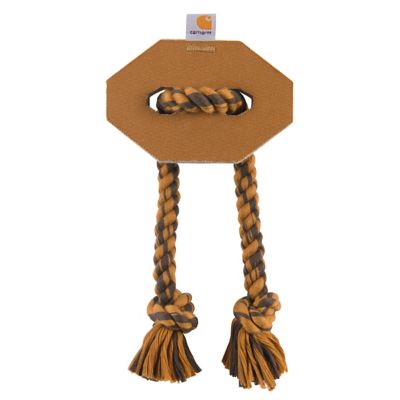
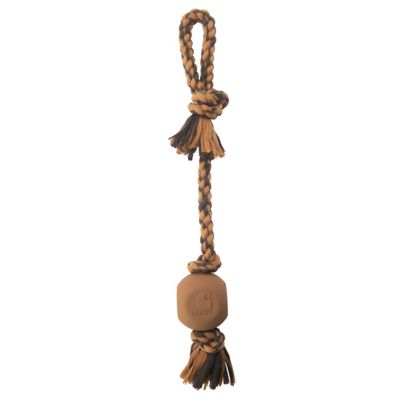
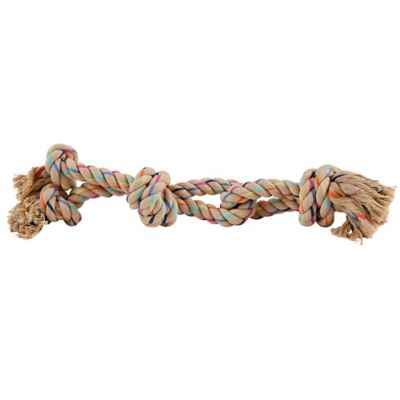
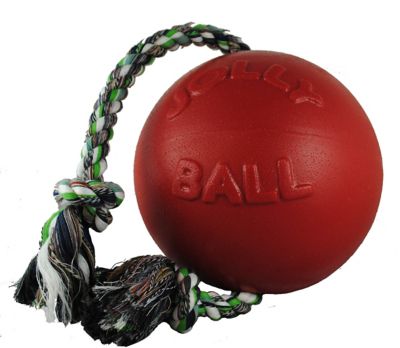
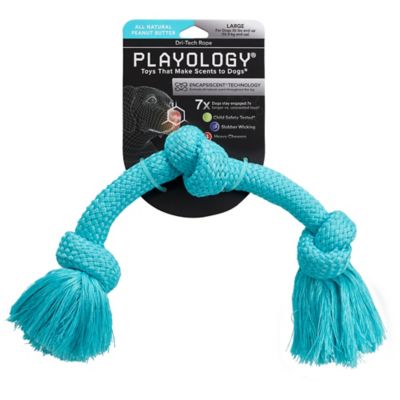
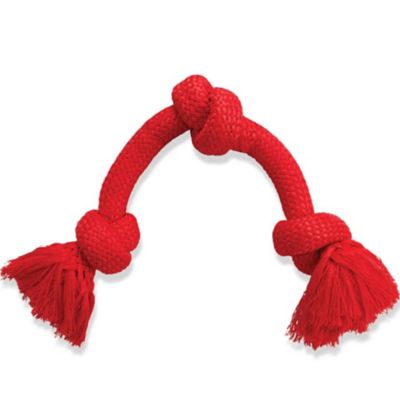
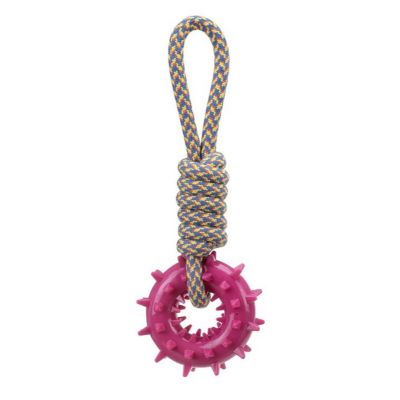
Dog rope toys for aggressive chewers give dogs something to grab, carry and tug during play with their people. For a dog that plants all four paws and leans into a game, the right rope needs more than a big knot at each end. Its thickness, overall length, construction and intended use all matter. An aggressive chewer may grind steadily with the back teeth, pull individual strands loose with the front teeth or shake a toy hard enough to send it across the yard. Those habits make a difference when comparing rope styles. Tightly twisted strands and closely braided sections offer different textures, while knots add places to grip and extra weight for short tosses. Cotton rope generally has a softer feel, and synthetic fibers or blended materials can feel firmer; the material alone does not tell the whole story about how a toy will hold up. Weave, stitching, attachments and the dog’s play style matter, too. A thick rope is not automatically a suitable match for every strong chewer, especially one that makes a project out of unraveling fibers. Size should match the dog’s mouth and the manufacturer’s recommendations, with enough substance that the toy cannot be swallowed whole and enough length to keep hands away from teeth during tug. Oversized knots that force an awkward grip can be a poor fit, just as a narrow rope may be too easy for a larger dog to work apart. For a farm dog waiting while chores wrap up or a house dog ready for some attention after a nap, rope toys can bring a welcome burst of shared activity. Their best role is usually an interactive play toy rather than something left behind for hours of chewing. No rope toy is indestructible, and even a substantial braid needs a person nearby who can spot damage before loose threads become something the dog swallows.
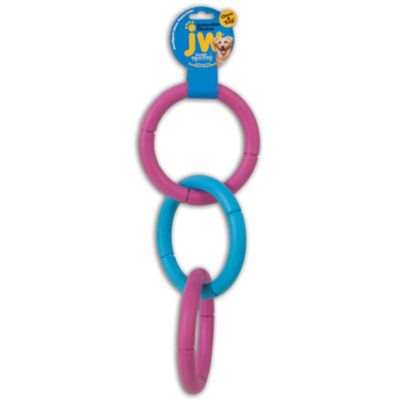
The appeal of rope is in the back-and-forth: a steady pull, a release on cue and another chance to grab hold. Dogs that enjoy carrying something on a walk around the property may like a manageable length with a clear gripping point, while dogs that prefer a close game of tug need room between their mouth and the person’s hand. Longer designs can provide that separation, but extra length also means more rope to drag, catch or unravel. Shapes with loops or multiple knotted sections offer different ways to hold the toy, though every opening and attachment deserves a look for places that could catch a tooth or tighten around part of the body. Tug should stay controlled, with the dog’s feet on the ground and the rope held low enough to avoid lifting or twisting the neck. Hard upward jerks and pulling a dog off the ground put unnecessary strain on the mouth and body. A clear release cue helps keep the game friendly, and trading for a treat can make putting the toy away less of a battle. In homes with several dogs, separate play sessions make it easier to watch each dog’s chewing habits and prevent a tug game from turning into a disagreement over a prized rope. Age matters as much as enthusiasm. A growing puppy with sore gums does not need the same resistance or vigorous pulling as a full-grown dog, even if that puppy attacks every toy with determination. For younger dogs,
Puppy Chew Toys for Aggressive Chewers offers a more age-focused place to browse, with size and chewing stage still worth checking against each toy’s directions. Dogs with loose teeth, mouth pain or recent dental work need a veterinarian’s input before tugging or chewing. Rope texture may appeal to a dog, but it is not a substitute for brushing, dental care or an appropriate plan for existing tooth trouble.
Keeping a rope toy in the play rotation takes regular checks and straightforward care. Saliva, dirt and bits of grass can settle between the strands, especially when a dog carries the same rope from the yard to a favorite resting spot. Cleaning should follow the manufacturer’s directions, since fiber blends, attached sections and stitched areas may have different washing requirements. When washing is permitted, thorough rinsing and complete drying help keep soap residue and trapped moisture out of the next game. A rope that stays damp deep inside a knot needs more drying time before it goes back into the toy basket. Before each play session, look along the full length, separate sections enough to see wear around the knots and check for thinning spots, broken stitching or attachments that have started to loosen. Long loose threads, unraveling ends and missing pieces are reasons to take the toy away, not trim it back and hope for another round. Swallowed rope can cause a serious intestinal blockage, so dogs that pull off and eat fibers are better matched with a different toy material rather than a thicker version of the same rope. Suspected swallowing deserves prompt veterinary advice, particularly if vomiting, loss of appetite, belly pain or unusual tiredness follows. Between games, putting the rope out of reach helps keep supervised play from turning into an unnoticed shredding session under the kitchen table. For someone choosing a gift for a dog-owning friend or family member, knowing the dog’s size, age and chewing habits is more helpful than picking the largest rope on sight. The most useful match is one that suits the way that particular dog plays and the time its person can spend joining in. With sensible sizing, close supervision and a willingness to retire a worn rope, this category fits dogs that enjoy an active game with a person at the other end.