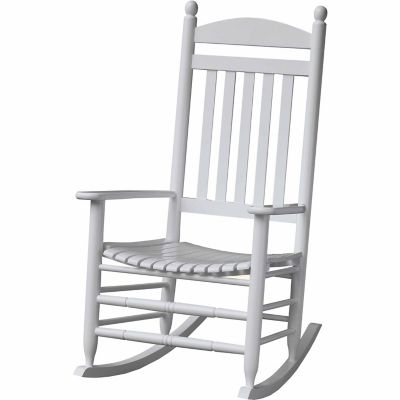
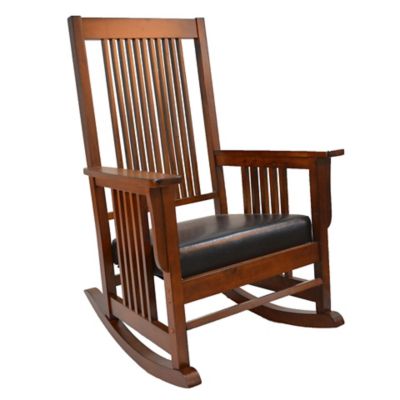
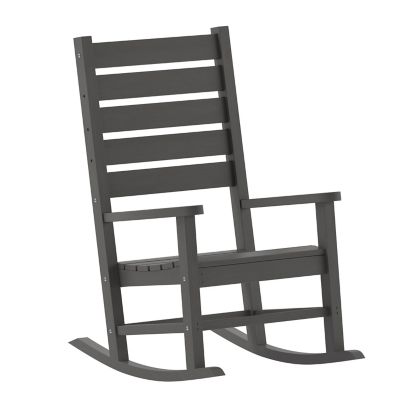
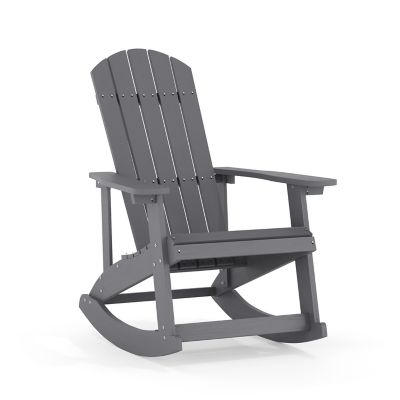
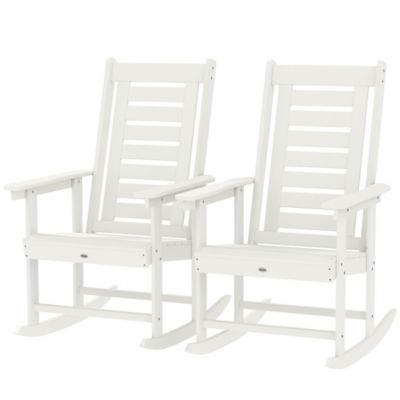
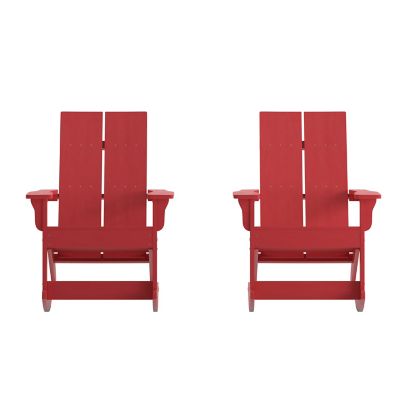
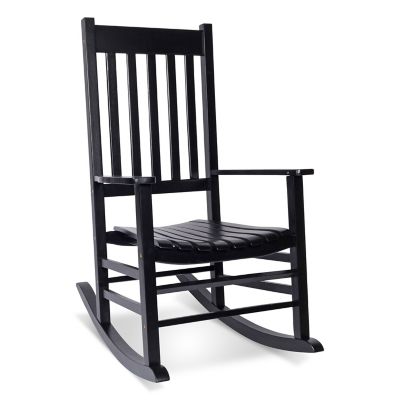
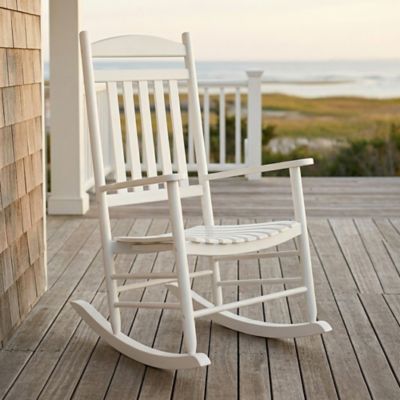
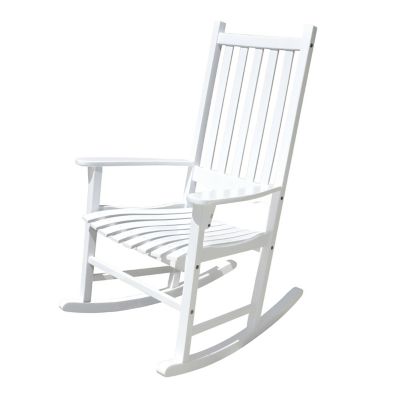
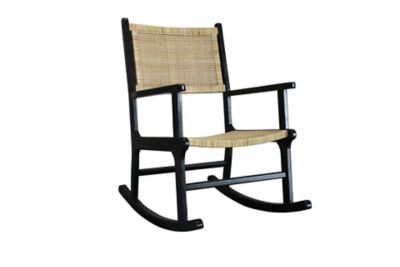
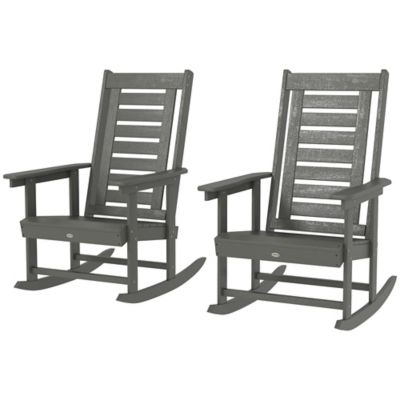
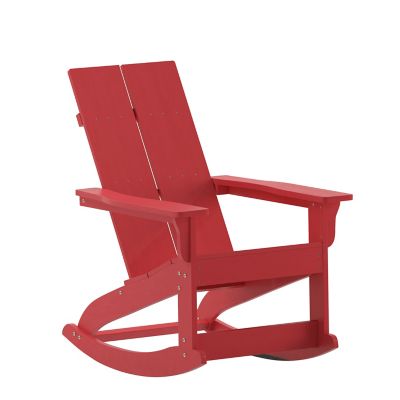
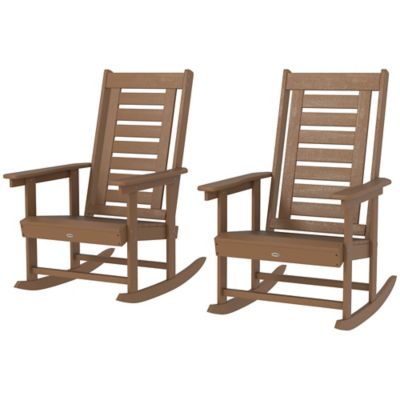
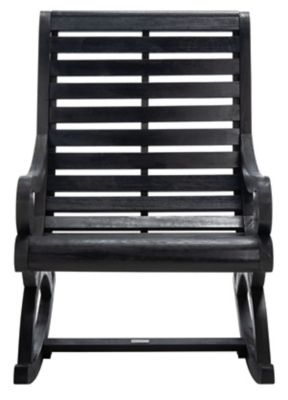
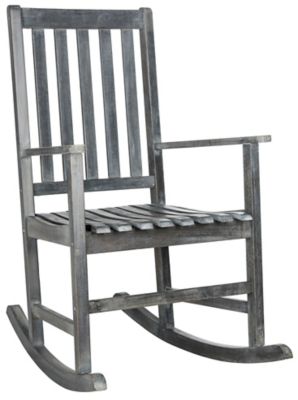
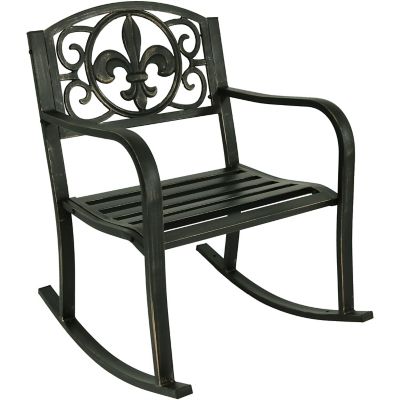
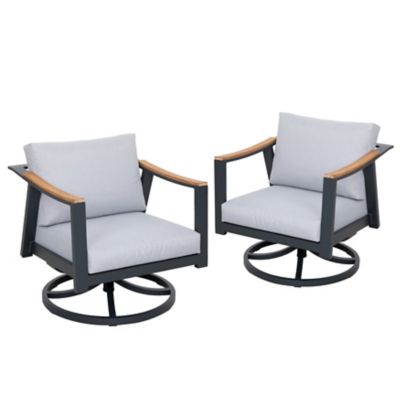
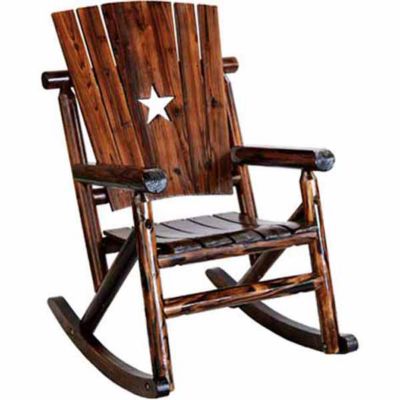
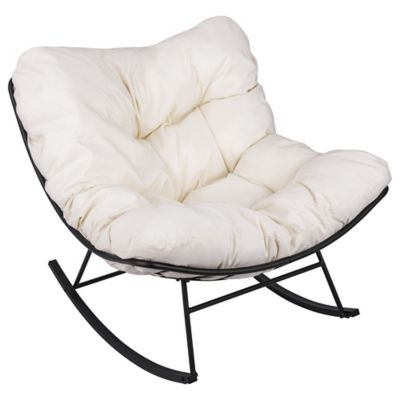
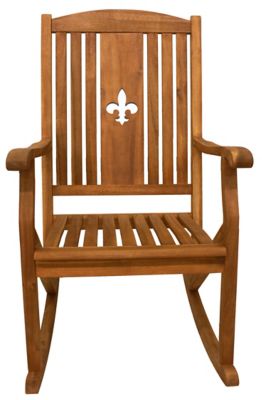
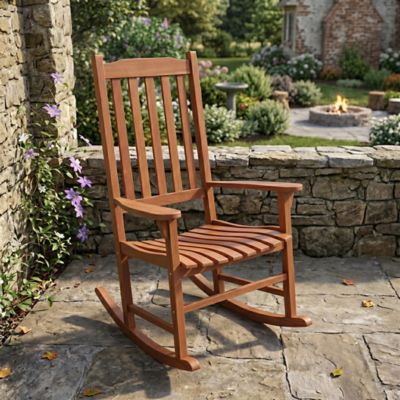
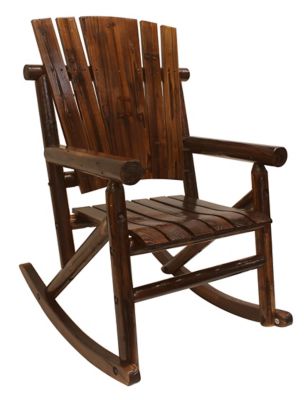
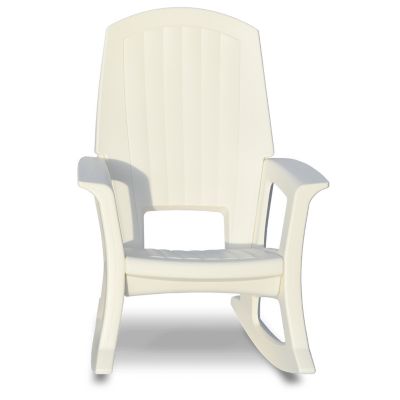
Rocking chairs for living rooms combine a comfortable seat with gentle back-and-forth movement, making them a natural fit for reading, visiting or taking a break after chores. A traditional rocker moves on curved runners beneath the frame, while a glider travels along a track or linkage with a different motion. Some rocking recliners add a reclining back and an extending footrest, and swivel rockers turn toward a conversation or the television without moving the entire chair. Each style has its own footprint and feel, so the best fit depends on both the person sitting down and the room around them. A straight-backed wooden rocker offers a more upright seat, while a cushioned model with a deeper seat can feel more suited to settling in with a book. High backs provide a place to lean, although head and neck support depend on the chair’s proportions and the sitter’s height. Armrest height matters, too: arms that sit comfortably beneath the elbows make a difference during a long visit or a few chapters before bed. Seat depth should leave room behind the knees, and seat height should allow feet to rest comfortably on the floor. A roomy seat gives a larger person more space, but extra depth is not always comfortable for someone with shorter legs. Published dimensions and weight limits help explain those differences beyond how a chair looks in a photograph. In a smaller living room, a visually open wood frame can feel less crowded than a heavily padded silhouette, though either style still needs enough operating space. Rocking runners need clearance in front and behind, and reclining models may need additional room for the back and footrest. That space should remain clear of walls, tables, cords and busy walking paths. A comfortable living room rocker fits the household’s routines without making everyone else squeeze past it.
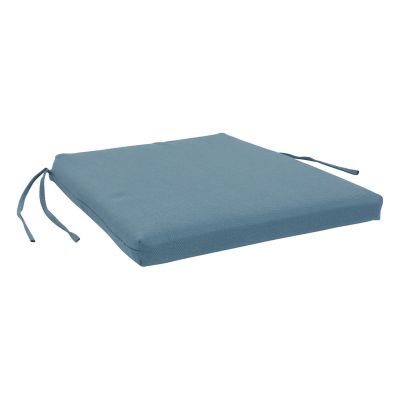
Materials shape the look, feel and upkeep of indoor rocking chairs. Solid wood frames bring visible grain and a familiar furniture feel, with differences in color, weight and grain pattern among woods such as oak, maple and rubberwood. Painted wood can blend with existing trim or cabinetry, while stained finishes let more of the wood’s character show. Bentwood frames have curved lines that can sit comfortably alongside simpler, more modern furniture. Metal components may form part of a gliding, swiveling or reclining mechanism, even when upholstery covers most of the chair. Long-term performance depends on the whole construction, including joints, fasteners, runners and moving parts, rather than appearance alone. Tight connections and care suited to the materials help a rocking chair stay ready for everyday sitting. Upholstered rocking chairs add cushioning at the seat, back and sometimes the arms, with fabrics ranging from textured weaves to smoother surfaces. In a home where pets claim a seat beside the family, fabric texture, visible hair and cleaning instructions deserve attention. Tightly woven upholstery may be easier to brush than a fabric with a deep pile, but stain resistance and cleaning methods vary by material. Removable cushions or covers can simplify some care tasks when their labels permit washing or spot cleaning. Leather and synthetic leather have different care requirements, so neither should be treated with a cleaner meant for the other without checking the instructions. Wood generally benefits from gentle dusting and prompt attention to spills, while harsh cleaners can harm some finishes. Cushion firmness also changes the sitting experience: softer padding lets the sitter sink in, while a firmer seat can make repositioning feel easier. A throw pillow may add lower-back support, provided it does not push the sitter too far forward. For moving mechanisms, the manufacturer’s directions should govern inspection, tightening and any lubrication, with hands, pet tails and children’s fingers kept away from pinch points.
A living room rocking chair can belong in the middle of family life rather than tucked away as an occasional seat. Beside a sofa, it gives guests another place to join the conversation; near a bookcase, it makes a comfortable spot for an evening chapter or a story with a grandchild. A nearby table gives a mug, reading glasses and a book somewhere to land without a long reach, and a floor lamp can bring light to the seat without crowding the armrests. The chair’s full movement should stay clear of both, including lamp bases and table corners. Flooring matters as well. A level surface helps the chair sit as intended, while thick rugs or uneven transitions can change how some rocking bases move. Floor protection should suit both the chair and the flooring, since an added pad or runner covering can affect the rocking action. Within the room, wood tones do not have to match every other piece exactly; a shared color or similar finish can help a rocker feel at home beside an existing coffee table or cabinet. Upholstery can echo a sofa, pick up a color from a rug or provide a quieter contrast to patterned furnishings. Simple wood rockers work well in farmhouse settings, while cushioned shapes can soften a room with substantial wood furniture. For a reader, a grandparent or someone furnishing a first home, a rocking chair can also be a thoughtful gift when seating preferences, room measurements and assembly needs are known beforehand. Delivery access matters for larger chairs, especially where doorways are narrow or stairs turn sharply. Anyone furnishing another gathering spot can also explore
Front Porch Rocking Chairs, keeping indoor and outdoor furniture requirements separate. Inside the living room, the lasting appeal is straightforward: a welcoming seat, an easy rhythm and a comfortable place to spend a little time.