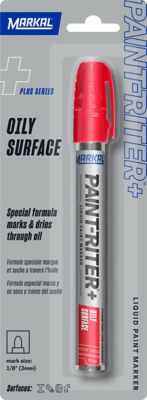
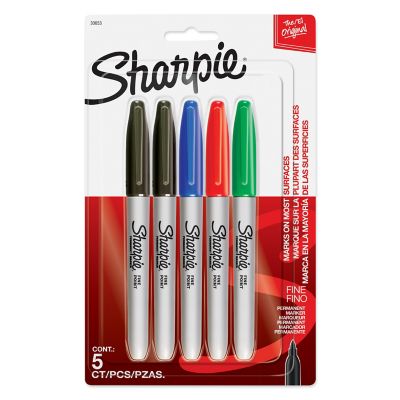
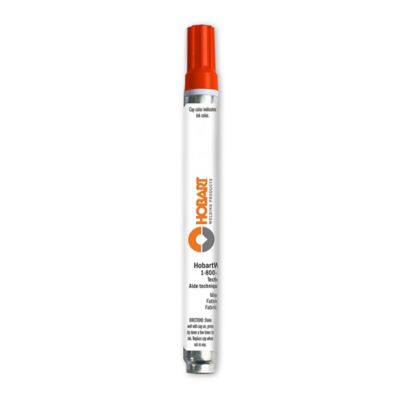
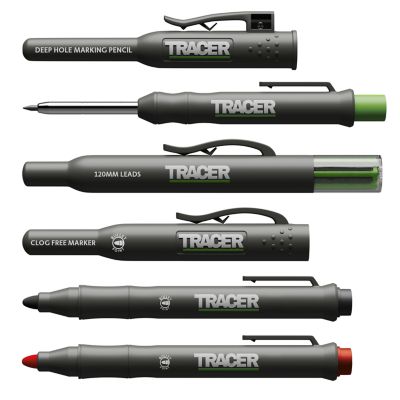
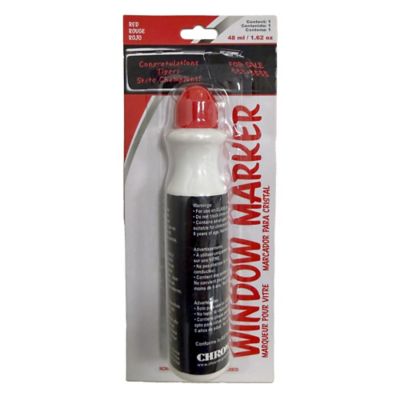
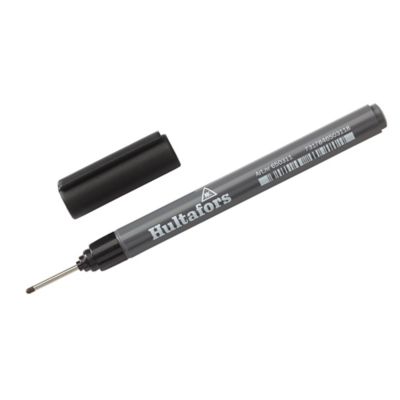
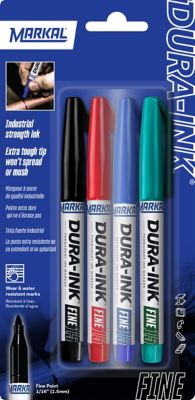
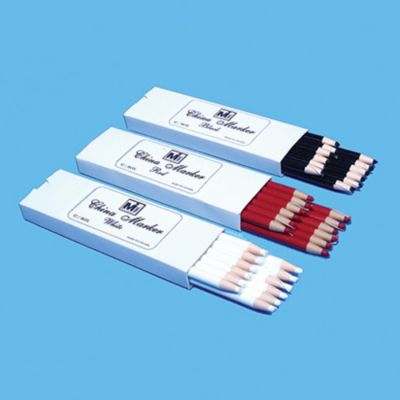
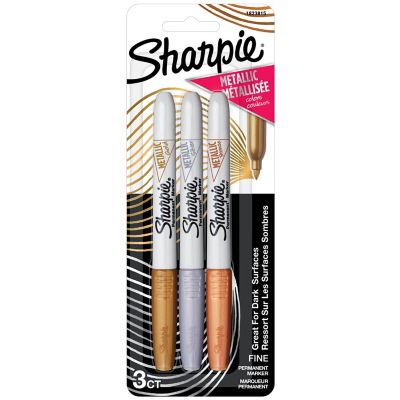
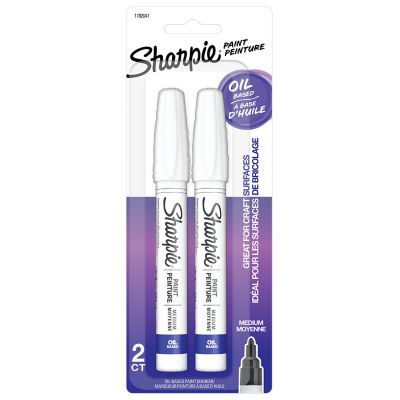
Red permanent markers put a clear, easy-to-spot mark on the everyday jobs that keep a shop, farm office, or household running. Red lettering stands apart from black notes on a packing list, draws attention to a repair reminder, and helps sort containers without reading every label from end to end. On a pale cardboard box or white label, a red mark can make the difference between another stack of supplies and a stack that’s ready for the right shelf. That extra visibility comes in handy for folks managing equipment records, organizing hardware, packing orders, or keeping track of shared storage space. Permanent ink is meant to leave a lasting mark rather than wipe away like dry-erase ink, though its hold depends on the surface and the formula. Paper, cardboard, unfinished wood, metal, glass, and some plastics all take ink differently. Porous materials can absorb it quickly, while a smooth surface may need more drying time and may still allow the mark to rub off under certain conditions. Red also shows up differently against each background: light surfaces generally give it stronger contrast than dark paint, deep-colored plastic, or busy packaging. A clean, dry writing area helps the ink reach the material instead of sitting on dust, grease, or moisture. For painted finishes, specialty plastics, or anything worth keeping spotless, a small test in an out-of-sight spot can help reveal staining, spreading, or trouble with adhesion. A separate label is often a better fit when a container’s purpose may change later. That gives the red lettering a defined place without committing the container itself to a permanent mark. For organizing around the place, the real value is straightforward: clear names, readable dates, and notes that remain easy to find when the workday gets busy. A short red note on a light label can catch the eye without taking up much room, whether it identifies a project box, a parts drawer, or paperwork waiting for another look.
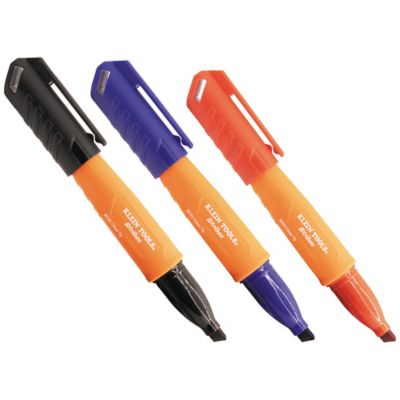
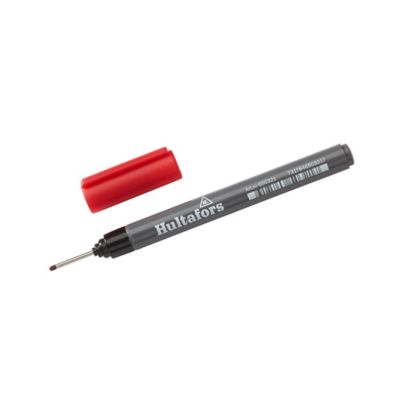
The tip shape has a lot to do with how a red permanent marker feels in hand and how the finished lettering looks. Fine points suit small labels, narrow spaces, and short notes where each letter needs a little breathing room. Extra-fine points can handle tighter writing, although rough cardboard and heavily textured surfaces may be harder on a delicate tip. Broader points lay down thicker lines that are easier to spot across a shelf or workbench. A chisel tip offers a broad face for large lettering and a narrower edge for smaller strokes, making it practical when the same task calls for both a box name and a brief detail underneath. Bullet tips produce a more rounded line and can feel familiar for everyday writing. Many marker barrels are plastic, with a fiber tip that carries ink to the surface; barrel thickness, shape, and grip texture affect comfort during longer labeling sessions. A slimmer barrel may feel natural for detailed notes, while a wider one can be easier to hold for bold lettering. Caps matter, too. A secure closure helps limit drying between tasks, and a cap that seats firmly is worth attention when a marker travels in a tool bag or desk drawer. Pocket clips can help keep a marker close at hand, but the cap still needs to be fully closed before carrying it. Ink drying time, odor, and resistance to smearing vary by formula, so package directions are the best reference for the work ahead. Some inks set quickly on paper yet take longer on slick plastic or glass. Leaving room for that drying time helps keep fresh lettering from transferring to a hand or another surface. Even after the ink feels dry, resistance to water, rubbing, light, or cleaning chemicals depends on the marker and material together. “Permanent” does not mean every mark will last equally well through scrubbing, repeated handling, or contact with solvents, and any stated resistance should match the demands of the job.
Red permanent markers fit naturally into work where a small amount of color makes information easier to sort. In a farm office, red can separate follow-up notes from routine entries or flag paperwork that needs a second look. Around a workbench, it can identify a project container, mark a name on a suitable label, or distinguish one set of storage bins from another. For a small business, clear red lettering can help organize backroom supplies and keep internal notes visible. Teachers, students, homeowners, and people who enjoy making signs or labeling project materials may also appreciate a permanent option for tasks that need more staying power than washable ink. The right surface still matters. Ink can spread through thin paper, so a backing sheet helps protect the table beneath it. Fabric may absorb ink unevenly or allow it to bleed beyond the intended line, and an ordinary permanent marker is not automatically suitable for laundering or clothing labels. Marks on rough wood may feather along the grain, while marks on frequently handled surfaces can gradually wear. Product directions should spell out any specialized suitability, including whether the ink is intended for a particular material. Permanent markers also belong away from food-contact areas unless the labeling expressly allows that use, and they should not stand in for required safety labels or regulated markings. Between jobs, proper storage helps keep the tip ready for the next task: a tightly closed cap and the storage position recommended on the package are sensible basics. Gentle writing pressure also helps preserve the point instead of flattening it against a hard surface. A designated spot in a drawer or on a labeling shelf keeps a marker from disappearing under paperwork just when there’s a stack of boxes to finish. That same attention to a tidy, easy-to-navigate space can extend to the doorway, where
Red Doormats bring another touch of red to the entrance.