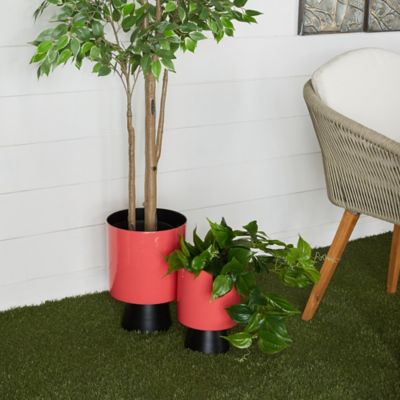
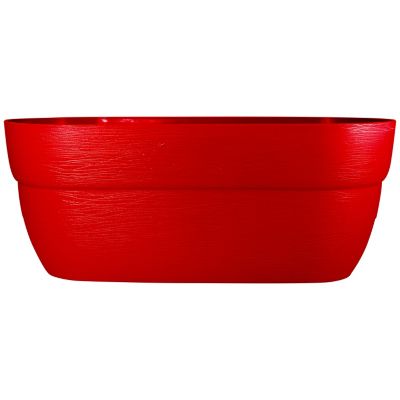
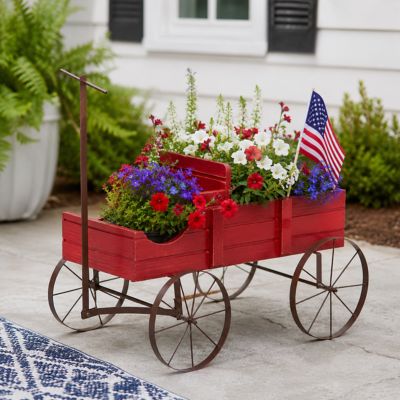
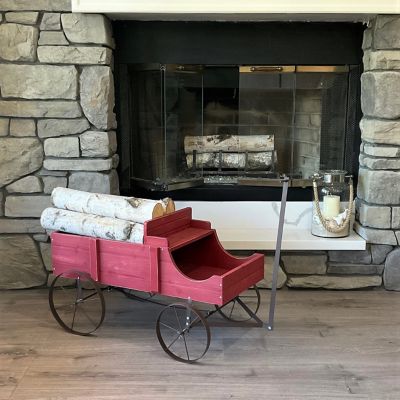
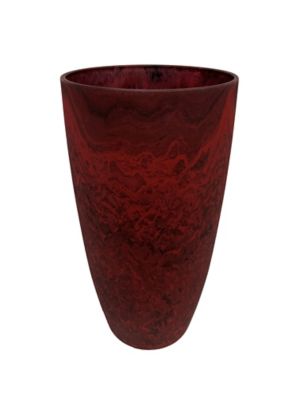
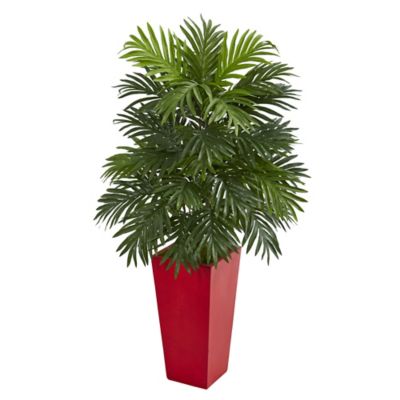
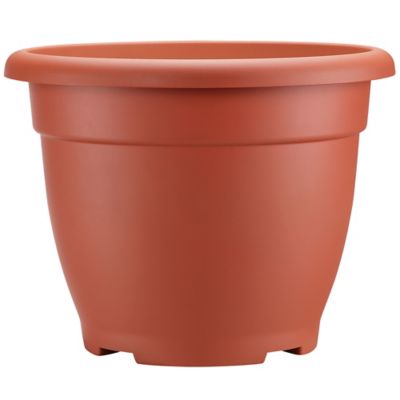
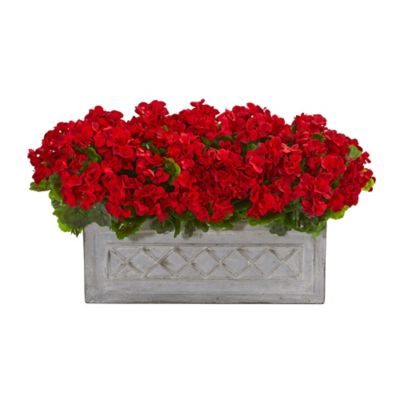
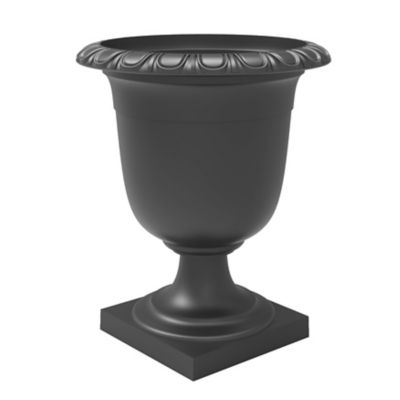
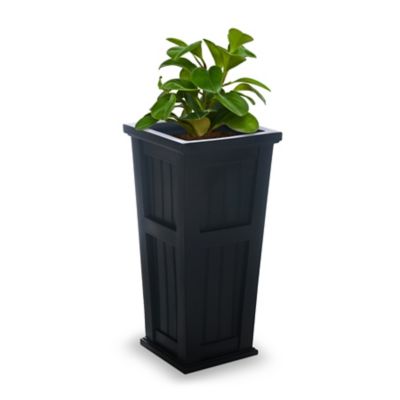
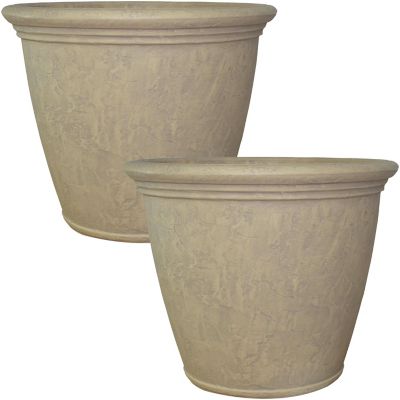
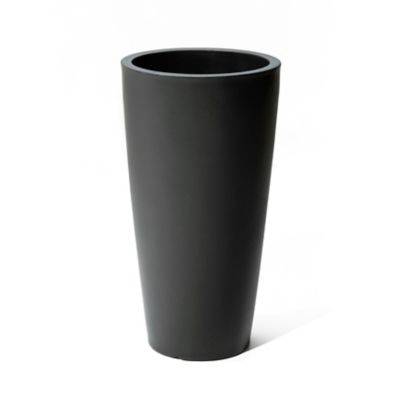
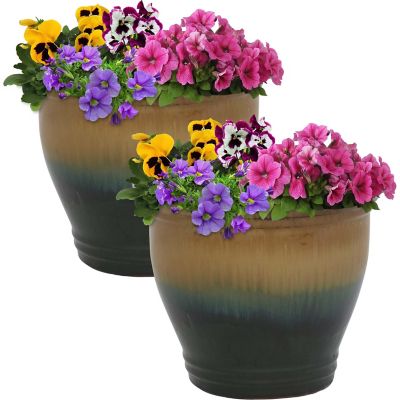
Red outdoor planters bring a welcome splash of color to a porch, patio, garden path or farmhouse entry, giving flowers and greenery a place to stand out without needing a whole new planting bed. A bright red pot can draw the eye toward a front door, while a deeper brick-red finish settles in nicely beside wood siding, stone steps or a gravel walkway. The shade matters as much as the shape: some reds lean orange, others have a brown undertone, and glossy surfaces catch the light differently from matte finishes. Against that red background, green foliage looks especially crisp, white blooms feel fresh and simple, and purple flowers add a stronger contrast. For a quieter arrangement, a single leafy plant lets the container carry most of the color. Tall planters give an entrance a little more presence, broad bowls suit low-growing displays, and rectangular containers can bring a tidy line of planting alongside a patio or fence. Repeating the same red tone across a few containers helps connect separate spaces, even when the pots are different sizes. A pair beside wide steps can frame the approach, while one generously sized container beside a bench makes a comfortable sitting spot feel more finished. The setting still needs room to work, whether that means carrying groceries through the doorway or moving a wheelbarrow along the path. Red containers fit just as naturally around a small back porch as they do beside a roomy country house, especially when their proportions match the space. For a coordinated look beyond the planting area,
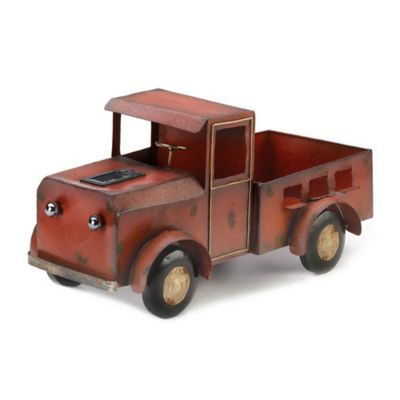
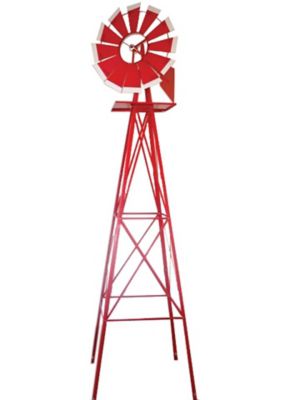
red garden accents can carry that same color along a nearby fence or gathering spot. A little repetition goes a long way; leaving some plain wood, stone or greenery between red elements keeps the whole area from feeling crowded.
Materials make a real difference in how red outdoor planters look, feel and function around the place. Plastic and resin containers generally weigh less than clay or concrete, which can make them easier to reposition before planting. Once a large pot holds damp potting mix, though, even a lightweight container can take some effort to move. Thicker walls, a well-supported base and a rim that feels firm are useful construction details to consider, especially for containers that will be handled often. Unglazed clay has a porous surface that allows moisture to pass through, while glazed ceramic usually holds moisture longer through its sides and offers a smoother finish. Ceramic and concrete bring substantial weight, making placement worth settling before filling. Metal provides another look, from smooth painted surfaces to textured finishes, but its long-term appearance depends partly on the coating and the care it receives. Where a metal container serves as an outer pot, a separate planting liner can help keep soil and moisture from sitting directly against the shell. Whatever the material, a red finish intended for outdoor use is worth checking for, along with the maker’s care directions. Size deserves just as much attention as construction. Exterior measurements show how much space a planter takes up, but interior width and depth determine the room roots actually have. A broad rim, tapered base or raised interior floor can reduce planting space more than a quick glance suggests. Herbs, compact flowers and larger foliage plants have different root habits, so the right fit starts with the plant’s expected size rather than its size at purchase. A tomato plant, for example, needs room for a substantial root system and any support it will require. A shallow bowl is better suited to plants with less demanding roots. Drainage also matters: a container meant for direct planting needs a way for excess water to escape. An outer display pot without drainage can hold a removable nursery pot, provided collected water is emptied rather than left around the roots.
Everyday use is where a well-chosen planter earns its place. Near the kitchen door, a red container filled with herbs puts a handful of fresh leaves within easy reach. Beside a porch chair, a broad pot of flowers brings color close enough to enjoy without taking over the walking space. For gardeners with limited ground to plant, containers make patios and paved areas part of the growing space; for someone tending a larger property, they can concentrate a little planting where it gets seen every day. Taller containers may reduce how far someone needs to bend, although the planting height and reach across the rim still matter. Placement also affects upkeep. Leaving enough room to reach the soil with a watering wand makes routine care simpler, and keeping drainage outlets clear helps prevent standing water. Potting mix formulated for containers generally provides a better balance of air and moisture than soil dug straight from the yard, which can pack tightly inside a pot. Adding stones to the bottom does not replace drainage holes and takes away space that roots could occupy. On wood decking or finished paving, compatible pot feet can provide clearance underneath, while a properly fitted saucer can catch runoff where needed. Saucers still need attention so the planter does not sit in collected water, and containers are best lifted rather than dragged across a surface. Cleaning requirements vary by material and finish, but removing loose soil and following the maker’s washing directions helps keep red surfaces looking their best. Gentle cleaning also makes it easier to spot cracks, loose fittings or damage to a coating before refilling. For a gardening gift, a manageable planter size often makes more sense than an oversized vessel that requires help to move. A red planter can be a thoughtful housewarming gift for someone settling into a place with a porch or patio, particularly when its shape suits the space they have. Whether it holds a simple herb planting or a full flower display, the most satisfying choice balances a color worth showing off with enough root room, practical drainage and care that fits everyday life.