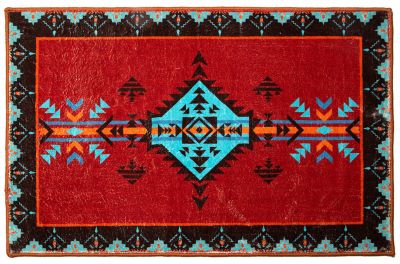
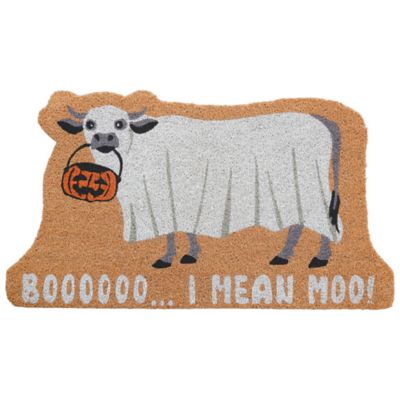
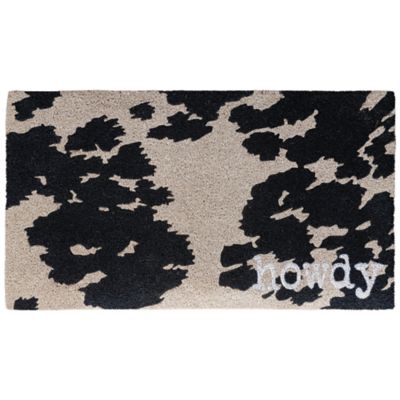
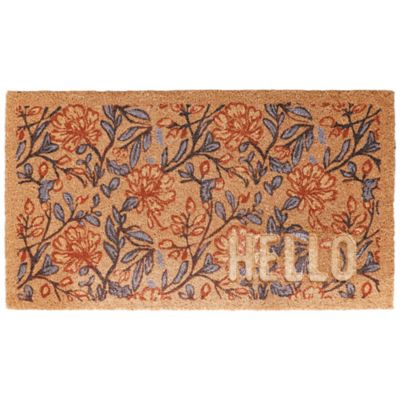
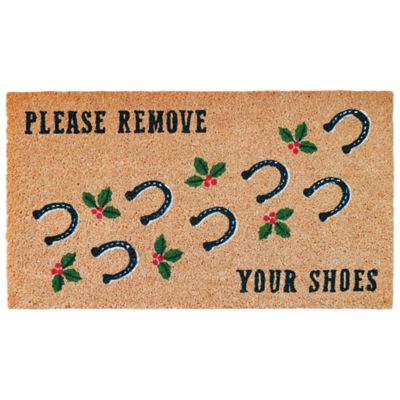
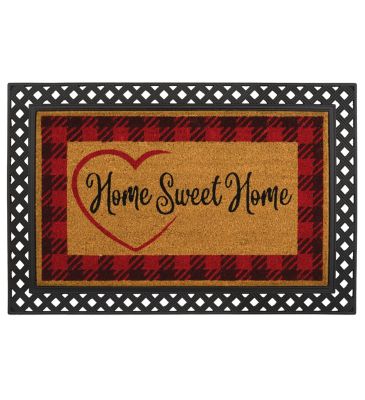
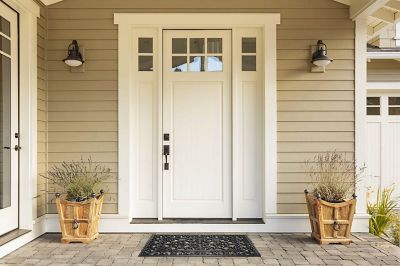
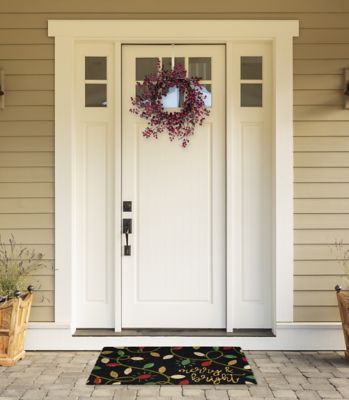
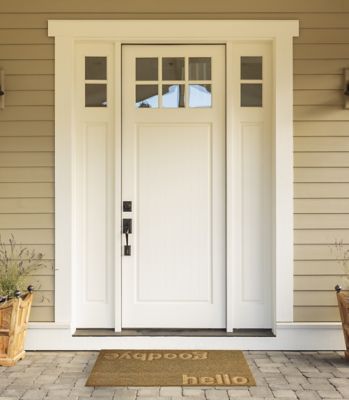
Red doormats add a bold splash of color to an entryway while helping keep tracked-in dirt, grit, and moisture off the floor. That combination makes them a practical finishing touch for front porches, back doors, mudrooms, and entrances between the house and garage. A red mat gives boots and shoes a clear stopping place before anyone heads farther inside, whether the traffic comes from family, visitors, or someone carrying feed back from the barn. Color can set the tone without taking over the whole entrance. Bright red stands out against gray concrete, pale siding, or a dark door, while brick red and burgundy bring a quieter look alongside wood, stone, and earth tones. Solid colors keep things simple; stripes, checks, borders, and lettering add more character. A mat does not have to match the door exactly to look right. Repeating a red accent already found on a planter, bench cushion, or house sign can help the entrance feel pulled together. Size matters just as much as color. A mat should give someone enough room to plant both feet and wipe their soles without stepping off the edge. Wider entrances often look more balanced with a wider mat, while a compact landing needs enough open space for comfortable footing. The full door swing, including any storm or screen door, needs clearance above the mat. A thick surface that catches beneath the door can bunch up or make the entrance harder to navigate. Low-profile edges are worth considering wherever people carry groceries, guide a walker, or move a stroller through the doorway. Placement also changes how much work the mat can do: directly in the walking path, it gets a chance to catch soil; tucked off to one side, it becomes easier to step past. An entry with frequent traffic benefits from a mat sized for real foot wiping, not just the space left beside a flowerpot.
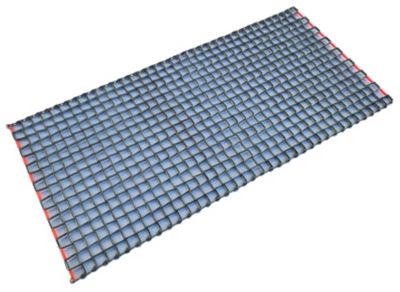
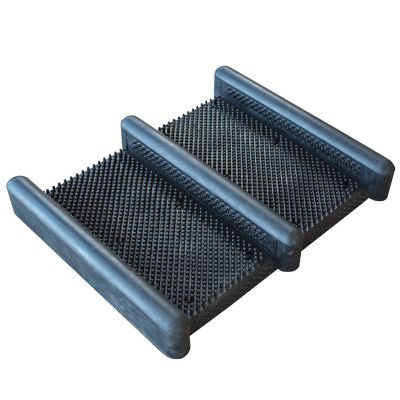
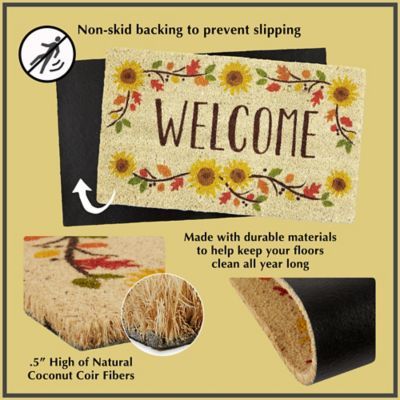
Materials give red doormats different strengths, so the right fit depends on what comes through the door and where the mat will sit. Coir, made from coconut husk fibers, has a coarse texture that helps brush loose dirt from boot treads and shoe soles. Its bristly surface suits entrances where scraping matters, though some fiber shedding is normal, and prolonged dampness can shorten its useful life. Coir generally makes more sense in a protected location unless the care label states otherwise. Rubber mats offer a different feel, with raised patterns or textured surfaces that help loosen debris. Some have openings that let loose soil fall through, which means the area underneath needs attention along with the mat itself. Solid rubber designs hold that debris on top instead. Fabric-faced mats can catch finer dust and hold moisture, with performance depending on the fiber, pile, and backing. Polypropylene and polyester are common synthetic materials, but fiber content alone does not tell the whole story; construction and the stated indoor or outdoor use matter, too. A softer textile surface may feel better beneath stocking feet at an inside entrance, while a coarse scraper belongs where boots first arrive. Pairing an outside scraping mat with an inside wiping mat can help keep gritty tracks from spreading across the mudroom. Backing deserves a close look, especially on smooth concrete, tile, or sealed wood. A slip-resistant backing can help limit movement, but it still needs a clean, compatible surface beneath it and is not a promise against slipping. Thick pile, loose corners, and raised edges can interfere with carts or mobility aids, so a flatter profile may be more practical along a busy route. For households with dogs, a mat that stays flat and releases trapped hair easily can make the back entrance simpler to maintain. Red shades also vary with texture: a bristled surface may look softer and more muted than a smooth printed face. Exposure to sunlight and repeated cleaning can affect color over time, making the care label and intended placement useful parts of the decision.
Regular care helps a red doormat keep doing its job instead of becoming another place for dirt to collect. Loose soil is easier to remove before it gets ground deep into the surface, and the cleaning method should suit the material. Many coir mats respond well to shaking and gentle brushing, while washable rubber designs may allow rinsing. Fabric-faced mats vary widely: some call for vacuuming or spot cleaning, and others permit machine washing under specific directions. A washable label does not automatically mean every detergent, wash cycle, or dryer setting is suitable. Thorough drying matters whenever water enters the cleaning routine, including beneath the mat, where trapped moisture can affect both the backing and the floor. Rubber and other backings can also react with certain floor finishes, so checking compatibility helps prevent an unwelcome mark on a porch or entry floor. Moving the mat during cleaning gives a clear view of hidden grit, damp spots, and wear underneath. Curled edges, cracked backing, thinning fibers, or a surface that no longer releases dirt are signs that the mat may no longer suit the entrance. Appearance still has a place alongside all that practical work. A plain red mat can brighten a hardworking mudroom without making the space feel fussy, while a patterned one can bring a bit of personality to the main entrance. For homes with wood siding, a plank bench, or galvanized accents,
Rustic Doormats offer another entryway style to consider alongside red tones. A doormat can also make a useful housewarming gift for someone settling into a farmhouse, apartment, or first home, especially when the doorway measurements and cleaning preferences are known. The most useful choice fits the landing, clears the door, stays suited to the surface beneath it, and handles the kind of foot traffic that comes through. With those basics covered, red brings a welcoming touch to an entrance that still has plenty of everyday work to do.