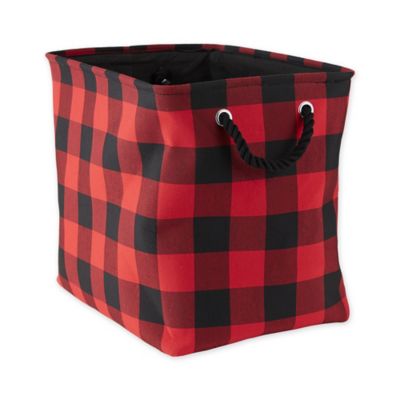
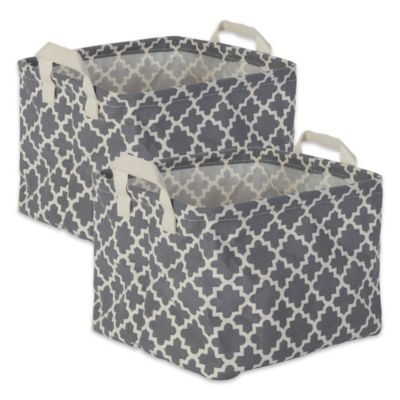
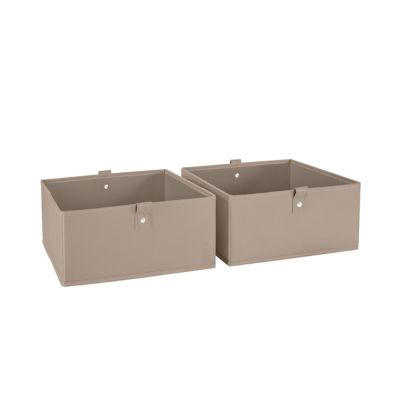
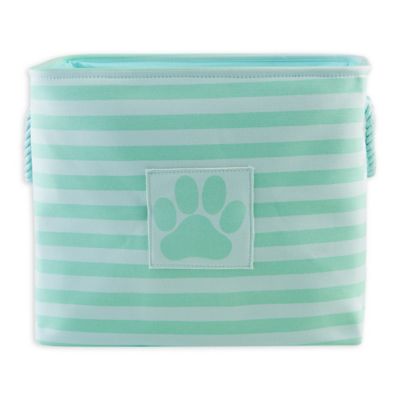
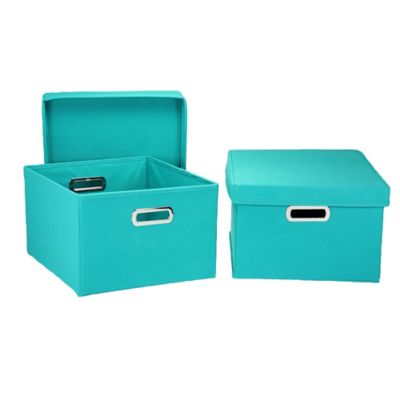
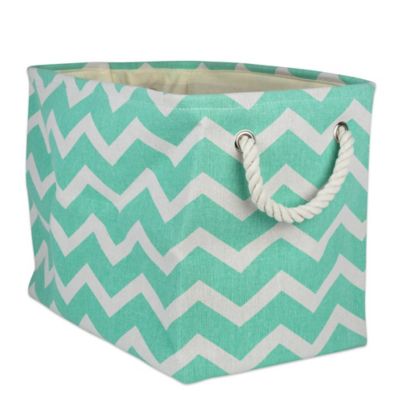
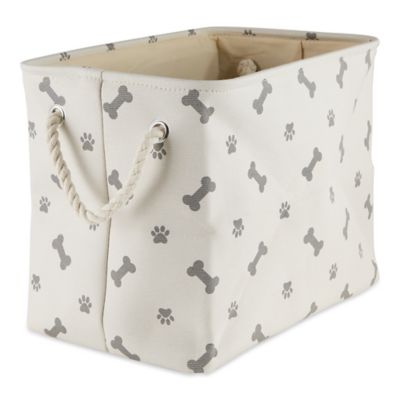
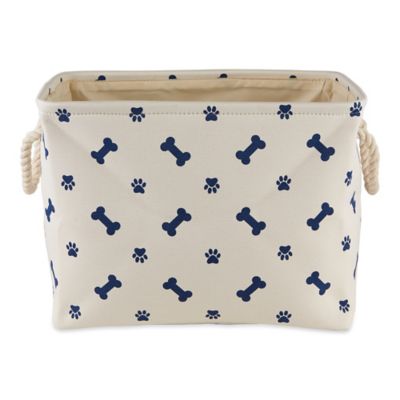
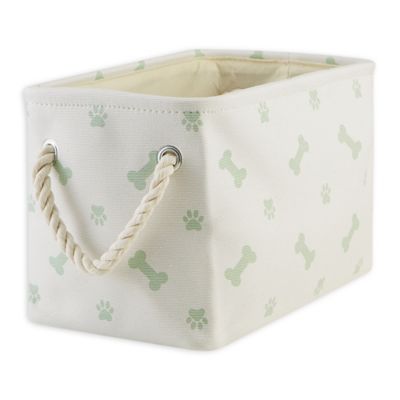
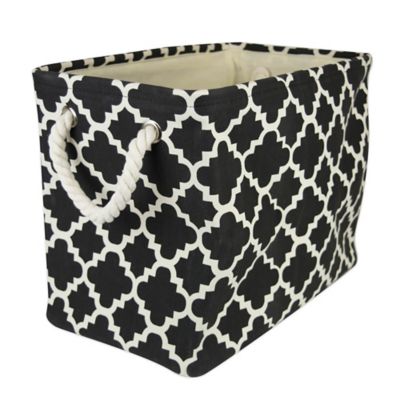
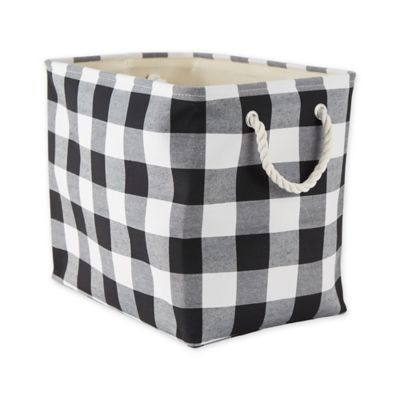
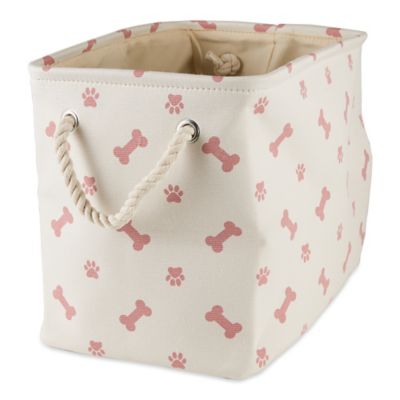
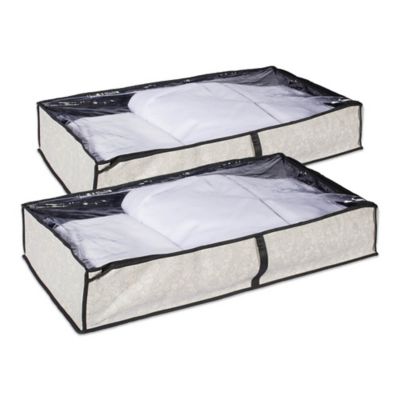
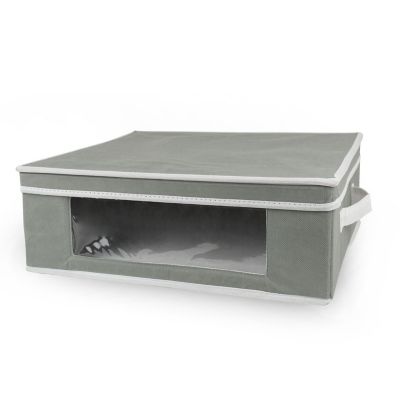
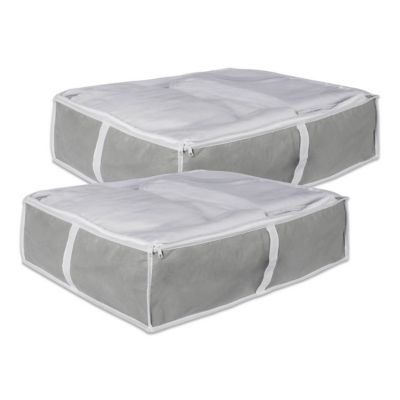
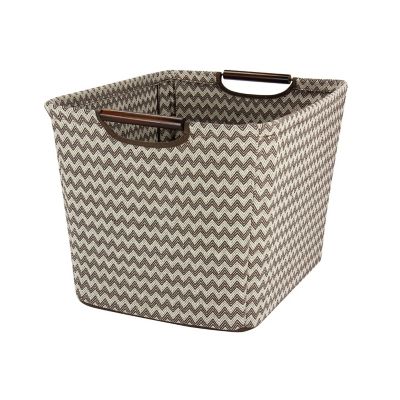
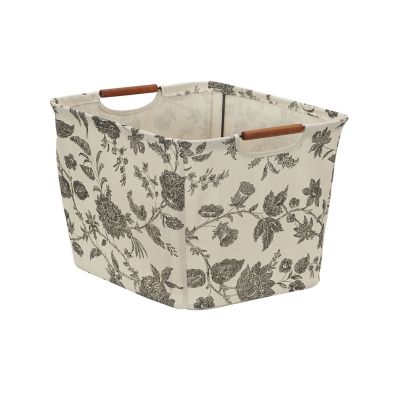
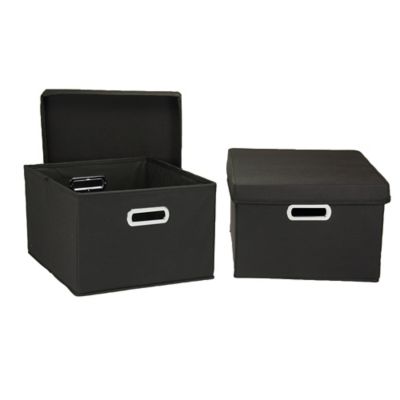
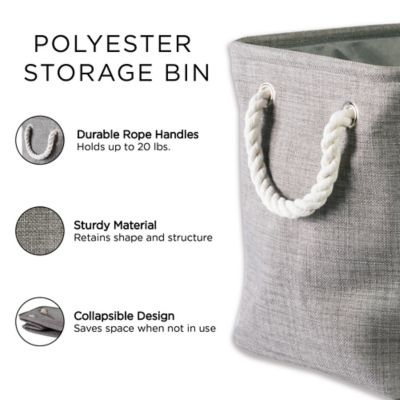
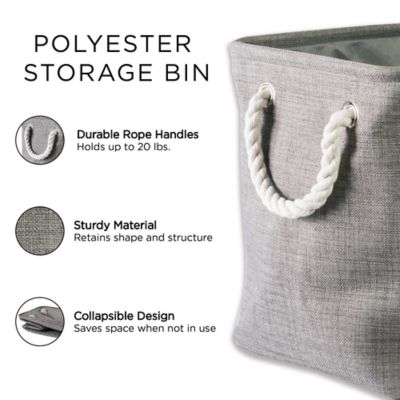
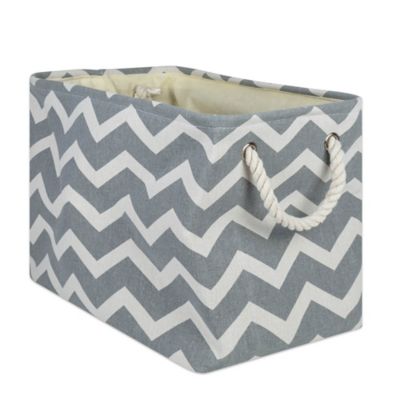
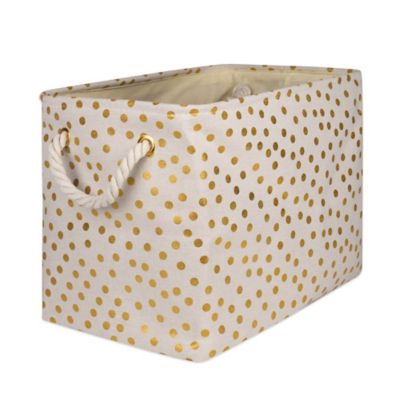
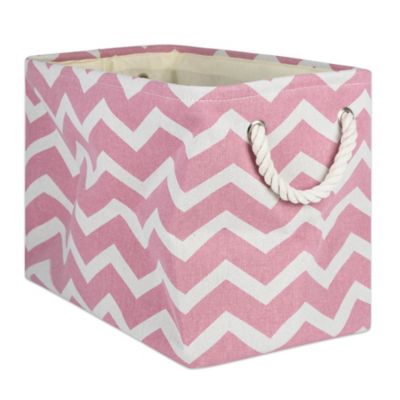
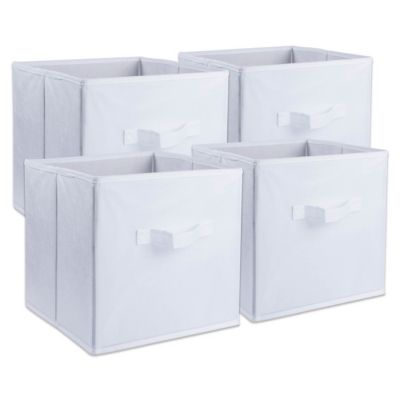
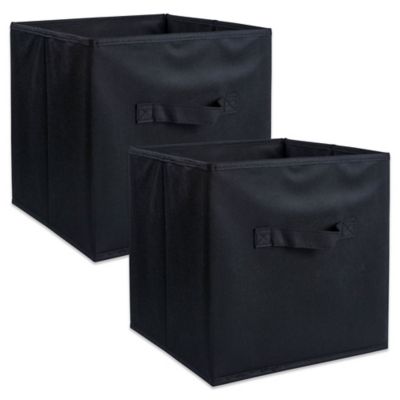
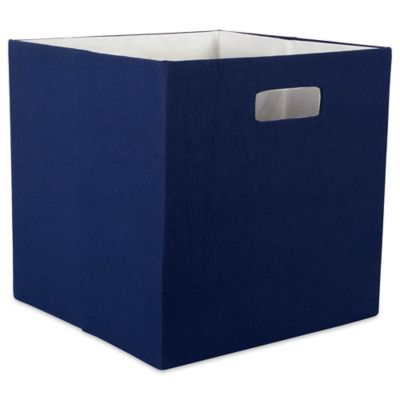
Rectangular fabric storage bins are soft-sided organizers shaped like a rectangular prism, with a longer length, a shorter width, and a depth that gives them room to hold everyday items. In simple terms, a rectangle has four sides and four 90-degree angles, with opposite sides running parallel and matching in length; a rectangular bin brings that familiar shape into three dimensions, much like a fabric-covered shoebox. The straight sides and squared corners make these bins a handy fit for shelves, cubbies, closets, dressers, bookcases, and other storage spaces where round or oddly shaped baskets can leave wasted room. Their fabric construction gives a room a softer, more lived-in look than hard plastic, while many designs can be folded down when they are not needed. That makes them useful for folks who like to keep a house picked up without filling every corner with permanent furniture. Use them to gather toys in a family room, seasonal clothing in a bedroom, craft supplies in a spare room, towels in a bathroom, or pet accessories near the door. They can also help bring order to a mudroom where gloves, hats, scarves, and small outdoor items tend to collect during the cooler months. Before choosing a bin, measure the storage opening from side to side, front to back, and top to bottom. Leave a little breathing room so the bin can slide in and out without catching on the shelf or rubbing against nearby items. Remember that the usable interior space is usually slightly smaller than the outside measurements because of the fabric walls, lining, seams, handles, and any support panels. A low-profile bin may be better for shallow shelves, while a deeper bin can hold bulky blankets, stuffed animals, or folded work clothes. For a quick estimate of the space inside a rectangular container, multiply length by width to find the base area, then account for the height when comparing overall capacity. The area of a rectangle is length × width, and its perimeter is 2 × (length + width). Those basic measurements can make it easier to decide whether a bin will suit a shelf, fit beneath a bed, or hold the particular items you have in mind.
When shopping for rectangular fabric storage bins, think first about what will go inside and how often you will reach for it. Frequently used belongings are easiest to manage in bins with sturdy handles, since a comfortable grip lets you pull the bin from a shelf without tugging on the fabric. For items that need to stay protected from dust, look for a covered or lidded design; open-top styles are convenient for quick access to books, toys, towels, or dog leashes. If the bin will hold heavier things such as shoes, tools, canned goods, or stacks of denim, pay close attention to the bottom construction and side support. A reinforced base helps the bin keep its shape and makes it easier to carry from one room to another. Fabric type and lining matter, too. Woven fabric can add a natural touch to a bedroom or living area, while a smoother lining may be easier to wipe clean after a spill. Neutral colors blend into most rooms, and darker shades can be useful for areas where dirt and everyday wear show up quickly. For a child’s room, a lighter bin may make it easier to see what is inside, while labeled bins help older children put belongings away without turning cleanup into a long chore. In a laundry area, separate bins can sort clean towels, linens, or household rags. In a pantry or utility room, use them for smaller bags, wraps, cleaning cloths, or supplies that otherwise get pushed to the back of a shelf. A well-sized bin can also make a thoughtful housewarming, dorm, wedding, or new-parent gift because it is practical, easy to use, and useful in nearly any home. Someone setting up a first apartment might use one for extra bedding, while a grandparent could keep one filled with books and quiet activities for visiting grandchildren. Gardeners, animal owners, and busy households can all benefit from having a designated place for the little things that seem to wander around the house. For more ways to organize household linens and folded fabric goods, browse
Linen Closet Storage Bins.
Good storage is less about hiding everything away and more about making daily routines run smoother. A rectangular fabric bin gives loose belongings a home while using shelf space efficiently, especially when several matching bins can sit side by side with their long edges aligned. Group similar items together so one bin holds winter accessories, another holds pet grooming supplies, and another keeps spare chargers or household odds and ends from gathering in a kitchen drawer. Labels are especially helpful when bins are stored on high shelves or under furniture, where it is easy to forget what is tucked away. Keep heavier contents low and avoid packing a soft bin so tightly that its seams strain or its shape becomes difficult to maintain. For long-term storage, make sure clothing, blankets, and linens are clean and completely dry before putting them away, then leave enough room for air to move around the contents. Fabric bins are generally best kept in dry indoor spaces unless the care instructions say otherwise; damp garages, sheds, and basements can encourage musty odors or mildew. Dust the outside as needed and follow the maker’s cleaning directions, since some fabrics are spot-clean only and should not be soaked. During the transition into cooler weather, these bins can make it easier to rotate lighter clothing and bring out heavier layers without piling everything on a chair or hallway bench. They are just as useful afterward for keeping guest bedding, wrapping supplies, or rarely used household items together until they are needed again. With the right size, strong construction, and a sensible spot on the shelf, rectangular fabric storage bins can turn a crowded closet, busy mudroom, or cluttered play area into a space that feels easier to use and simpler to keep tidy.