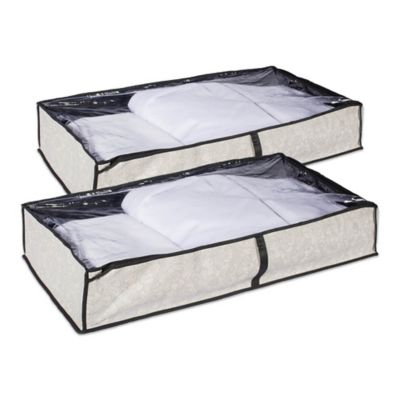
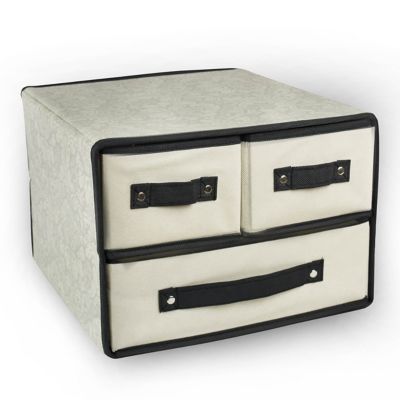
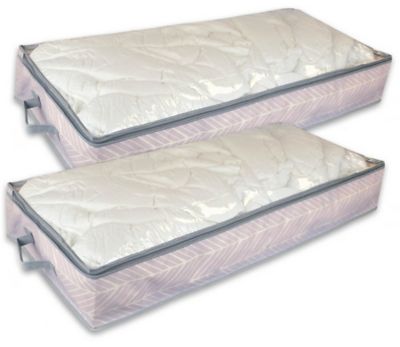
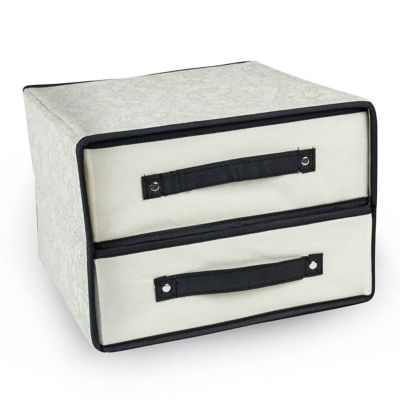
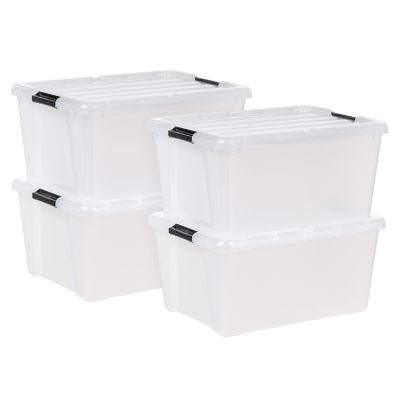
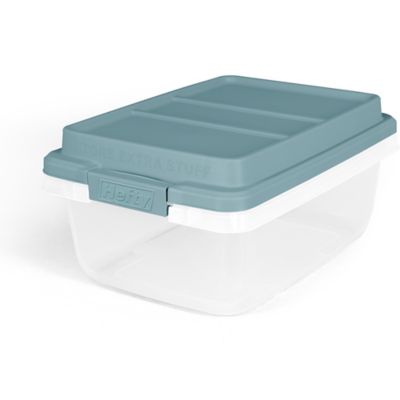
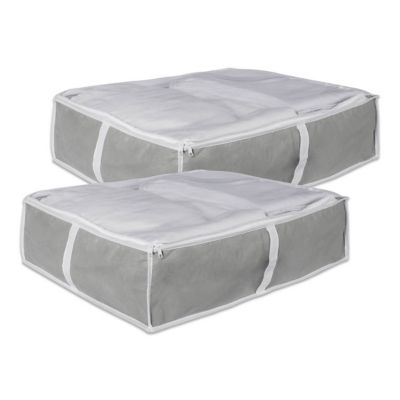
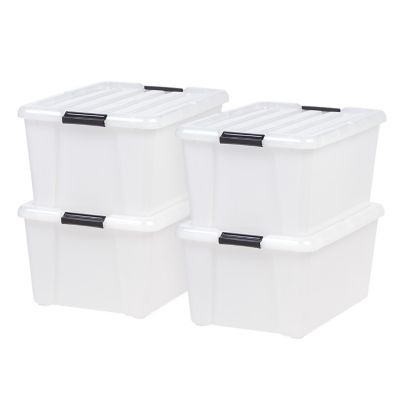
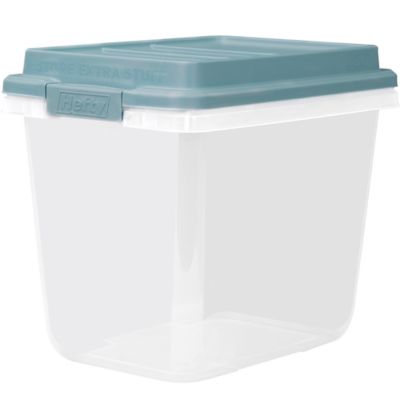
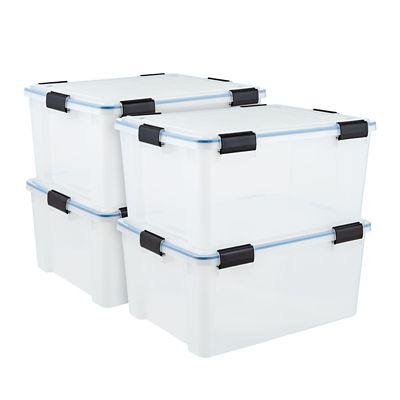
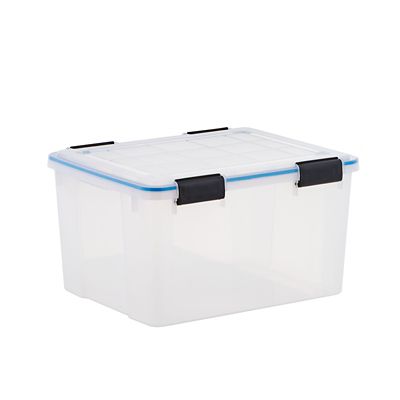
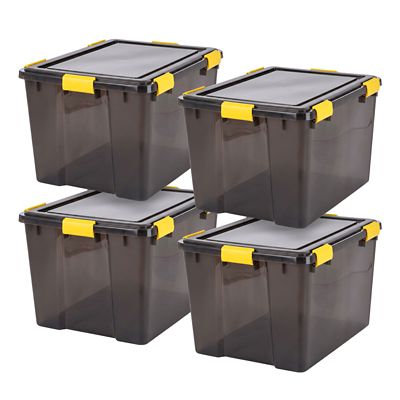
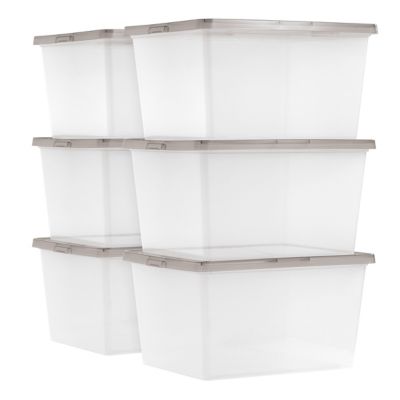
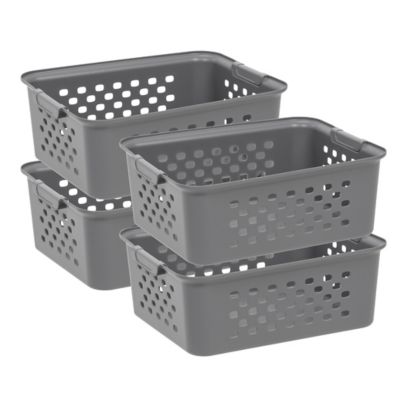
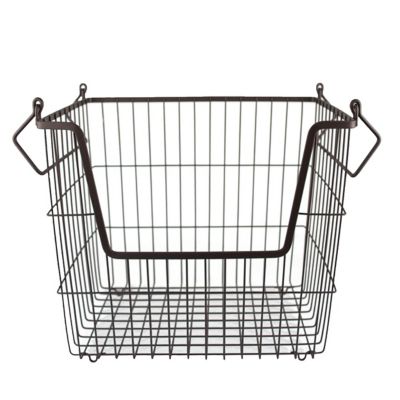
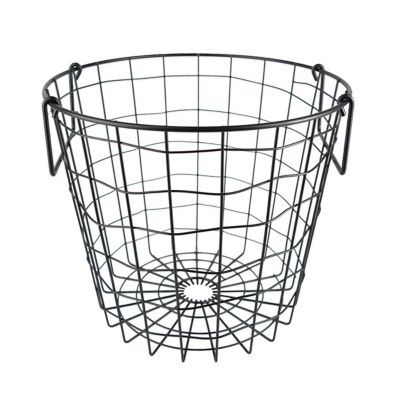
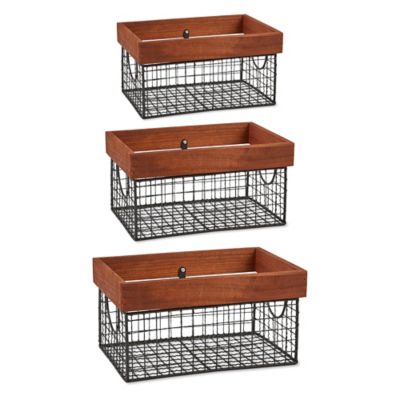
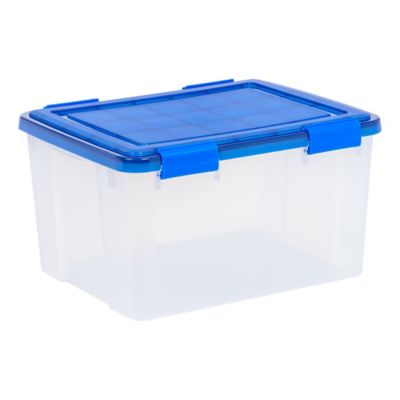
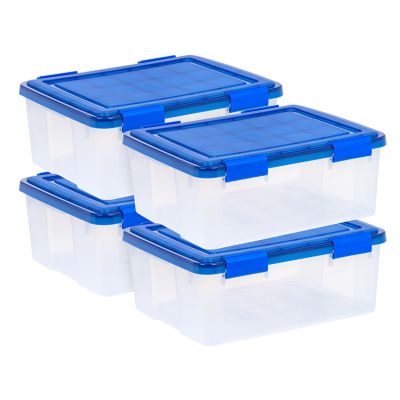
The best linen closet storage bins fit the shelf, hold the linens without crowding them, and make everyday essentials easy to reach. Shelf width, depth, and the space between shelves matter just as much as how much a bin can hold. A container that fits across the shelf may still bump into the door, catch on a hinge, or leave too little room to lift out a folded towel. Outside measurements that include handles, rims, and lids give a clearer picture of how a bin will sit in the closet. A little clearance above an open bin makes it easier to grab a washcloth without pulling the whole container forward. Deeper bins can put the back of a shelf to work, while shorter ones often make more sense on shallow shelves or where the door opening is narrow. Rectangular shapes generally sit neatly side by side, helping divide a long shelf into manageable sections. The contents matter, too: folded bath towels need a different amount of room than pillowcases, hand towels, or spare soap. A wide bin can hold towels laid flat, while a narrower container can keep washcloths standing in short rows. Sheets are easier to manage when each complete set has enough room to come out without dragging the next set along. Packing a bin tightly may fit more fabric on the shelf, but it can also make putting clean laundry away a chore. Handles offer a useful grip, particularly when a bin needs to come down to counter height for sorting. Their placement makes a difference in a closet with limited side clearance. For higher shelves, smaller, lighter loads are easier to handle than one large container filled to the brim. A layout built around comfortable reach and the actual size of folded linens tends to work better than a row of matching containers that leaves half the contents hard to get to.
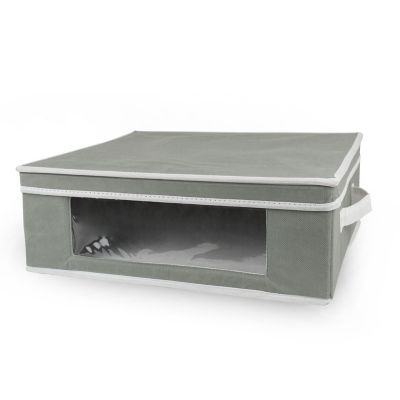
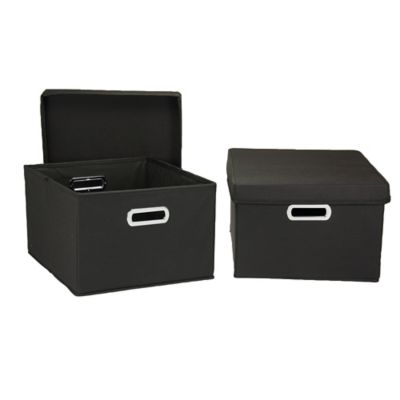
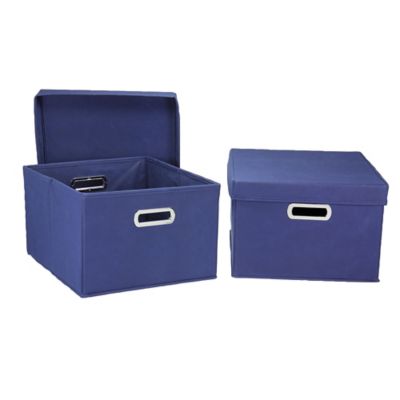
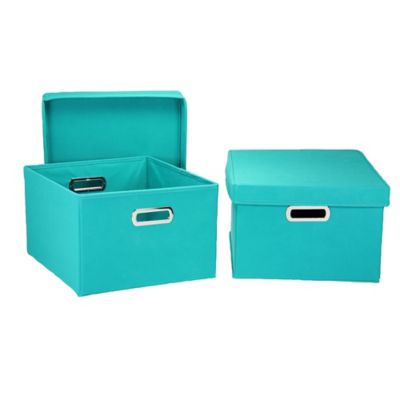
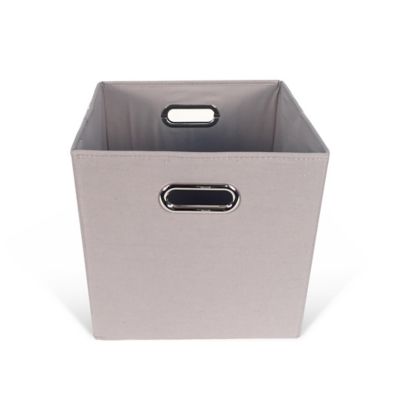
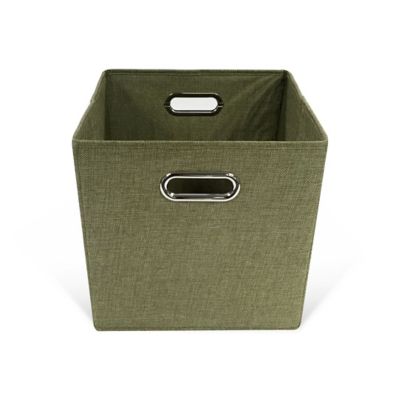
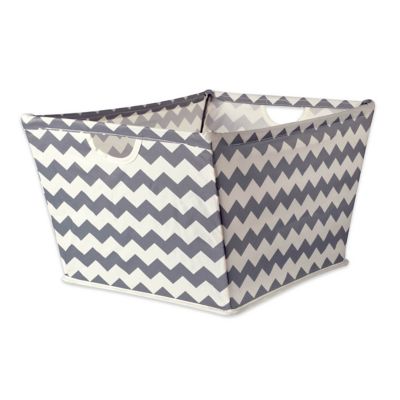
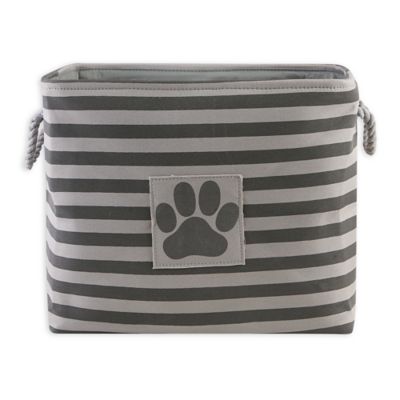
Material and construction affect how linen closet storage bins feel in daily use and how they need to be cleaned. Fabric bins offer soft sides that work well around folded bedding and towels, with some designs folding flat when empty. For keeping sheet sets or smaller towels together,
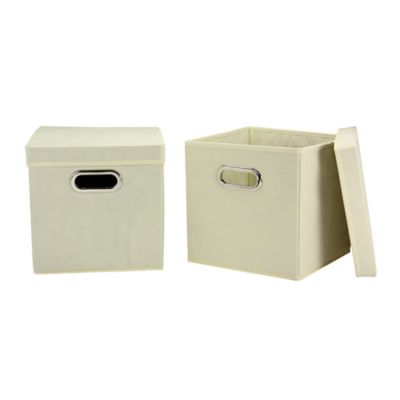
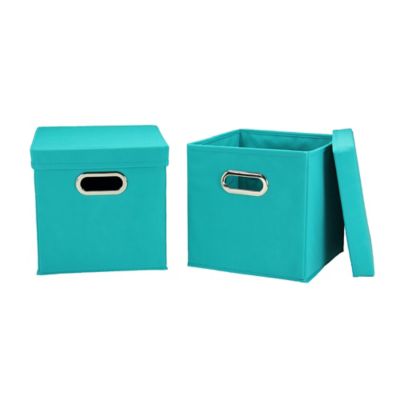
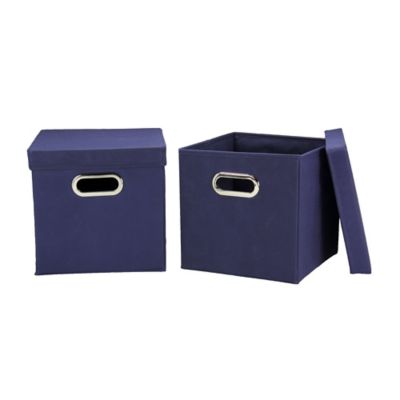
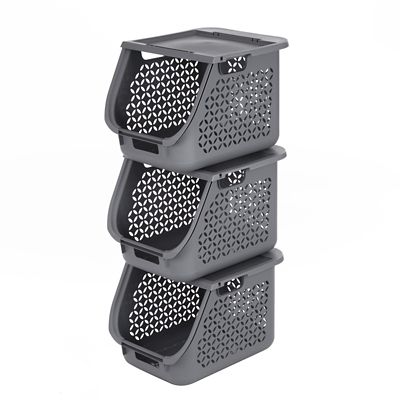
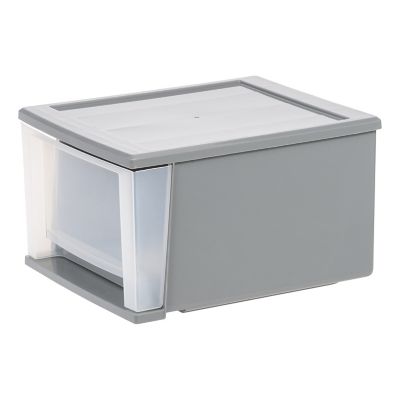
Rectangular Fabric Storage Bins can create separate sections without requiring a divider attached to the shelf. A supported bottom helps a fabric bin keep its shape as it moves between the closet and the laundry area, while firm sides help it stand upright when it is only partly full. Stitching around handles and seams is worth a close look because those areas take much of the strain when a loaded bin is lifted. Plastic containers offer a different set of benefits, including surfaces that are often simple to wipe clean. Clear walls let the contents show through, which can help when several people share the same closet. Solid-sided bins keep the shelf looking more uniform, especially when the contents include a mix of colors and patterns. Woven baskets bring texture, though a smooth lining can help protect loosely woven towels and delicate fabric from rough edges. Open tops suit linens that come in and out often; lids can help limit settling dust on spare bedding that stays tucked away longer. Stackable designs need to be made for that purpose, with enough shelf clearance to remove the lid or lift off the upper container. Cleaning needs vary by construction. Some fabric bins allow spot cleaning only, and internal supports may not tolerate soaking or machine washing. Plastic can be wiped down according to its care directions, while woven materials may need gentle brushing or vacuuming. Whatever the material, both the bin and its contents should be fully dry before linens go back into storage. A closed container is no substitute for letting damp laundry dry completely.
A useful linen closet setup reflects the way the household actually runs. In a busy family home, a low shelf with an open bin of hand towels can make it easier for children to help put laundry away or replace a towel at the sink. In a farmhouse with one hall closet serving several bedrooms, separate bins for different bed sizes can keep a twin sheet from getting mixed into a queen set. A guest room may only need one container holding a complete change of bedding, with pillowcases tucked alongside the fitted and flat sheets. That keeps everything together when company stays over and saves rummaging through a tall stack at bedtime. Washcloths, bath towels, and spare toiletries can each have their own space, rather than sharing one deep bin where smaller things settle out of sight. Labels are helpful when the contents look alike, especially with white sheets in several sizes. A label holder or a tag on the handle can identify the room, bed size, or type of linen without requiring every container to be opened. Where the shelf is easy to see, leaving a little space between bins can make handles easier to grasp and keep the arrangement from feeling jammed together. Everyday towels belong within comfortable reach, while less frequently needed bedding can sit farther up, provided the load stays manageable. Heavy liquids and cleaning supplies are better kept separate from clean linens so a leaking bottle does not spoil a shelf of freshly washed fabric. Spare blankets may need a roomier container than sheets, but a large bin still needs to fit through the closet opening when full. The right arrangement leaves room for laundry to move in and out, not just sit neatly for a day. With suitable dimensions, supportive construction, and sections that make sense for the household, linen closet storage bins can turn a crowded shelf into a place where the next clean towel or matching sheet set is easy to find.