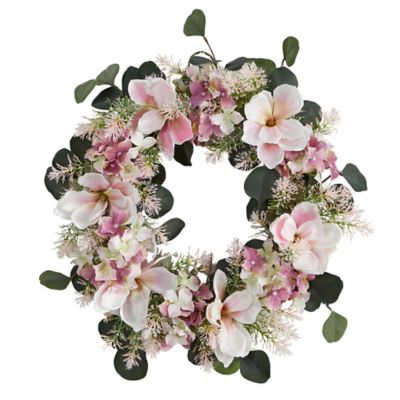
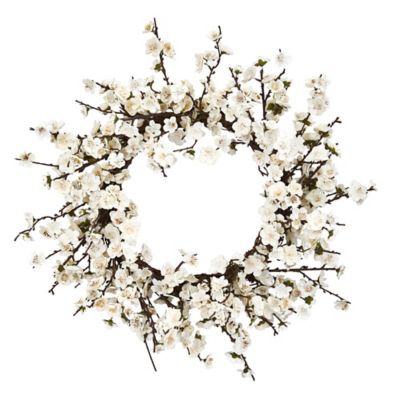
Realistic wreaths bring the look of gathered greenery and flowers to doors, walls, and other spots around the house. The most lifelike styles capture more than the outline of a leaf: they show variations in color, branching patterns, petal shape, and the way stems overlap. A mix of deep and light greens can give foliage depth, while a few open spaces keep the arrangement from looking like a solid ring. Artificial wreaths typically combine molded plastic greenery, fabric leaves or flowers, and bendable stems around a supporting frame. Some have a grapevine base that shows through the foliage; others have a wire or plastic foundation tucked out of sight. Fresh wreaths contain cut plant material, while dried wreaths feature preserved or dried stems, leaves, and flowers. Those materials offer their own textures and character, though fresh greenery gradually loses moisture and dried foliage can become brittle. For a closer look at arrangements centered on botanical materials, explore
Natural Wreaths and check the material description for each wreath. A realistic artificial wreath offers a different kind of convenience: a leafy or floral look without watering or tending cut stems. It suits a farmhouse entry, a wall above a hallway bench, or a gathering space where a little greenery helps soften the room. Leaf-only designs tend to blend easily with wood furniture, painted trim, and stone, while flowers add a stronger focal point. The right choice depends on the look of the space and how closely people will see the arrangement. A wreath beside a dining table invites a close look at petals and stems; one on a tall entry wall needs a clear shape and enough fullness to read well from across the room. Neither needs to look perfectly even. Slight differences in stem length and leaf direction often make an arrangement feel more like something gathered from the yard.
Materials and construction make a big difference in how a realistic wreath looks once it is hanging. Molded leaves can show raised veins and shaped edges, while fabric foliage may have a softer drape. Fabric flowers often work well where layered petals matter, although exposed edges and strong surface shine can make some arrangements look less lifelike up close. Color matters just as much as texture. Greenery with subtle shading, muted undersides, and stems that blend into the foliage usually has more visual depth than a single flat color. A grapevine foundation adds a rough, woody surface that fits comfortably beside a plank door or a simple entryway bench. A concealed frame puts more attention on the leaves and blooms. For fit, measure the display space before settling on a wreath diameter, and check whether the listed measurement includes the outermost tips of the foliage. A wreath should leave room around a door handle, lock, window, and peephole rather than crowding the parts of the door that get everyday use. Depth deserves equal attention, especially when a storm door closes in front of the main door. A thick arrangement may fit the width of the entry but still press against the glass. On a wall, consider the size of nearby furniture: a small wreath can feel lost above a wide bench, while an oversized ring may overwhelm a narrow stretch of wall. Hanging hardware should match both the wreath’s weight and the surface beneath it. An over-the-door hanger needs enough clearance for the door to shut freely, and an adhesive hook needs a compatible surface and the proper weight rating. A secure attachment also helps keep the wreath from shifting each time the door opens. Where the back of the frame touches paint or glass, a suitable protective pad can help prevent rubbing, provided it does not interfere with the hanger or the door’s movement.
Intended placement should guide the final choice, particularly when a wreath will hang outside rather than in a living room or enclosed entry. Indoor-only arrangements belong inside, even if their foliage looks sturdy. For an outdoor location, look for an explicit outdoor-use designation and follow any limits on exposure. A covered porch does not automatically protect every part of a wreath from direct sunlight or moisture, and fabric blooms, adhesives, and exposed wire can respond differently to those conditions. Sunlight may fade colors over time; trapped moisture can affect the frame or botanical components. Keeping a wreath away from sprinklers and choosing a sheltered mounting spot can reduce unnecessary wear. Inside the house, leave space between wreaths and candles, cooking surfaces, fireplaces, or other heat sources. Artificial foliage does not need watering, but it still benefits from occasional attention. A soft brush or gentle dusting can lift buildup from leaf creases and petal layers. Follow the care label before applying water or cleaners, since some finishes, dyes, and natural bases should not get wet. Bendable stems may need light shaping after unpacking or storage; support each stem near its base and ease it into place rather than pulling on the leaves. Dried botanical wreaths need a gentler touch because their leaves and flower heads may shed or snap. For storage, choose a container with enough room to protect the wreath’s depth, and avoid stacking heavy belongings on top. Let any permitted cleaning moisture dry fully before putting the arrangement away. These practical details also matter when choosing a wreath as a housewarming gift or a thank-you for someone who enjoys making an entry feel welcoming. A manageable size, an easy hanging method, and foliage that suits the recipient’s home make the gift simpler to enjoy. For a busy household, a realistic artificial wreath can offer a steady touch of greenery with little routine care. Whether it hangs beside muddy boots in the entry or above a favorite reading chair, the best fit feels at home in the space without getting in the way of daily life.