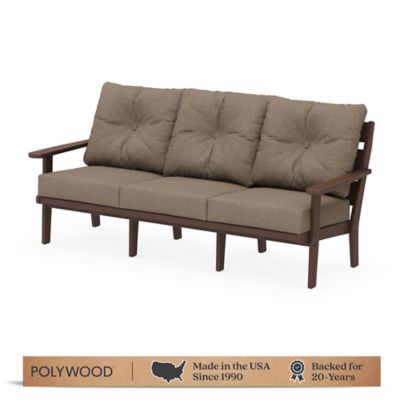
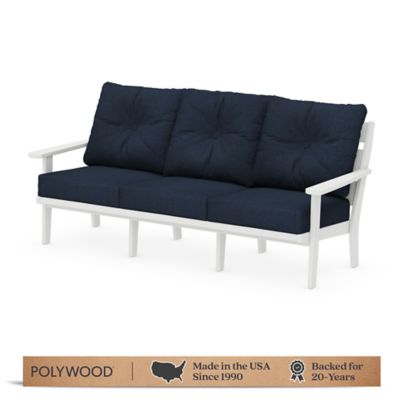
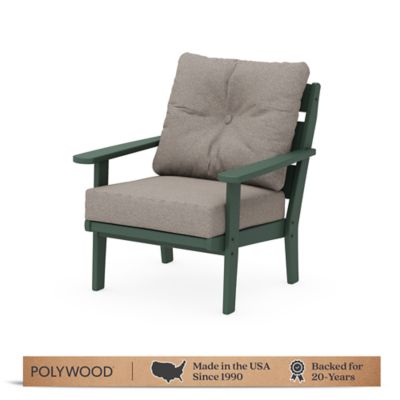
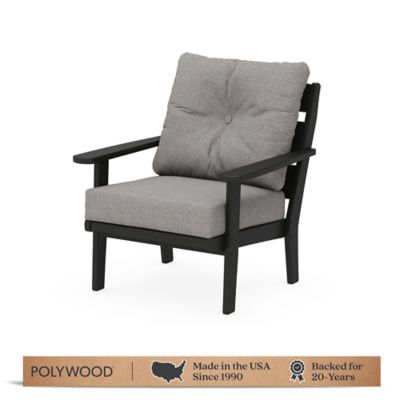
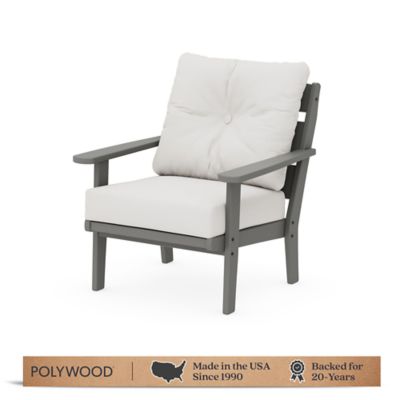
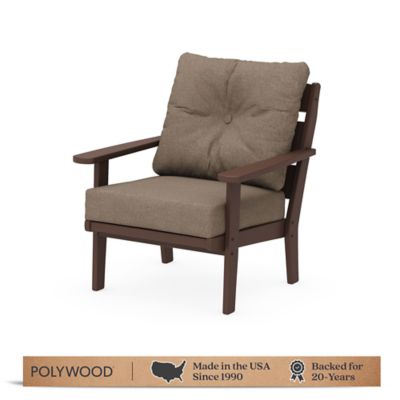
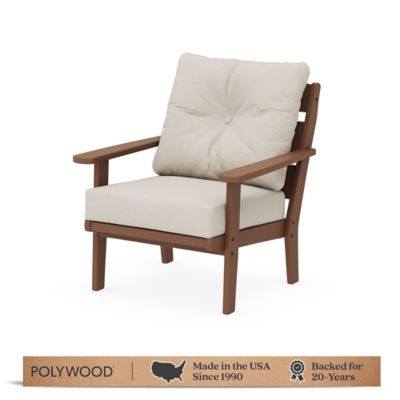
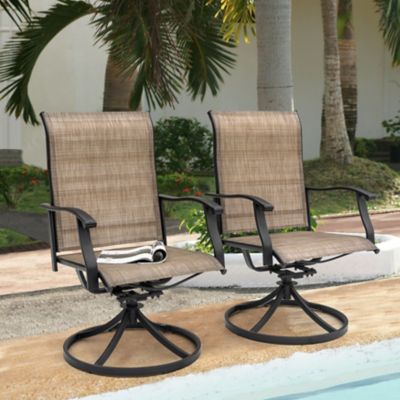
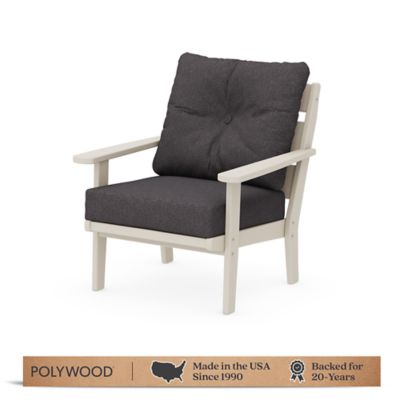
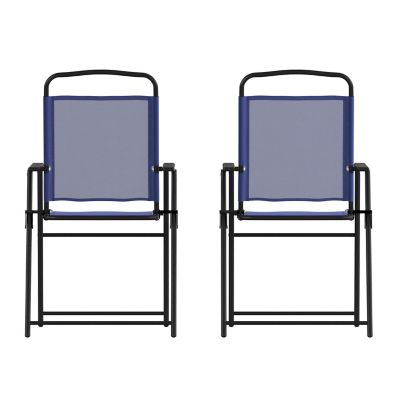
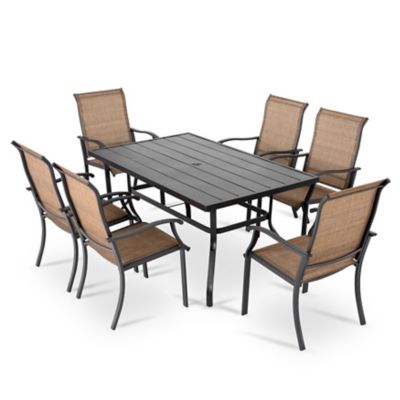
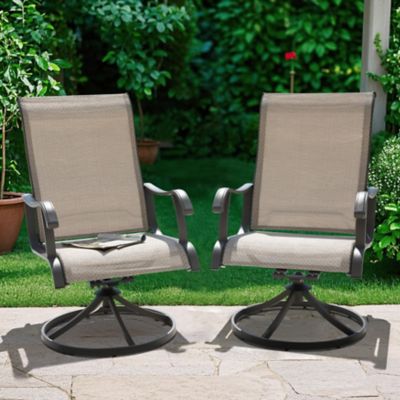
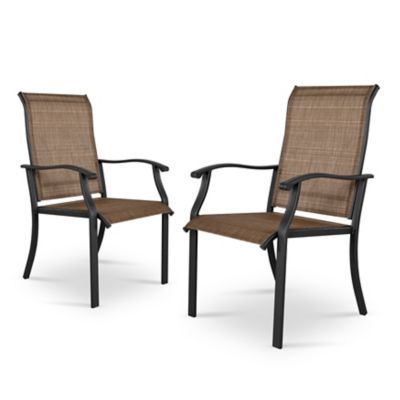
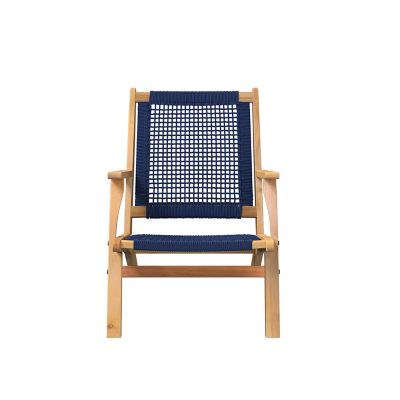
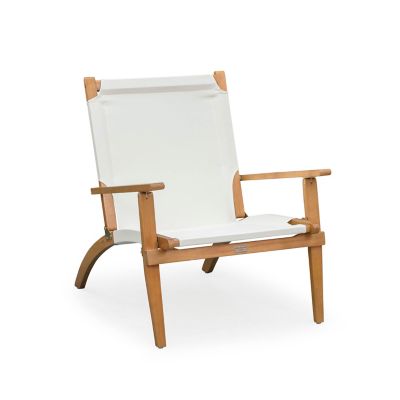
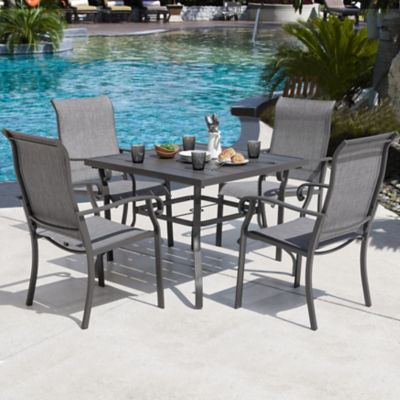
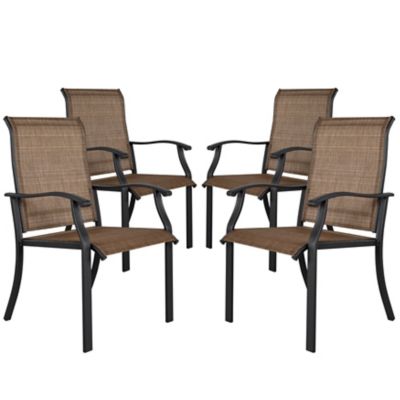
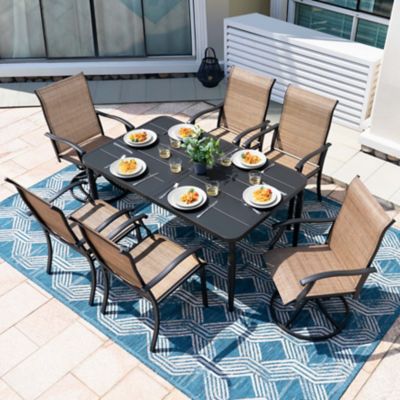
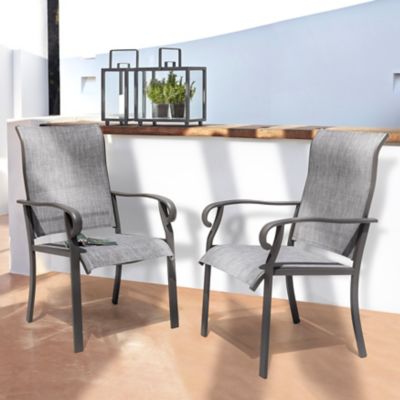
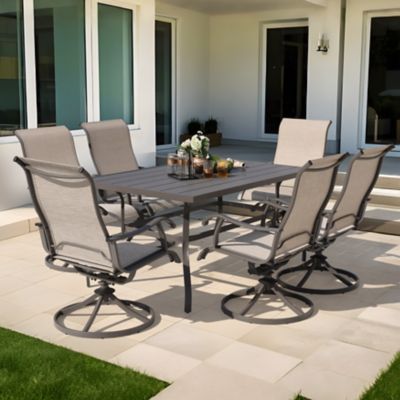
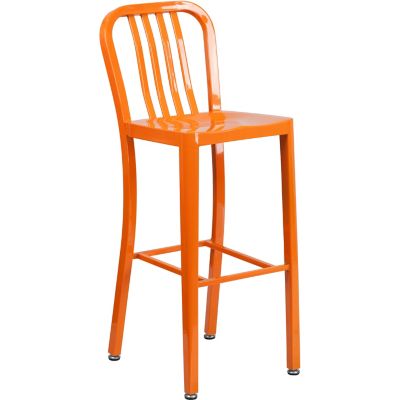
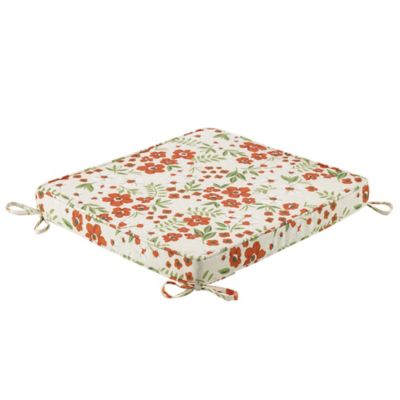
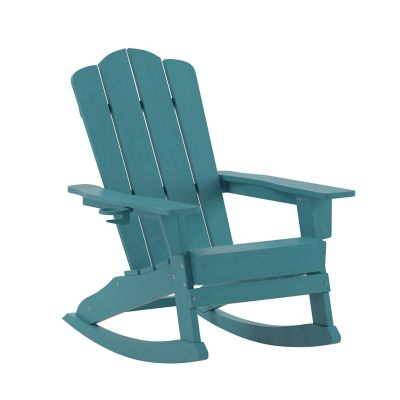
Quick-dry outdoor furniture is built to let moisture drain away and air move through seating, helping chairs, benches, and lounge areas dry faster after rain or poolside splashes. That drying performance comes from the whole design, not just a fabric label. Breathable sling seats, open slats, and cushions made with purpose-built quick-drying foam all handle water differently, but each can reduce the amount of moisture held against the sitting surface. Sling seating stretches a woven mesh across a frame, leaving little padding to soak up water and allowing ventilation underneath. Slatted seating creates gaps where water can escape instead of collecting across a solid surface. Cushioned furniture needs a closer look at both the cover and the filling. Reticulated foam has an open internal structure that allows water to pass through more readily than conventional upholstery foam, especially when paired with a breathable cover and a draining cushion bottom. Olefin and outdoor polyester fabrics may offer useful resistance to moisture and fading, depending on their construction and finish, but the fabric name alone does not establish how quickly an entire cushion will dry. A water-repellent cover can shed light splashes while still allowing water through seams or openings under heavier exposure. Quick-dry also does not mean waterproof, and no single drying time applies to every seat. Humidity, airflow, cushion thickness, and the amount of water absorbed all make a difference. A slim mesh chair on an open patio will generally release moisture differently from a deep cushion tucked into a sheltered corner. For a porch where damp seats can interrupt a morning coffee break, or a pool area where wet towels land across chair arms, construction that gives water a clear exit can make everyday outdoor seating easier to enjoy. The most useful distinction is between furniture that merely resists a splash and furniture designed to drain and breathe after getting wet.
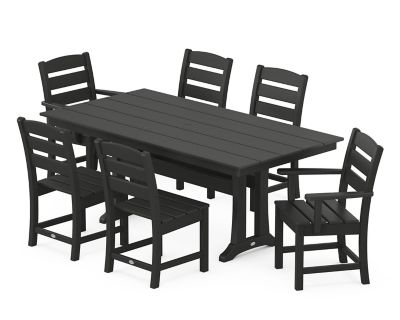
The right fit depends on how the space gets lived in, from supper outside after chores to a quiet stretch on the back porch. Upright outdoor dining chairs suit meals, card games, and longer conversations around a table, while deeper seats and loungers leave more room to lean back. Seat height, seat depth, back angle, and arm placement matter as much as the overall footprint. A low lounge chair may feel comfortable for stretching out but take more effort to stand from, especially for someone with limited mobility. Firmer, higher seating with supportive arms can make getting settled and standing back up less of a chore. Cushion thickness changes the sitting height, too, so dimensions are most helpful when they describe the complete seating setup. Dining arrangements work best when knees have room beneath the tabletop and chair arms clear the table edge. Pairing seating with
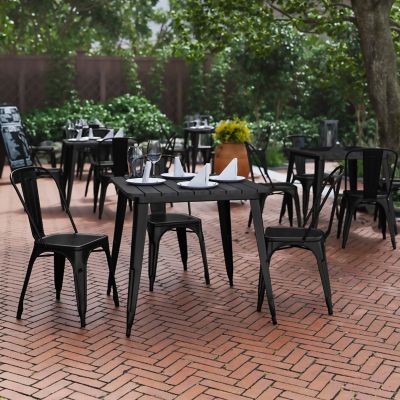
Weather Resistant Outdoor Tables helps bring the gathering space together, with attention to table height, leg placement, and enough room for chairs to pull back. Narrow porches call for a different layout than broad concrete patios. Walkways need to stay clear between the door, steps, and seats, particularly when somebody is carrying a tray or a child is heading toward the yard. On gravel or uneven pavers, broad feet and a stable, level position help keep furniture from rocking or sinking. Lightweight frames are easier to move for sweeping, while heavier frames can feel more settled in an exposed spot; neither replaces proper securing when strong winds are expected. Poolside seating benefits from open drainage and surfaces that are straightforward to rinse, though furniture intended for a pool deck should not be assumed suitable for placement in the water. For households that spend plenty of time outside, a comfortable seat with room for work clothes, a cushion that stays in place, and armrests that feel natural can matter more than an oversized arrangement that crowds the porch.
Frame materials, finishes, and routine care all play a part in how quick-dry patio furniture holds up. Aluminum resists rust, although its finish and hardware still need attention. Coated steel offers strength, but scratches or chipped areas can expose the metal beneath to corrosion. Synthetic wicker provides a woven surface over a supporting frame, making the frame material and the spaces beneath the weave worth considering alongside its appearance. Wood brings its own grain and texture, with maintenance needs that vary by species and finish. Slats can help with drainage, but joints and horizontal ledges may still hold moisture. Across these materials, smooth welds, secure connections, sound stitching, and replaceable wear parts are practical details for furniture that sees regular family use. Keeping drainage paths clear matters just as much after the furniture reaches the patio. Leaves, dust, pollen, and soil can gather in mesh, between slats, and around cushion seams, slowing the movement of water and air. Cleaning methods should match the manufacturer's directions; mild soap, a soft brush, and a gentle rinse are often suitable, while harsh cleaners or pressure washing can harm certain fabrics and finishes. Removable covers are not necessarily machine washable, and forcing a cover over damp filling can leave moisture trapped inside. Cushions need space to dry through before being stacked or put away. Breathable furniture covers can help limit exposure when seating is not in service, provided the furniture is dry underneath and air can circulate. Persistent dampness and trapped debris can encourage mildew even on materials described as mildew resistant. Rinsing away pool chemicals when recommended, tightening loose hardware, and tending to finish damage can help extend the furniture's working life. When freezing conditions are a concern, preventing trapped water and following storage directions becomes especially important. With the right combination of drainage, comfortable proportions, and manageable upkeep, an outdoor sitting area can stay ready for muddy boots nearby, fresh coffee on the table, and a well-earned break after the work is done.