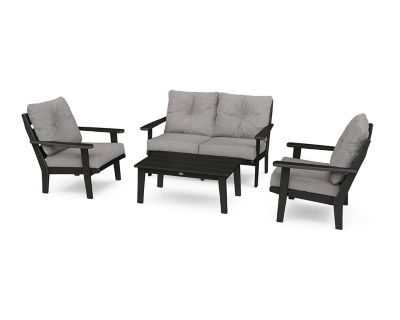
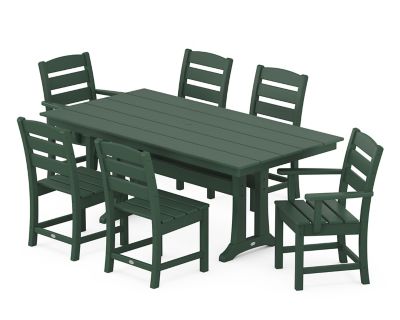
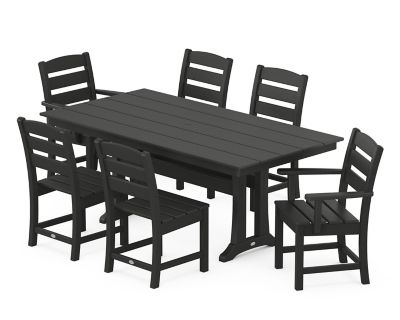
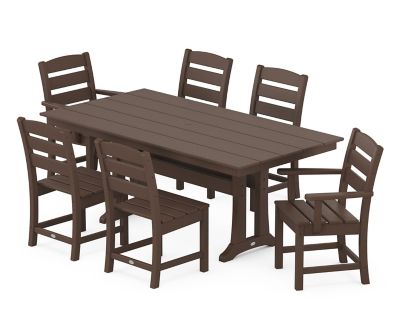
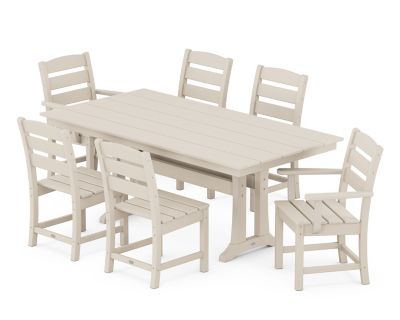
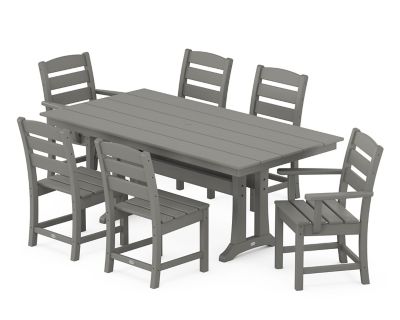
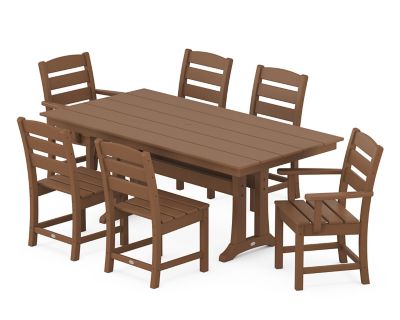
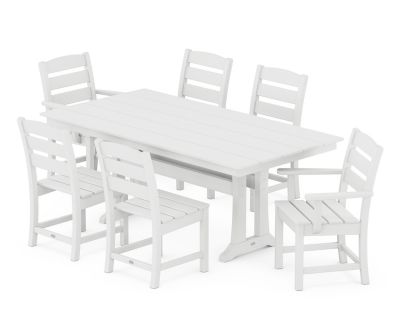
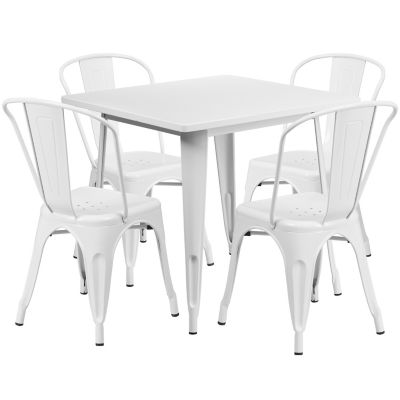
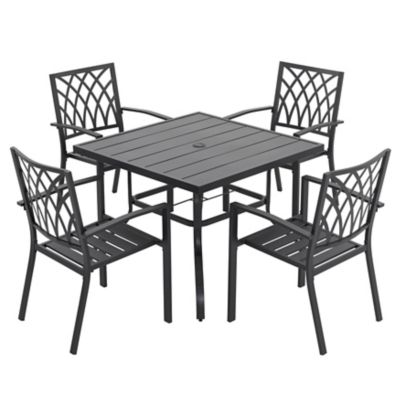
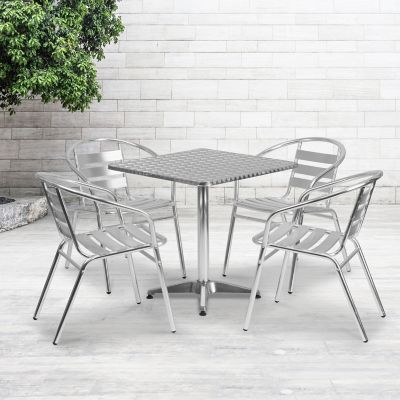
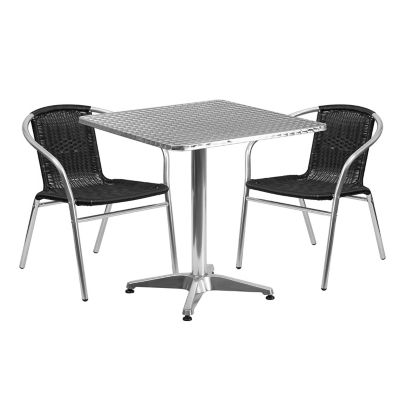
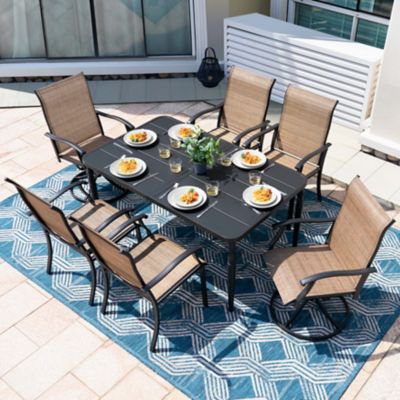
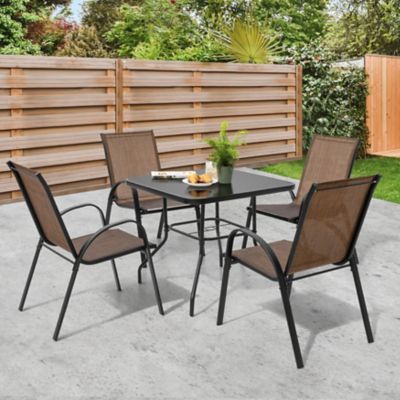
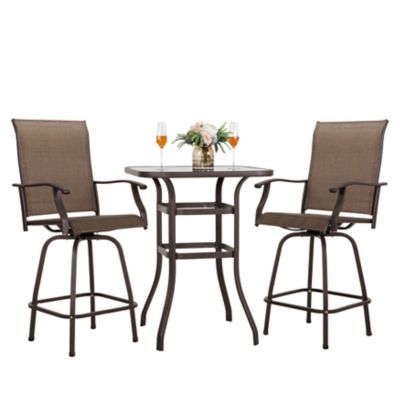
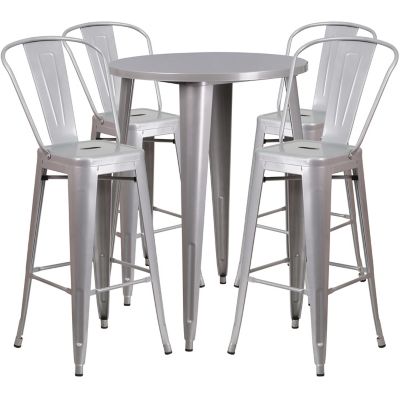
All-weather outdoor dining sets bring a table and seating together for meals outside, with materials selected to handle exposure to rain, sunlight, and changing temperatures. They give a back porch, patio, or open-air gathering spot a clear purpose, whether that means coffee before chores, sandwiches after working in the garden, or supper with family when the day’s work is done. The term “all-weather” describes resistance to outdoor conditions, not a promise that furniture needs no care or can remain unprotected through every storm. Performance depends on the frame, tabletop, hardware, seat construction, and finish working together. Powder-coated aluminum is a common choice because it is relatively light and does not develop iron rust, though its finish and connections still benefit from routine cleaning. Powder-coated steel offers a solid feel, but scratches that expose the metal can allow rust to form. High-density polyethylene, often called HDPE lumber or poly lumber, resists moisture and rot without the painting or staining that some wood furniture needs. Its weight can also be helpful on an exposed patio, although no dining set should be considered stormproof. Resin wicker brings a woven texture to the seating, with its outdoor performance depending on the resin’s resistance to sunlight and the frame underneath. Wood offers natural grain and a familiar look beside a farmhouse porch or timber railing, but different species have different care requirements. Some develop a silvery appearance with exposure, while maintaining the original color may call for periodic treatment. Across these materials, smooth edges, sound joints, and suitable outdoor hardware matter just as much as appearance. A set that suits everyday meals should feel steady when someone reaches for the serving bowl, give diners comfortable support, and stand up to the ordinary mess of outdoor living, from windblown dust to a splash of sweet tea. Those practical details help make the dining area part of daily life rather than a spot saved only for company.
Size and layout determine how comfortably an outdoor dining set fits the space around it. The table’s footprint is only part of the picture; chairs need room to pull back, and people need a clear path between the seats, the house, and the rest of the yard. About 36 inches between a table edge and a wall or railing is a useful starting point, with more room wherever people regularly walk behind occupied chairs. A porch door should swing freely without bumping a chair, and a route carrying hot food from the kitchen should stay clear. Rectangular tables often suit long patios and larger gatherings, while square tables can work well in smaller seating areas. For a layout that keeps everyone facing toward the center,
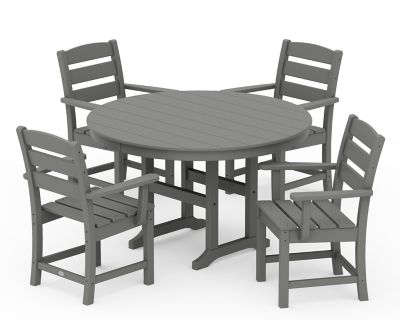
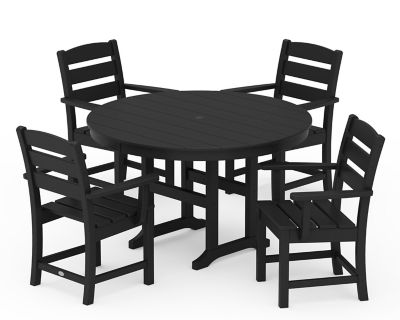
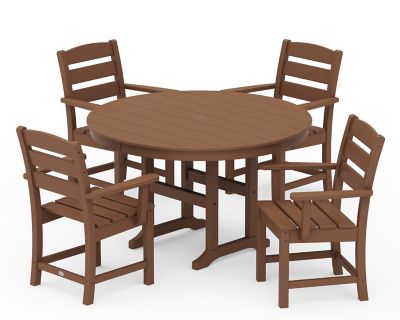
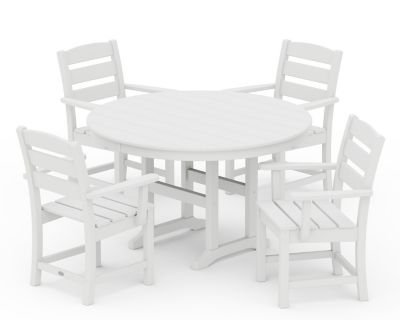
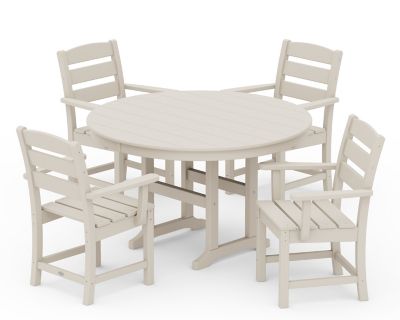
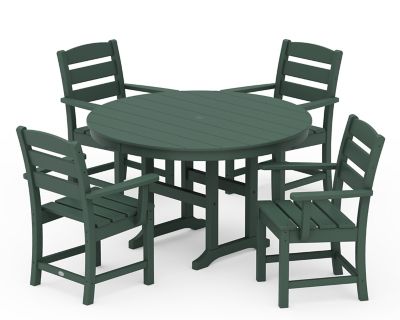
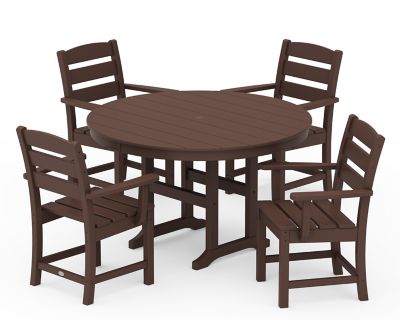
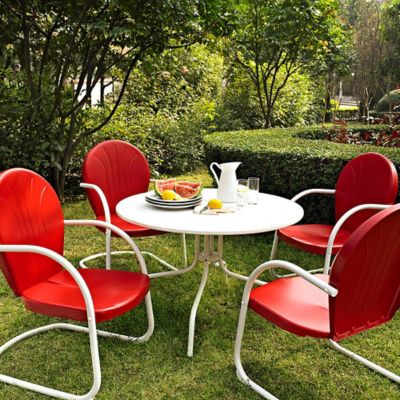
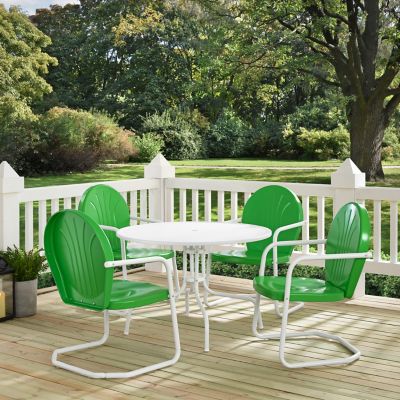
Outdoor Round Dining Sets offer a shape that encourages conversation and avoids projecting corners. Seating capacity deserves a closer look than chair count alone. Roughly 24 inches of table edge per diner is a helpful starting point, but wide armchairs and generous place settings can call for more elbow room. Table legs and support bars also affect where knees and feet can rest. Dining-height seating generally feels familiar for shared meals, while taller seating changes how people get in and out and may not suit every family member. Armrests can make a long meal more comfortable, provided they fit beneath the tabletop or apron when the chairs slide inward. Benches make room for flexible seating, though anyone seated in the middle may need others to move before getting up. On a deck, chair feet should sit securely without catching between boards; on pavers, a level surface helps prevent rocking. For a household that eats outside often, everyday comfort matters more than squeezing in the greatest number of seats. Enough tabletop space for plates, a pitcher, and a serving dish can make a modest gathering feel easy instead of crowded.
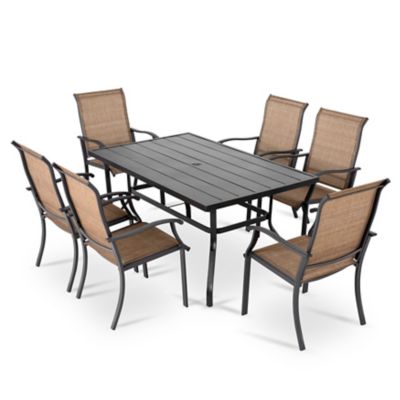
Weather resistance is most useful when paired with construction that lets moisture escape and care that fits the household routine. Slatted tabletops can help rain drain rather than collect, although the spaces between slats still need occasional attention to clear leaves and crumbs. Solid tops provide an even surface for glasses and plates, but standing water should not linger where it can reach seams or hardware. Sling seats often shed water and dry faster than thick cushions, making them practical where passing showers are common. Cushioned seating brings a softer feel for lingering over a meal, with outdoor fabric, fill, and drainage all contributing to drying time. Water-resistant fabric is not necessarily waterproof, and even fade-resistant textiles can change after prolonged sun exposure. Removable covers may simplify cleaning, but washing methods should follow the care label rather than a one-size-fits-all approach. For frames and tabletops, mild soap, water, and a soft cloth or brush are often suitable, subject to the manufacturer’s directions; harsh cleaners and abrasive pads can damage finishes. Dirt trapped around joints and feet deserves attention, especially after muddy boots, mowing, or blowing dust leave their mark. Furniture covers help limit exposure when the dining area sits idle, but they should fit securely and allow ventilation so moisture is not trapped underneath. Cushions should be dry before they go into a sheltered storage space. Snow, ice, and strong winds call for added protection according to the set’s care instructions, and umbrellas should be closed and secured when conditions turn rough. An umbrella opening in a table does not replace a properly sized supporting base. Periodic checks for loose fasteners, finish damage, and uneven feet help keep the set ready for everyday meals. With the right fit and manageable upkeep, an all-weather patio dining set gives a busy household a comfortable place to settle in, pass the biscuits, and enjoy the view beyond the porch.