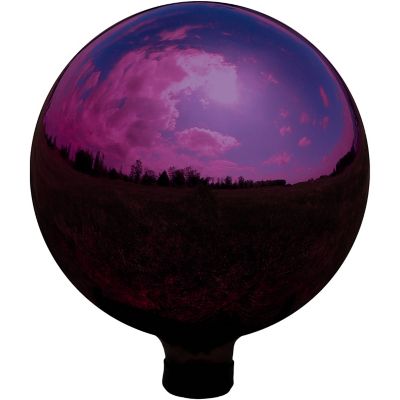
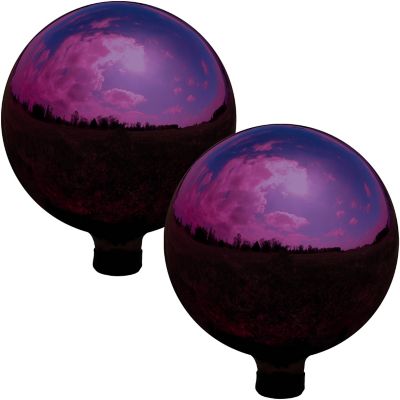
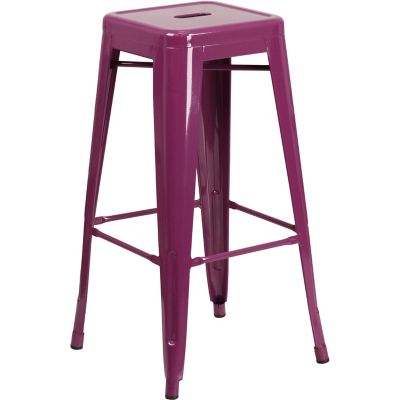
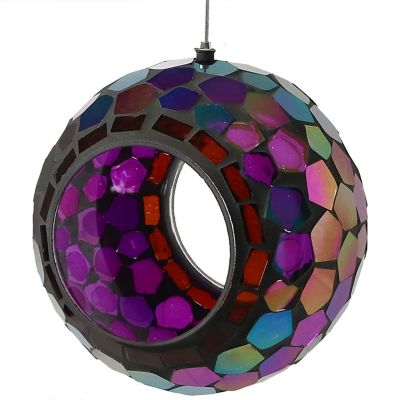
Purple garden accents bring a little personality to the places where everyday life spills outdoors, from a porch beside the kitchen door to a flower bed along the fence. The color can feel soft and easygoing or rich and lively, depending on the shade and how much of it fills the space. Lavender and lilac sit gently against green leaves, pale gravel, and natural wood, while plum and violet stand out against brick, stone, and dark fencing. That range makes purple a good fit for a small town lot, a farmhouse yard, or a tucked-away spot beside the shed. A few touches can tie separate areas together without making the whole yard look matched from end to end. Repeating a similar shade near the entry and farther down a path gives the eye something familiar to follow. Mixing lighter and deeper purples adds variety, especially when the surrounding plants have different leaf shapes and heights. Finish matters here, too: a glossy surface catches the eye differently than a matte one, even when both are close in color. For a quieter look, pair purple with earthy browns, soft greens, or gray stone. For more contrast, set it beside yellow blooms or bright green foliage. Pairing purple accents with
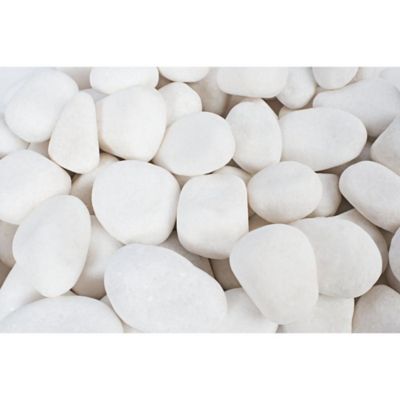
white garden accents keeps the overall look light and gives deeper shades room to stand out. The best balance depends on the setting rather than a hard-and-fast color rule. A broad bed viewed from the driveway can carry a stronger color statement than a narrow strip beside the steps. In a smaller space, leaving some open ground or greenery around an accent helps its shape show clearly. Purple can be the main color or just a small thread running through the yard; either approach feels at home when the scale suits the space and the color works with what is already there.
Materials help determine how purple garden accents look, feel, and hold up to everyday outdoor placement. Metal can offer slim profiles, crisp outlines, and substantial weight, though thickness, construction, and finish vary from piece to piece. Painted metal may have a smooth, even color or a layered finish with lighter and darker areas. Check the stated care requirements, particularly around joints, edges, and any point that touches the ground. Resin often allows detailed shapes without the weight of solid stone, making it worth considering when an arrangement may need to move for mowing or tending plants. Glass can add depth and shine to purple tones, while ceramic can range from a soft, muted surface to a bright glaze. Both deserve thoughtful placement away from busy play areas, swinging gates, and the regular path of a wheelbarrow. Stone and concrete tend to have a grounded, substantial look, but their weight calls for a firm base and a little planning before carrying them across the yard. Whatever the material, look for an intended-use description that matches the location. A sheltered porch and a spot in direct contact with soil are different settings, and an outdoor label does not mean every surface or mounting method is suitable. Dimensions matter just as much as material. Measure the footprint, overall height, and any clearance needed around nearby plants or walkways. A broad base needs enough level room to sit securely, while a mounted accent needs a support and fasteners suited to its weight. Finish texture is another practical detail: deeply textured surfaces may take more attention to clean than smooth ones. When comparing purple shades, remember that screens and surrounding colors can affect how a finish appears. Checking the written color description alongside the measurements and material details gives a fuller picture than a close-up photo alone.
Good placement makes garden accents feel like part of the yard instead of something set down wherever there was room. Start with the view that matters most, whether that is looking out from the kitchen, sitting on the porch, or coming up the front walk. A purple accent near a curve in a path can draw attention to the planting beside it, while one near a seating area can bring color closer to where folks spend time. Leave enough clearance for ordinary chores. Hoses should pull past without snagging, mower turns should stay open, and plants should remain easy to reach for trimming and watering. In a busy family yard, keep fragile materials and pointed edges away from play spaces and places where pets like to run. Raised beds and narrow borders benefit from careful sizing so an accent does not crowd the plants or block access to the soil. Care can stay straightforward when it matches the material and finish. Follow the maker’s cleaning directions, choose a soft cloth or gentle brush where appropriate, and avoid abrasive cleaners unless the instructions permit them. Soil caught around a base, residue from watering, and clippings left after mowing can dull the appearance over time, so an occasional check helps keep the purple color looking its best. Inspect hanging points, mounting hardware, and connections as part of that routine, and take cracked or unstable pieces out of busy areas. For gift giving, purple garden accents can suit a gardener who already favors the color, a friend settling into a new home, or someone who enjoys a comfortable porch and a well-tended yard. Consider the recipient’s space, lifting comfort, and appetite for upkeep rather than choosing by appearance alone. A manageable size and an easy-care surface can mean more than an elaborate shape. Whether the goal is a welcoming entry, a brighter fence line, or a personal touch beside a favorite chair, thoughtful color, sensible materials, and room for everyday yard work help purple fit naturally into the setting.