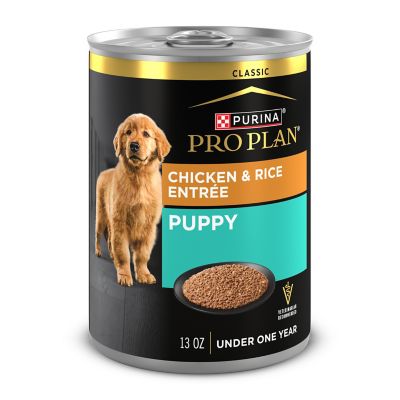
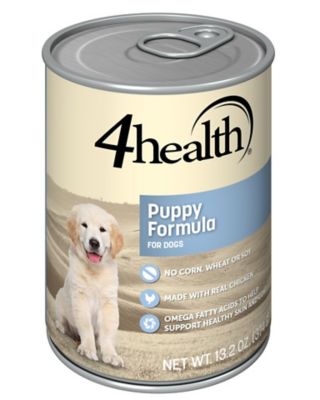
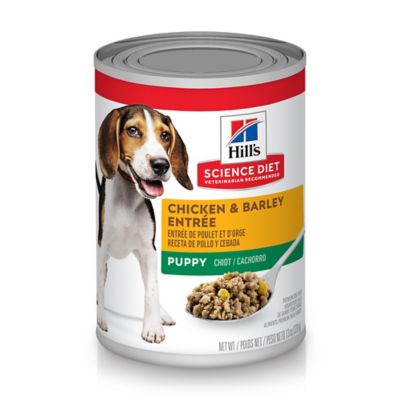
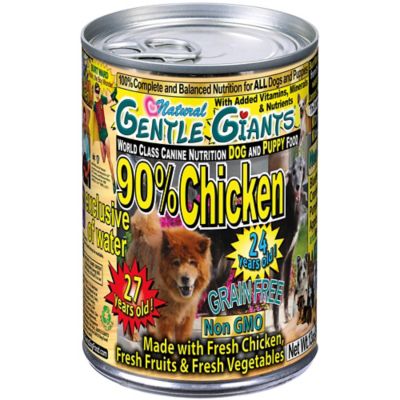
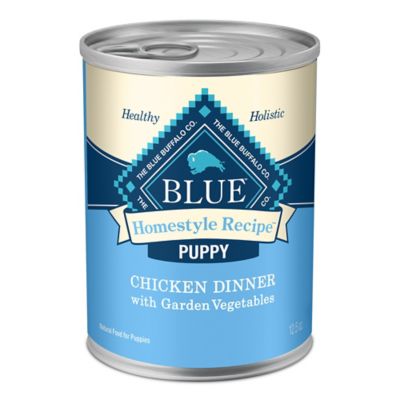
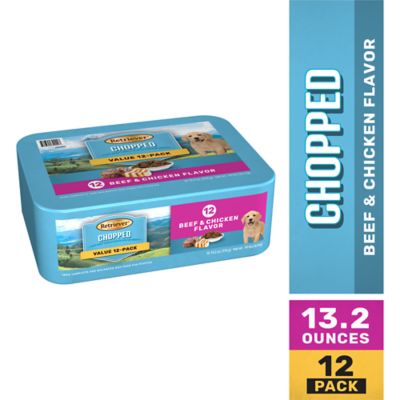
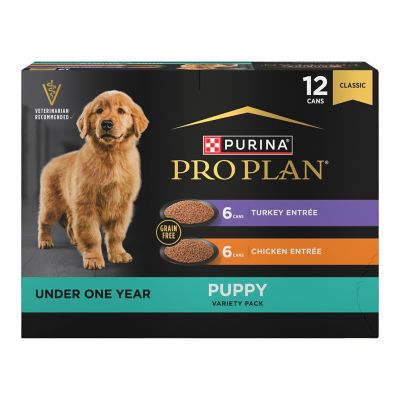
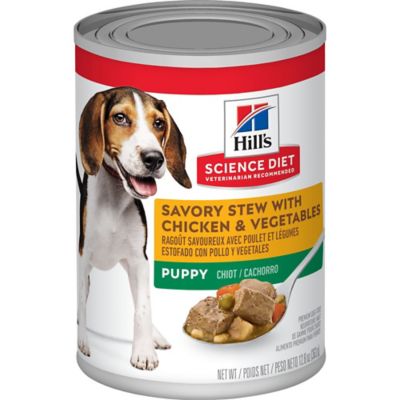
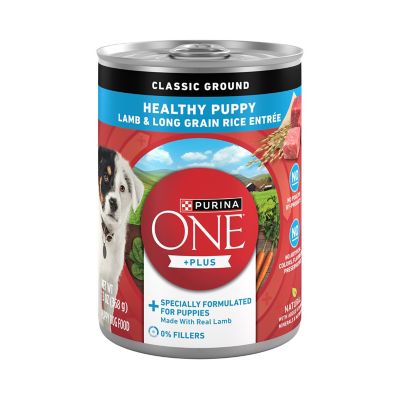
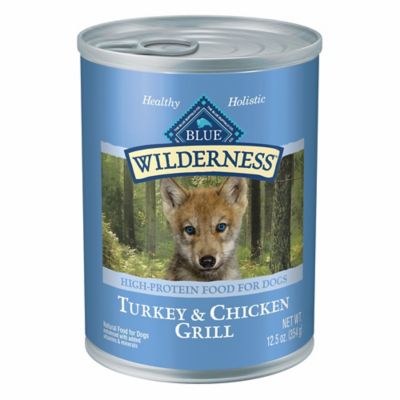
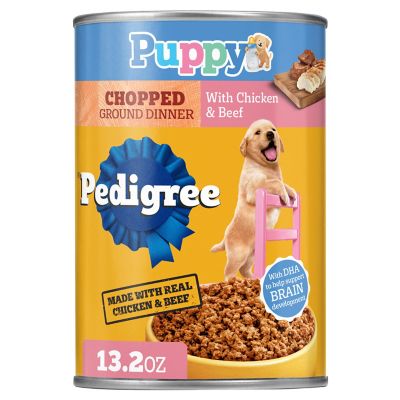
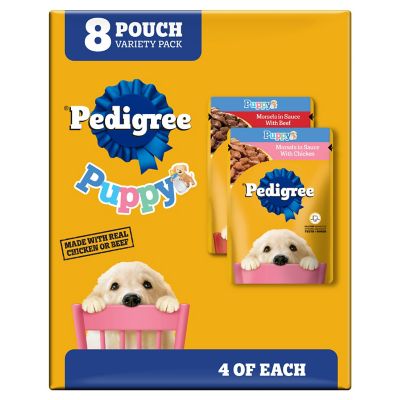
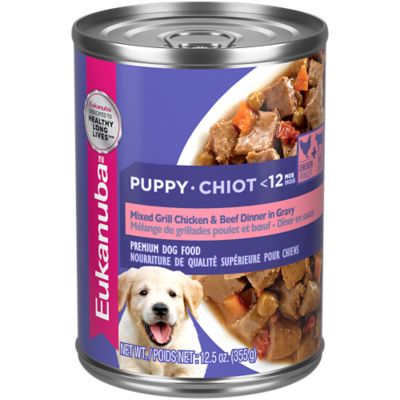
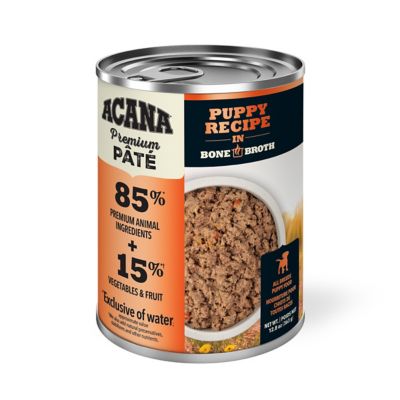
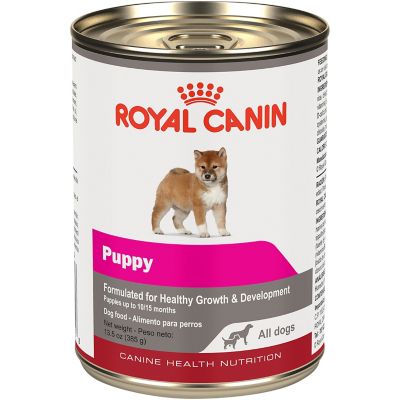
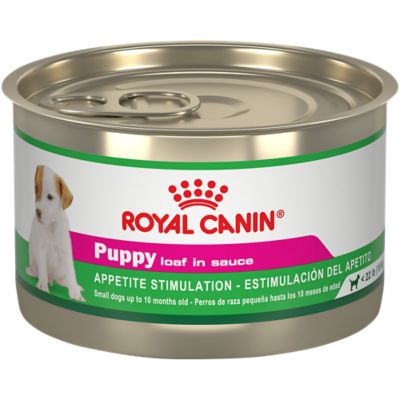
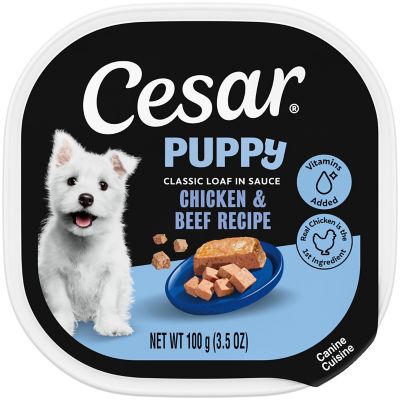
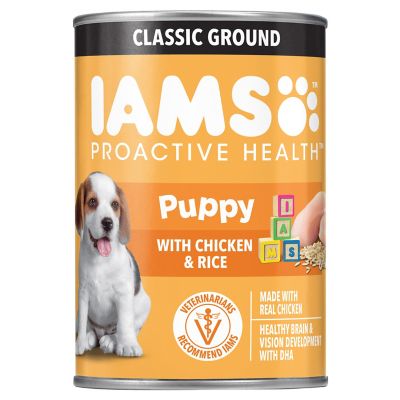
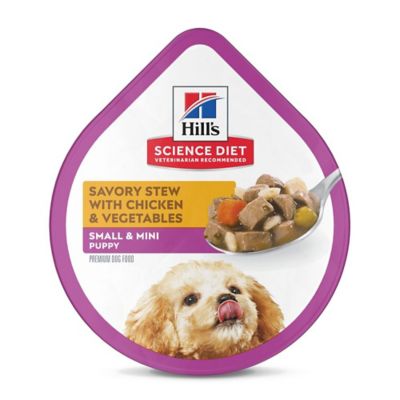
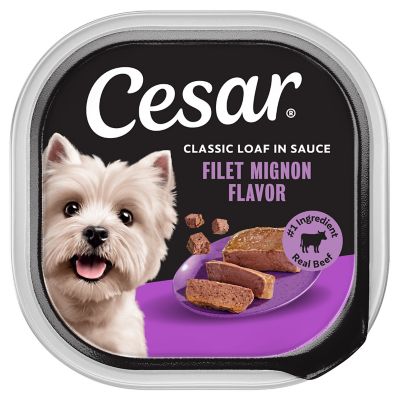
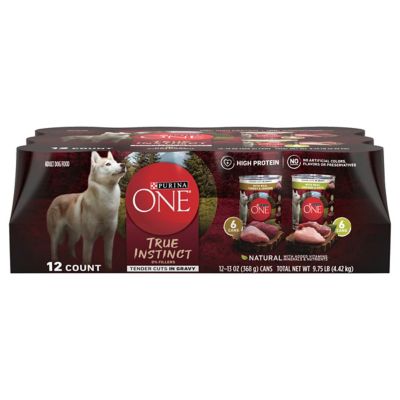
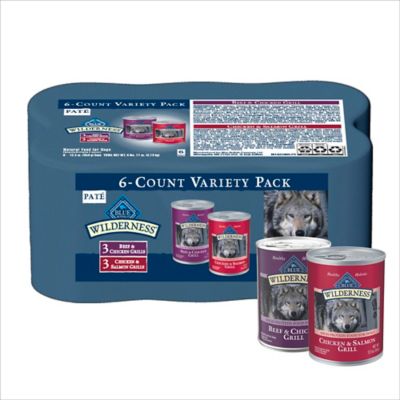
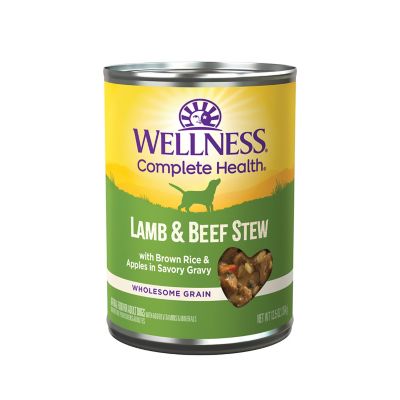
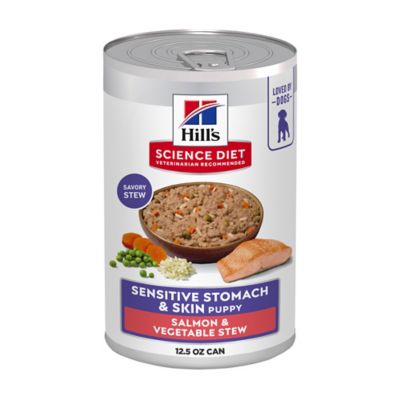
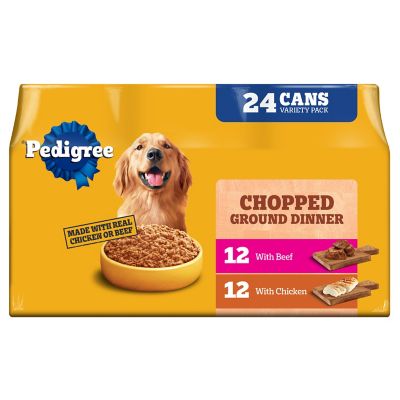
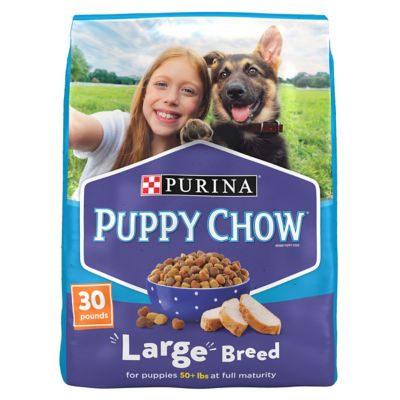
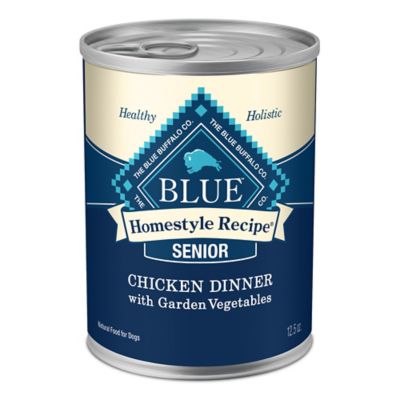
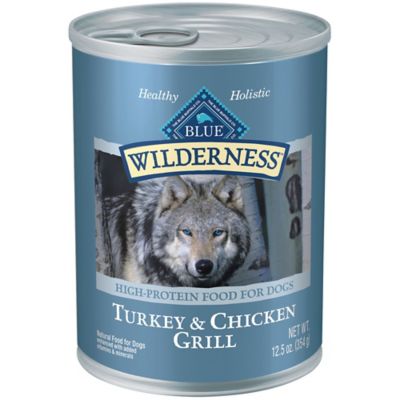
Puppy food cans offer a soft, moist meal made for the fast-changing needs of young dogs. During the first year, puppies grow at a rapid pace, and the right food helps provide energy for play, learning, muscle growth, and everyday development. Canned food has a high moisture content, which can help support hydration while adding a savory texture that many puppies enjoy. It can be served on its own, spooned over dry puppy food, or mixed into a meal for a little extra flavor and moisture. When comparing puppy food cans, start with the label on the package rather than the front-of-bag wording. Look for a formula marked for “growth” or “all life stages” and check that it states the food meets the nutritional levels established by the Association of American Feed Control Officials, or AAFCO, for growing puppies. A named animal protein, such as chicken, beef, lamb, turkey, or fish, near the beginning of the ingredient list can help you understand the main protein source. Many puppy formulas also include DHA, an omega-3 fatty acid associated with brain and vision development, along with other nutrients that support growing bones, muscles, and immune function. Canned meals come in several textures, including loaf, pate, minced, and chunks with gravy, so a little attention to texture can make mealtime easier for a young dog that is still learning how to eat. Puppies with small mouths may manage smooth or finely minced food more comfortably, while larger pups may enjoy a heartier texture. Always follow the feeding chart on the package, adjust portions as your puppy grows, and check with a veterinarian when your dog has special nutritional needs, a sensitive stomach, or a medical condition. For more choices across wet and dry formulas, visit
Puppy Food.
Puppy food cans can fit neatly into all kinds of daily routines, from a quiet breakfast in the kitchen to a supper served after a long romp across the yard. They are handy for households raising a new pup, families caring for a young dog during the cooler months, and anyone welcoming a puppy into a home or farm setting. A can may also make a thoughtful addition to a new-puppy gift basket alongside a feeding bowl, collar, leash, training treats, and a soft place to rest. If you are giving food as a gift, it is best to learn the puppy’s current diet, age, breed size, and any known food sensitivities first. A sudden switch can lead to loose stools or an upset stomach, so new food is generally introduced gradually by blending a small amount with the puppy’s familiar meal and increasing it over several days. Keep an eye on the puppy’s body condition, appetite, stool, and energy as the change takes place. Young dogs often burn through meals quickly, yet portion needs can vary widely based on age, expected adult size, activity, and the calorie content of the formula. Large-breed puppies may need food formulated with their growth pattern in mind, while small-breed puppies often benefit from smaller portions offered more frequently. Fresh water should be available throughout the day, especially when meals include dry food or when a puppy is active outdoors. Canned food can be especially useful for older young puppies moving from softened food to regular meals, for pups that need added moisture, or for dogs that are selective about texture. Opened cans should be covered and refrigerated, with leftovers handled according to the package directions. Letting a chilled portion warm slightly before serving can bring out its aroma, though food should never sit out for extended periods. Clean the bowl after meals, store unopened cans in a cool, dry place, and keep feeding areas away from feed rooms, heat sources, and curious farm animals.
Choosing the right puppy food cans comes down to matching the formula and serving style to the dog in front of you. Read the guaranteed analysis for protein, fat, fiber, and moisture, and compare the calorie statement when portions need to be carefully managed. High moisture is one of the main benefits of canned food, while dense protein and balanced fat help supply fuel for growing bodies. Ingredients such as DHA and other omega-3 fatty acids may support early brain and eye development, and a complete growth formula should provide the vitamins and minerals puppies need rather than relying on table scraps or an assortment of toppers. Meat names can vary by recipe, so check the full ingredient list if your puppy reacts to a particular protein. Puppies are often eager eaters, which makes mealtime a useful opportunity for gentle training: place the bowl in a calm spot, keep a regular schedule, and offer praise for settling quietly instead of rushing or guarding the food. On busy mornings, pre-measured portions can make feeding simpler, while smaller cans or trays may help reduce leftovers in homes with a little pup and a modest appetite. Larger cans can work well when more than one puppy is eating the same formula, provided the food is stored safely after opening. During rainy days, chilly evenings, or stretches when outdoor play is shorter, watching portions and activity can help keep growth on track. A veterinarian can help determine whether a puppy should remain on a growth formula, when to change to adult food, and how to adjust meals as the dog reaches maturity. With a suitable label, a flavor and texture your puppy accepts, and a routine that fits your household, canned puppy food can be a practical part of raising a bright-eyed, energetic companion.