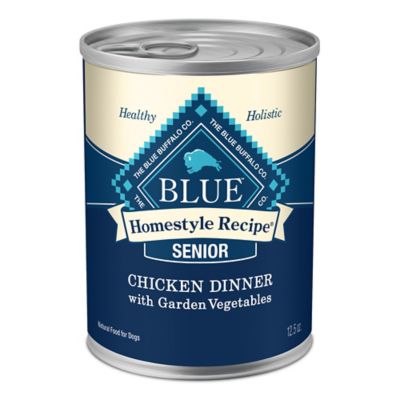
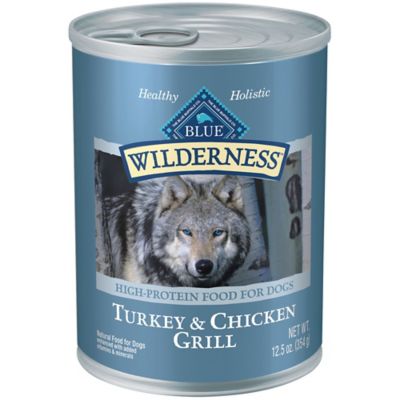
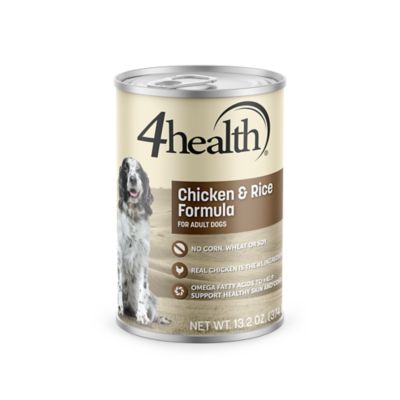
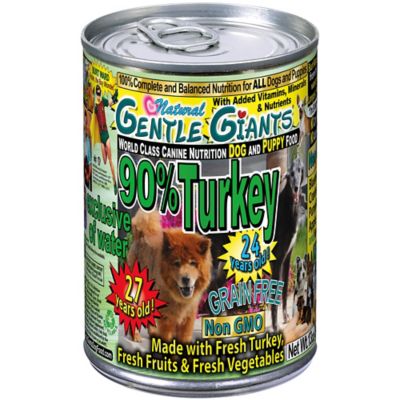
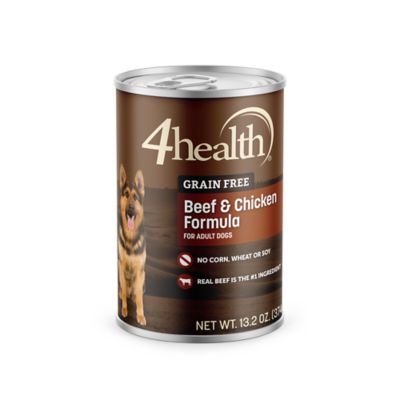
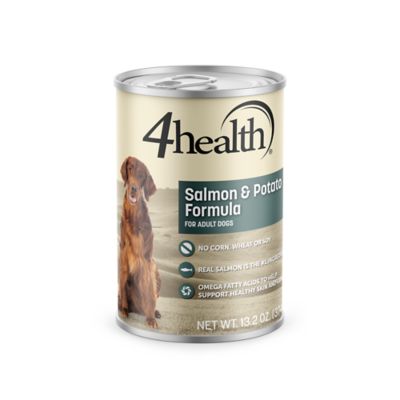
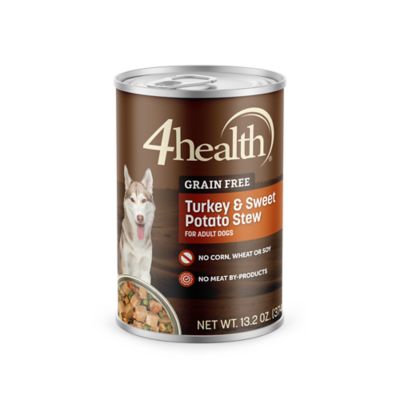
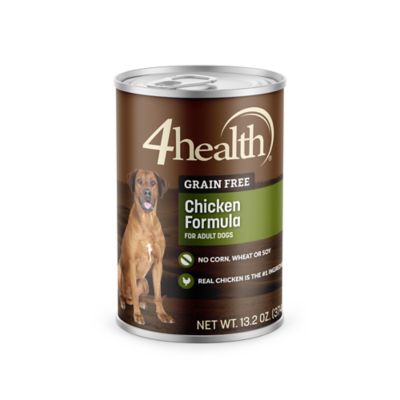
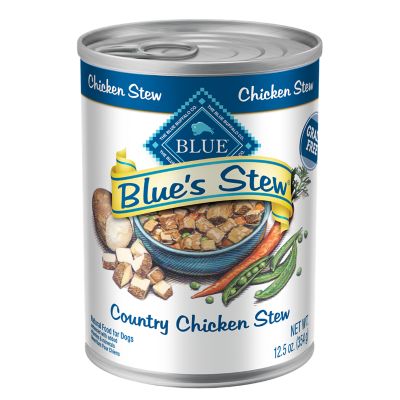
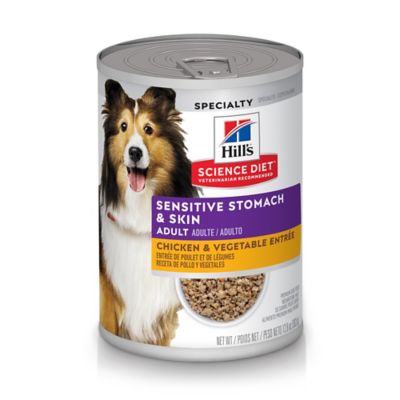
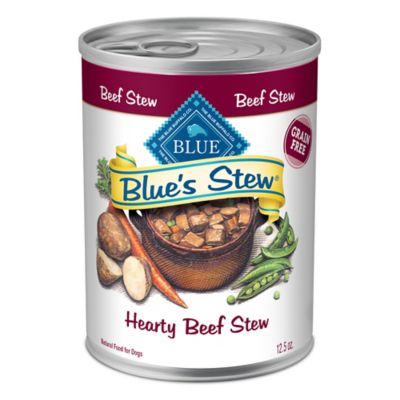
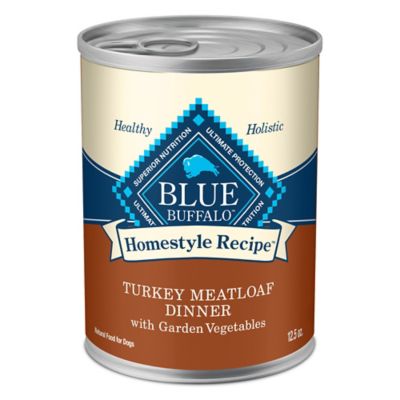
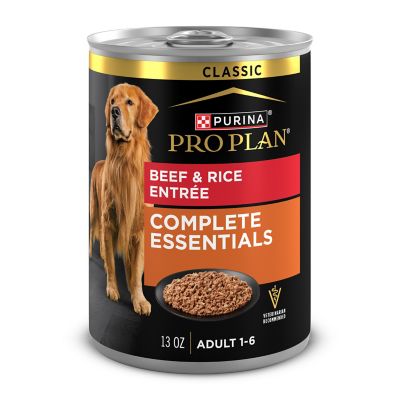
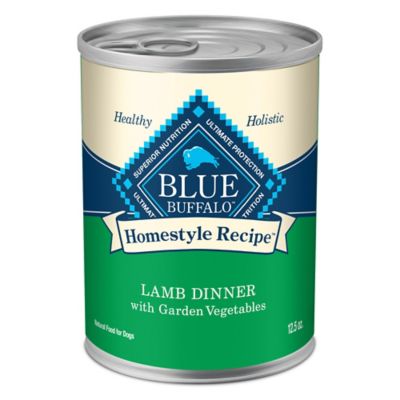
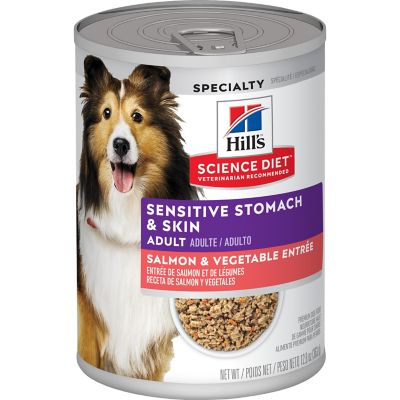
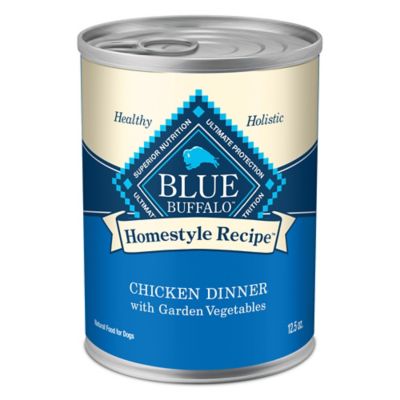
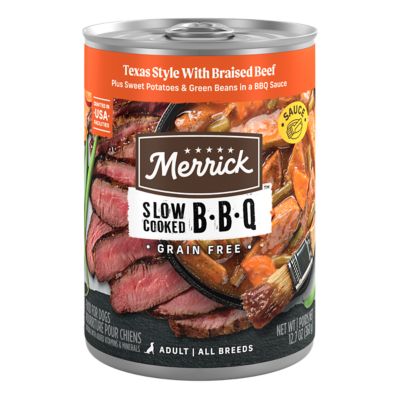
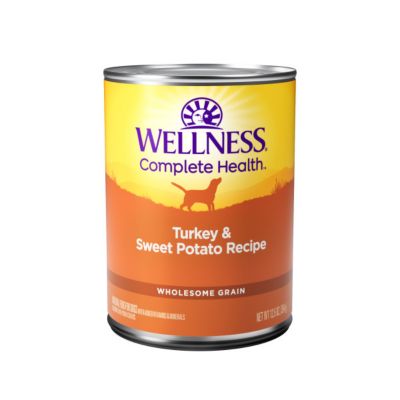
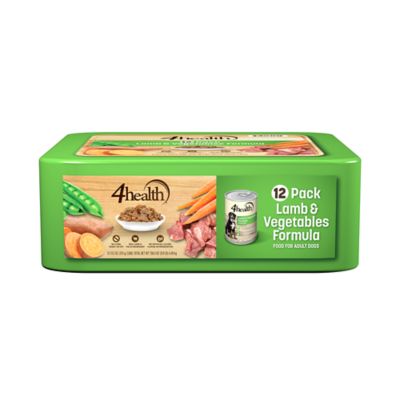
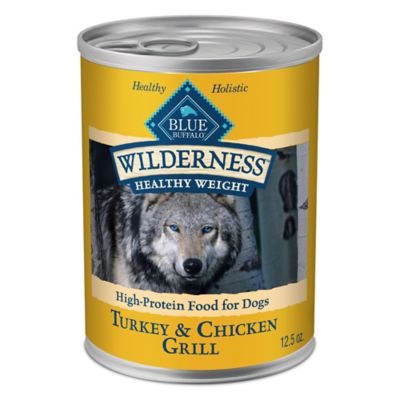
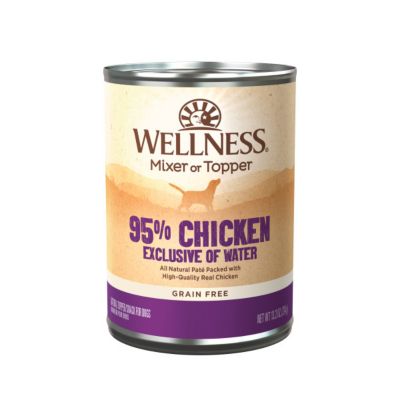
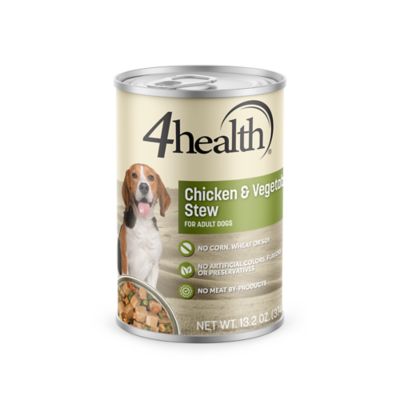
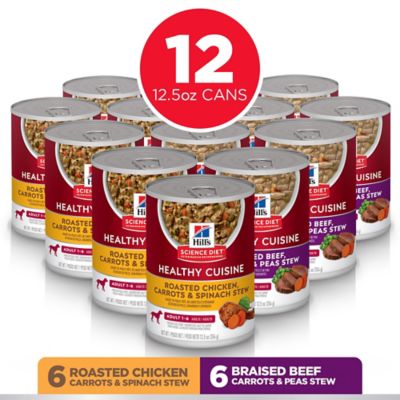
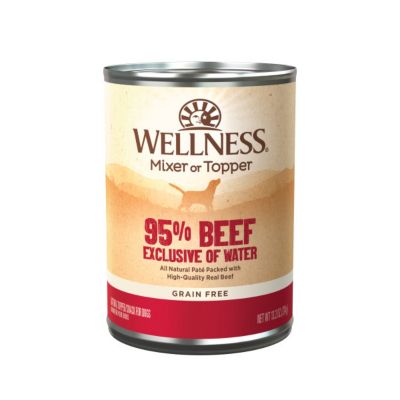
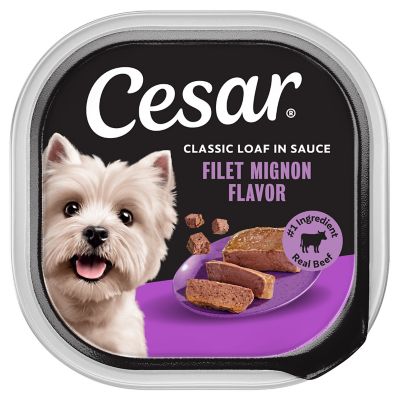
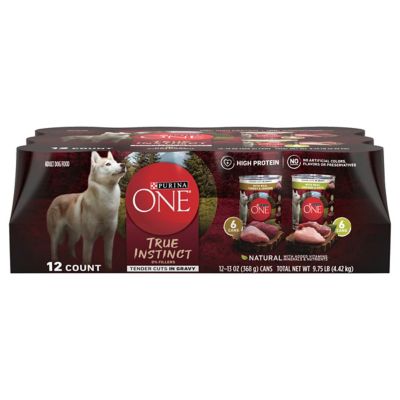
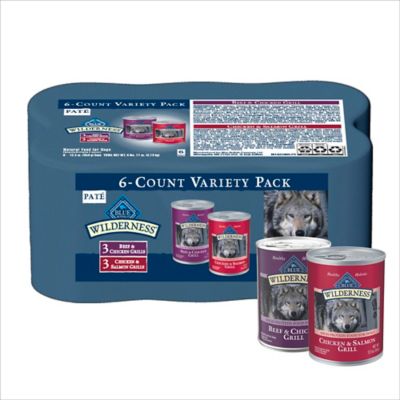
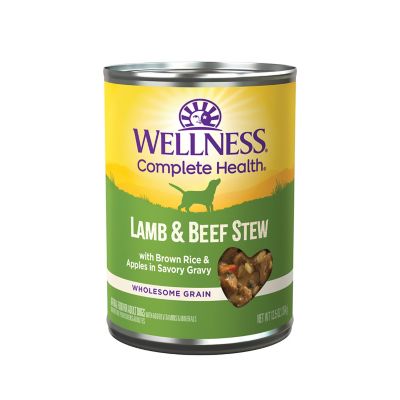
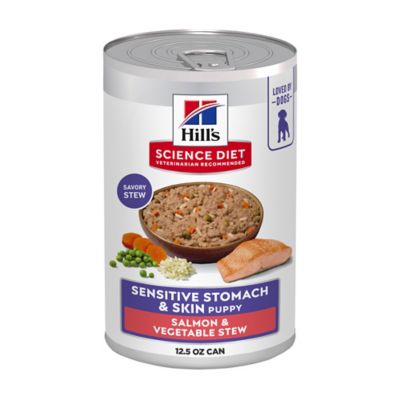
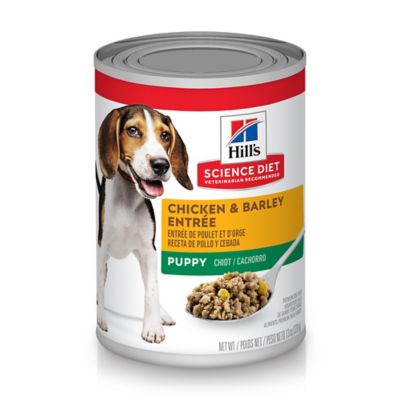
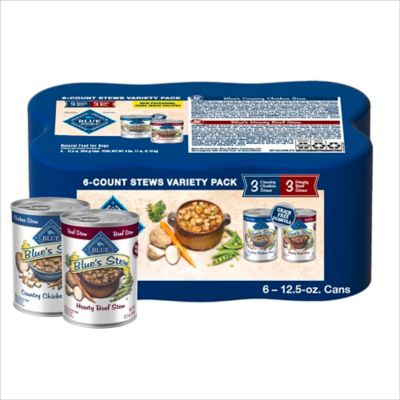
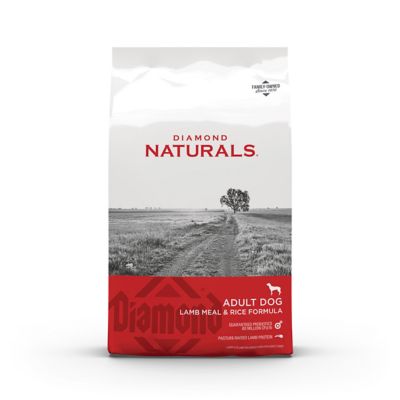
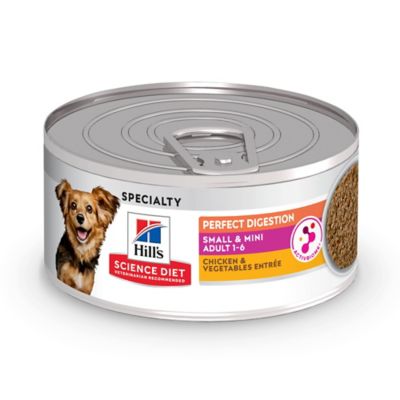
Healthy canned dog food can be a practical choice for dogs that enjoy a softer meal, need extra moisture in their diet, or have a hard time chewing dry kibble. Many canned recipes contain roughly 75% to 78% moisture, which can help support everyday hydration and may be useful for dogs that do not drink much from their bowl. The soft texture is also handy for puppies transitioning to solid food, older dogs with tender teeth, and pets with lower appetites. Some owners mix a spoonful of wet food with kibble to add aroma and flavor, while others serve it as a complete meal according to the feeding directions. When comparing healthy canned dog food, start with the nutritional statement on the label. A recipe marked “complete and balanced” for your dog’s life stage has been formulated to provide the essential nutrients your pet needs when fed as directed and should meet standards established by the Association of American Feed Control Officials, commonly called AAFCO. Puppies, adult dogs, and seniors can have different nutritional needs, so choose a formula made for the right stage of life. It also helps to look for a named animal protein, such as chicken, beef, turkey, lamb, or salmon, near the beginning of the ingredient list. Ingredient lists can look a little like a feed-store inventory, but the first few ingredients still offer useful context about what goes into the can. Real meat, poultry, or fish can provide protein, while ingredients such as broth, grains, vegetables, and gentle fiber sources may contribute moisture, energy, vitamins, or digestive support. Terms such as “meat” or “animal” without a specific source may provide less information than a clearly named protein. Some pet owners prefer recipes with fewer artificial colors, flavors, or preservatives, while others look for grain-inclusive recipes that fit their dog’s established routine. There is no single ingredient list that works for every dog, and a food that agrees with one dog may not suit another. A dog with a sensitive stomach may do better with a simple recipe and a gradual change, while a dog with a known allergy, kidney concern, urinary issue, or other medical condition may need food selected with guidance from a veterinarian. Dogs that need to manage their weight can benefit from measured portions and a recipe designed for appropriate calorie intake, but the feeding chart is only a starting point. Activity level, breed size, age, and treats all count. A stocky farm dog who spends the day moving between the porch, pasture, and truck may need a different amount than a smaller companion who prefers the cushion by the woodstove. Check the calories per serving when listed, measure meals consistently, and keep fresh water available at all times.
Canned food is also useful in the everyday rhythms of caring for a dog. During cooler months, a familiar wet meal can be comforting after a long walk, a day of chores, or a romp through damp leaves, and the added moisture can be welcome when indoor heating makes the air dry. It can be portioned into smaller meals for dogs that eat too quickly, used as a topper for picky eaters, or softened further with a little warm water when a dog needs an easier-to-eat texture. Introduce any new food slowly over several days by mixing increasing amounts with the old food, and keep an eye out for changes in stool, appetite, energy, or skin. If your dog develops ongoing digestive trouble, itching, vomiting, or a sudden change in eating habits, pause the transition and contact a veterinarian. Once opened, cover the can and refrigerate unused food, then follow the package guidance for how long it should be kept. Serve meals in a clean bowl and avoid leaving wet food out for long stretches, especially in a warm room. Portion control matters with canned food because the soft texture can make it easy to offer an extra scoop without noticing. A kitchen measuring cup or a marked food container can make feeding simpler for the whole household, including family members who take turns caring for the dog. Canned dog food can make a thoughtful addition to a welcome basket for someone bringing home a new rescue, adopting a senior dog, or settling a puppy into its first home. It is also a useful donation for an animal shelter, foster family, or neighbor helping care for a dog in need. For a gift, pair a few cans with a sturdy bowl, storage lid, or washable feeding mat, while checking the recipient’s preferred protein and any dietary restrictions before choosing food. Households caring for several dogs may want to compare can sizes and feeding costs, since larger packages can be convenient for bigger dogs while smaller containers may help reduce waste in homes with a little dog. You can browse additional nutrition-focused options through
healthy Dog Food selections, then use your dog’s age, size, activity, preferences, and veterinarian’s advice to narrow the choices. A good feeding routine does not need to be complicated: choose food suited to your dog’s life stage, read the label, introduce changes gradually, store opened cans safely, and watch how your dog looks and feels over time. Bright eyes, steady energy, a healthy coat, comfortable digestion, and a body condition that stays on track are all helpful signs that the daily bowl is doing its job.