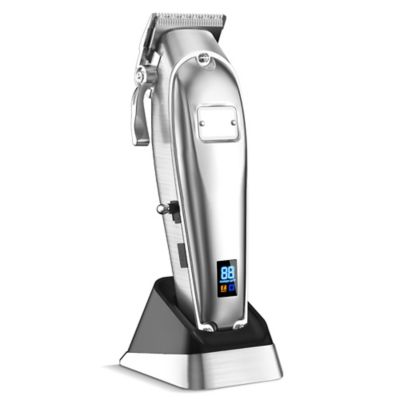
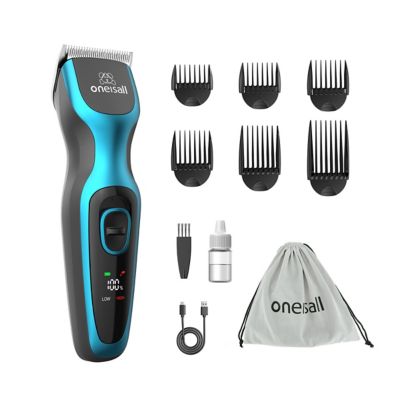
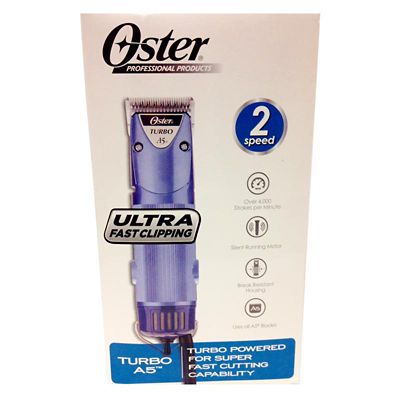
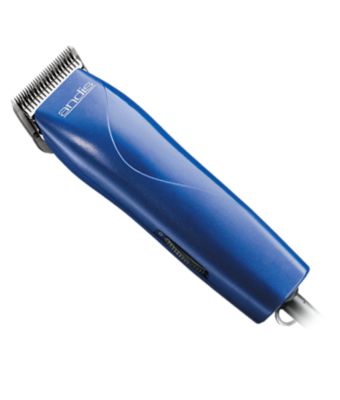
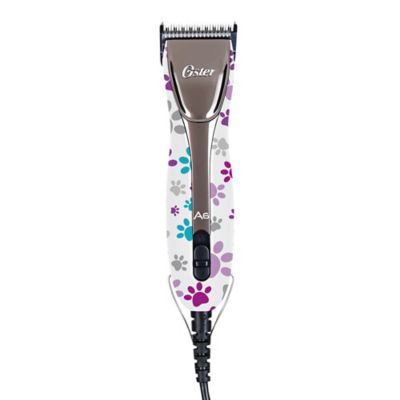
Professional dog grooming clippers are powered grooming tools built for coat trimming, with motor strength, blade options, and handling features suited to repeated work. Many have detachable blades, multiple speeds, or ergonomic housings that help groomers work across different coat types and body areas. They belong in busy grooming shops, mobile grooming setups, boarding facilities, and homes where an experienced owner keeps up with regular trims. A curly poodle coat, a silky spaniel coat, and the dense furnishings on a schnauzer each put different demands on the tool. Motor power matters, but a high strokes-per-minute rating does not tell the whole story. Cutting performance also depends on motor torque, blade condition, coat preparation, and how steadily the clipper moves through the hair. Rotary motors are common in professional grooming equipment, while some models feature brushless motors that reduce brush-related maintenance. Certain designs regulate motor output as coat resistance changes, helping maintain a steadier cutting pace. Variable-speed controls offer flexibility for different grooming tasks, though higher speed can also bring more noise, vibration, and blade heat. For a groomer moving from a broad body trim to careful work around a leg, a comfortable grip and easy-to-reach switch can matter just as much as power. Housing shape, tool weight, and balance all affect how the clipper feels over a full appointment. A slim handle may suit smaller hands, while a slightly fuller grip may feel steadier to someone else. Textured grip areas help with control, especially when loose hair collects around the workstation. Lower noise and reduced vibration may be helpful for dogs that react to buzzing equipment, although no clipper takes the place of patient handling and a calm setup. For anyone tending several dogs, these details add up: a tool that feels manageable on the first trim should still feel manageable when the last dog steps onto the grooming table.
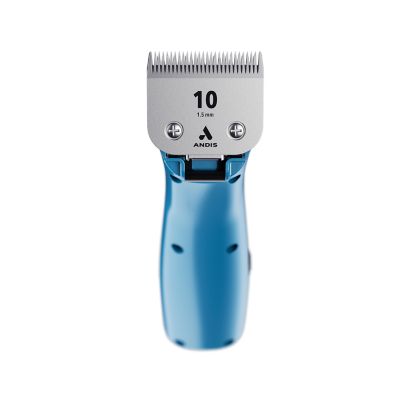
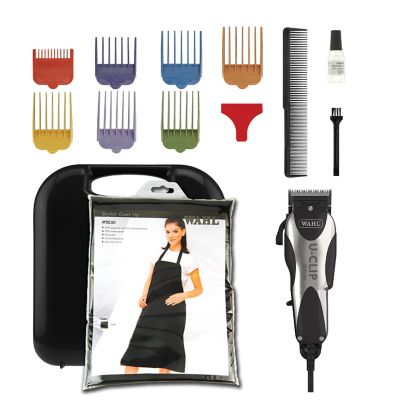
Blade construction and compatibility shape what professional dog grooming clippers can do. Detachable-blade systems make it possible to change cutting lengths, replace a blade that needs attention, or switch between tasks without changing the entire tool. A5-style blade compatibility is common in this category, but fit should always match the clipper manufacturer's specifications; similar-looking blades and attachments are not automatically interchangeable. Steel blades offer a familiar cutting surface that can often be professionally sharpened, while some blade assemblies pair a steel comb with a ceramic cutter. Ceramic cutters have different wear and heat characteristics, but every blade still needs regular checks during grooming. The blade assembly can become hot through friction, regardless of the material. Blade numbers generally relate to cutting length, though the stated length on the blade or packaging is the clearest reference, especially across different systems. Attachment combs provide additional length choices when paired with a compatible blade, and their fit matters for an even finish. Stainless steel combs can move smoothly through a properly prepared coat, while other attachment materials offer different handling characteristics. The finished result also depends on coat texture, growth direction, and preparation. A clean, dry, thoroughly brushed coat lets the blade travel more evenly than hair carrying dirt, tangles, or packed undercoat. That distinction matters for a dog that spends the day nosing around fence lines just as much as one headed into a grooming appointment from the couch. Dense matting can pull skin close to the blade and calls for trained handling rather than extra pressure or repeated passes. Dogs with double coats also need coat-specific decisions, since close clipping is not appropriate for every breed or situation. Professional grooming equipment supports careful work, but it does not make one blade length right for every dog. Body trimming, paw work, and sensitive-area grooming involve different clearances and levels of skill, making blade selection and the dog's comfort central considerations.
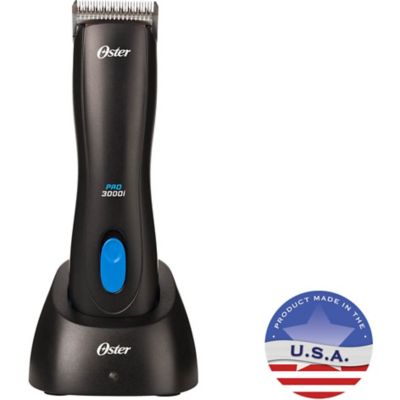
Corded and cordless professional dog grooming clippers suit different workspaces and routines. A corded tool provides continuous electrical power without a battery recharge break, which can be practical for back-to-back appointments at a fixed grooming station. Cord length, flexibility, and placement affect movement around the table, particularly when a large dog takes up most of the working space. Cordless designs remove that trailing line and can make it easier to change sides or reach around a dog's legs. Their usefulness depends on battery runtime, charging time, battery condition, and the demands of the coat being clipped. Published runtime figures may reflect particular test conditions rather than a full day of varied grooming. Some designs permit operation while connected to power, while others require charging between sessions, so the operating instructions matter. Replaceable batteries and accessible replacement parts can also influence a tool's service life. For households comparing equipment for routine coat upkeep,
Dog Clippers For Grooming offers a related place to consider the broader category alongside professional grooming needs. Long-term care remains part of owning any clipper, whether it spends its days in a salon or comes out for regular trims at home. Loose hair collects around blade teeth, hinges, and vents, and keeping those areas clear helps the equipment work as intended. Blade oil, cleaning products, and disinfectants each serve different purposes and should match the manufacturer's directions. Lubrication helps limit friction; it does not replace cleaning or disinfection. A dry storage spot, protected blade edges, and a case that keeps attachments together help prevent needless wear between grooming sessions. Dull blades, damaged cords, loose fittings, or changes in sound deserve attention before another trim. Sharpening and replacement schedules depend on workload, coat condition, and maintenance rather than a single fixed timeline. Clippers can also make a thoughtful gift for a trained groomer or an experienced dog owner, especially when the choice matches the recipient's blade system, preferred grip, and power setup. The best fit is equipment suited to the dogs, the workload, and the hands doing the grooming.