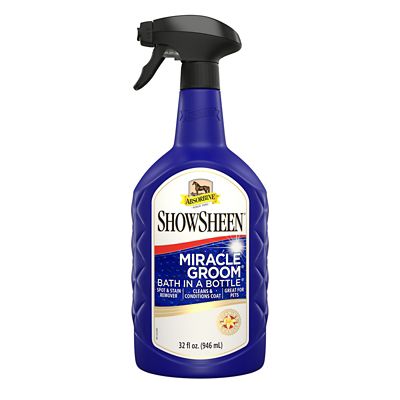
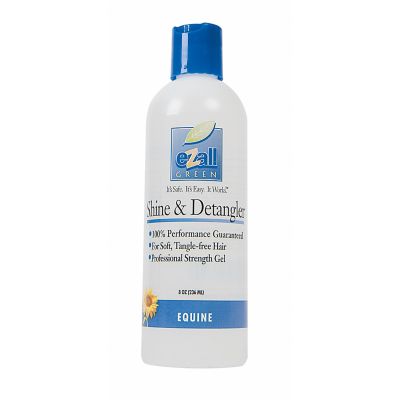
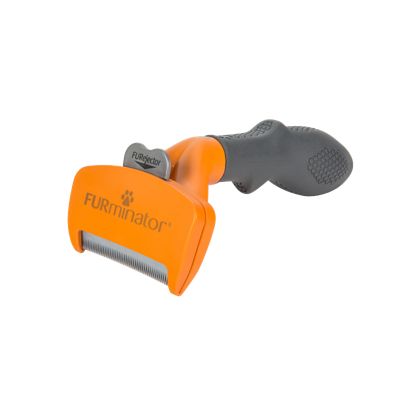
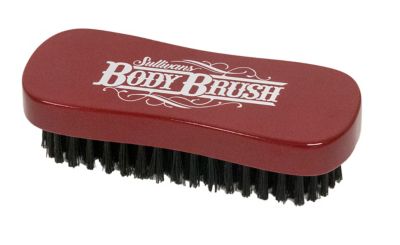
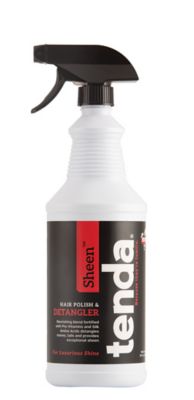
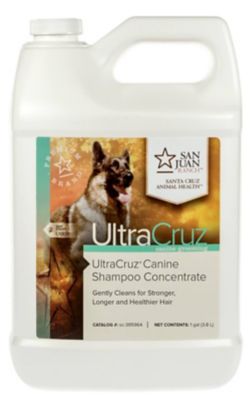
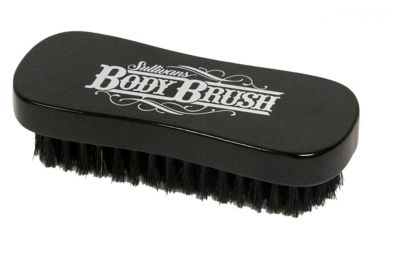
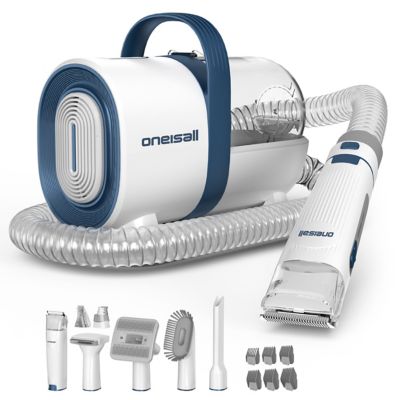
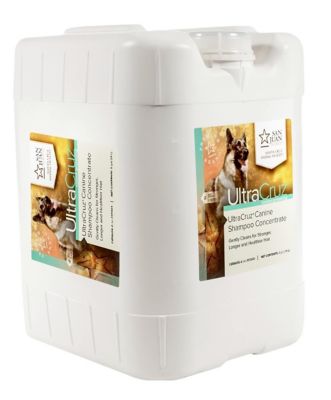
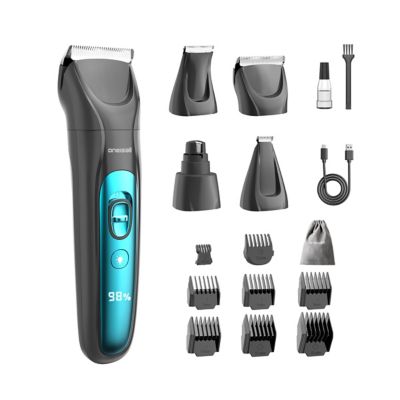
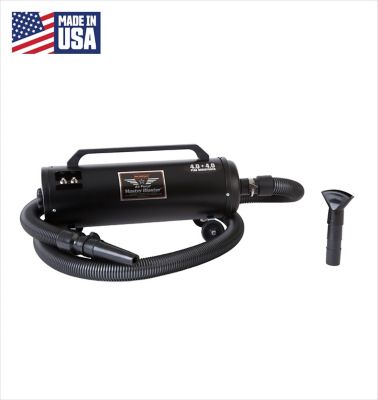
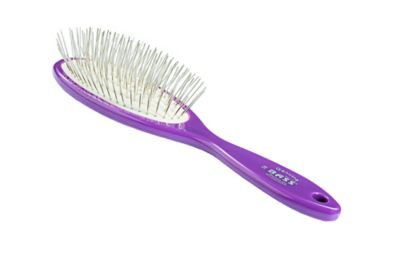
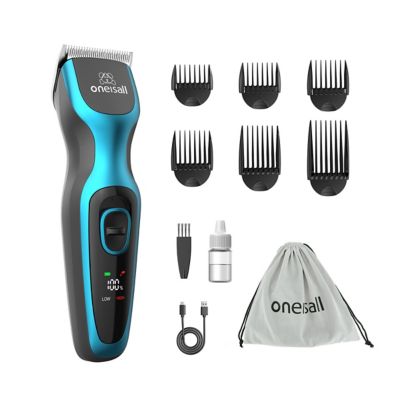
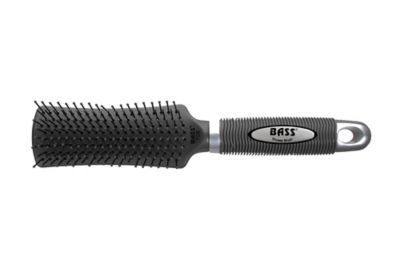
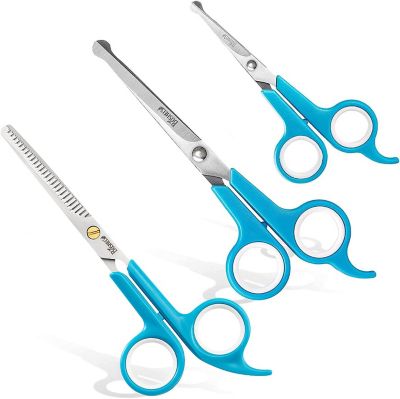
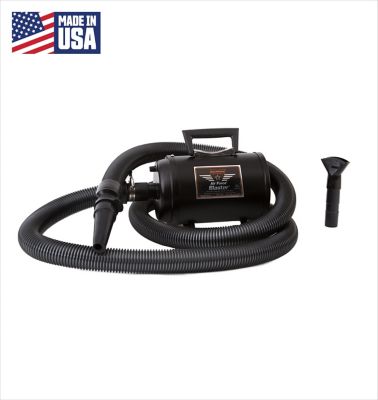
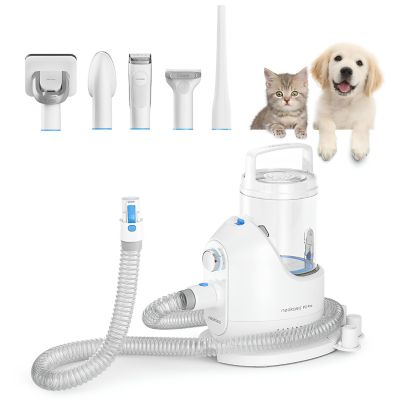
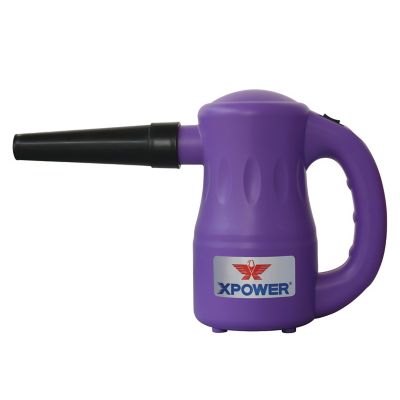
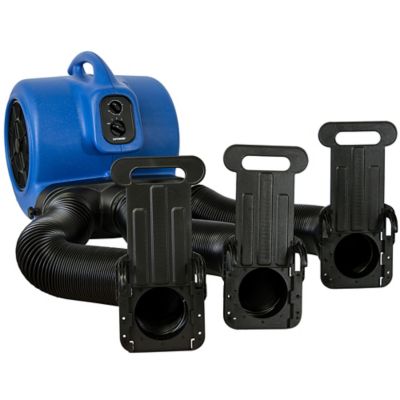
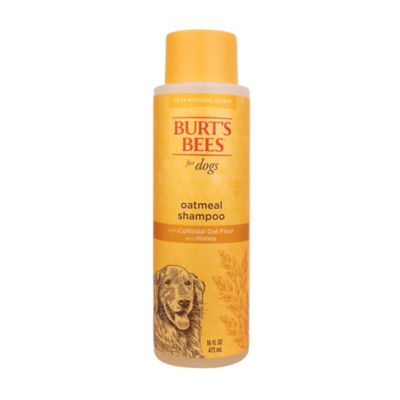
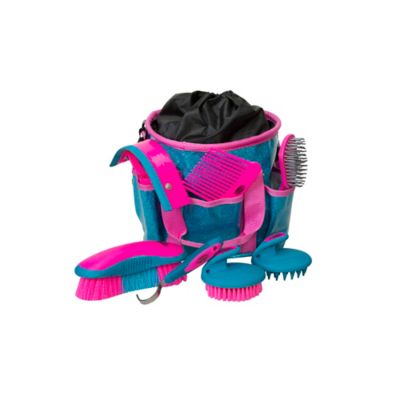
Professional animal grooming brings together bathing, brushing, coat trimming, nail care and gentle cleaning of the outer ears to help animals stay clean and comfortable. Grooming supplies and equipment support that work in salons, mobile grooming setups, boarding kennels and dedicated spaces at home or on the farm. The right setup depends on the animals coming through the door, the condition of their coats and the kind of handling they need. A short-haired dog carrying dust from a day around the barn has different grooming needs than a long-coated companion with tangles behind the ears. Cats have their own handling requirements and need grooming formulas labeled for their species; a product intended for dogs is not automatically suitable for cats. Coat type matters just as much as animal size. Smooth coats, wiry coats, curly hair and dense undercoats call for different brushing and trimming approaches, so grooming tools should match the job rather than simply the length of the coat. Brushes and combs help lift loose hair and work through manageable tangles, while clipping and finishing equipment support coat shaping and routine maintenance where appropriate. Bathing formulas should suit the animal’s species, life stage and skin needs, with clear labeling for any dilution or rinsing requirements. Not every animal needs a haircut, and routine clipping is not the right answer for every coat. For working dogs, family pets and animals handled for shows, a practical grooming setup makes room for both regular upkeep and the occasional bigger cleanup. Professional groomers and kennel staff may need equipment that handles repeated appointments, while owners caring for a few animals may put more value on straightforward controls, comfortable grips and simple cleanup. In either setting, professional animal grooming equipment should support careful work without making the animal harder to handle. The goal is a clean, manageable coat and a grooming experience that takes the animal’s comfort seriously, not the same finish or routine for every pet.
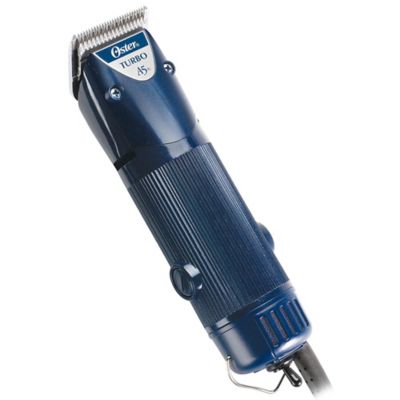
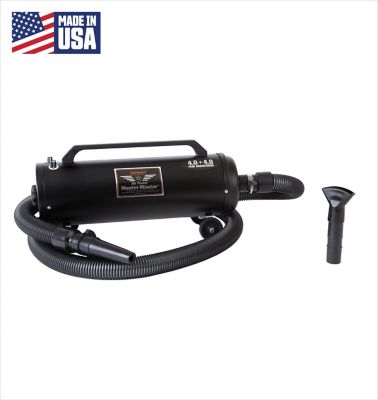
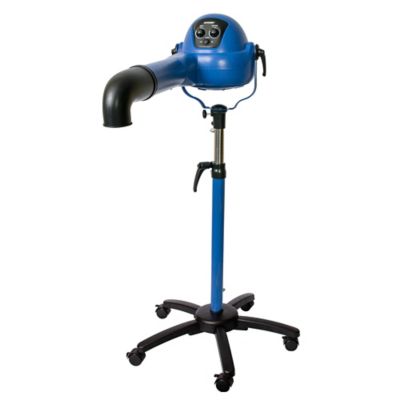
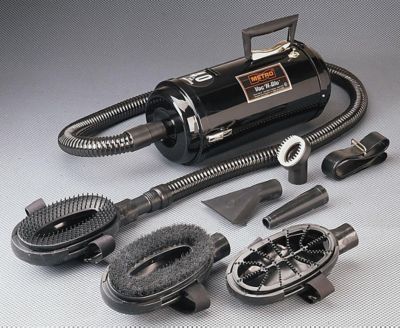
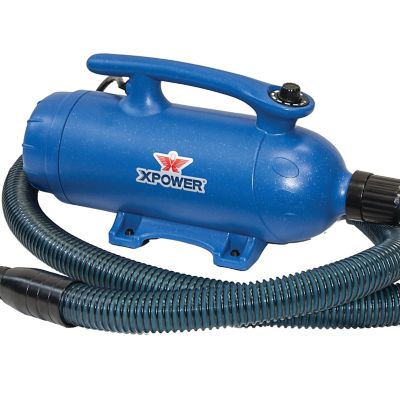
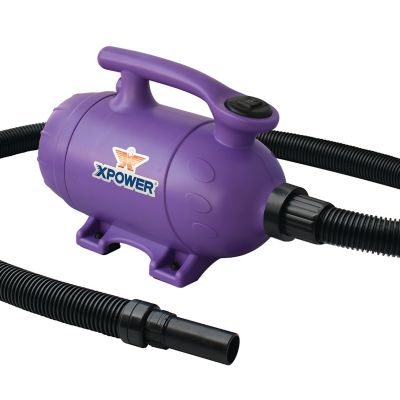
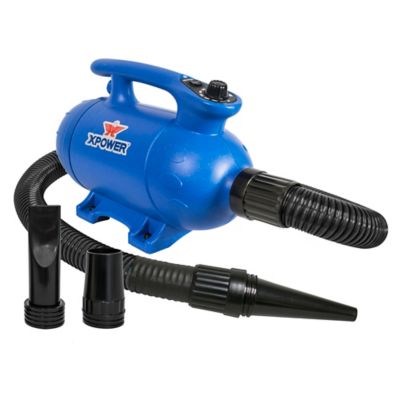
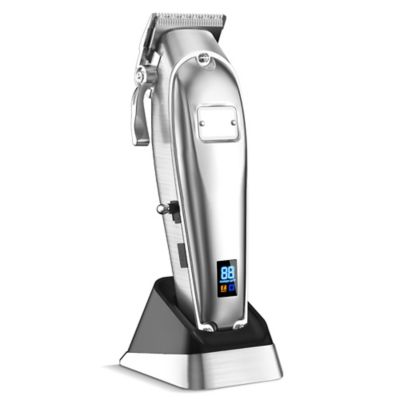
Materials, construction and handling make a real difference when grooming takes more than a few minutes. Stainless steel working surfaces can offer corrosion resistance, though they still need proper cleaning and drying. Grip shape, tool weight and balance matter during a long brushing session or a careful trim around the feet. Rounded comb teeth and appropriately finished brush pins are worth considering for contact with sensitive skin, while tooth spacing and pin length should match the coat’s density and depth. Clipping equipment deserves attention to blade compatibility, cutting length, vibration and motor performance under the intended workload. A lightweight tool may feel easier to maneuver around a small dog, while repeated full-coat clipping puts different demands on the equipment. Blade temperature also matters because friction can make metal hot enough to irritate skin. Nail-care equipment should fit the animal’s size and allow controlled work; visibility and a steady grip are especially important when nails are dark or the animal dislikes having its feet handled. Bathing and drying equipment brings another set of considerations. Adjustable airflow, manageable sound levels and easy-to-clean contact surfaces can make the workspace more comfortable for both animals and handlers. Drying requires supervision and attention to the animal’s response, particularly around the face and ears. Non-slip footing and an appropriately sized work surface help animals stand more securely, while lifting needs matter for large dogs and pets with limited mobility. Any restraint system needs proper fit, close supervision and a quick way to release it. Grooming loops and supports are handling aids, not a reason to leave an animal unattended. For mobile groomers or shared kennel spaces, equipment dimensions, cord placement, storage and access to cleaning supplies matter, too. A setup that fits the room and leaves space to move around the animal can be more practical than one crowded with equipment that rarely earns its place.
Keeping grooming equipment ready for the next animal is part of caring for the whole setup. Hair, grit and bathing residue collect in brush bases, comb teeth, blade assemblies and work surfaces, so cleanable construction matters. Removable parts and accessible surfaces can make routine maintenance less of a chore, especially where several animals share the same grooming area. Manufacturer directions should guide washing, disinfecting, blade lubrication and storage, since not every material tolerates the same cleaning agents or soaking time. Thorough drying helps limit corrosion, and protected storage keeps cutting edges from knocking against other equipment. Worn teeth, damaged cords, cracked housings and rough edges are reasons to stop and assess a tool before it touches another coat. Keeping supplies organized by task also helps separate bathing, nail care and coat finishing without a scramble through drawers while an animal waits on the table. For owners handling upkeep between appointments,
Pet Grooming Products for brushing, bathing and coat maintenance can complement professional care. The amount of upkeep depends on coat texture, activity, skin condition and how readily the hair tangles; there is no single bathing or haircut schedule that fits every dog or cat. A long coat that picks up burrs along a fence line may need closer attention than a smooth coat that sheds loose hair without tangling. Nail wear varies with activity and walking surfaces, and ear care should stay focused on appropriate outer-ear cleaning rather than probing into the ear canal. Tight mats, painful skin, persistent ear odor, discharge or sudden sensitivity deserve professional attention rather than more force or a stronger grooming formula. Groomers can help assess coat maintenance needs, while suspected skin or ear problems belong with a veterinarian. Whether the work happens in a busy grooming room or a tidy corner of the barn, thoughtfully matched supplies, sensible maintenance and patient handling help keep routine animal care manageable.