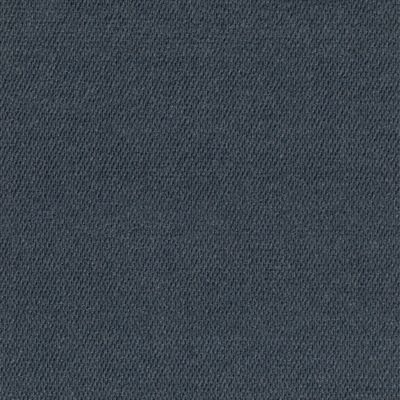
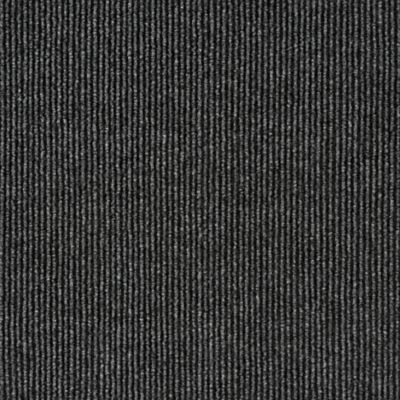
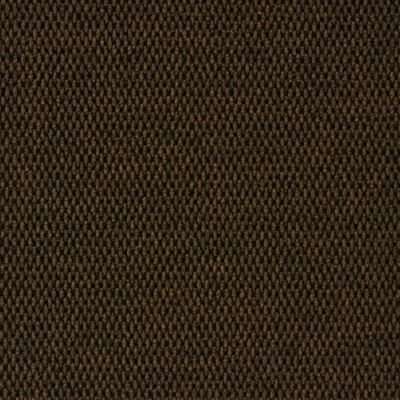
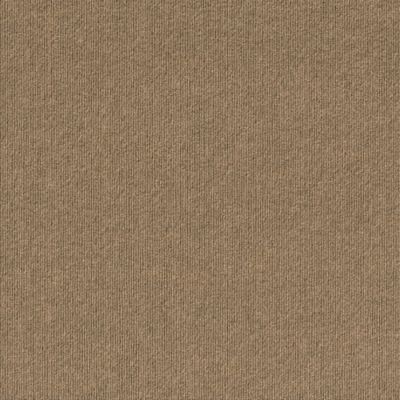
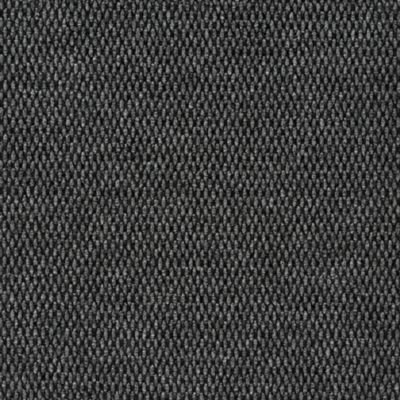
Pressure-sensitive adhesive carpet tiles are modular floor coverings secured with a tacky adhesive that bonds when firm pressure is applied. Many pressure-sensitive carpet tile adhesives remain tacky after drying, allowing individual tiles to be lifted, repositioned, or replaced without taking up the entire floor. That flexibility depends on the adhesive formula, tile backing, subfloor, and installation method; not every adhesive-backed tile releases the same way. Some carpet tiles have adhesive already applied to the back, while others require a compatible adhesive applied separately. The flooring and adhesive instructions determine whether a dry-to-tack installation is appropriate and how firmly the finished floor will bond. For a home office off the mudroom, a farm office, or a finished hobby room, this modular construction offers a softer surface underfoot without the handling involved in a full roll of carpet. Individual sections also make it possible to address a worn spot near a desk or a spill beside a worktable without replacing an entire room’s flooring, provided the installation supports tile removal. Carpet tiles can help soften footfall noise and make a room feel less bare, though they do not replace a tested sound-control system where one is required. Fiber and construction shape how the surface feels and performs. Nylon, polyester, and polypropylene are common carpet fibers, each with characteristics that vary by construction and treatment. A tightly constructed, low-profile surface generally suits rooms with frequent foot traffic, while a softer, taller pile may feel more comfortable in a quiet sitting area. Loop pile deserves extra consideration around pets whose claws may catch the yarn. Backing matters just as much as the visible face because it helps the tile hold its shape and must work with the specified adhesive. A thicker backing does not automatically mean a softer step, and extra cushioning is not always suitable beneath rolling chairs. Looking at the complete construction gives a clearer picture than judging a tile by its face fiber alone.
A good fit starts with the room and the floor beneath it. Pressure-sensitive adhesive carpet tiles generally need a sound, clean, smooth substrate that meets the flooring manufacturer’s requirements. Dust, loose material, old adhesive residue, and uneven patches can interfere with bonding or show through the finished surface. Concrete may need moisture and alkalinity testing even when it looks dry, while wood subfloors need to be firm enough to limit movement. An existing floor covering is not automatically an approved base, and separate carpet padding should not be added unless the tile system specifically allows it. These details matter in a converted room above a garage or an office built into an outbuilding, where the original floor may not have been prepared for carpet. The adhesive’s compatibility with both surfaces, along with its required drying time before tile placement, affects whether the installation stays in place and releases as intended later. Room dimensions also influence the finished appearance. Tile size, doorway placement, and the room’s shape determine how many seams and narrow edge pieces will be visible. Square rooms may suit a straightforward grid, while long rooms can benefit visually from a layout that follows the main sightline. Directional arrows on the backing may call for a consistent pile direction or allow alternating orientations for a different appearance. Even tiles in the same color can look lighter or darker when the pile faces another way. Pattern, texture, and color deserve consideration, too: a lightly mottled surface can make everyday lint and small bits of tracked-in dirt less noticeable than a flat, solid shade, but it still needs cleaning. Door clearance, transitions to adjoining floors, and exposed edges affect how comfortably people move through the space. In an office with rolling chairs, checking caster compatibility and any chair-mat recommendations helps prevent concentrated wear. For rooms open to visitors or regular business traffic, the flooring’s stated traffic rating and applicable building requirements matter more than appearance alone.
Everyday care is another reason to match pressure-sensitive adhesive carpet tiles to the way a room really works. Regular vacuuming removes grit before it settles into the pile and grinds against the fibers. At a busy entry, a suitable walk-off mat can catch much of the dirt carried in on work boots before it reaches the carpet. Food spills, muddy footprints, and pet messes call for prompt attention with cleaning methods approved for the fiber and backing. Blotting rather than scrubbing helps limit spreading and pile damage, while soaking a tile can create trouble for the backing, adhesive, or subfloor. Some flooring systems permit individual tiles to be lifted for separate cleaning, but that should never be assumed; the cleaning instructions need to confirm both removal and reinstallation. Where replacement is allowed, keeping a few matching tiles from the original purchase can make future repairs less noticeable, although sunlight and foot traffic may change the appearance of the installed floor over time. Carpet tiles are well suited to many enclosed rooms, but they are not a substitute for flooring intended for washdown areas, stalls, or places where standing water is expected. A feed room with frequent spills or a workspace handling oils may call for a different surface altogether. Where a project extends beyond an enclosed room,
Indoor Outdoor Carpet Tiles offer a related category to compare, with placement guided by the stated rating of the tile and adhesive system. In the right setting, pressure-sensitive adhesive carpet tiles balance everyday comfort with the practical benefit of sectional flooring. The strongest match is a tile construction suited to the traffic, a backing and adhesive that work together, and a floor beneath them that meets the installation requirements. Those details help a finished office, family workspace, or quiet corner of the house hold up to daily routines without making floor care a bigger chore than it needs to be.