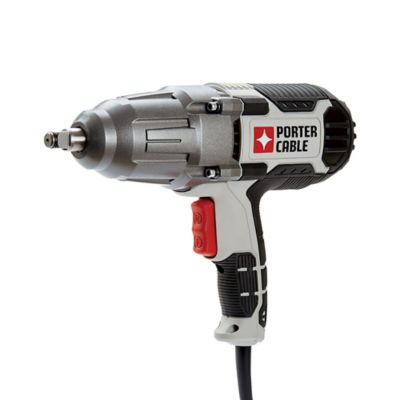
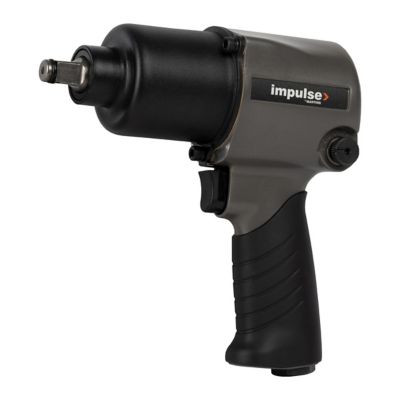
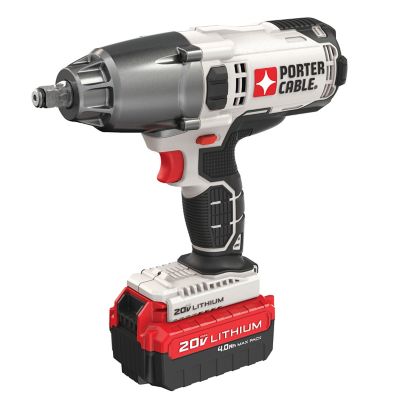
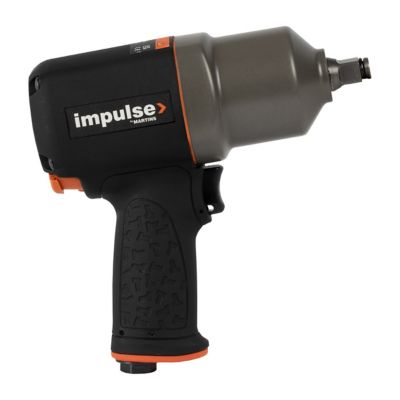
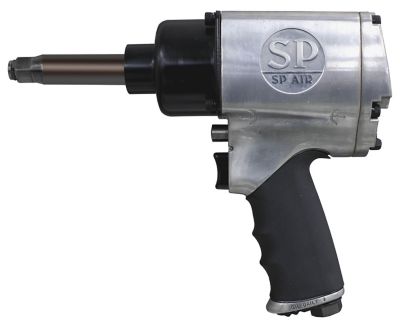
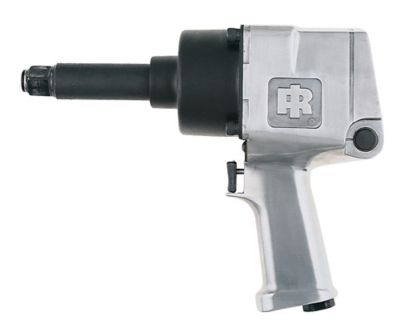
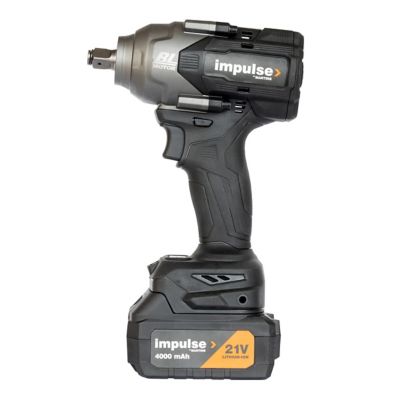
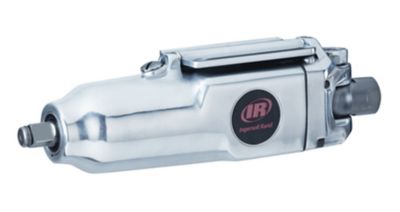
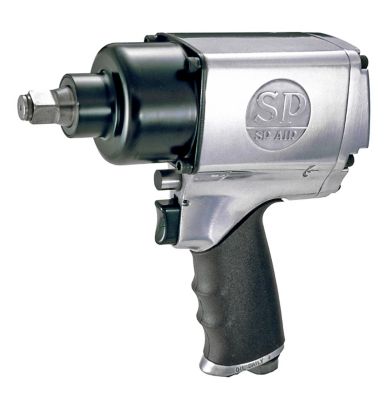
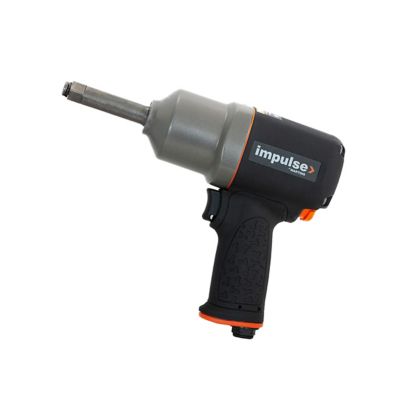
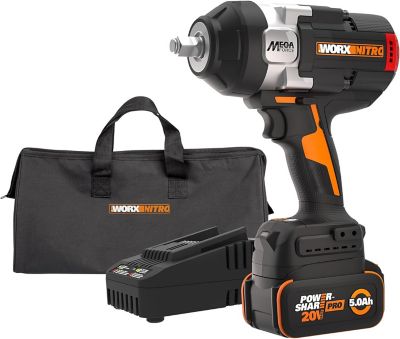
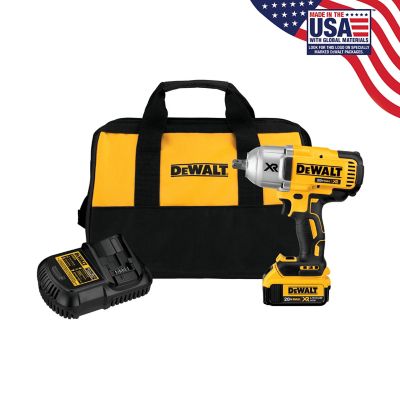
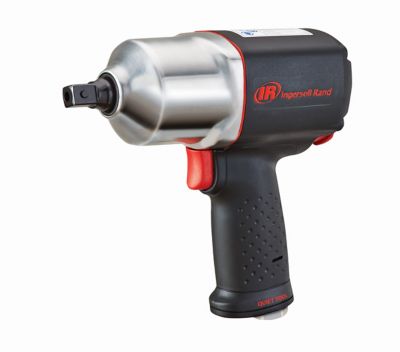
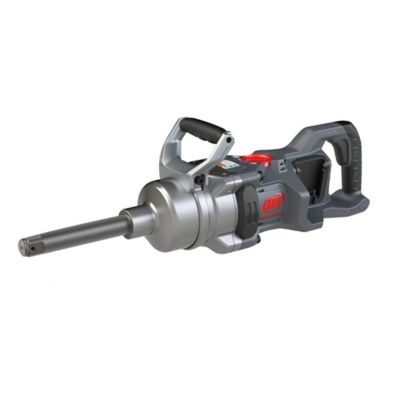
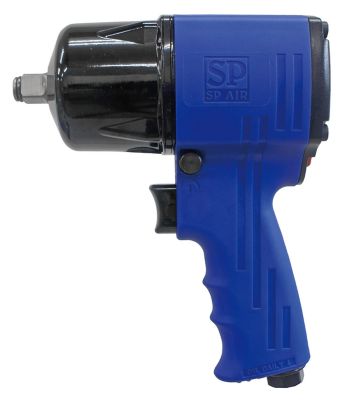
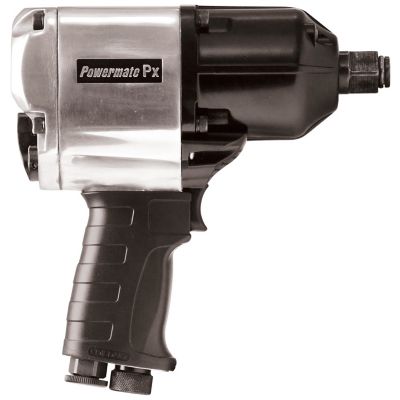
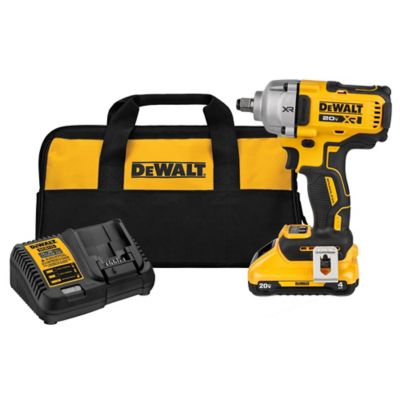
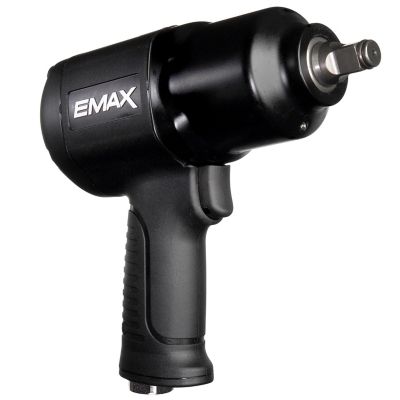
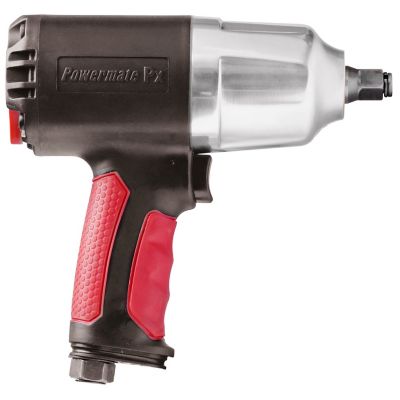
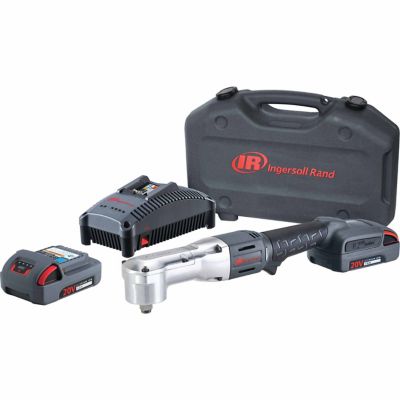
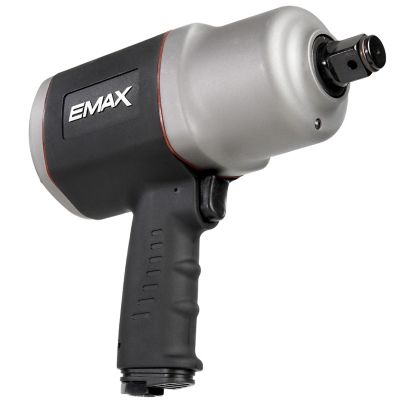
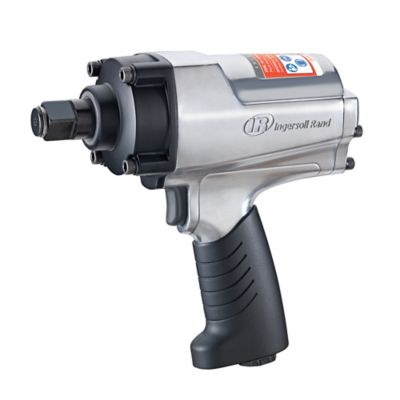
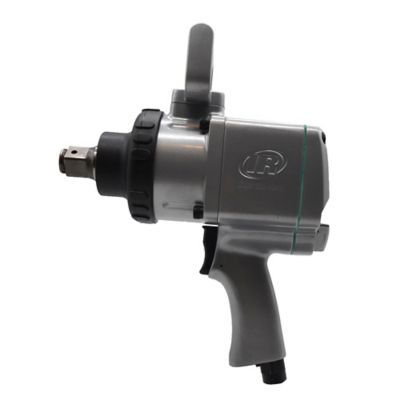
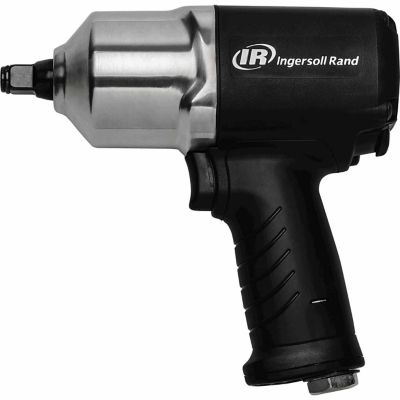
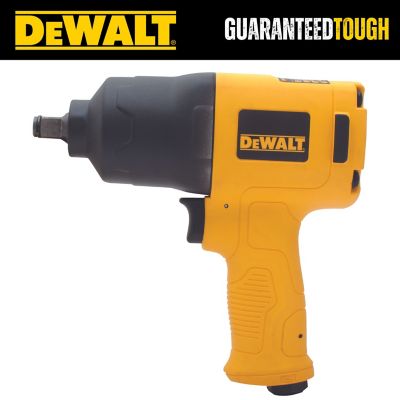
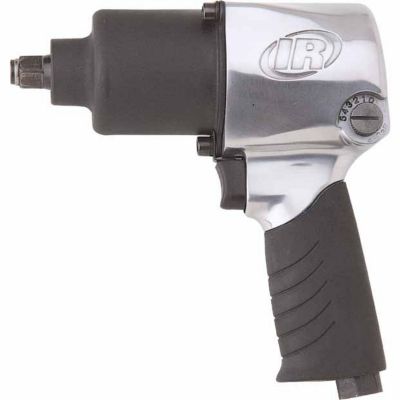
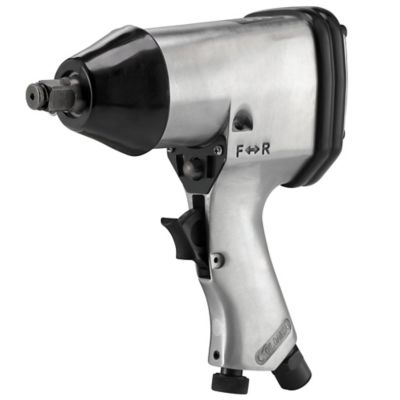
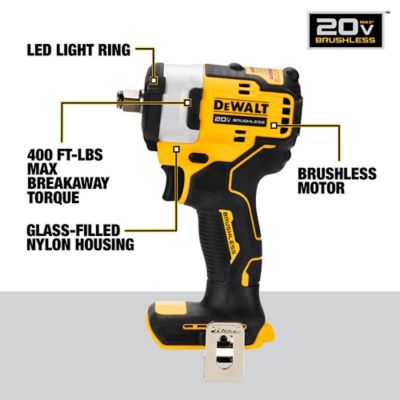
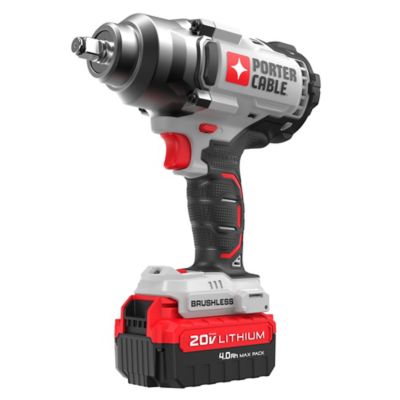
Power wrenches, often called impact wrenches, bring powered force to jobs that can leave your hands and shoulders worn out. Instead of relying only on a hand tool, an impact wrench uses a motor or compressed air to deliver fast bursts of torque through a square drive and socket. That extra force helps loosen stubborn lug nuts, remove rusted fasteners, and drive large bolts on equipment, trailers, vehicles, fencing projects, and building repairs. A power wrench can be especially handy when a fastener has been sitting through mud, road salt, dust, and changing weather. Many folks keep one near the garage or shop for tire work, mower repairs, trailer maintenance, and equipment service, while others bring one along for jobs away from an outlet. When shopping, start with the work in front of you. Look at the square-drive size, torque ratings, speed settings, battery system or air requirements, grip, overall weight, and access to replacement sockets and parts. A 3/8-inch drive can suit lighter automotive work and smaller fasteners, while a 1/2-inch drive is a common choice for lug nuts, suspension work, farm equipment, and larger bolts. Torque ratings can include breakaway torque and fastening torque, so read the specifications closely rather than relying on one number alone. For larger fasteners and stubborn hardware, explore
High Torque Impact Wrenches to find tools suited to demanding jobs.
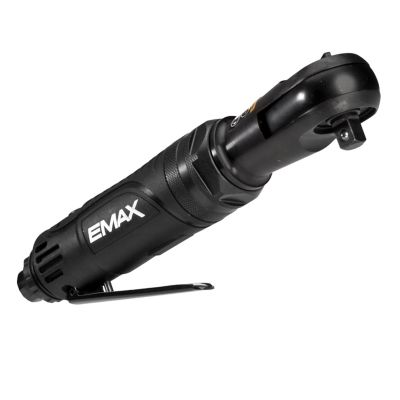
Cordless power wrenches are a practical fit for driveways, fields, barns, and other places where an outlet may be a long walk away. Rechargeable lithium-ion batteries let you move from a pickup to a hay wagon or from the shop to a gate hinge without dragging a cord across the ground. Consider battery voltage, amp-hour capacity, charge time, and whether the battery platform fits other tools you already keep on hand. A spare charged battery can help you stay on task during a tire change or a string of repairs. Corded electric models provide steady power as long as you have a suitable outlet and enough reach, making them a sensible choice for a garage or workbench area. Pneumatic power wrenches remain a familiar sight in repair shops and busy service bays because an air compressor can provide sustained output and the tool itself may feel lighter in hand. They do require a compressor with the right tank size, airflow, hose, fittings, and pressure range, so check those details before bringing one into your setup. Electric or air-powered ratchet wrenches serve a different role: they are built to spin fast in tighter spaces, such as beneath a vehicle hood or around engine components, but they generally do not provide the same breakaway force as a full-size impact wrench. Whichever style fits your work, pair it with impact-rated sockets and extensions made for powered tools. Standard hand-tool sockets can crack under impact force, sending fragments across the work area. Eye protection, gloves suited to the task, stable footing, and a clear work zone all help keep routine repairs under control.
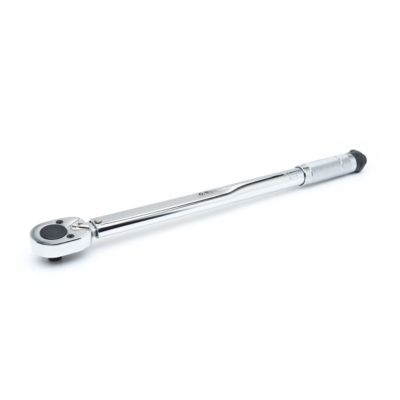
A power wrench can make a thoughtful gift for a tractor owner, home mechanic, weekend builder, ranch hand, or anyone who spends Saturdays keeping vehicles and equipment moving. It is the kind of tool that often earns its place the first time a lug nut refuses to budge or a weathered bolt finally breaks free with a sharp, controlled burst. During the cooler months, it can shorten time spent outside on tire changes, snow equipment checks, trailer repairs, and seasonal maintenance, especially when fingers are stiff and daylight fades early. For vehicle work, choose a model with enough torque for the fasteners involved, then finish critical connections with a properly set manual torque wrench when the vehicle or equipment maker calls for a specific tightening level. An impact wrench is meant to speed removal and initial fastening; it should not replace the final torque procedure on wheels or other safety-related parts. For farm and property work, think about portability, battery storage, air access, lighting, and how often the tool will travel between the shop, barn, truck, and field. A compact body may help around crowded machinery, while a larger high-torque tool may be better for heavy trailer components and large equipment hardware. Store sockets clean and dry, keep batteries protected from extreme temperatures, inspect cords and hoses before each job, and follow the maker’s care instructions. With the right drive size, power source, socket set, and safety habits, a power wrench can bring steady muscle to everyday repairs without turning every stubborn fastener into an all-afternoon chore.