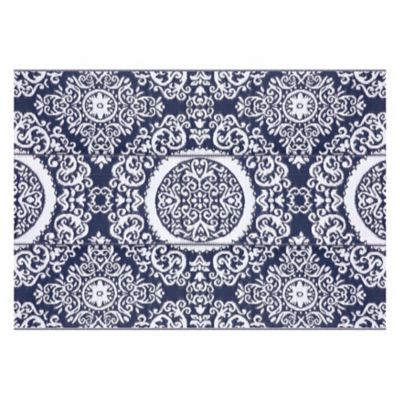
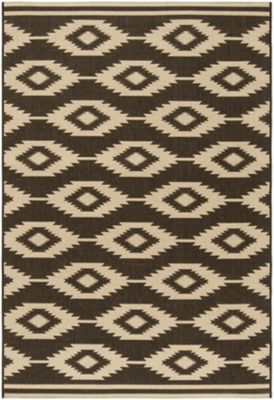
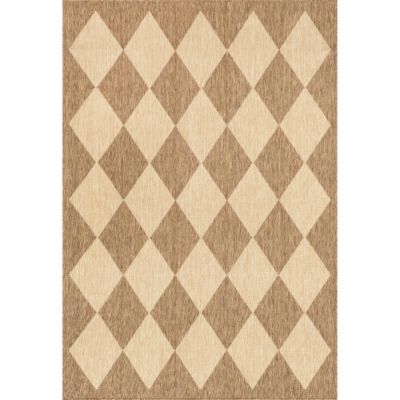
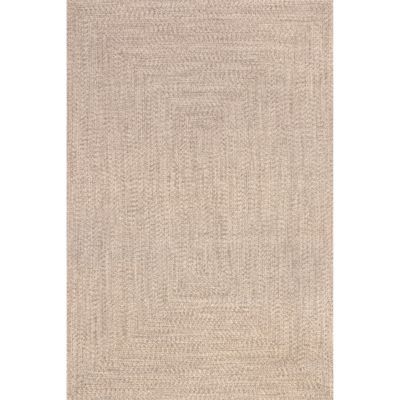
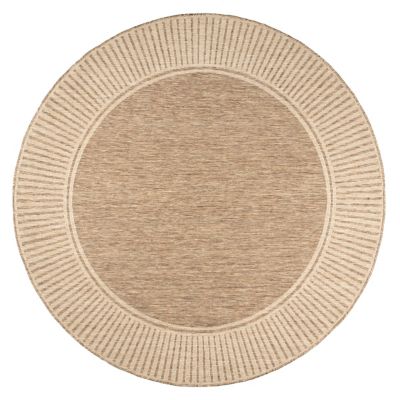
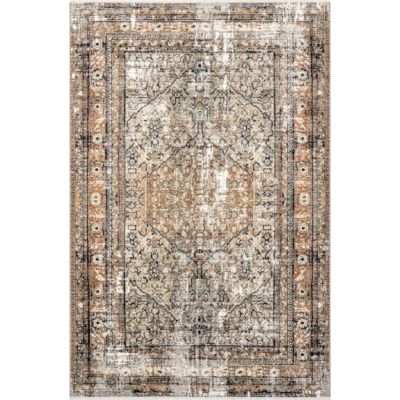
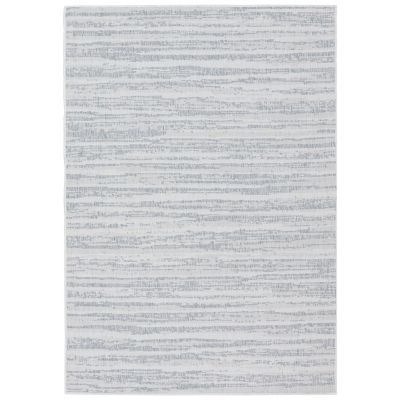
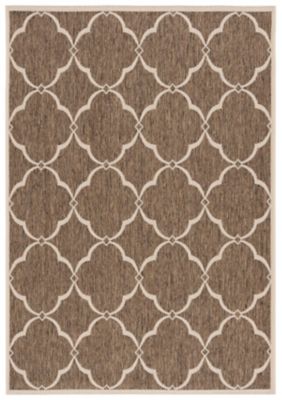
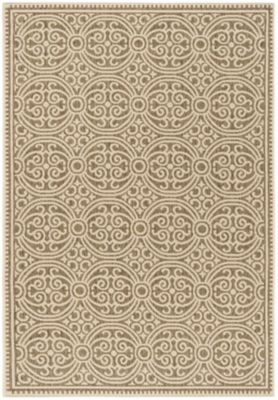
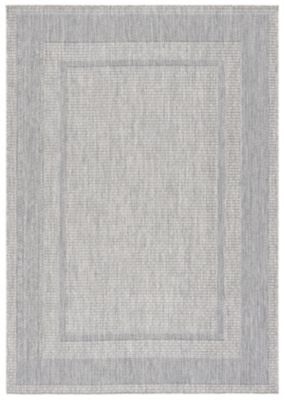
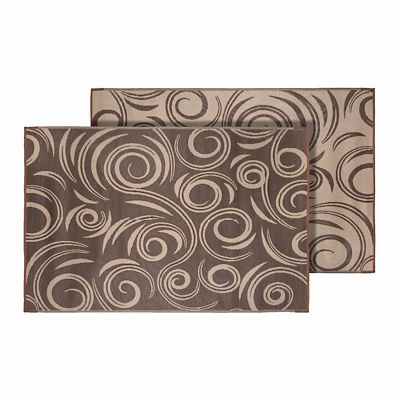
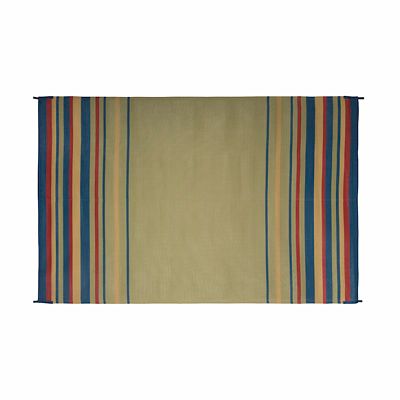
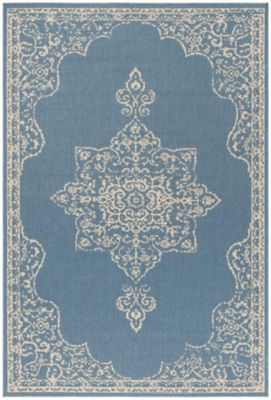
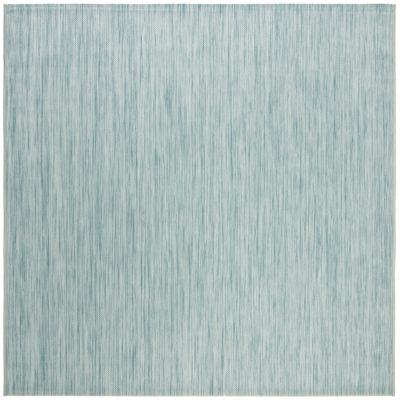
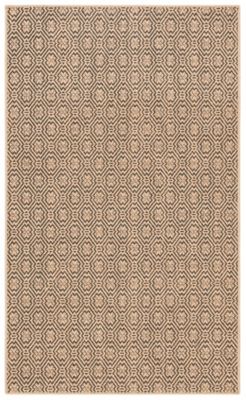
Polypropylene outdoor rugs are a practical way to make patios, porches, decks, campsites, and other outdoor living spaces feel more finished and comfortable. Made from durable synthetic fibers, these rugs are designed to handle the everyday messes that come with life outside, from muddy boots and damp grass to spilled drinks, sandy feet, and busy dogs tracking across the surface. Polypropylene fibers do not readily absorb water, so the rug can dry faster after rain than many indoor-style floor coverings. That water resistance also helps limit the musty smell and mildew concerns that can come with rugs left in damp areas, although good airflow underneath is still important. Many outdoor rugs are treated to resist fading from sunlight, making them a dependable choice for a sunny deck or an open patio. If your space gets strong afternoon sun, compare construction details and color options with care, and consider browsing
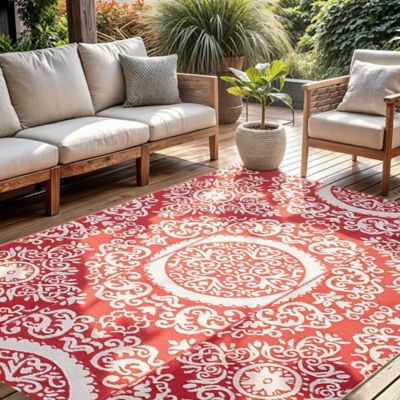
Fade Resistant Outdoor Rugs for styles made to help keep their color looking fresh. A rug can do more than add a pattern underfoot. It can define a seating area around a porch swing, soften the space beneath a picnic table, give a covered entryway a welcoming look, or make a simple pair of outdoor chairs feel like a place to settle in with a glass of sweet tea. On a deck, it can help separate the grilling area from the table and chairs. At a campsite or tailgate setup, a lightweight rug can provide a cleaner place to step out of a tent or sit with your boots off. Polypropylene outdoor rugs are also useful in high-traffic spots where a natural-fiber rug may be harder to clean or more likely to hold moisture. They come in many sizes, shapes, colors, and patterns, so measure the space before choosing one. For a dining area, allow enough room for chairs to stay on the rug even when pulled away from the table. For a seating area, placing the front legs of the furniture on the rug can make the arrangement look pulled together without covering the entire surface. Smaller rugs work well by a back door, beneath a small bistro set, or beside an outdoor storage cabinet.
When choosing among polypropylene outdoor rugs, think about where the rug will live and how the space gets used. An uncovered patio needs a rug that can stand up to direct sun and passing showers, while a screened porch or roofed deck may give you more flexibility with color and texture. A flat, low-profile design is often easier to place beneath doors and furniture, while a thicker weave may offer a softer feel under bare feet. Look for a size that fits the space without bunching at the edges, and use an outdoor rug pad or nonslip backing when appropriate to help keep the rug in place on smooth decking or concrete. A pad can also promote airflow and reduce wear from rubbing against the ground. For families with kids or pets, a busy pattern may help disguise everyday dust between cleanings, while darker colors can complement a working porch or mudroom entrance. Lighter colors can brighten a shaded area and help a small space feel more open. Polypropylene outdoor rugs make thoughtful gifts for new homeowners, newlyweds, campers, gardeners, and anyone who enjoys spending time on the porch. They are especially handy for someone setting up a first apartment balcony, refreshing a farmhouse entry, or creating a comfortable spot around a firewood rack and outdoor chairs. A rug is easy to pair with practical outdoor gifts such as planters, lanterns, folding chairs, or weather-ready cushions, and it can make a plain space feel welcoming without requiring a major project. During the warmer part of the year, it gives bare feet a cleaner, more comfortable surface than hot concrete or rough boards. As the weather turns cooler, it can help define a covered sitting area where family and friends gather with mugs of coffee, blankets, and a view of the changing season. Keep in mind that polypropylene has a low heat tolerance. Place these rugs well away from fire pits, grills, chimineas, heaters, and hot coals, since sparks, embers, or concentrated heat can melt, scorch, or otherwise damage the fibers. Heavy friction from dragging furniture can cause wear as well, so lift pieces when rearranging the space.
Routine care for polypropylene outdoor rugs is fairly simple. Shake or sweep away loose dirt, leaves, and grass before they become ground into the weave. For a deeper cleaning, lay the rug on a clean surface, rinse it with a garden hose, and use mild soap with a soft brush or sponge for muddy spots. Rinse thoroughly so soap does not remain in the fibers, then hang or drape the rug over a railing, fence, or clean surface until both sides are fully dry. Avoid folding or rolling it while damp, since trapped moisture can lead to odor or mildew beneath the rug. Most water-based spills, such as lemonade, coffee, or a muddy splash, can be easier to manage when cleaned promptly. Oil, grease, sunscreen, and other oil-based stains may cling more tightly to synthetic fibers, so blot rather than rub and follow the care instructions for the particular rug. Test any cleaner on a hidden area first, and skip harsh chemicals that may affect color or damage the weave. During long stretches of wet weather or when the outdoor space will not be used, storing the rug in a dry, ventilated place can help extend its useful life. Before putting it away, make sure it is completely clean and dry, then roll it rather than folding it sharply to help prevent creases. With the right size, a pattern that suits your surroundings, and a little basic care, a polypropylene outdoor rug can bring a comfortable, easygoing feel to the places where chores wind down, supper stretches into conversation, and time outdoors becomes part of the daily routine.