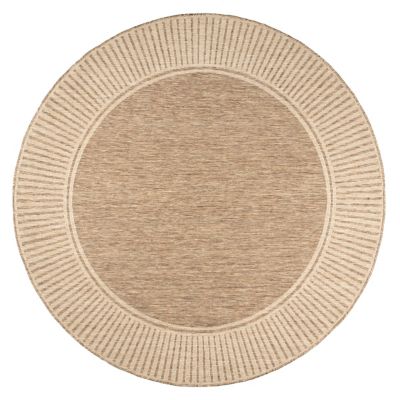
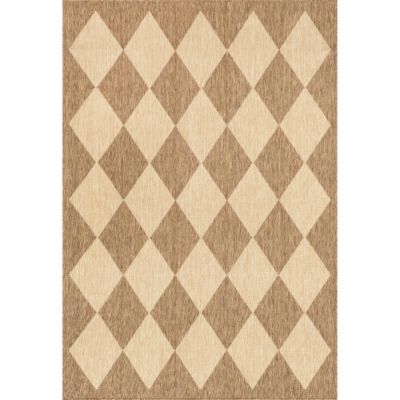
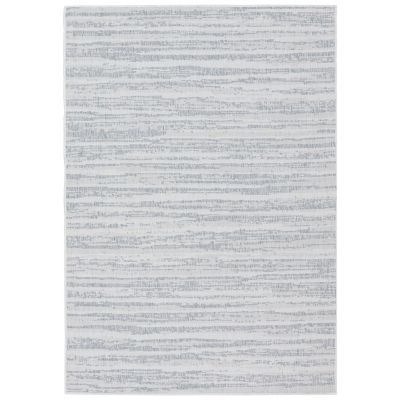
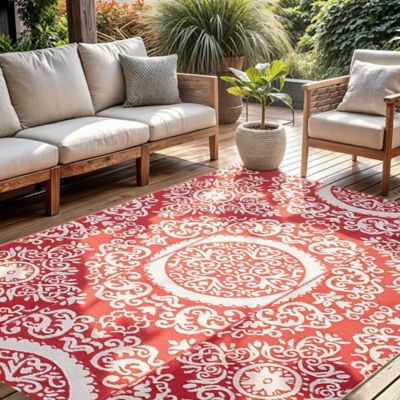
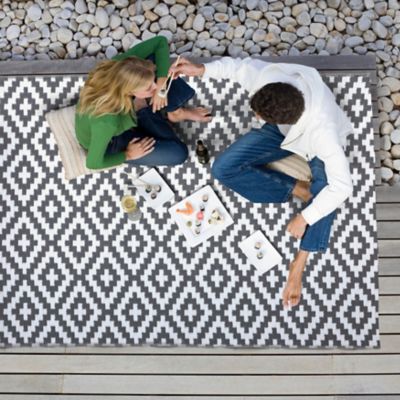
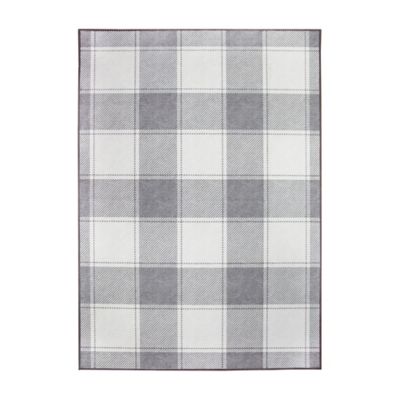
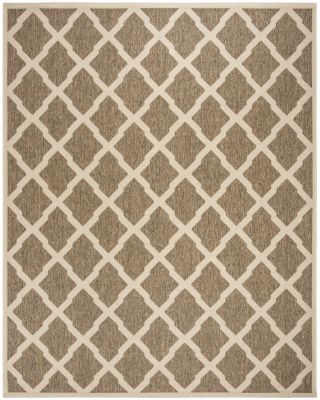
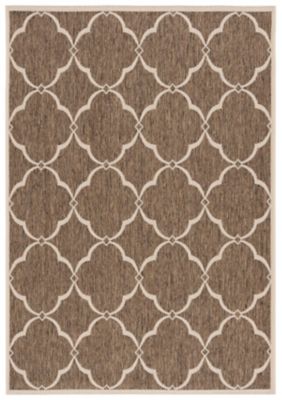
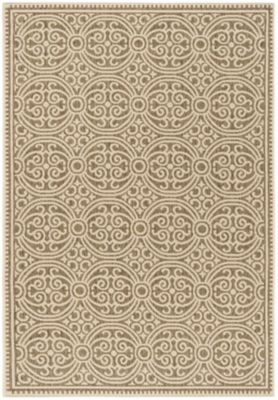
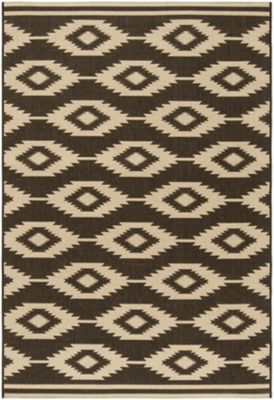
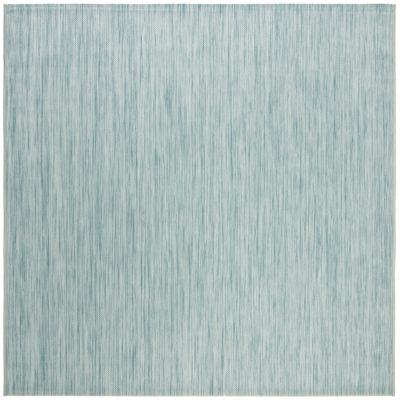
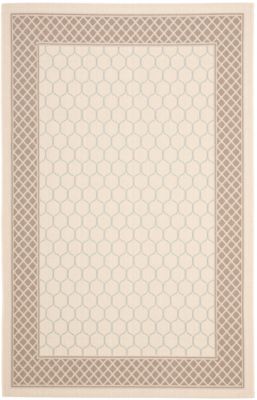
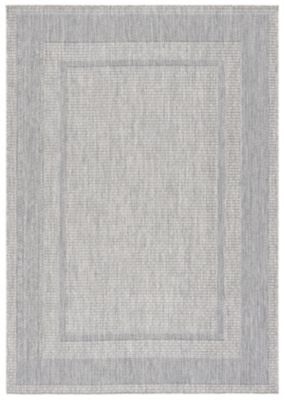
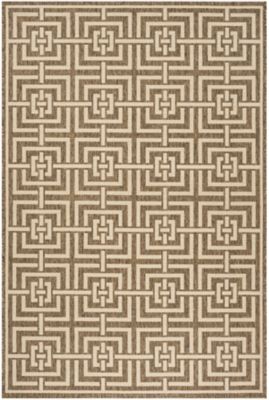
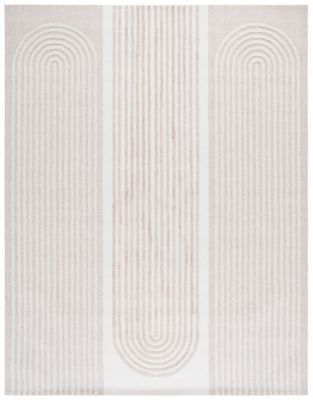
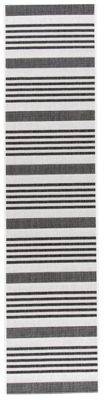
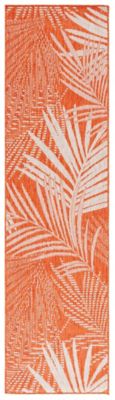
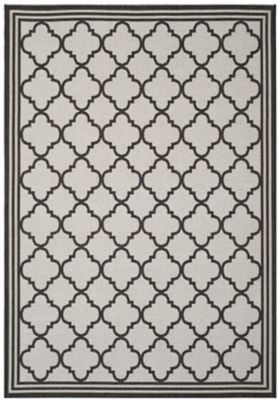
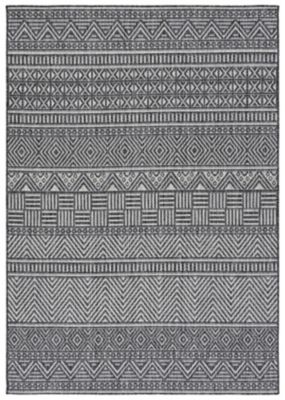
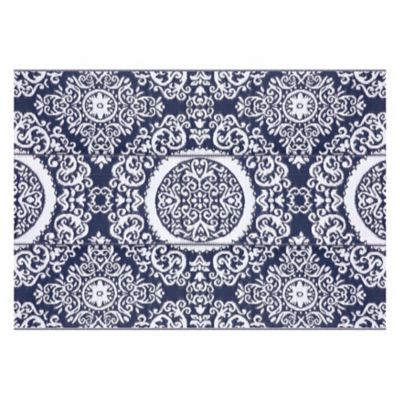
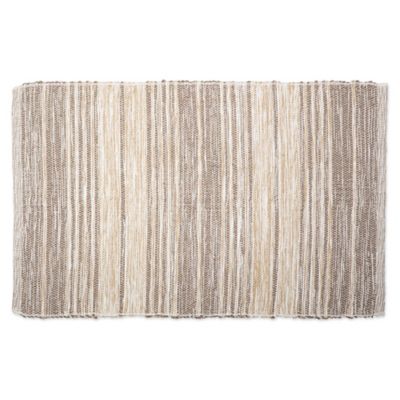
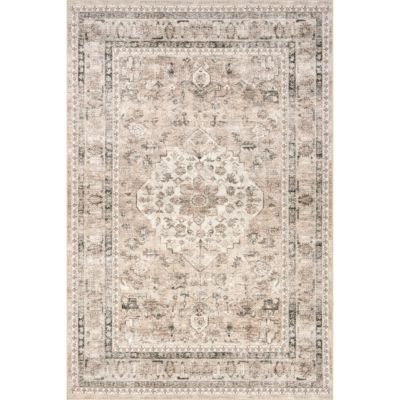
Contemporary outdoor rugs are an easy way to give a patio, porch, deck, balcony, or outdoor seating area a finished look without making the space feel fussy. Clean-lined patterns, block colors, abstract shapes, oversized botanicals, and modern earth tones can help tie together furniture, planters, firewood storage, and other outdoor accents. A rug also adds a little comfort underfoot, especially on a hard surface such as concrete, composite decking, or brick. Place one beneath a dining table to define the eating area, center one under a pair of chairs and a low table, or use a runner along a covered porch or breezeway. In a smaller space, a properly sized rug can make the area feel more intentional instead of crowded. When choosing a contemporary outdoor rug, start by measuring the space and thinking about how the furniture will sit on it. For a conversation group, it usually looks balanced when at least the front legs of the seating rest on the rug. Beneath a dining table, leave enough room for chairs to slide back without catching on the edge. Larger patios may benefit from separate rugs that mark out different zones, while a compact balcony often works best with a narrow, low-profile design. If you are covering a roomy entertaining area, browse
Large Outdoor Patio Rugs for options that help bring the whole arrangement together. Keep door swings, grill placement, steps, and drainage paths in mind before settling on a size.
Outdoor rugs need to handle more than everyday foot traffic, so material matters as much as appearance. Polypropylene is a popular choice for patios and porches because it is tough, lightweight, moisture resistant, and simple to clean. Many polypropylene rugs can be rinsed with a garden hose when dirt, grass, or spilled drinks become part of the day. Polyester can offer a softer feel underfoot and good resistance to fading from sunlight, making it a comfortable option for a covered sitting area or a sunny deck. Rugs made with recycled plastics are useful around pools, outdoor showers, camp kitchens, and other places where water is part of the routine; they are generally waterproof and easy to wipe or rinse clean. Faux-jute and flatwoven designs bring the warm, natural look of woven fibers while avoiding the rotting and mildew concerns that can come with using natural materials outdoors. Look for a flat or low pile when the rug will sit beneath a door, near a grill, or in a busy walkway. A low profile is easier to sweep, less likely to catch on chair legs, and more convenient for families, pets, and guests moving between the house and yard. Color is worth considering, too. Deep neutrals and mixed patterns can help disguise everyday dust and muddy footprints, while lighter shades brighten a shaded porch and pair well with dark metal or wood furniture. If the rug will stay in direct sun, choose a construction designed for outdoor use and rotate it from time to time so wear and exposure are spread evenly. A contemporary outdoor rug can make a thoughtful housewarming, wedding, birthday, or holiday gift for someone settling into a new home, building a first patio, or turning a plain apartment balcony into a place to enjoy coffee and supper outside.
A little routine care helps an outdoor rug stay useful through changing weather. Vacuum or sweep it regularly to remove grit, leaves, seed hulls, and other debris, using a vacuum without a rotating beater bar so the surface is not unnecessarily pulled or scuffed. For a dirty spot, mix mild soap with water, work gently with a soft brush or cloth, and rinse thoroughly. Let the rug air dry completely on both sides before placing furniture back on it. Good airflow is important because trapped moisture beneath a rug can leave a damp smell or encourage mildew on the surface underneath, even when the rug itself is made for outdoor use. Lift the rug occasionally to sweep the deck or patio below and check for standing water, stuck leaves, or rough spots that could cause premature wear. During cooler months, covered porches may allow a rug to remain in place, but exposed rugs usually last longer when they are rolled—not sharply folded—and stored in a clean, dry area before freezing weather settles in. A storage shed, garage, mudroom, or other sheltered space works well as long as the rug is dry when stored. Keep it away from direct contact with wet concrete and avoid wrapping it tightly in plastic if any moisture remains. When the rug comes back out, shake it clean, inspect the edges and backing, and lay it flat so it can relax before arranging the furniture. With the right size, weather-ready material, and a pattern that suits the space, a contemporary outdoor rug can make a hardworking porch or patio feel more like an extension of home.