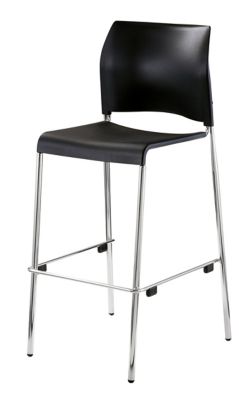
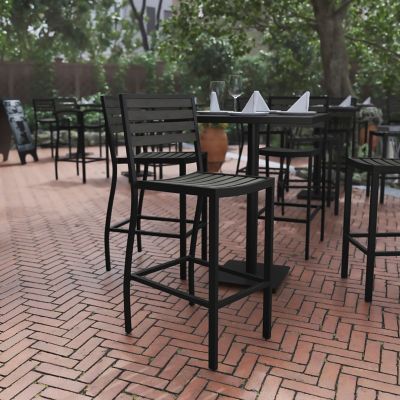
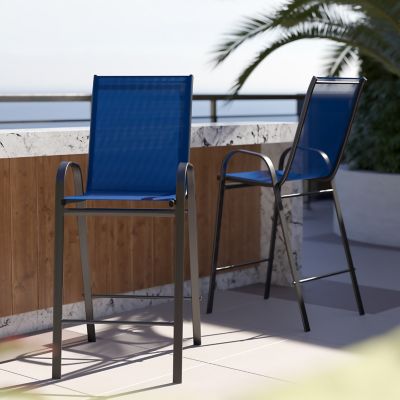
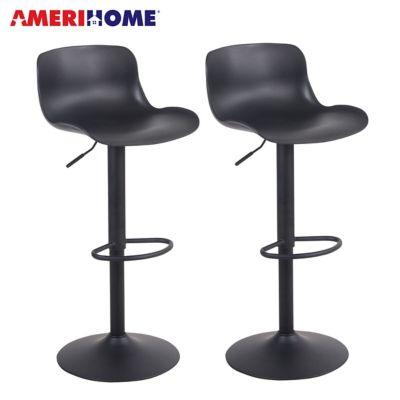
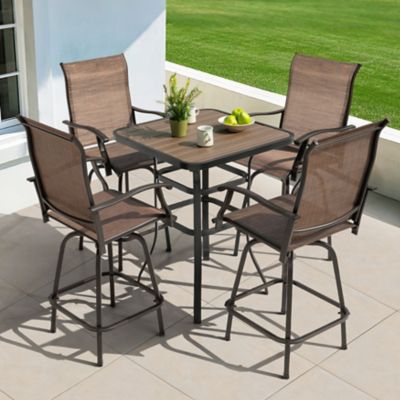
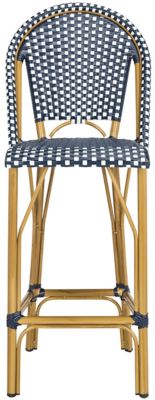
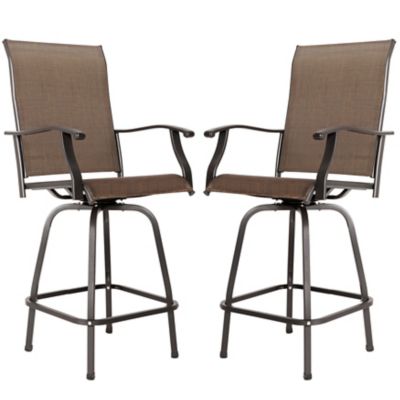
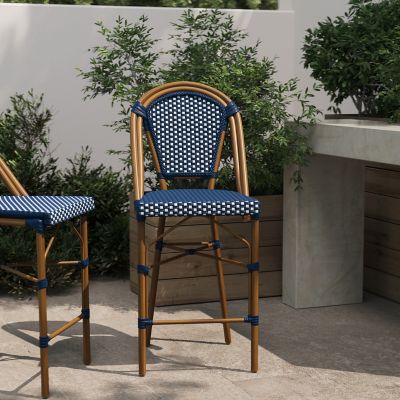
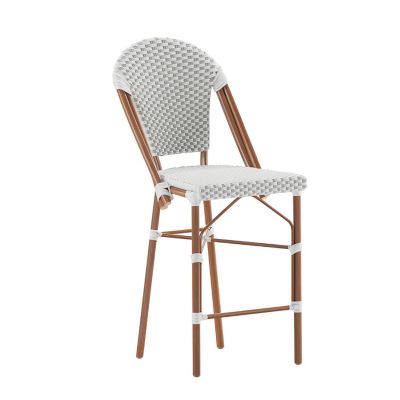
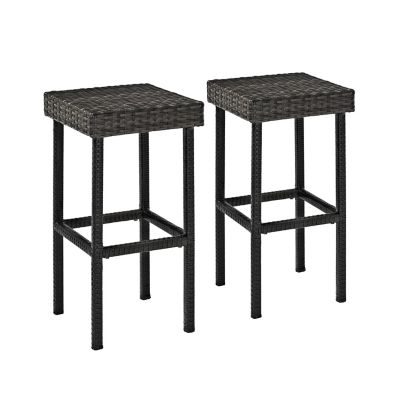
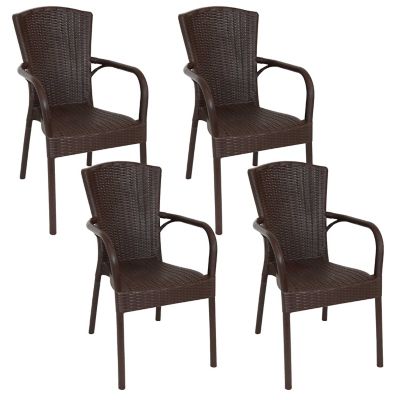
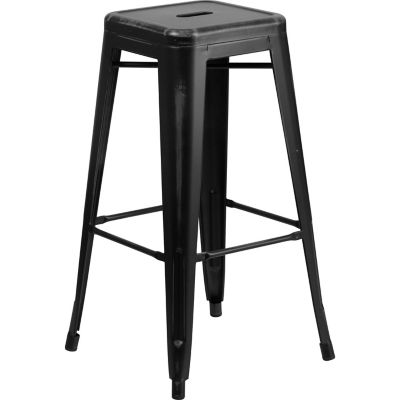
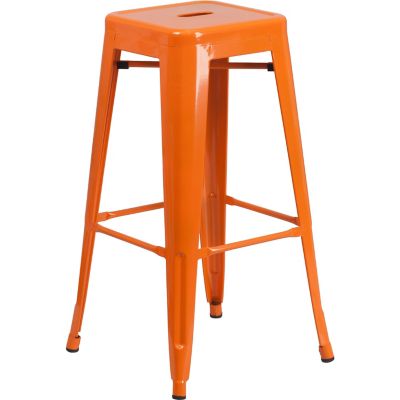
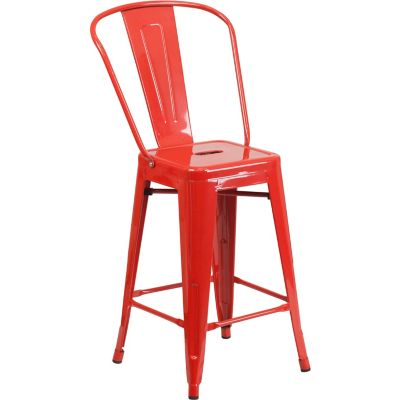
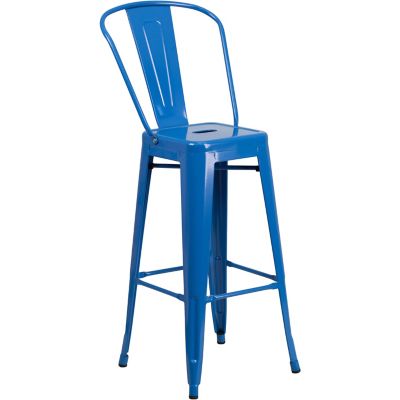
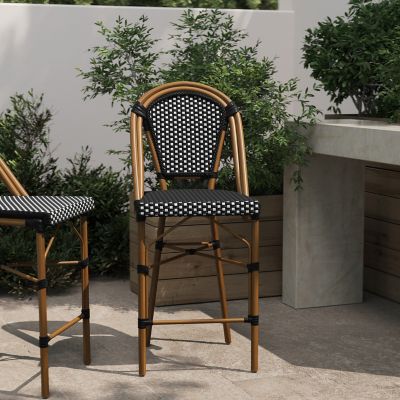
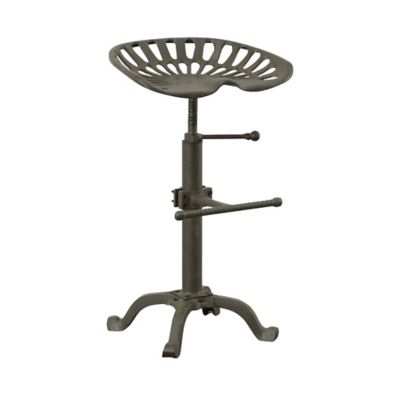
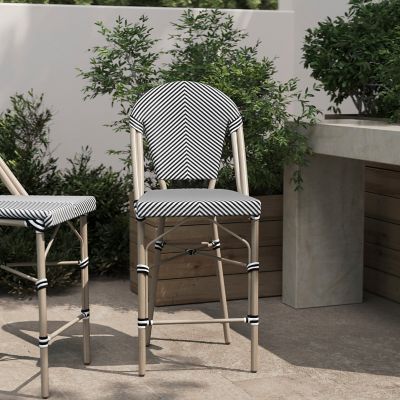
Plastic outdoor bar stools bring raised seating to patio bars, backyard cooking areas, and tall tables on the porch without making everyday upkeep a big chore. They give folks a spot to settle in while supper comes off the grill, visit over a glass of tea, or keep the cook company without crowding the work surface. The category includes molded plastic and resin seating as well as stools made from plastic lumber, with differences in weight, construction, texture, and support. Resin is a broad material description, so the stated composition tells more than the name alone. High-density polyethylene, often called HDPE, is one material found in outdoor furniture; some plastic lumber contains recycled content, though that varies by manufacturer. A molded seat may have a smooth, continuous shape, while plastic lumber often has separate slats and a more substantial frame. Plastic does not develop wood splinters or need the same staining routine as unfinished wood, but its resistance to fading, cracking, and surface wear depends on the formulation and construction. Outdoor-rated materials and stated UV protection matter for seating that sits in direct sunlight. Water resistance also does not make every stool suitable for every exposed setting, particularly when metal hardware, swivel mechanisms, or attached cushions are part of the design. A lighter stool can be easier to move between a porch bar and a tall gathering table, while a heavier frame may be a better match for seating that stays in one place. Neither weight nor a thick-looking seat, by itself, establishes how much a stool can support. The listed weight capacity applies to the complete stool and deserves a close look. For a household that enjoys outdoor meals, these seats can make a raised counter feel like a gathering place rather than just somewhere to set serving trays. Their appeal comes down to practical seating, straightforward cleaning, and a style that suits the space.
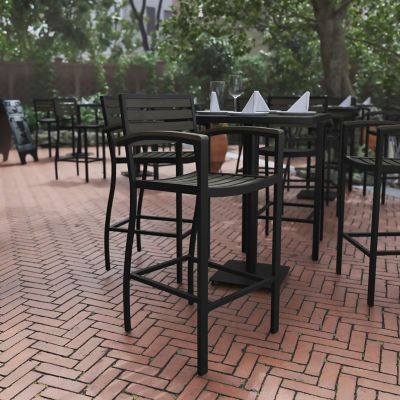
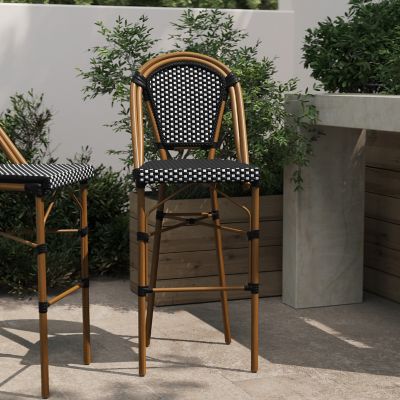
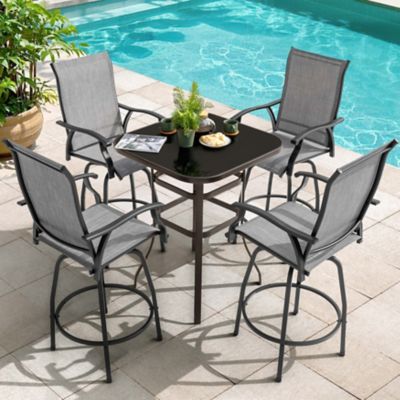
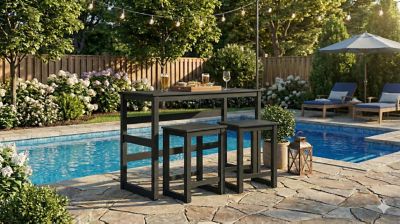
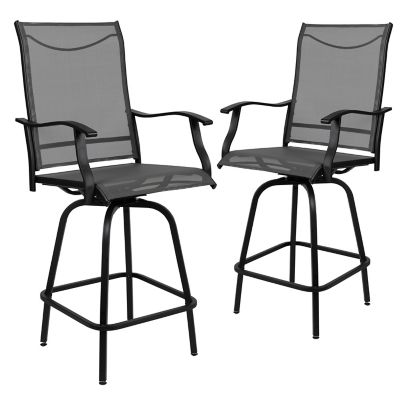
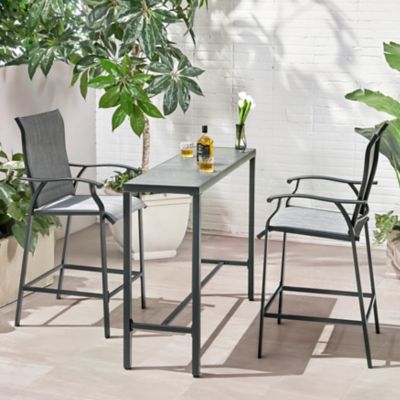
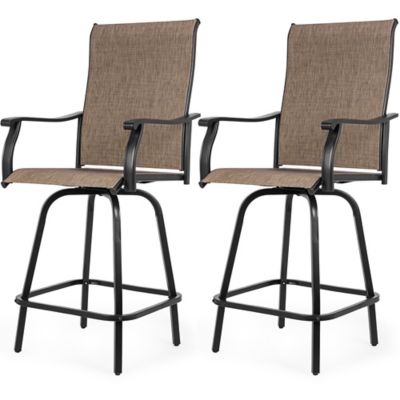
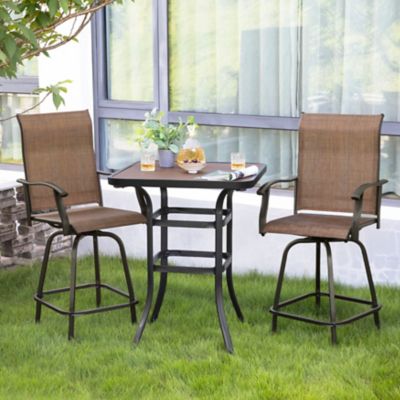
Fit is where plastic outdoor bar stools earn their place at the table. Bar-height seats are commonly about 28 to 30 inches from the floor and generally pair with surfaces around 40 to 42 inches high, although actual dimensions vary. Counter-height seating is lower and is not interchangeable with bar-height seating just because the stools look alike in a photo. A gap of roughly 10 to 12 inches between the top of the seat and the underside of the eating surface typically gives an adult room to sit comfortably. Thick tabletops, support rails, and shallow overhangs can reduce usable legroom, so the underside of the counter matters as much as its overall height. At a backyard serving ledge, enough knee space lets someone pull in close instead of leaning forward through the whole meal. Seat width and depth also affect comfort, especially when a quick chat turns into a long evening of catching up. Backless stools tuck neatly beneath a suitable overhang and keep sightlines open across the patio. Stools with backs offer support for lingering at the table, while armrests provide another place to rest but may prevent the seat from sliding fully underneath the bar. A footrest is especially helpful on taller seating, giving feet somewhere to land rather than leaving legs dangling. Around 24 to 30 inches of counter length per stool is a useful starting point for spacing, with wider seats and arms often calling for more room. There should also be enough clear space behind the seating for someone carrying a platter to pass without squeezing between chair backs and a wall. Stable placement belongs in that fit conversation, too. A level, firm surface supports all legs evenly; loose gravel, uneven pavers, and wide deck-board gaps can make a narrow-footed stool a poor match. Protective feet may help limit scuffing, but their suitability depends on both the stool and the floor beneath it.
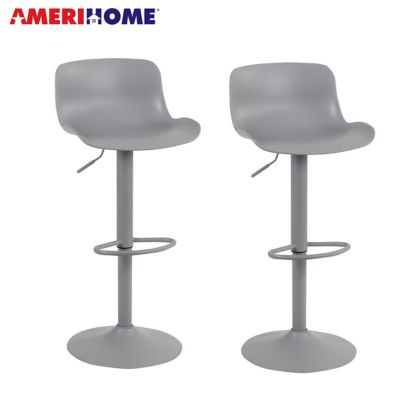
The right shape and finish can make plastic bar seating feel at home beside anything from a simple farmhouse porch rail to a fully equipped outdoor kitchen. Slatted backs offer an open look, solid molded shells have fewer gaps to wipe around, and contoured seats can add comfort without a separate pad. Neutral colors sit easily alongside wood posts, stone surfaces, and metal tables, while brighter colors can give a plain patio a little personality. Surface texture is worth considering beyond appearance: a deeply grained finish may hold more crumbs and dust than a smoother one. For everyday cleanup, many plastic seating surfaces need only mild soap, water, and a soft cloth or brush, followed by rinsing as directed by the manufacturer. Harsh solvents, abrasive scrubbers, and pressure washing can damage certain finishes or components, so care directions should determine the cleaning method. Spilled barbecue sauce and tracked-in dirt are easier to handle before they settle into seams and joints. Hardware needs attention as well; checking fasteners periodically helps keep assembled seating from developing a wobble, and corrosion-resistant hardware matters when furniture faces outdoor moisture. Cushions, if added, should fit the seat securely without interfering with drainage or making the sitting height awkward. Removable pads also create another part to clean and store, which may not suit a household that prefers fuss-free seating. Storage is another practical difference between designs. Not every plastic stool nests safely with another, even when the shapes appear similar. For patios that need to serve several purposes,
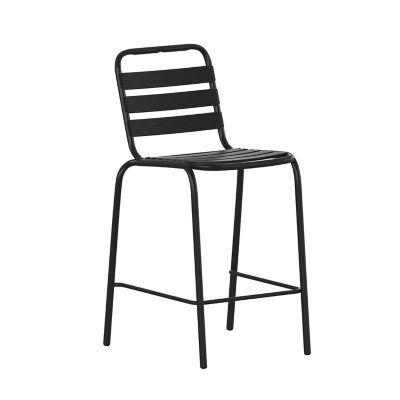
Stackable Outdoor Bar Stools offer a related seating option to consider, with stacking limits and handling directions determined by each design. Moving stools aside can free room for sweeping, carrying supplies through a porch entry, or setting up a larger gathering. Tall stools are seating rather than climbing aids, and a footrest should not be treated as a step. With suitable dimensions, sound construction, and care that matches the material, plastic outdoor bar stools can make the backyard counter a comfortable place for meals and good conversation.