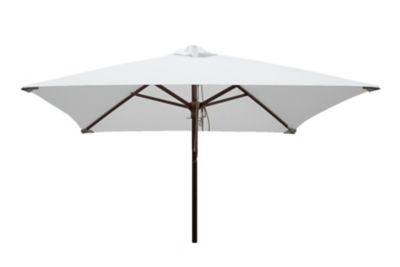
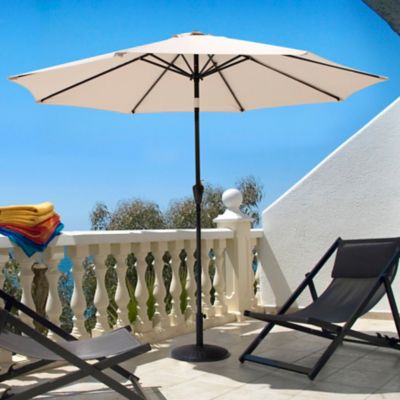
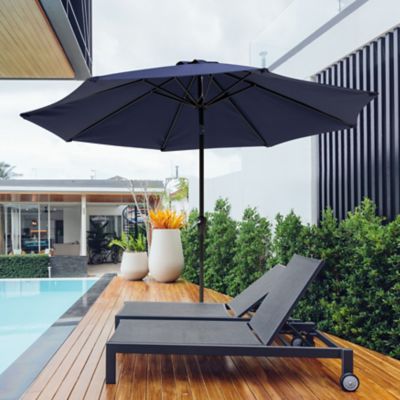
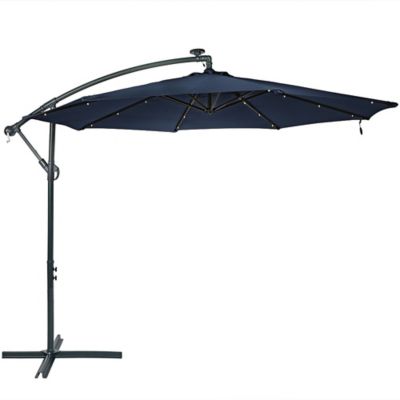
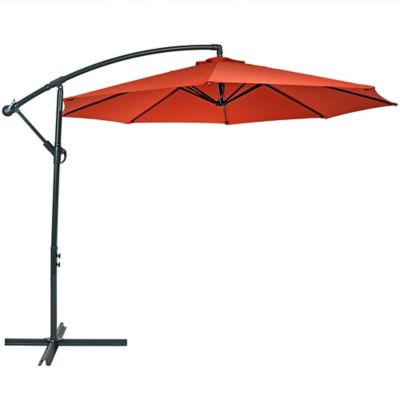
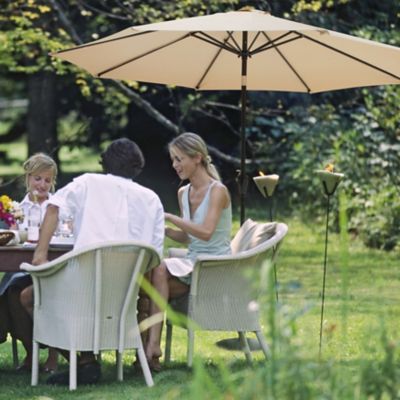
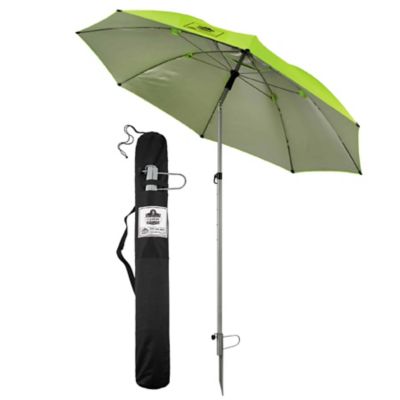
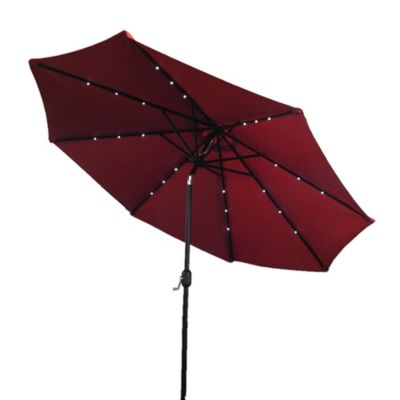
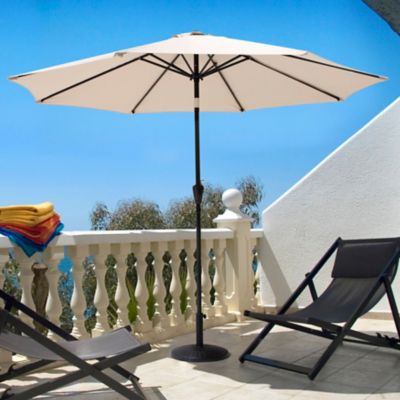
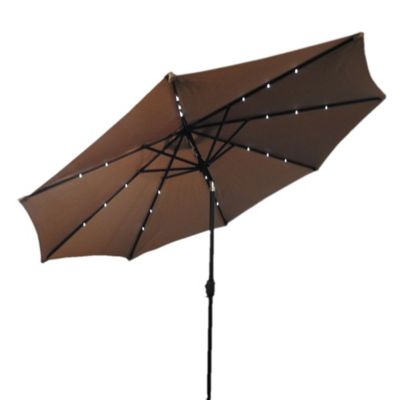
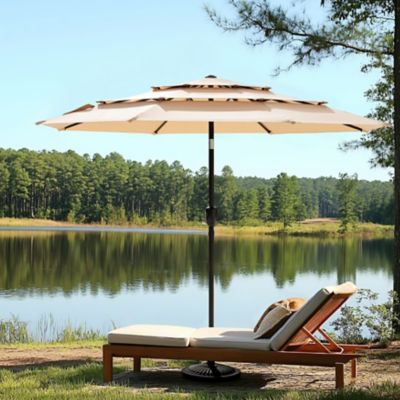
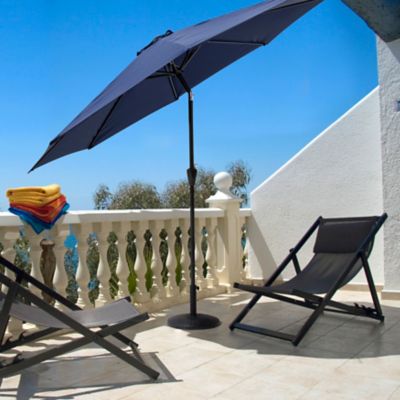
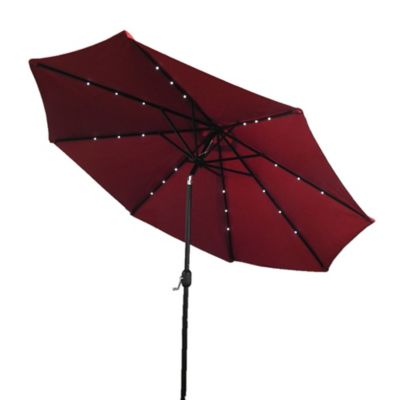
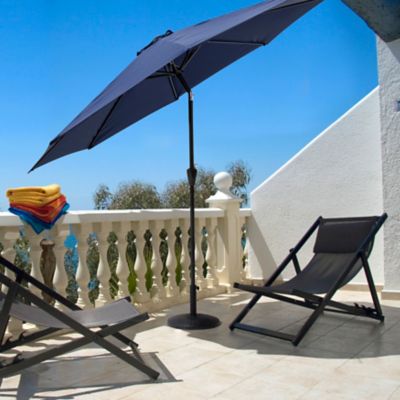
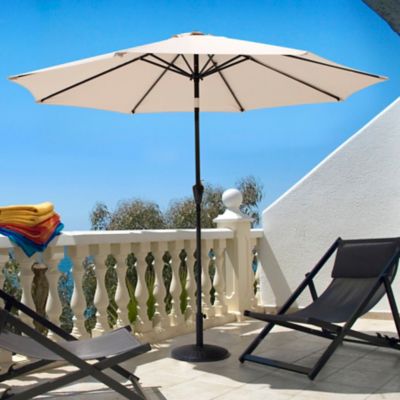
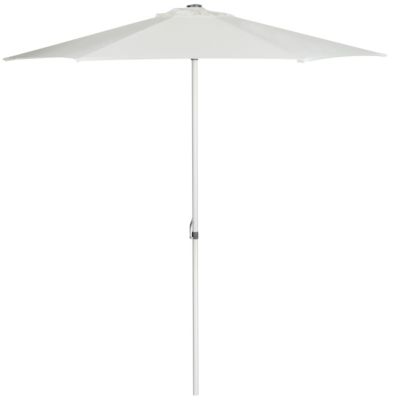
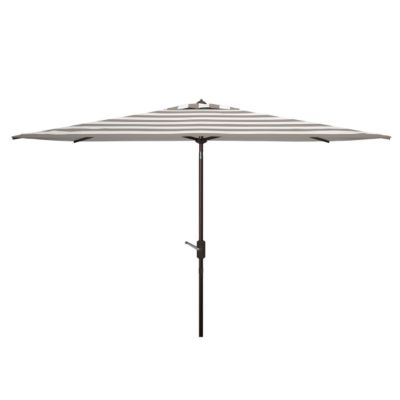
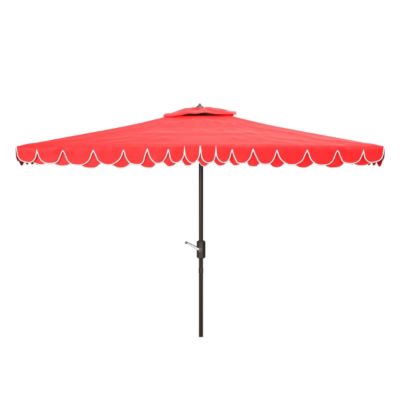
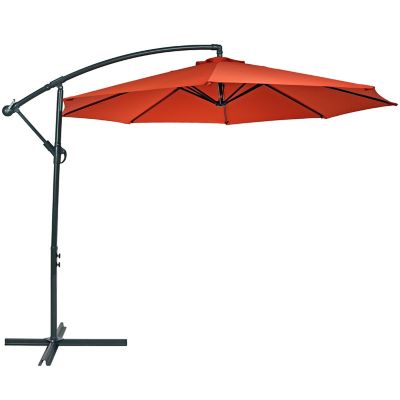
A little shade can make a small outdoor spot feel a lot more inviting, whether it’s a narrow porch beside the kitchen, a backyard patio tucked near the fence, or a deck with just enough room for two chairs and a place to set a glass of tea. Patio umbrellas for small spaces bring coverage to those everyday gathering spots without needing the footprint of a permanent shade structure. The best fit leaves room for people to sit down, pull out a chair, and walk past without brushing against the pole or stepping around a base. Canopy width is only part of that fit: the height of the umbrella, the spread of its ribs, and the space it needs while opening all matter, especially beneath roof edges or near a doorway. A compact round or square canopy can suit a small seating arrangement, while a rectangular shape may follow the lines of a narrow table or longer patio. A center-pole umbrella keeps the shade arrangement simple, particularly when the table has a compatible umbrella opening. Pairing that setup with
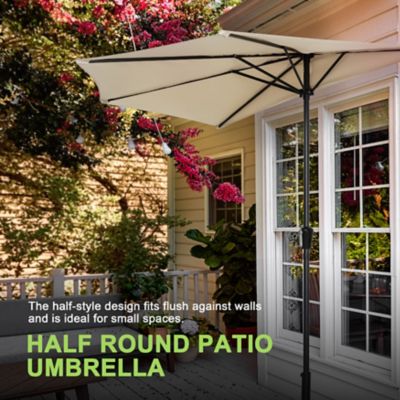
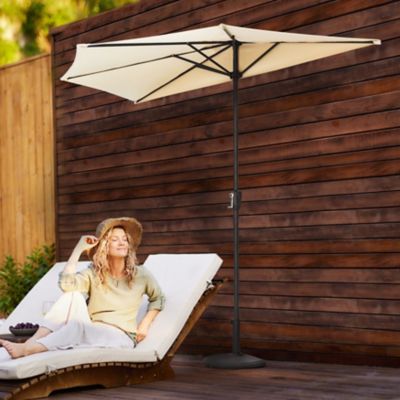
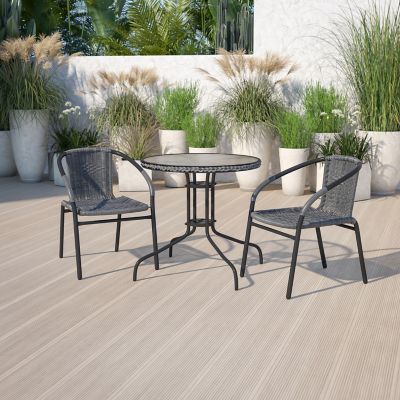
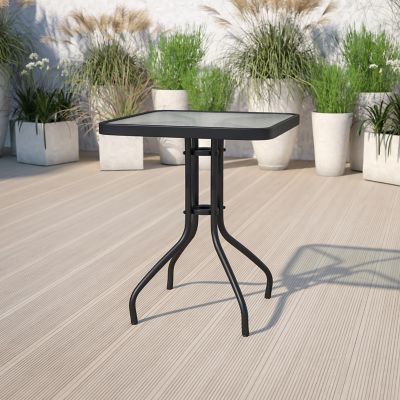
Outdoor Tables For Small Spaces helps keep the eating area and shade footprint in proportion. An offset umbrella moves the pole away from the middle of the seating area, although its support base and the space needed for the canopy still count toward the overall footprint. Half-canopy styles offer another option for a spot beside a wall, but they still need the support specified for their design; resting one against the house does not take the place of a proper base. In close quarters, a slightly smaller canopy with enough coverage for the seats can make more sense than a wide one that hangs over a walkway. Picture the space with someone carrying a plate through it or opening the screen door, not just with the chairs pushed in. That everyday clearance is what keeps a shaded corner comfortable rather than crowded.
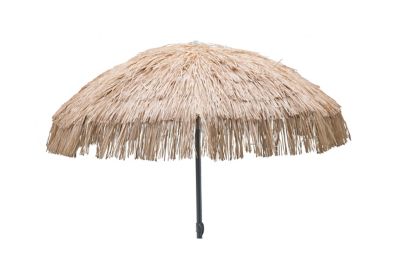
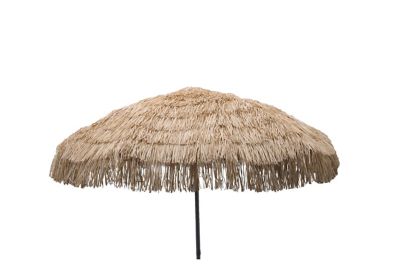
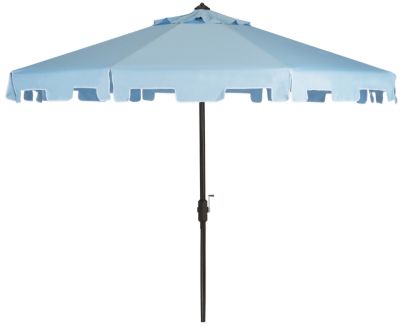
Materials and operating features make a difference when an umbrella becomes part of the daily routine. Aluminum frames are generally lighter to handle and resist rust, which can be helpful when the umbrella needs to come down for storage. Steel frames often bring more weight, with painted or powder-coated finishes helping protect the metal; scratches and exposed areas still deserve attention. Wood poles give a seating area a warm, natural look, though their finish and care needs vary by construction. Across frame types, the ribs, joints, hardware, and pole connections all contribute to how the canopy holds its shape. Fabric matters just as much. Polyester, olefin, and acrylic canopies differ in weight, texture, color retention, and care requirements, and any claims about water resistance or ultraviolet protection should come from the umbrella’s specifications. A water-repellent canopy is not necessarily waterproof, and shade does not replace other sun protection. Tightly woven fabric can give a tidy, substantial appearance, while canopy vents may let some air pass through; neither feature means an umbrella belongs outside in strong wind. Color is a practical consideration, too. Lighter shades can brighten a tight porch, while deeper tones can coordinate with painted railings or outdoor seating, though fading and visible dirt depend on the fabric and exposure. Opening mechanisms range from straightforward push-up arrangements to crank systems that reduce the need to reach high overhead. A tilt feature can help place shade over a chair as the sun changes position, provided there is room for the tilted canopy and it remains within the manufacturer’s operating limits. On a narrow deck, the crank handle should stay within easy reach instead of facing a railing where fingers have little room to turn it. Small details like those make the umbrella easier to live with when the spot serves as a morning coffee corner, a place for sorting seed packets, or a quiet seat after chores.
Support and care are especially important where every square foot has a job. An umbrella base needs to match the pole diameter and meet the manufacturer’s weight requirements for the canopy size and setup. A table opening can help position the pole, but it should not be treated as a substitute for the required base. Freestanding and offset arrangements may need substantially different support, so base requirements are worth checking before settling on a layout. Some bases accept added ballast, and others have a fixed weight; either way, their width, height, and placement affect legroom. A low-profile base may fit more neatly beneath a table, but it still needs to provide the specified support. Rail clamps and other mounting arrangements are suitable only when the umbrella, mounting hardware, and supporting structure are designed to work together. That matters on a small balcony or raised porch, where an improvised attachment can put people and property at risk. Umbrellas should be closed when unattended and whenever wind exceeds the limits in their instructions, rather than left open beside the chairs after everyone heads indoors. For routine care, the canopy’s cleaning directions take priority: many fabrics call for gentle cleaning, a thorough rinse, and complete air-drying before folding or covering. Leaves, bird droppings, and other debris are easier to address before they settle into the fabric. Keeping hinges and crank mechanisms free of grit, checking fasteners, and touching up frame damage as directed can help extend service life. A fitted cover can protect a closed umbrella from dirt, while a sheltered storage spot helps keep it out of unnecessary exposure. Storage length matters in a small shed or garage, so a removable canopy or sectional pole can be helpful when the design allows it. For someone furnishing a first home, fixing up a farmhouse porch, or settling into a smaller place, a compact patio umbrella can also be a thoughtful housewarming gift when the seating layout and base needs are known. The appeal is simple: a little room to stretch out, a shaded tabletop, and space left over for everyday life.