Patio Furniture For Summer Parties Fourth Of July Sale
Get your backyard ready for a season full of fun with our Patio Furniture For Summer Parties Fourth Of July Sale. Whether you’re hosting a big barbecue or just kicking back with friends, the right outdoor setup makes all the difference. With savings on patio furniture perfect for summer gatherings, it’s easy to create a comfortable spot to relax and celebrate. Shop now and turn your outdoor space into the go-to hangout for all your summer festivities.
$12
.49
Sale Was $24.99 Save $12.50 (50%)
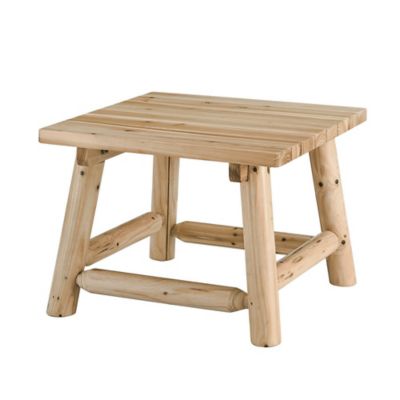
$34
.99
Sale Was $69.99 Save $35.00 (50%)
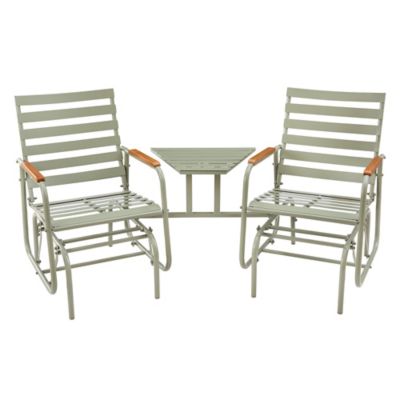
$149
.99
Sale Was $299.99 Save $150.00 (50%)
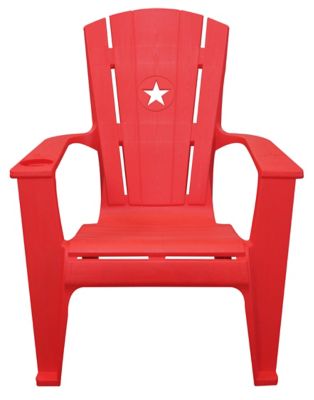
$12
.49
Sale Was $24.99 Save $12.50 (50%)
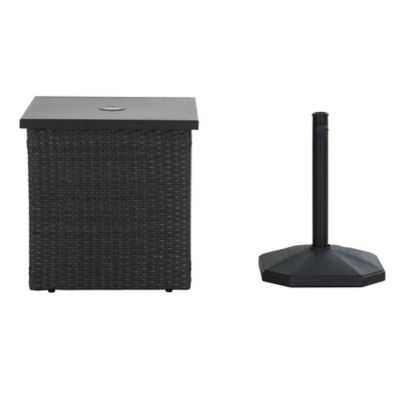
$129
.99
Sale Was $199.99 Save $70.00 (35%)
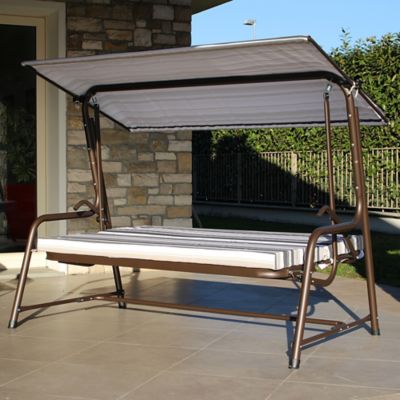
$265
.99
Sale Was $407.99 Save $142.00 (35%)
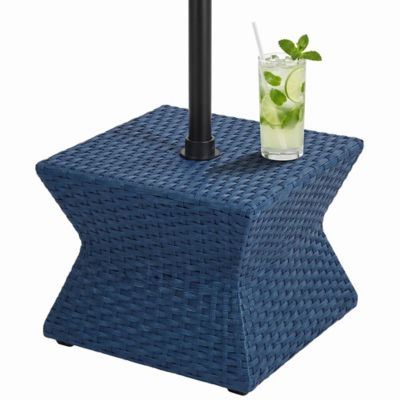
$67
.99
Sale Was $111.99 Save $44.00 (39%)

$125
.99
Sale Was $139.99 Save $14.00 (10%)
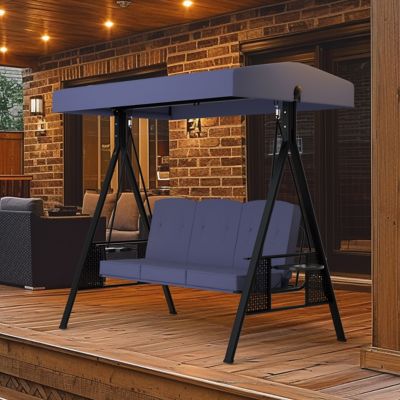
$260
.99
Sale Was $299.99 Save $39.00 (13%)
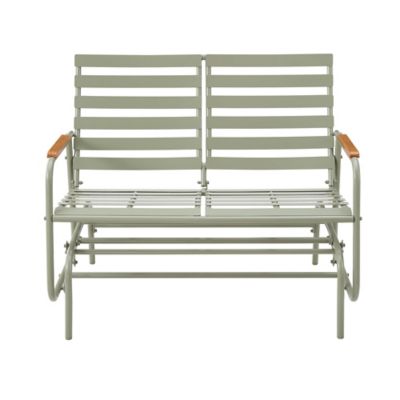
$99
.99
Sale Was $199.99 Save $100.00 (50%)
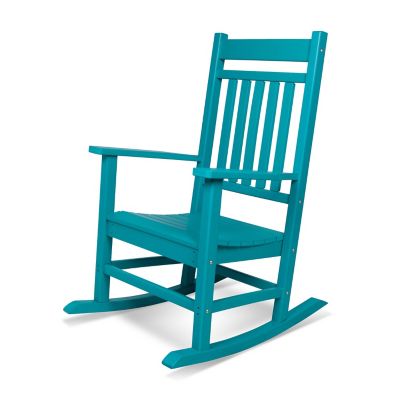
$161
.99
Sale Was $189.99 Save $28.00 (15%)
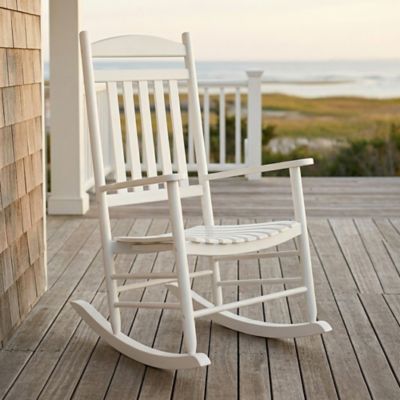
$119
.99
Sale Was $149.99 Save $30.00 (20%)
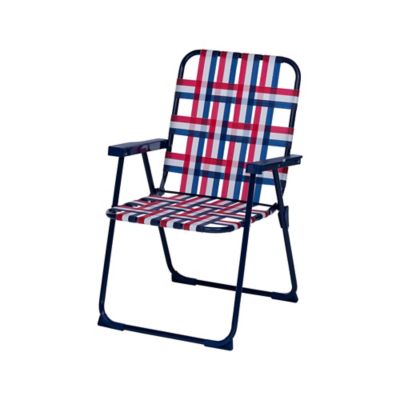
$14
.99
Sale Was $24.99 Save $10.00 (40%)
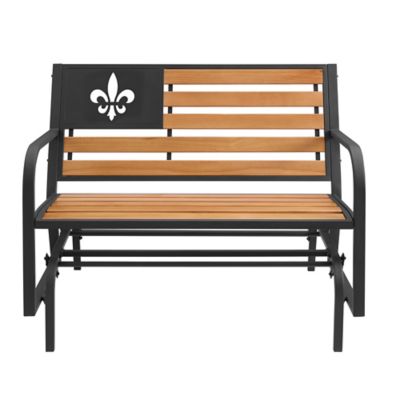
$99
.99
Sale Was $249.99 Save $150.00 (60%)
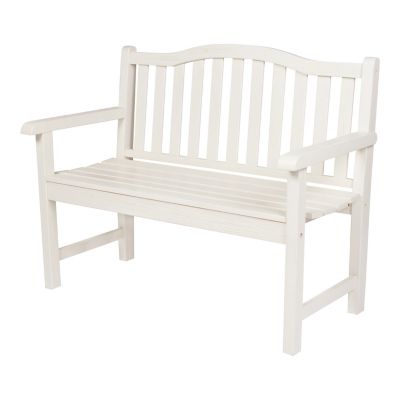
$194
.99
Sale Was $299.99 Save $105.00 (35%)
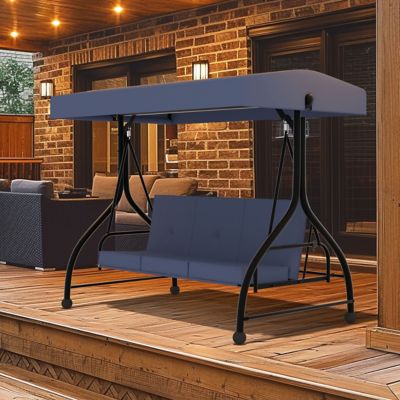
$250
.99
Sale Was $279.99 Save $29.00 (10%)

$242
.99
Sale Was $269.99 Save $27.00 (10%)

$86
.99
Sale Was $114.99 Save $28.00 (24%)

$169
.99
Sale Was $199.99 Save $30.00 (15%)
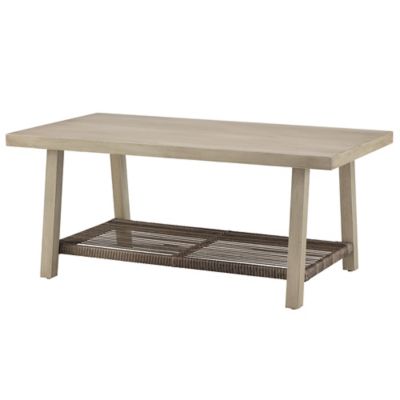
$74
.99
Sale Was $149.99 Save $75.00 (50%)
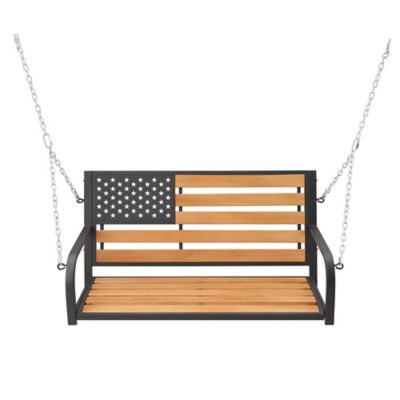
$79
.99
Sale Was $199.99 Save $120.00 (60%)
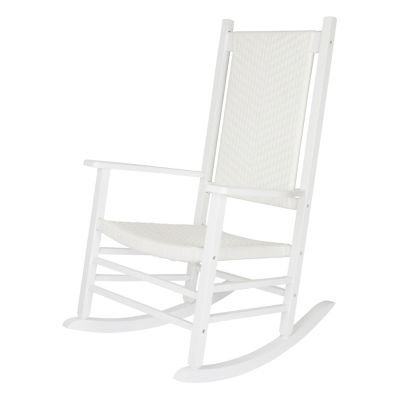
$135
.99
Sale Was $169.99 Save $34.00 (20%)

$195
.99
Sale Was $229.99 Save $34.00 (15%)
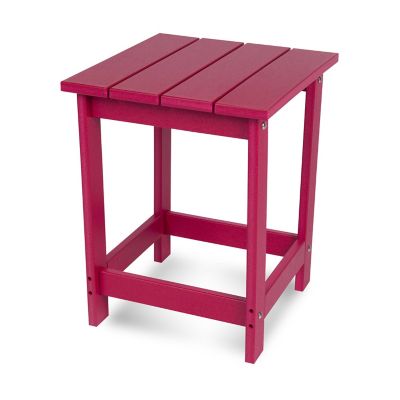
$50
.99
Sale Was $59.99 Save $9.00 (15%)
Best Of FAQ
What types of patio furniture are best for summer parties?
For summer parties, consider patio furniture that offers both comfort and durability, such as weather-resistant dining sets, lounge chairs, and sectionals. Look for materials like powder-coated steel, aluminum, or all-weather wicker that can withstand outdoor conditions.
How can I create a festive atmosphere with patio furniture for the Fourth of July?
To create a festive atmosphere, choose patio furniture in neutral tones and accent with red, white, and blue cushions or tableware. Adding string lights, outdoor rugs, and patriotic-themed accessories can also enhance the celebratory mood.
What features should I look for in outdoor furniture for entertaining guests?
Look for features such as ample seating, easy-to-clean surfaces, built-in umbrellas or shade options, and modular designs that allow you to rearrange seating as needed. Tables with extra space or storage are also helpful for serving food and drinks.
How do I care for my patio furniture during the summer months?
Regularly clean your patio furniture with mild soap and water to remove dirt and pollen. Store cushions when not in use to prevent fading, and cover your furniture during heavy rain or when not in use to extend its lifespan.
Can I mix and match different styles of patio furniture for my party setup?
Absolutely! Mixing different styles can add personality to your outdoor space. Try combining various materials or colors while keeping a cohesive theme through accessories like pillows or table settings.
Best Sellers
-
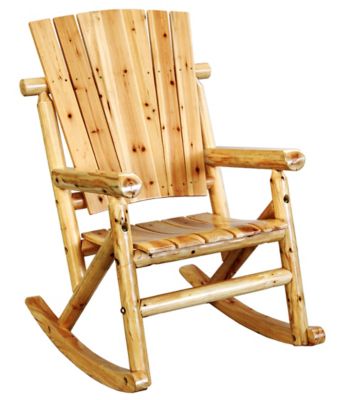
"It is a great piece for the price. I got it during a sale and it is worth the money spent"
-
"Love them. I’m thrilled"
-
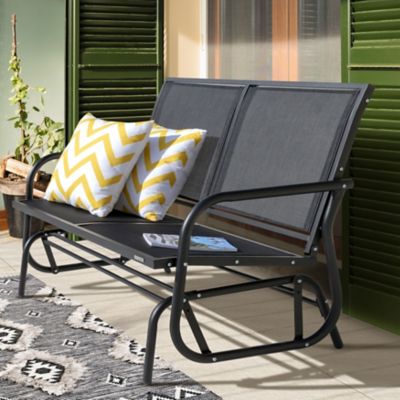
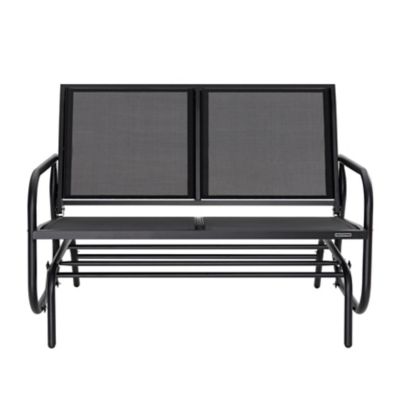
"I love this glider! Well made,great value,very comfortable"
-
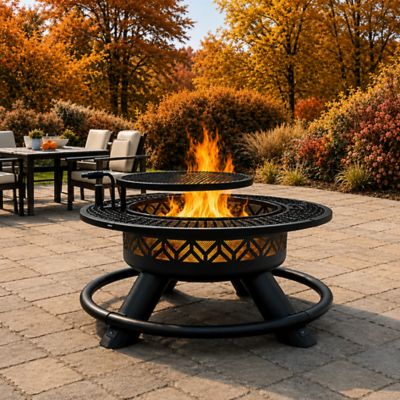
"such a great firepit. We purchased this for our dtrs. first home"
-
"Great quality, we've tried several different brands of grill covers and sunjoy is the best"