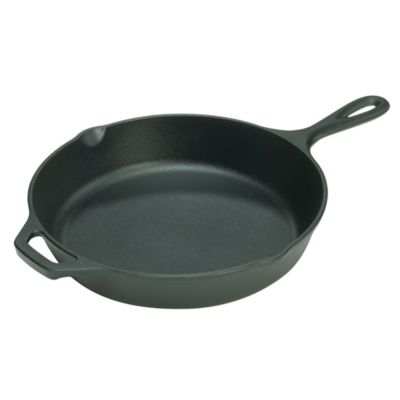
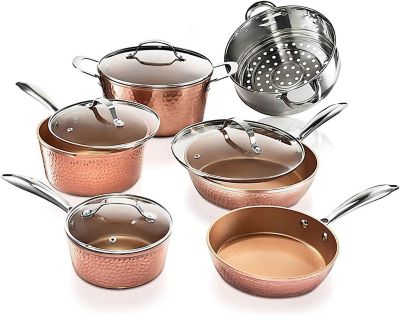
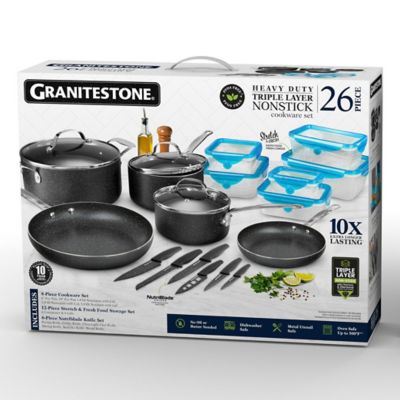
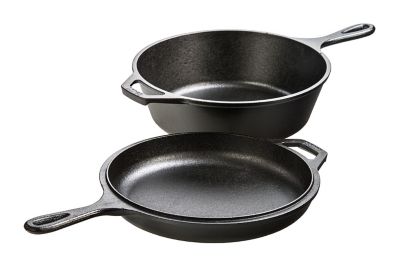
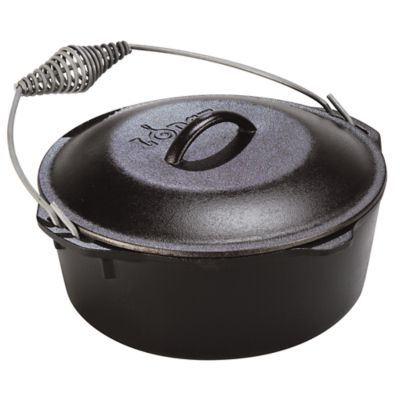
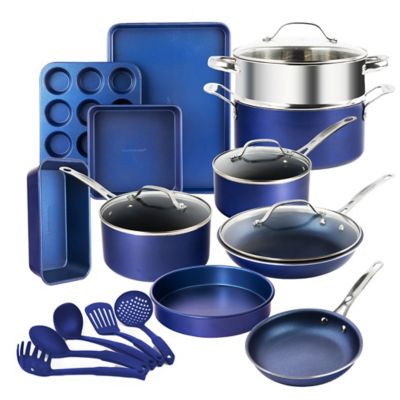
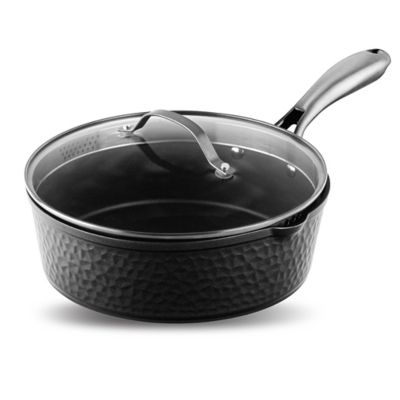
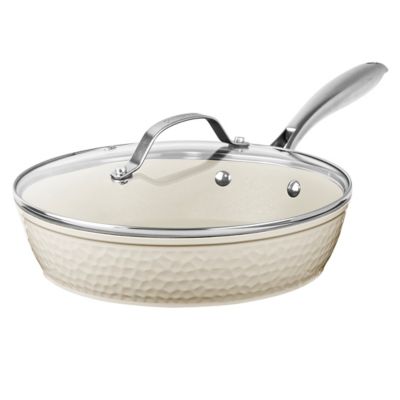
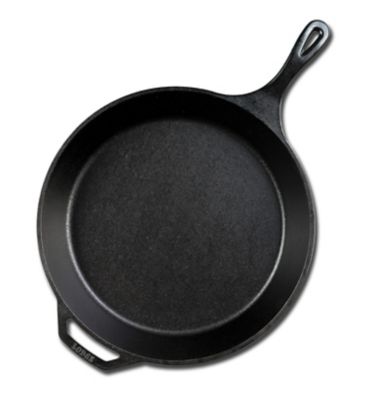
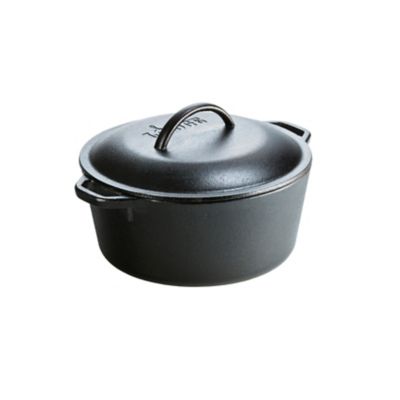
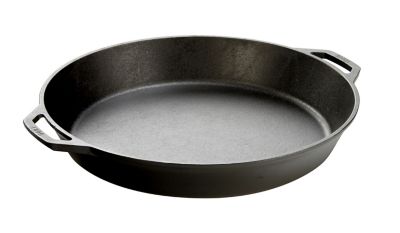
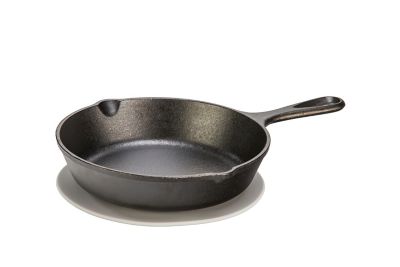
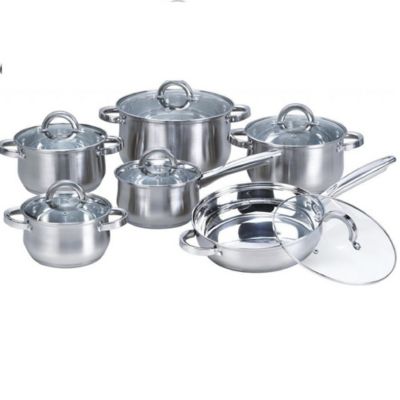
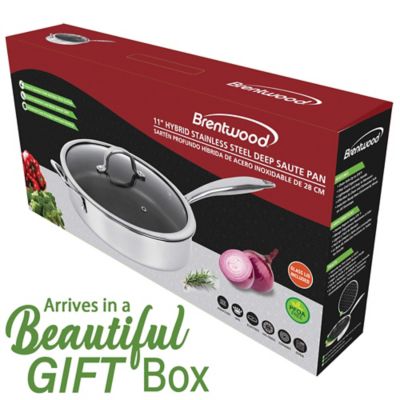
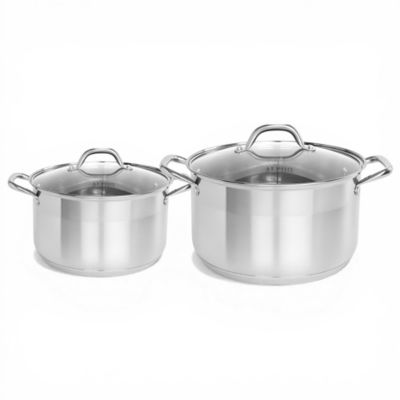
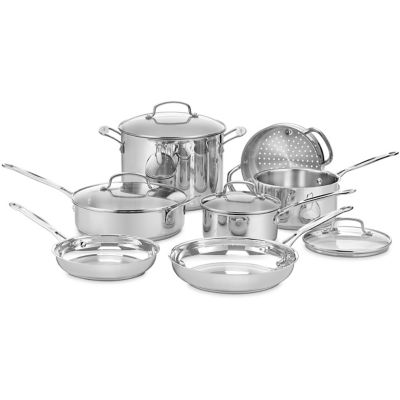
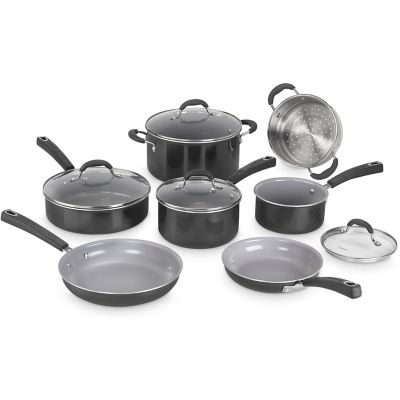
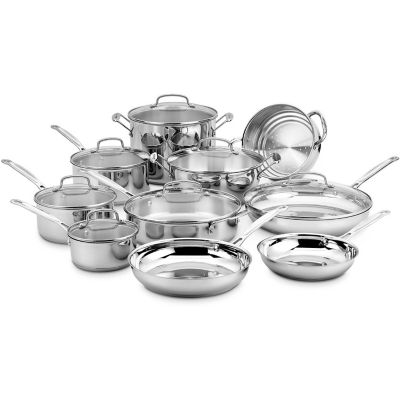
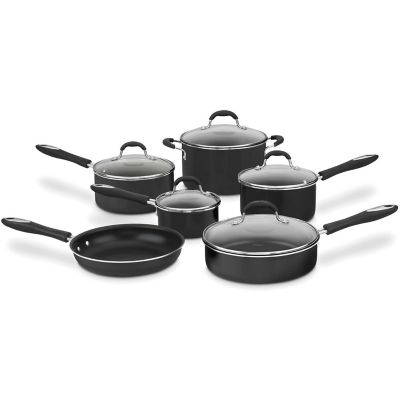
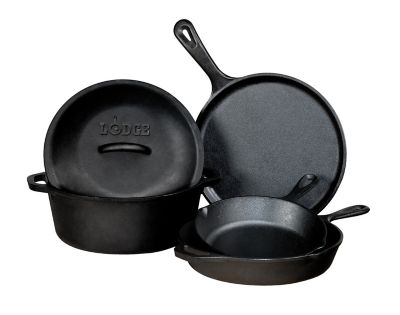
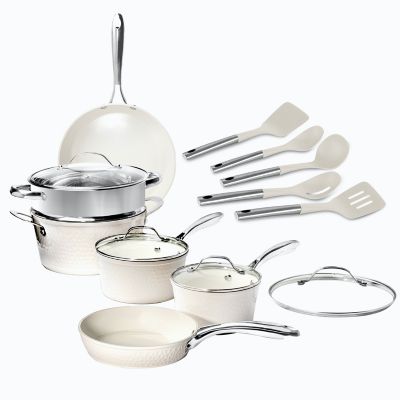
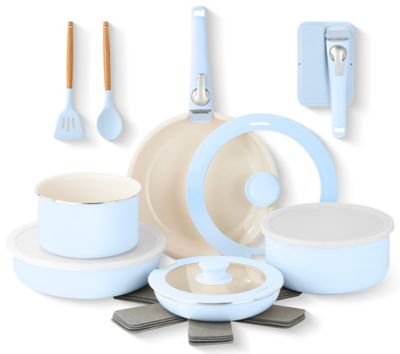
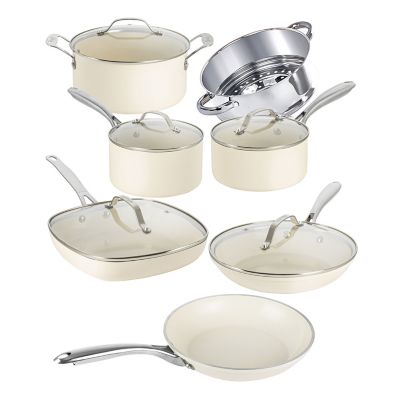
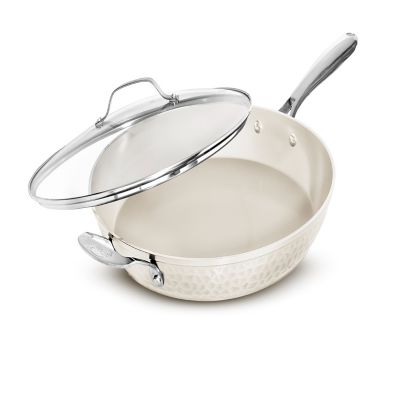
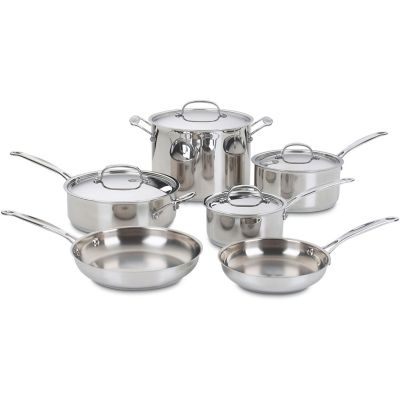
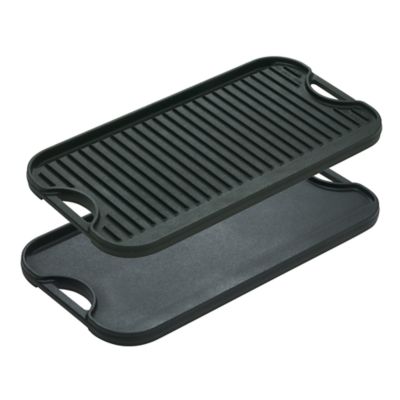
Pans for a glass top stove should have flat, smooth bottoms that sit steadily on the cooking surface. Good contact helps transfer heat on radiant cooktops, while a smooth, clean base lowers the chance of scratching the glass. A pan that rocks, spins or has a warped bottom can heat unevenly and feel unsteady when stirring gravy or turning a pork chop. Base construction matters just as much as the cooking surface inside the pan. Stainless steel cookware with an aluminum or copper core combines a practical cooking surface with materials that spread heat across the bottom. Plain stainless steel does not conduct heat as readily, so a bonded base or layered construction can make a noticeable difference when browning onions or simmering a sauce. Aluminum cookware heats readily, though an exposed aluminum bottom may leave marks on some cooktops; the stove manufacturer’s recommendations should settle compatibility questions. Cast iron holds heat well for searing and skillet meals, but its weight and surface texture call for extra care around glass. A smooth-bottom cast iron pan may be suitable when the stove manufacturer permits it, provided it is lifted rather than dragged. Enameled cookware also needs a smooth, intact base without chips or rough edges. Glass top stoves can have radiant electric elements or induction elements beneath the surface, and those two systems do not accept every pan interchangeably. Induction cooking requires a compatible magnetic base, so aluminum, copper and some stainless steel pans need an induction-ready layer. A magnet sticking firmly to the bottom is a useful preliminary check, but the cookware labeling and appliance manual are the better references for compatibility. For either stove type, match the flat bottom of the pan—not just its upper rim—to the recommended cooking-zone size. A broad skillet perched over a small element may leave the outer cooking area noticeably cooler, while a small saucepan on an oversized radiant element leaves part of the heated zone exposed.
Everyday cooking helps narrow the choice of shape, depth and interior finish. A shallow frying pan with sloped sides gives a spatula room to slide beneath eggs, pancakes or a grilled cheese sandwich. A straight-sided sauté pan offers more room for chicken and rice, pan gravy or a skillet supper with vegetables, especially when a fitted lid helps contain splatters and hold moisture. Saucepans suit oatmeal, beans and smaller batches of soup, while a stockpot provides the depth for pasta or enough stew to feed the family. Capacity alone does not tell the whole story: a wide cooking surface leaves space between pieces of meat for browning, whereas crowding them together encourages steaming. Nonstick interiors make delicate foods easier to release and can simplify cleanup after breakfast, but they need utensils and heat settings that match the coating manufacturer’s directions. Stainless steel works well for browning and building a pan sauce from the browned bits left behind. Cast iron brings heat retention to cornbread and seared meats when both the stove and cookware instructions allow that combination. Weight deserves a little thought, too. A substantial base can help resist warping, yet a pan still needs to feel manageable when full. A helper handle makes a larger skillet or sauté pan easier to lift with two hands, which is especially handy when protecting the glass from sliding cookware. Secure handles, a comfortable grip and a lid that fits without wobbling all matter during daily meal preparation. Handles can become hot, so keep potholders close even when a handle looks cool. For oven-finished meals, check the limits for the pan, handles and lid separately; they may not share the same rating. Cookware can also make a practical housewarming or wedding gift, especially when its size, weight and stove compatibility fit the recipient’s kitchen. Someone cooking supper after chores may appreciate a roomy, easy-to-handle pan more than an oversized set that crowds the cabinets.
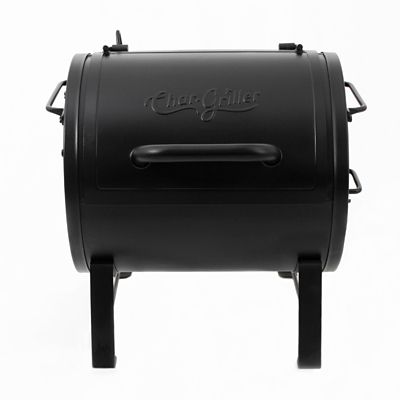
Care habits help preserve both the cookware and the smooth cooking surface beneath it. Before a pan goes on the stove, its bottom should be clean and dry, without stuck-on food, gritty residue or a rough spot that could scrape the glass. A few crumbs caught beneath a heavy skillet can cause trouble when the pan moves, so lifting cookware straight up is a better habit than pushing it from one element to another. A flat base should stay flat over time, making resistance to warping an important consideration for frequently heated pans. Sudden changes in heat can distort some cookware, particularly thinner pieces; allow a hot pan to cool before washing rather than plunging it into cold water. Starting with moderate heat gives many pans time to warm through without overheating an empty cooking surface. This is particularly important with nonstick coatings, which have specific heat limits. Cooking oil, food and the manufacturer’s directions should determine the working heat level rather than leaving an empty pan on a high setting. Cleanup depends on the material and finish. Some cookware permits dishwasher cleaning, while other pieces call for hand washing, and lids or handles may have separate care requirements. Soft cleaning tools help protect coatings and polished surfaces; cast iron needs drying and seasoning care appropriate to its finish. Stacking pans with protective separators can prevent scratches inside the cookware and keep their bases from rubbing against neighboring pieces. The glass cooktop itself needs a cleaner and cleaning method approved by its manufacturer, rather than the same abrasive treatment that might suit an uncoated metal pan. Cookware intended for another heat source deserves a separate compatibility check as well. For outdoor cooking over coals,
Charcoal Grill Pans serve a different purpose; perforated bottoms and grill-specific designs are not a substitute for a flat stovetop base. For the kitchen, the most practical choice brings together a smooth bottom, the right cooking-zone fit, manageable weight and care requirements that suit everyday meals.