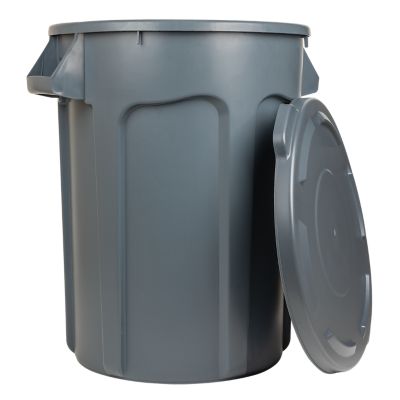
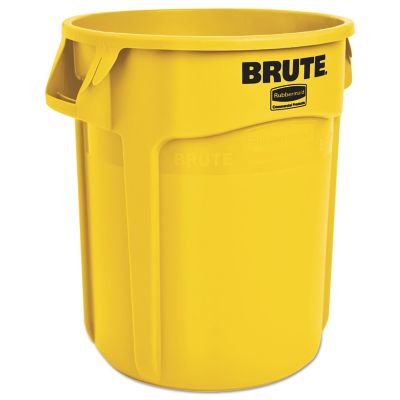
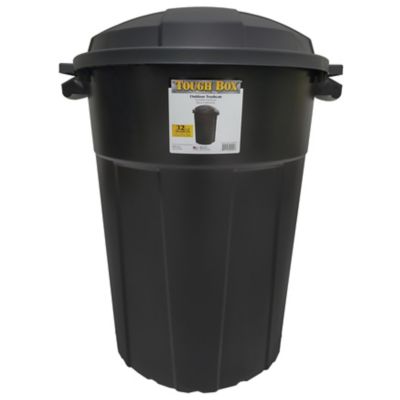
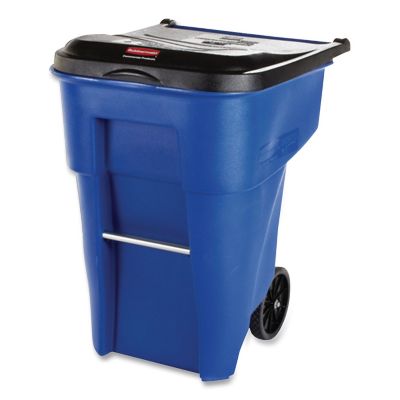
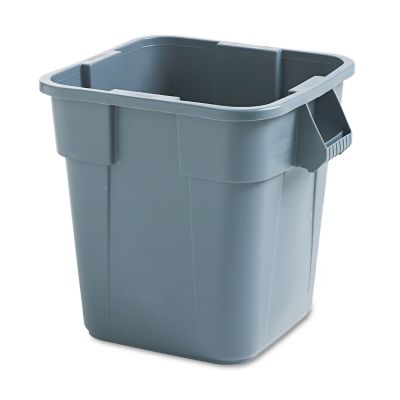
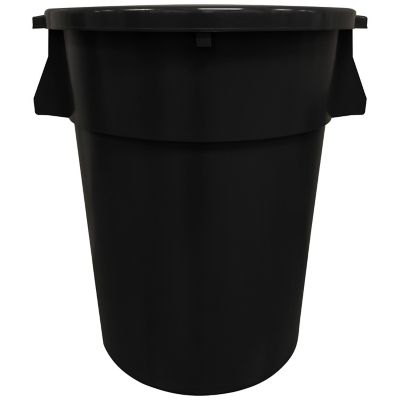
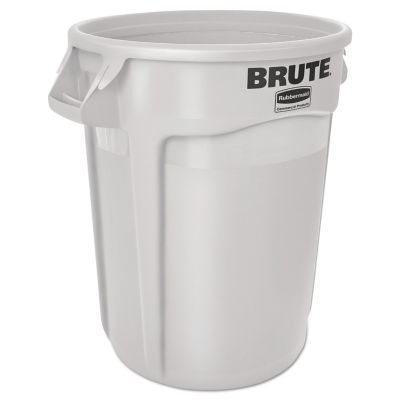
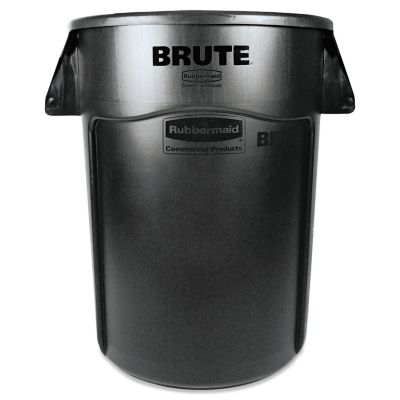
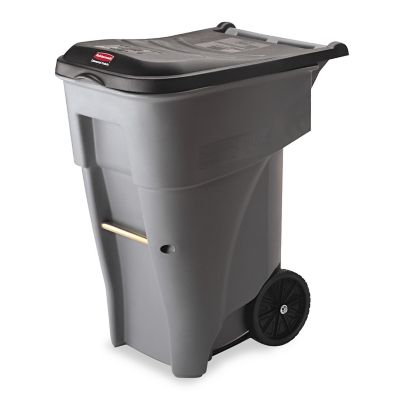
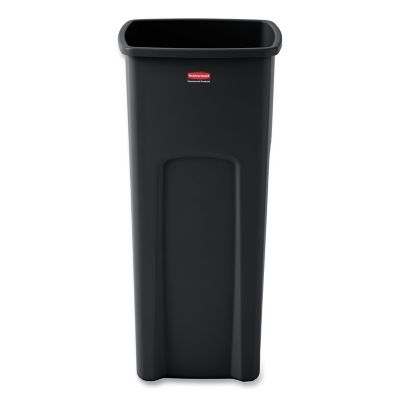
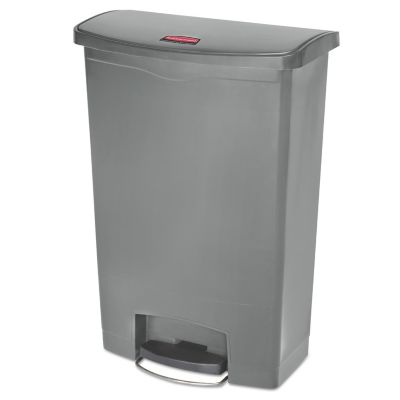
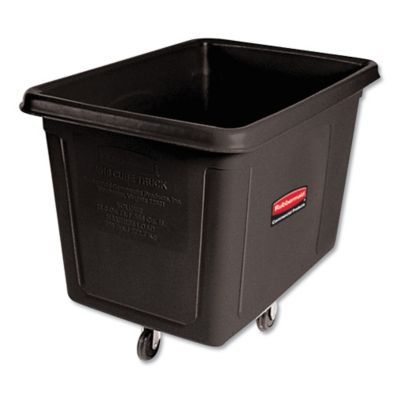
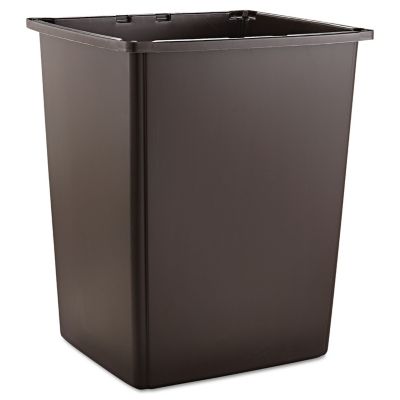
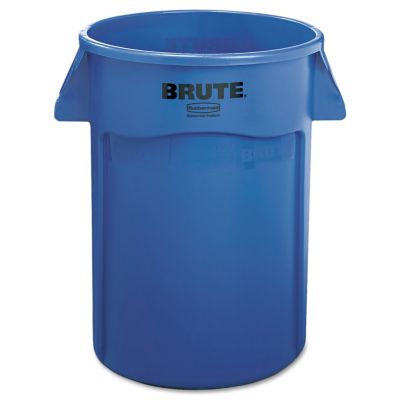
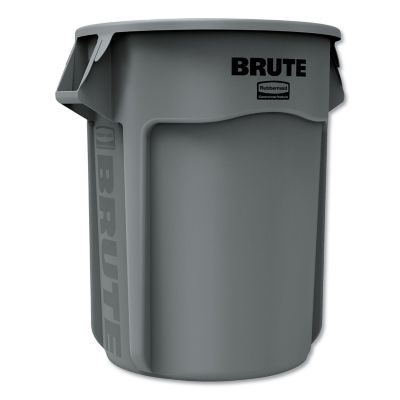
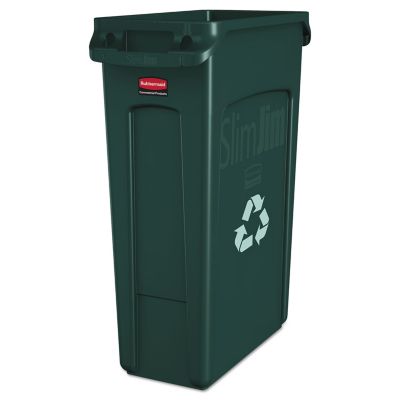
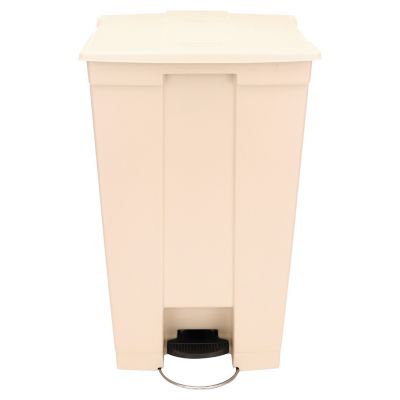
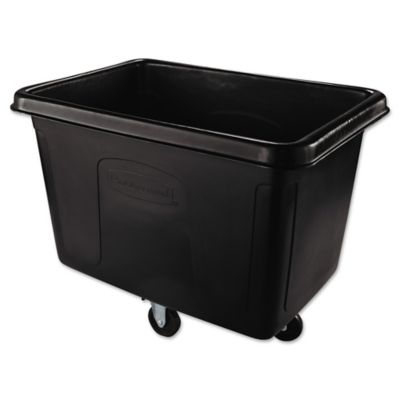
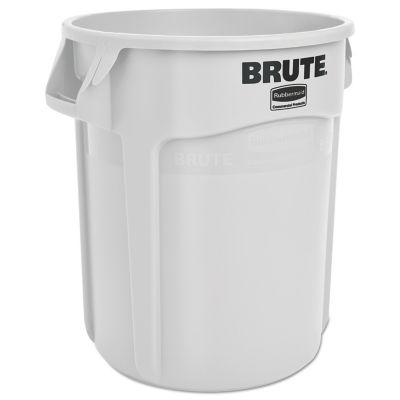
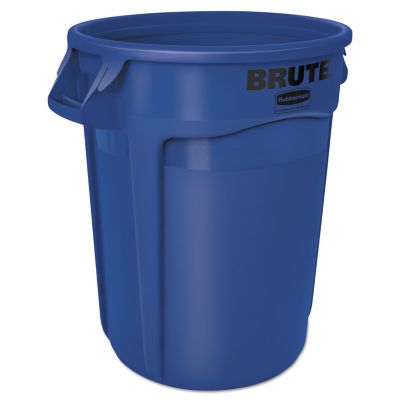
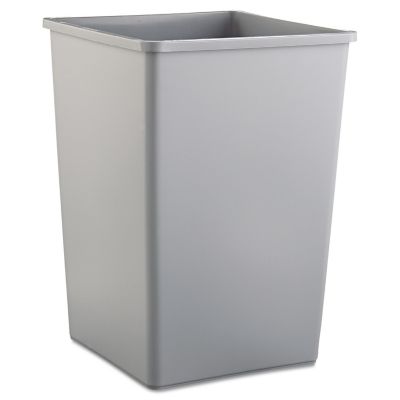
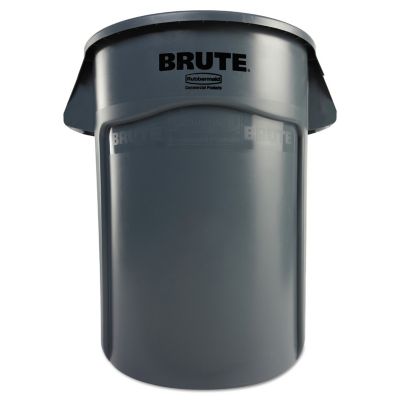
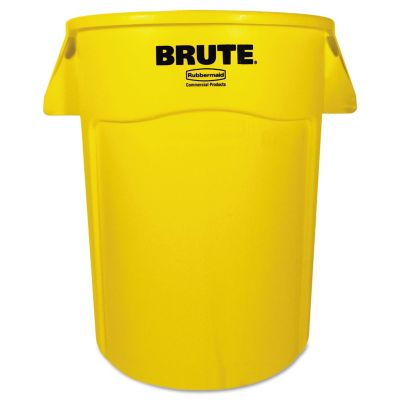
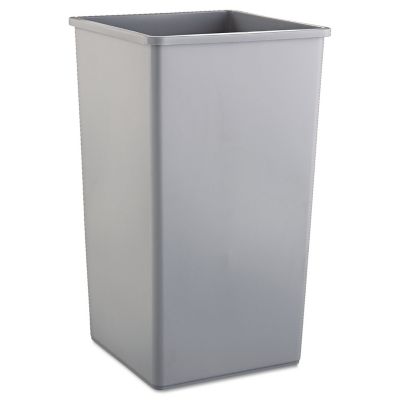
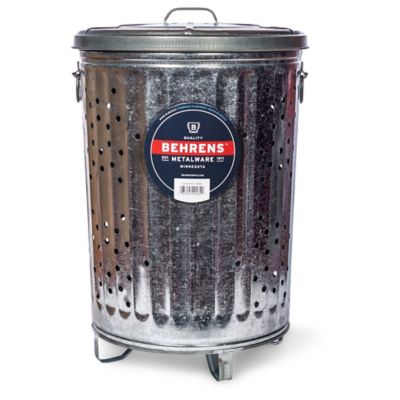
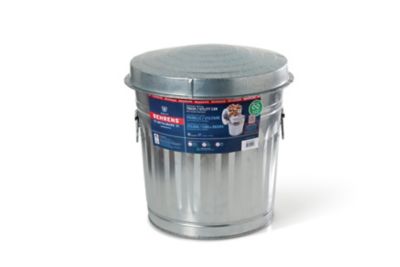
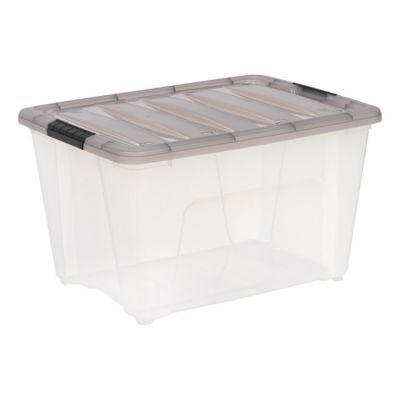
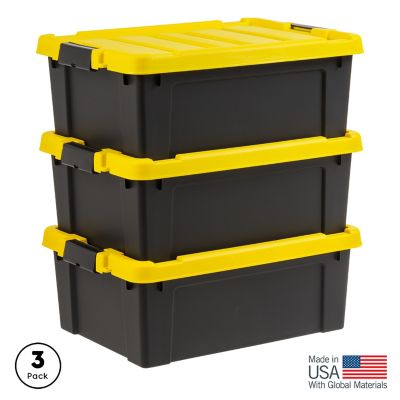
Heavy Duty Commercial Trash Cans are built for the kind of daily work that can wear out a household bin in a hurry. They’re a practical choice for farms, ranches, restaurants, warehouses, workshops, schools, offices, campgrounds, event spaces, and busy homes where trash piles up fast. Commercial-grade waste containers are made to handle full liners, rough handling, outdoor exposure, and repeated cleaning without becoming cracked, bent, or difficult to move. Common materials include crush-resistant plastic, UV-stabilized polyethylene, galvanized steel, and powder-coated steel. Plastic cans are lightweight, won’t rust, and are easy to rinse out after a muddy job or messy cleanup. Steel receptacles offer a sturdy, finished look for public-facing areas and can help stand up to bumps, tampering, and everyday wear. When choosing a commercial trash can, start with the location and the kind of waste it will hold. An indoor break room, animal barn, loading dock, and public walkway all have different needs. A round utility container can fit neatly beside a workbench or in a back-of-house area, while a wheeled rollout cart is better suited for hauling larger loads across a parking lot, gravel drive, barnyard, or service area. If you’re comparing waste containers with other storage options,
Heavy Duty Plastic Bins can also help organize supplies, tools, feed-room items, or materials that need to stay contained.
Capacity is one of the biggest purchase considerations. Smaller commercial containers in the 20- to 32-gallon range can work well in offices, bathrooms, animal-care areas, and workstations where liners are changed often. A 44- to 55-gallon can gives more room for kitchen waste, shop debris, landscaping cleanup, and general facility use without taking up the footprint of a much larger cart. Large wheeled containers in the 65- to 95-gallon range are useful for high-volume collection, shared outdoor areas, and locations where waste is gathered before pickup. Keep in mind that capacity also affects handling: a full container can become surprisingly heavy, especially when it holds wet grass, food scraps, bedding, or damp cardboard. Sturdy wheels, a balanced base, and a comfortable handle make a real difference when moving a loaded cart. Look for heavy-duty casters or large wheels if the route includes uneven pavement, packed dirt, gravel, or thresholds. Some rollout styles are designed to work with automated or semi-automated collection equipment, which can be helpful for businesses and facilities following a regular waste-hauling schedule. For stationary cans, a reinforced rim and stable base help prevent tipping when people toss in bulky items or when wind moves through an outdoor area. Venting channels may make it easier to remove a tightly packed liner by allowing air to flow between the bag and the container wall. This is a small feature that can save a lot of tugging at the end of a long workday, particularly when the bag is filled with damp towels, leaves, packing material, or other heavy refuse.
The opening and lid style should match how the can will be used. Open-top containers are convenient in busy work areas because trash can be dropped in quickly, while domed tops, push doors, or covered openings help hide waste and limit exposure to rain, pests, odors, and wind. Covered receptacles are a good fit for entrances, sidewalks, parks, customer areas, and outdoor gathering spots where appearance matters. Some commercial outdoor cans include secure tops, side-access doors, or built-in ash receptacles for added control in public spaces. Place trash cans where people naturally finish a task, such as beside a food-preparation station, near a livestock wash area, at the end of a loading lane, or by an outdoor seating area. A container that is easy to see and reach is more likely to be used properly, while one tucked behind a door or across a muddy lot may quickly become a nuisance. During warmer weather, a tight-fitting lid and regular liner changes can help manage odors and insects. As the weather cools and leaves, garden cleanup, storm debris, and indoor projects pick up, a larger can or rollout cart can keep waste from collecting in piles around the property. Choose liners that fit the container’s dimensions and intended capacity, and avoid filling bags so high that they snag on the rim or become unsafe to lift. Clean plastic cans with mild soap and water, allow them to dry, and check wheels, lids, handles, and fasteners from time to time. Steel containers should be inspected for scratches, loose parts, and early signs of corrosion, especially when they live outside. With the right size, material, mobility, and lid design, Heavy Duty Commercial Trash Cans help keep busy places cleaner, safer, and easier to manage from the first load of the day through the final cleanup.