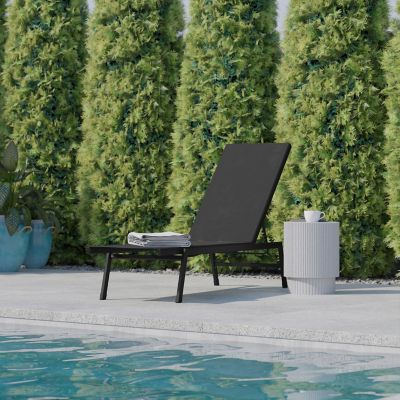
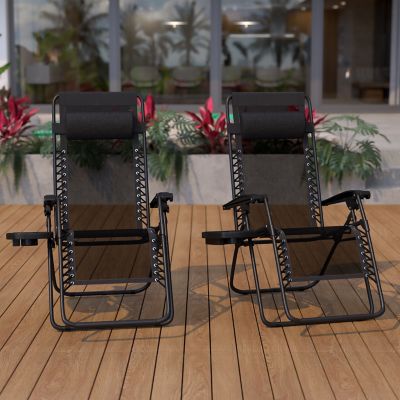
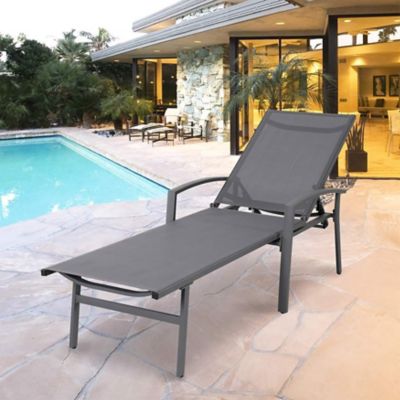
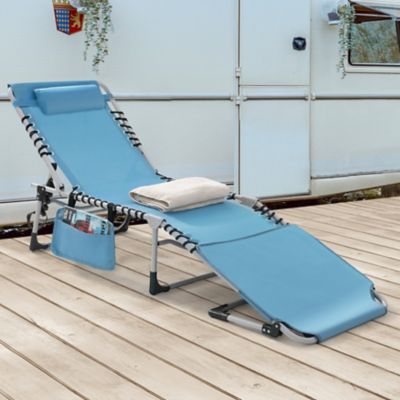
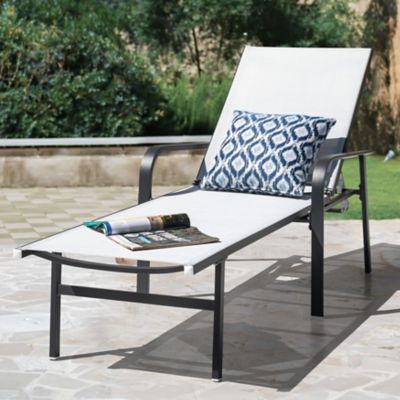
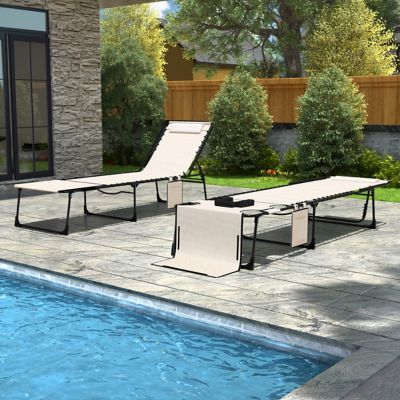
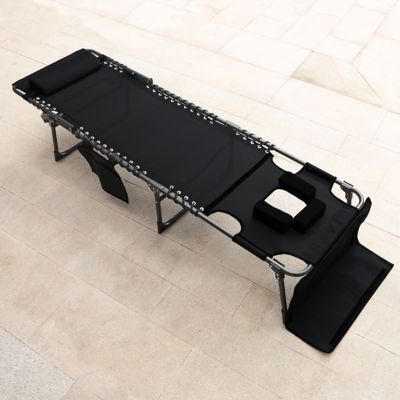
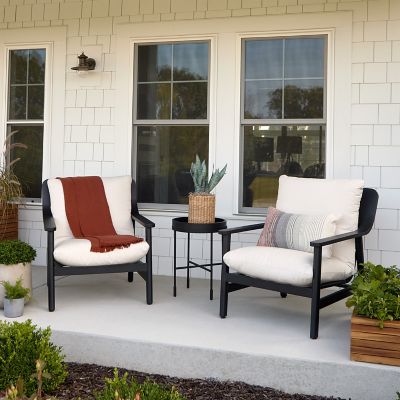
Outdoor chaise lounge chairs make room to stretch out without turning the backyard into a whole new project. Their extended seats support the legs as well as the back, giving a porch, patio or poolside sitting area a different feel from a row of upright chairs. A chaise can be a comfortable spot for reading a few chapters, resting after chores or keeping someone company while supper finishes on the grill. Some styles have adjustable backrests that let the sitter move between a more upright position and a lower recline; others keep a fixed shape. The right arrangement depends on how the chair will fit into everyday life. Someone who likes to read or watch the kids play may prefer several upright settings, while someone who mainly wants to stretch out may care more about the length of the seat and the support beneath the calves. Overall dimensions matter, but so do seat width, backrest height and the distance from the seat to the ground. A low profile can feel relaxed, though a higher seat and sturdy armrests may make sitting down and standing up easier. Leave enough space behind the chair for the backrest to recline and enough room beside it to walk without stepping over someone's feet. On a narrow porch, measure the full footprint rather than just the seat, and keep doors, steps and regular walking routes clear. A small side table within easy reach gives a drink, paperback and pair of glasses a place to land. If two chairs will sit together, allow space between them so each person can reach an adjustment lever or armrest. Think about the view, too: facing the garden or an open stretch of yard can make a simple seating spot feel more inviting than pointing everything toward a fence. A chaise works best when it fits the space comfortably and feels easy to settle into, not when it crowds out the rest of the furniture.
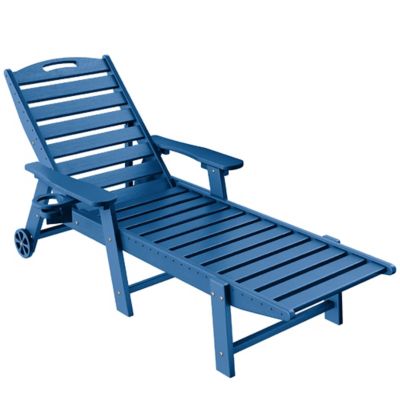
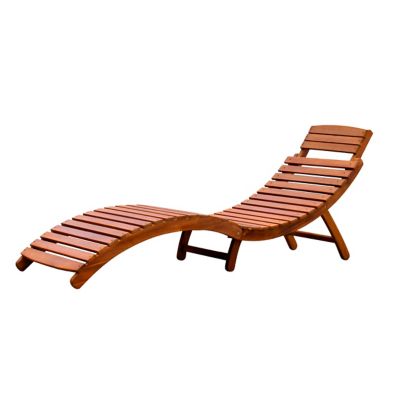
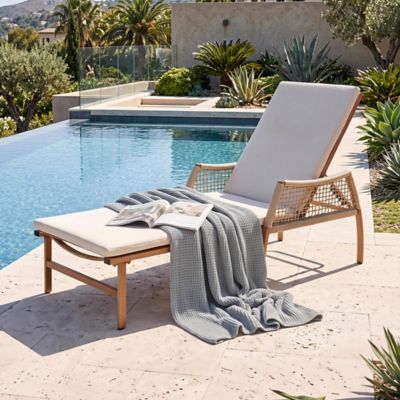
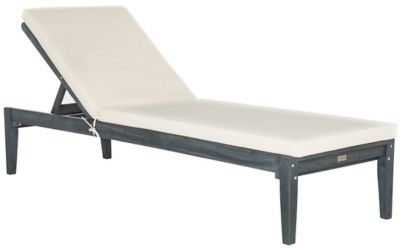
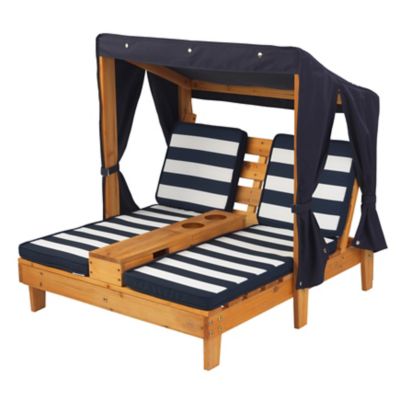
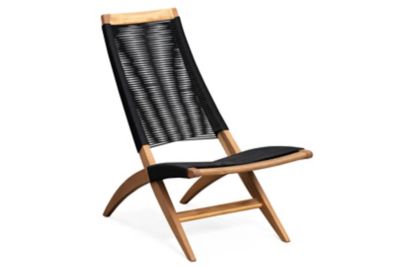
Frame and seat materials influence the feel of an outdoor chaise lounge chair, the effort needed to move it and the upkeep it will need. Wood has a familiar look that sits naturally beside porch railings, garden beds and stone paths. Different wood species and finishes call for different care, so check whether a frame needs periodic oiling, sealing or another treatment recommended by the manufacturer. If the grain and feel of wood suit the space,
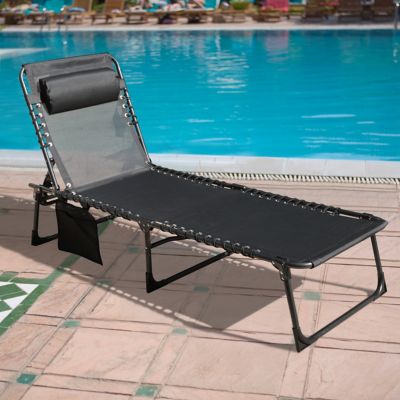
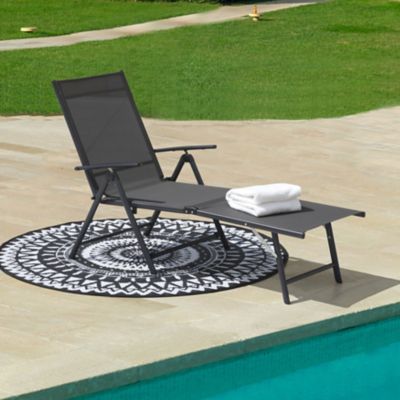
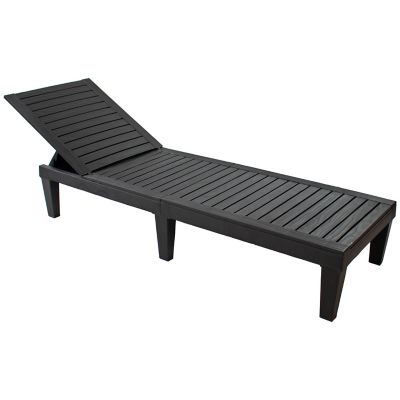
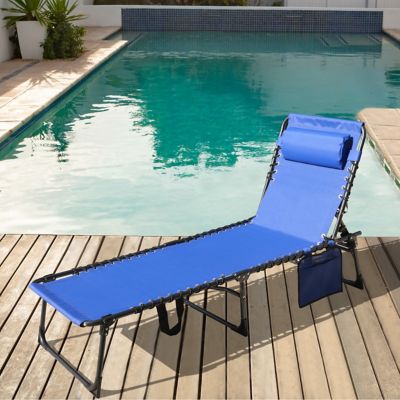
Outdoor Wooden Lounge Chairs are worth a look alongside chaise styles. Aluminum frames tend to be easier to reposition, which can help when moving chairs to sweep the porch or rearrange seating for company. Steel frames often bring more weight, and their protective finishes need attention if scratches expose the metal underneath. Resin and plastic frames offer another approach, with molded surfaces that can simplify routine wiping and rinsing. Whatever the material, look at the joints, feet and support beneath the seat rather than judging by appearance alone. Outdoor furniture faces moisture, sunlight and repeated handling, and each material responds differently. A chair described for outdoor use still needs the care specified for its frame, finish and fabric. Sling seats hold a fabric panel across the frame and can provide support without a separate cushion, while slatted seats leave openings between boards or molded sections. Cushioned styles add padding but also bring covers, seams and filling into the care routine. Mesh, woven fabric and upholstered cushions each have a different feel against bare arms and legs. Check how water can drain, whether cushions lift off easily and whether fabric care instructions fit the amount of maintenance the household wants to take on. Matching the chair to its setting matters as much as matching its color to the house. A covered porch, an open patio and a pool deck expose furniture to different amounts of moisture and splashing, so material choices should reflect where the chair will actually sit.
Comfort comes from several details working together, not simply from adding the thickest cushion. A seat should support the body without an awkward edge behind the knees, and a backrest should feel comfortable in the position the sitter will use most. Cushions need to match the chair's dimensions and adjustment points; padding that slides, bunches or blocks a hinge can make an otherwise comfortable chaise frustrating. Ties or straps can help hold a properly fitted cushion in place when the chair's design allows them. For a shared seating area, consider how easily different people can adjust the backrest and whether armrests make it simpler to get settled. Check the stated weight capacity, and keep adjustment mechanisms fully engaged before leaning back. Folding frames and wheels can make moving or storing a chair easier, but the folded dimensions and chair weight still matter when it has to pass through a shed doorway or lift over a porch step. Place the feet on a firm, level surface, away from loose edges where the frame could rock or sink. Routine care can stay fairly simple: brush away leaves and grit, wipe spills promptly and follow the manufacturer's cleaning directions rather than reaching for harsh cleaners. Pay attention to the spaces around hinges, fasteners and slats, where dirt can collect. Let cleaned cushions dry thoroughly before putting them away, and choose a protective cover that fits without trapping moisture against the furniture. If chairs are stored in a shed or garage, make sure there is room to keep cushions clean and frames clear of tools and equipment. An outdoor chaise can also be a thoughtful gift for someone who enjoys porch time, tending a garden or relaxing after a day on their feet. For a gift, knowing the recipient's available space, preferred seat height and willingness to handle upkeep is more helpful than choosing by looks alone. Those everyday details help an outdoor lounge chair become a comfortable part of the home rather than one more thing to work around.