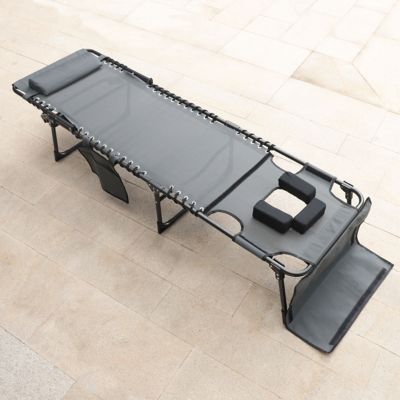
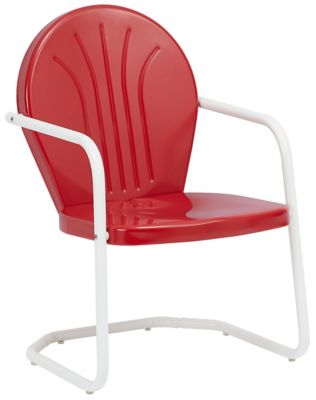
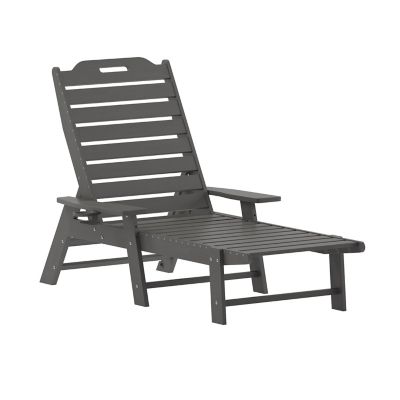
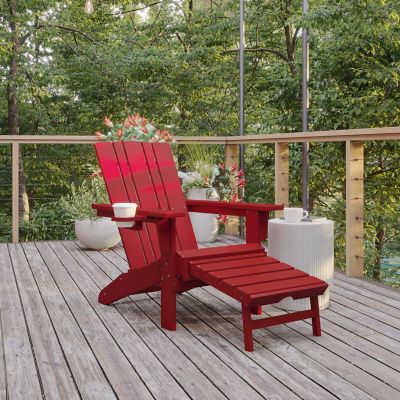
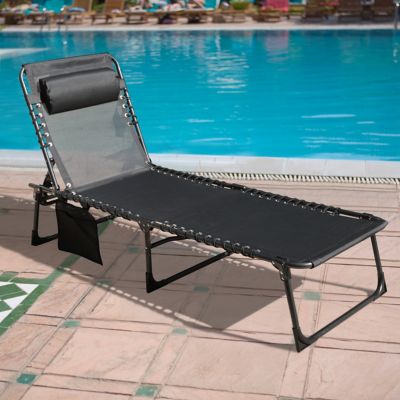
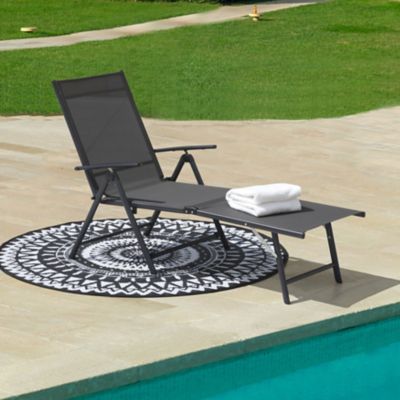
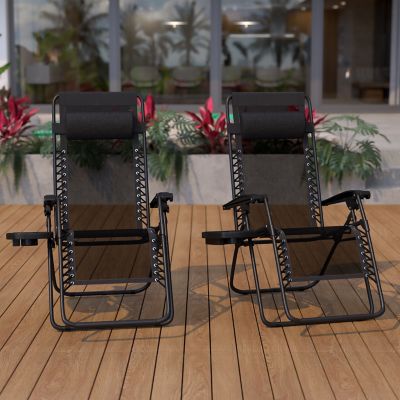
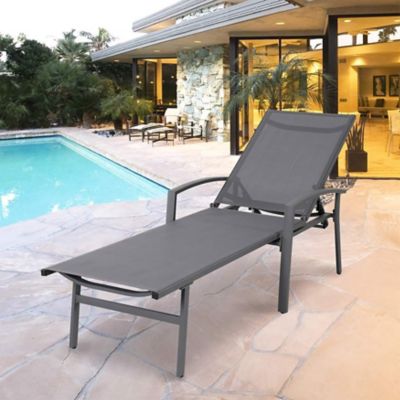
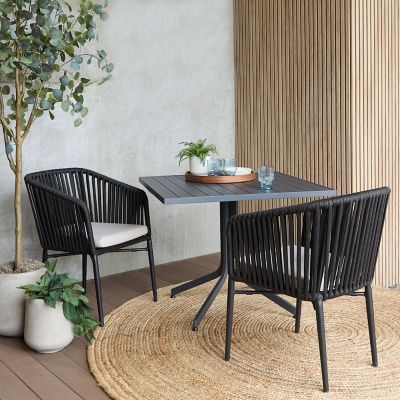
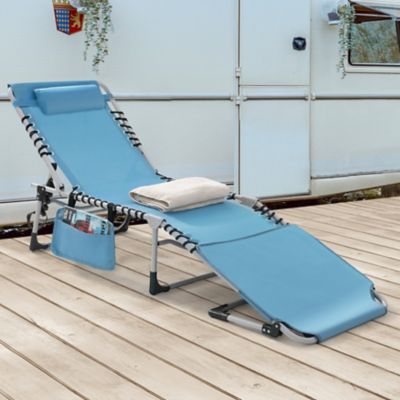
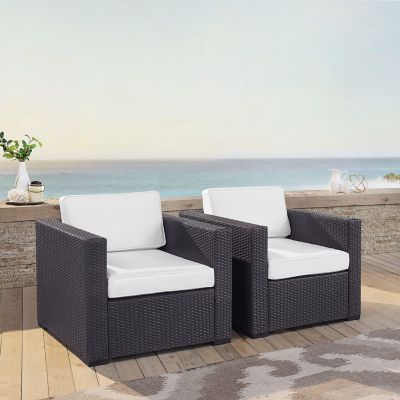
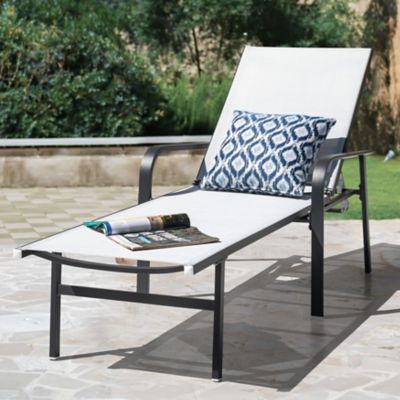
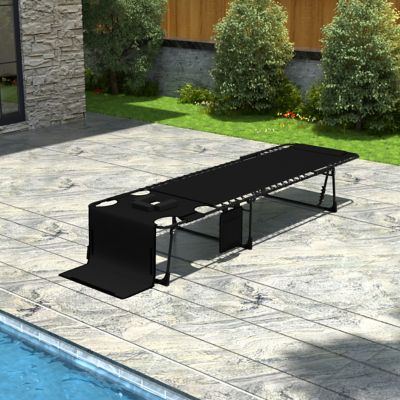
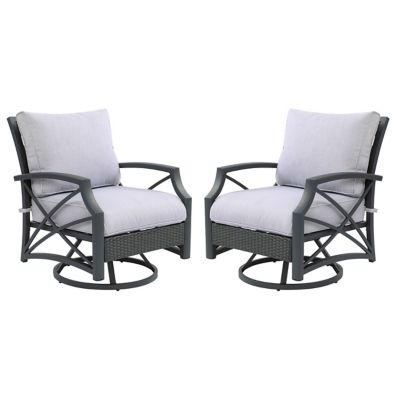
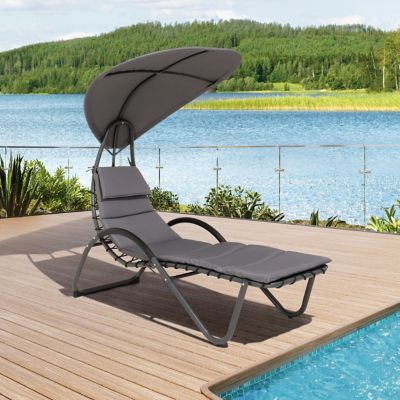
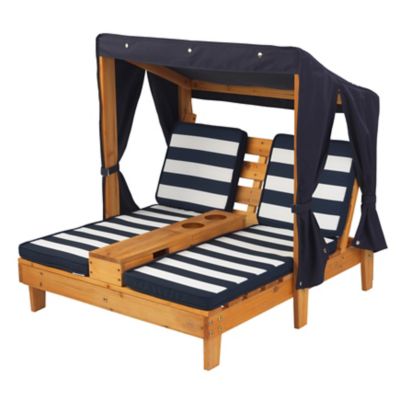
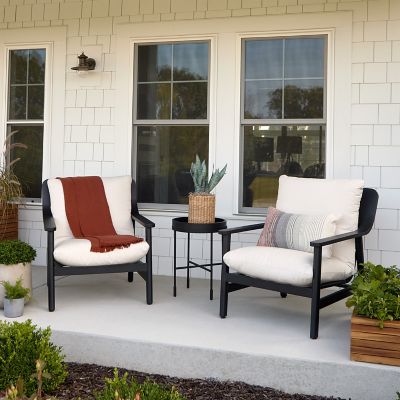
Outdoor lounge chairs provide laid-back seating for patios, porches, decks and backyard gathering spots, with designs ranging from upright chairs with a relaxed back angle to full-length chaises and folding recliners. The main differences come down to how far the chair reclines, whether it supports the legs, what the frame is made from and how easily it moves or stores. A chaise lounge has an extended seat for stretching out, often paired with an adjustable backrest for reading, resting or keeping an eye on the yard. A reclining lounge chair usually takes up less floor space when upright, while a zero-gravity chair typically pairs a reclining back with a rising footrest for a more laid-back position. Folding designs make sense for seating that travels between the porch, a backyard cookout and a campsite. Stationary chairs suit spots where the seating stays put, and stackable styles help keep a shared patio clear between gatherings. The right fit depends on more than the chair’s overall footprint. Seat width, seat depth, back height and armrest placement all affect how comfortable a chair feels once someone settles in. A taller person may appreciate a longer chaise or a backrest that supports the head, while a higher seat and firm armrests can make sitting down and standing up less of a chore. Manufacturer weight limits matter, too, especially for suspended fabric seats and reclining frames. On a narrow porch, the full reclined length deserves as much attention as the upright dimensions. There needs to be room behind the backrest and beyond the footrest without crowding a doorway or the path to the steps. Two lounge chairs angled toward each other create an easy place to visit, while a single chair beside a small table makes a comfortable spot for a book, a glass of tea or a break after checking the fence line.
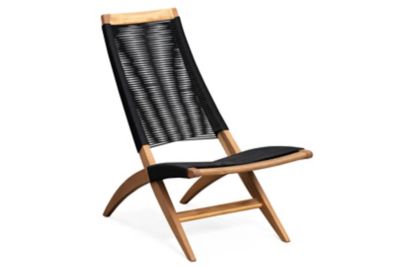
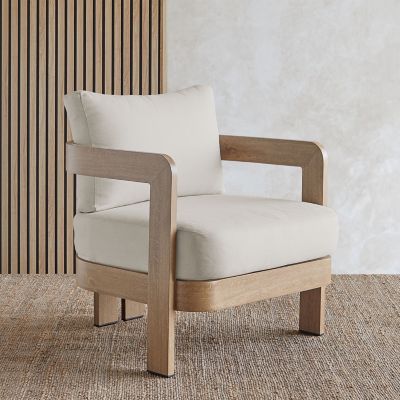
Frame materials influence a lounge chair’s weight, upkeep and feel. Aluminum is relatively light and resists rust, making it practical for chairs that move around the property. Steel frames generally carry more weight, and a protective finish helps shield the metal from corrosion; scratches and exposed joints still need attention according to the manufacturer’s care directions. Wood brings visible grain and a solid feel that fits naturally beside porch posts, deck boards and garden beds. Among
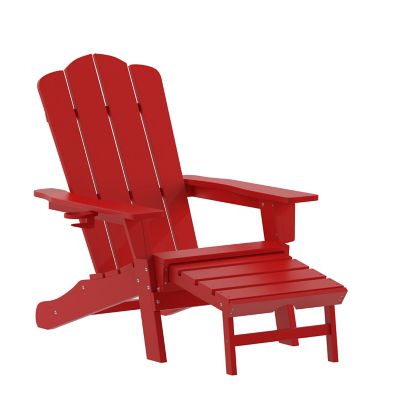
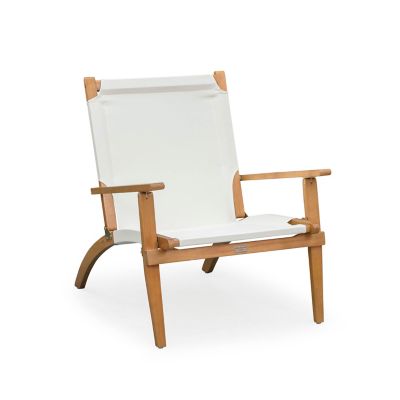
outdoor wooden lounge chairs, differences in wood species, construction and finish affect both appearance and maintenance. Teak and cedar have natural resistance to decay, though no wood chair is maintenance-free. Some wood develops a gray surface over time, while certain finishes help preserve its original color. Cleaning methods, oiling and refinishing schedules depend on the wood and the maker’s recommendations rather than a single rule for every chair. Resin and polypropylene designs offer another approach, often with molded surfaces that wipe clean without the finishing routine associated with wood. Their weight and construction vary, so a hollow molded chair and a heavier resin chair can handle quite differently when moved. Woven seating adds texture, but natural wicker and synthetic wicker are not interchangeable for outdoor exposure. Synthetic wicker typically wraps around a separate frame, making the frame material and the condition of the weave important parts of the chair’s construction. Hardware, joints, feet and reclining mechanisms also contribute to how well a chair holds up through repeated sitting, folding and moving. Smooth joints, secure fasteners and a stable base matter more in daily life than appearance alone. On a deck, broad feet can help spread the load, while protective glides help reduce scuffing on finished surfaces. Grass, gravel and uneven ground present different footing than a level patio, and a lounge chair needs a stable resting place before anyone leans back.
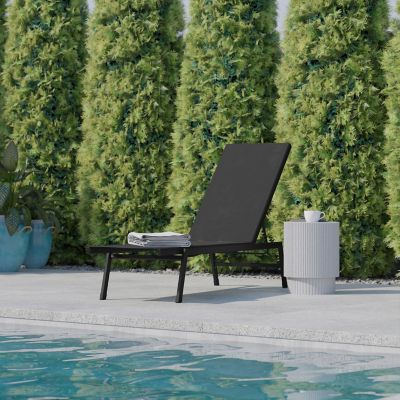
The seating surface makes just as much difference as the frame underneath it. Sling fabric stretches across a frame to provide support without a thick cushion, and open mesh construction allows airflow and water drainage. Cushioned chairs offer a softer place to settle, with seat pads, back cushions or head pillows depending on the design. Cushion thickness alone does not tell the whole story: the fill, shape and support beneath it all influence comfort. A thick pad can raise the sitting position, and a loose cushion that slides forward can make an otherwise roomy chair feel awkward. Ties, straps and fitted cushion shapes help keep everything in place. Outdoor fabrics vary in resistance to fading and moisture, and water-resistant fabric is not the same as a waterproof cushion. Moisture can still enter through seams or collect in the fill, so removable cushions benefit from a dry storage spot when they are not needed. Removable covers may simplify cleaning, but machine washing is appropriate only when the care label allows it. For many frames and seating surfaces, mild soap, water and a soft cloth are enough for routine dirt; stronger cleaners can damage finishes or fabric treatments. Letting chairs dry before folding, stacking or covering them helps prevent trapped moisture. A fitted cover works best when it allows ventilation and does not leave water pooled against the seat. Folding hinges and recline locks also deserve an occasional check, with fingers kept clear while the frame moves. These everyday details help a chair stay comfortable and ready for the next stretch of porch time. Outdoor lounge seating can make a thoughtful gift for someone settling into a new home, tending a garden or making more room for family visits. Matching the chair to that person’s space, preferred sitting position and willingness to handle upkeep makes the gift more useful than choosing on looks alone. Whether the setting is a broad farmhouse porch or a small backyard patio, comfortable support and a sensible fit give folks a good reason to sit a spell.