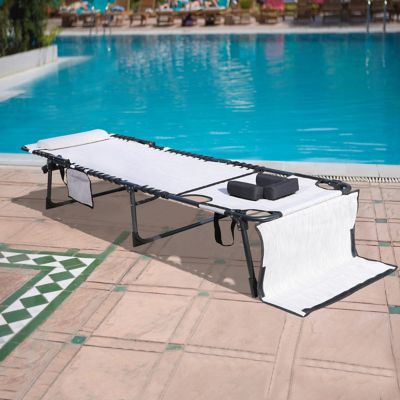
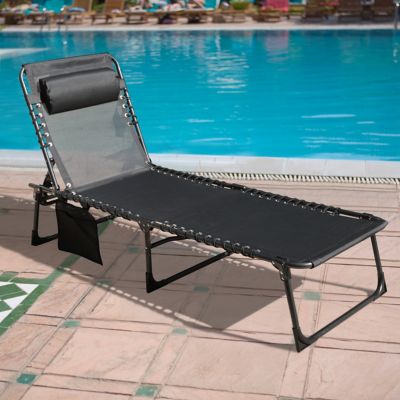
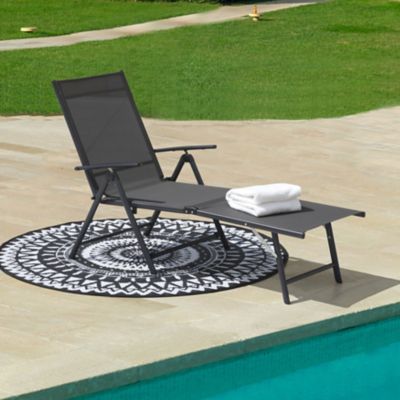
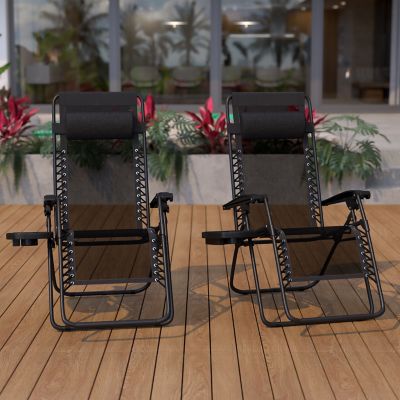
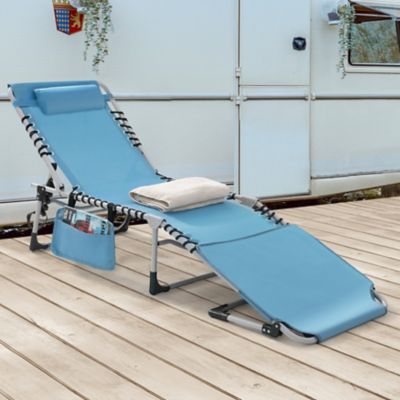
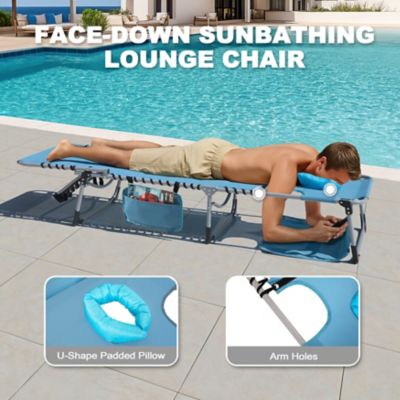
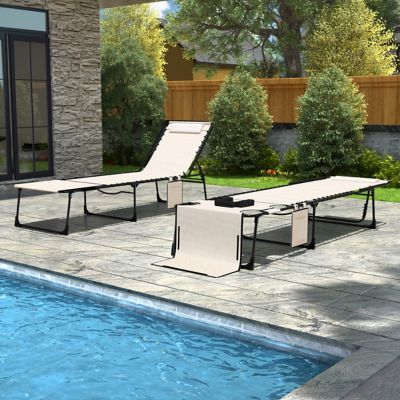
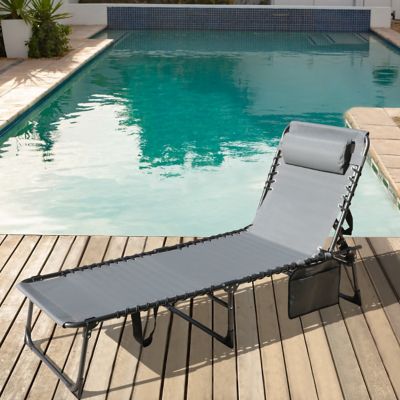
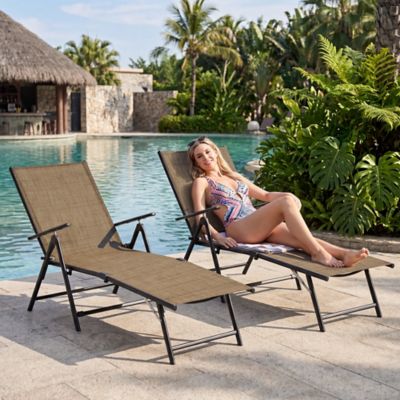
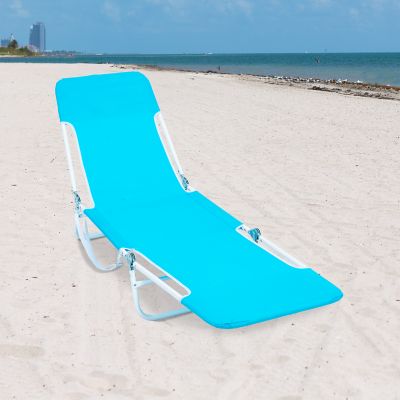
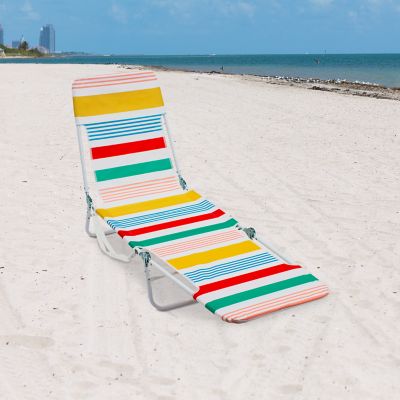
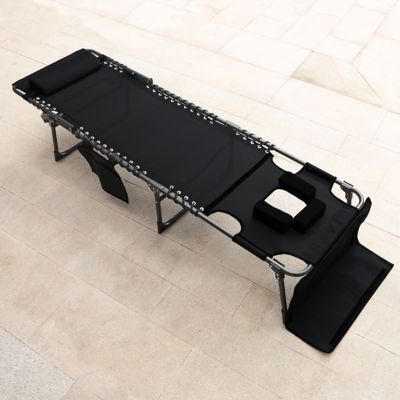
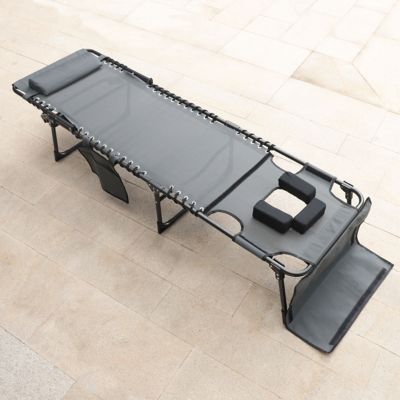
Folding outdoor chaise lounge chairs combine extended leg support with a frame that folds down for carrying or storage, making them a practical fit for porches, patios, pool areas and trips to the campground. They give you room to stretch out after chores without keeping a full-size lounger in place all the time. Unlike a standard folding seat, a chaise supports more of your body, with a longer seating surface that reaches beneath your legs. Adjustable designs offer several backrest angles for reading, visiting or leaning back, while some also recline completely flat. That distinction matters if your favorite way to relax involves lying down rather than sitting with your feet up. Backrest positions, leg-section adjustments and locking mechanisms vary by design, so the stated features tell you more than the chair’s appearance alone. A comfortable fit starts with the seat width, overall length and height from the ground. Taller adults may want extra room between the headrest and foot end, while someone who prefers an easier rise may appreciate a higher seat and supportive armrests. A low chair can feel right at home beside a pool, but getting out of it requires more bending at the knees and hips. The listed weight capacity is another important consideration, separate from the chair’s own carrying weight. Room to move matters, too: armrests should not crowd your hips, and the seat should support your legs without putting an awkward frame bar behind your knees. On a narrow porch, the fully reclined dimensions matter just as much as the upright footprint. There should still be space to walk past, reach a side table and adjust the backrest without bumping a railing. For a spot where folks gather to talk, a more upright setting keeps conversation comfortable; for a quiet break with a book, a deeper recline and an adjustable head pillow may be a better match.
Frame and fabric choices influence how a folding outdoor chaise lounge chair feels, how easily it moves and how much attention it needs between outings. Aluminum frames generally keep carrying weight down and do not develop the red rust associated with iron-based metals. Steel frames often weigh more, and a protective coating helps shield the metal from moisture. Scratches, worn joints and exposed fasteners still deserve attention, especially on seating that spends time near a pool. Frame weight alone does not establish strength or stability; construction, hinge design, leg placement and the stated load limit all play a part. For the seating surface, open-weave sling mesh allows airflow and gives water a path to drain, which can be handy when someone sits down after a swim. Woven polyester fabrics offer a different feel, sometimes with a tighter surface or added padding. Fabric names alone do not establish water resistance, fade resistance or care requirements, so those details are worth comparing. Cushions can soften contact with the frame, though extra padding also adds something to carry, clean and store. Removable pillows and pads make it easier to adjust support or separate the fabric pieces for care when the instructions allow it. Cushion dimensions and attachment points matter if you plan to replace them later; a pad that slides around or hangs over the edges can interfere with comfort and folding. Routine care is usually simpler when dirt and spills are addressed before they settle into seams. Follow the chair’s cleaning directions, since harsh cleaners, stiff brushes and pressure washing can harm certain fabrics or finishes. Mild soap and a soft cloth may be suitable for many surfaces, followed by thorough drying before storage. Even fabric that sheds water needs time to dry around stitching, folds and frame sleeves. Keeping those areas clean and dry helps limit mildew and protects the parts that handle repeated movement.
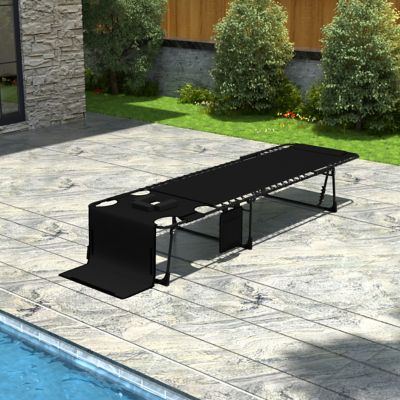
Portability becomes especially important when the chair travels farther than the edge of the porch. A folding outdoor chaise lounge chair that feels manageable on a short walk may be harder to carry from a parking area to a campsite, particularly alongside a cooler and other gear. Carrying weight, folded dimensions, handles and a secure closure all affect that trip. Some designs fold into a flat panel, while others make a thicker bundle, so measuring the space behind a truck seat or on a shed shelf can save some rearranging later. A carry strap or bag, when included, can help keep the folded chair together and leave a hand free. At home, a compact fold makes it easier to clear the deck for a family gathering or tuck seating away between visits. Before settling in, the chair needs a level, firm surface with every leg supported; loose gravel, soft ground and uneven boards can change how it sits. Hinges and reclining locks should be fully engaged according to the manufacturer’s directions, with fingers kept clear of moving joints. Children and pets also need space away from the folding frame while it opens or closes. Thoughtful extras can make a difference without changing the chair’s basic purpose. An adjustable pillow supports different lounging positions, armrests give hands a place to rest, and an attached tray can keep a book within reach when the design includes one. For a shared outdoor seating area, a chaise can sit alongside upright chairs rather than taking the place of every seat.
Folding Patio Sling Chairs are another seating style to consider when some folks prefer sitting up without an extended leg rest. A folding chaise can also make a thoughtful gift for someone who enjoys the back porch or takes regular camping trips, especially when its seat height, carrying weight and storage needs suit their routine. The right match leaves room to stretch out, folds without a wrestling match and fits the way that outdoor space gets enjoyed.