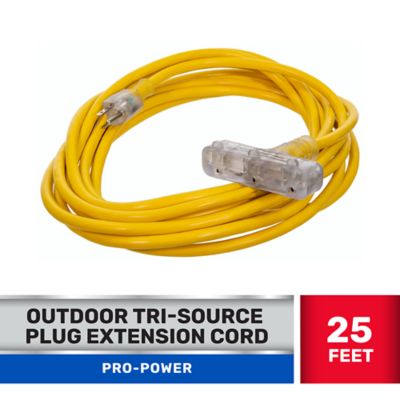
Outdoor power cables bring electricity from a suitable outlet to the tools, lighting, and equipment that keep work moving around a yard, acreage, or outbuilding. An outdoor extension cord is a flexible electrical cable rated for outdoor exposure, with an insulating jacket designed to handle conditions that an indoor-only cord cannot. That distinction matters when a workbench sits outside the shop door or a corded trimmer needs to reach along a fence. The cable has to suit both the surroundings and the electrical load, not simply stretch far enough to reach the job. Outdoor cord jackets may contain PVC, rubber, or other compounds, with resistance to moisture, sunlight, abrasion, and temperature extremes varying by construction and rating. Letter markings help identify those capabilities: a W in a designation such as SJTW or STW indicates suitability for outdoor use. The full marking and manufacturer’s specifications provide more detail, including voltage and application limits. Outdoor-rated does not mean suitable for submersion, direct burial, or every farm and shop environment. Where a cable may encounter oil, fuel, or repeated contact with rough surfaces, its stated resistance to those exposures deserves attention. Flexibility matters, too. A cord that bends readily is easier to route around a work area and coil after the job, while a thicker jacket may add weight and take more room on a storage hook. Bright jacket colors can make a cable easier to spot across gravel or grass, although visibility never replaces keeping it clear of foot traffic and moving equipment. For homeowners, property caretakers, and folks tending a small farm, the right outdoor power cable balances reach, handling, and electrical capacity. A short connection beside the garage calls for a different setup than a long run to a portable work area, even when both jobs involve the same tool. Cable length, conductor size, plug configuration, and the equipment’s requirements all work together to determine a suitable match.
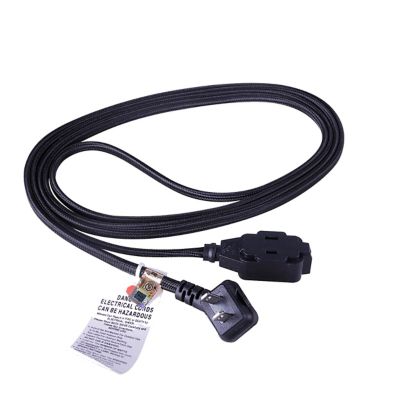
Wire gauge is one of the most important differences among outdoor power cords. American Wire Gauge, or AWG, describes conductor size, and a lower number means a thicker wire. A 12 AWG cable has thicker conductors than a 14 AWG cable, which in turn has thicker conductors than a 16 AWG cable. Thicker conductors generally support greater electrical loads with less voltage drop over a given distance, but gauge alone does not establish a cord’s capacity. Length, construction, and the manufacturer’s amperage rating also matter. A compact light and a motor-driven tool can place very different demands on a cable, and motors may draw extra current when starting. The equipment manual’s extension cord requirements are the best starting point for matching gauge and length to the task. A longer cord is not automatically more useful; extra distance adds weight, creates more cable to manage, and can increase voltage drop. Choosing enough reach for a clear route, without a large excess piled beside the outlet, makes for a more practical setup. Plug and receptacle fit deserve the same attention. Equipment that requires grounding needs a cord with an intact grounding conductor and compatible three-prong connections; removing a grounding pin defeats that protection. Blade shape, voltage, and amperage ratings must match the intended connection rather than merely look close enough. Markings from recognized testing organizations, such as UL or ETL, help identify cords evaluated to applicable safety standards, while the cord label establishes its particular limits. Multiple-outlet ends can serve more than one device, but they do not increase the cable’s total capacity. The combined load still has to stay within the ratings of the cord and the supply circuit. At a portable bench, that might mean accounting for the work light along with the tool, rather than considering each separately. Ground-fault circuit interrupter protection, commonly called GFCI protection, is an important safeguard for outdoor power, but it does not make damaged insulation or wet connections safe.
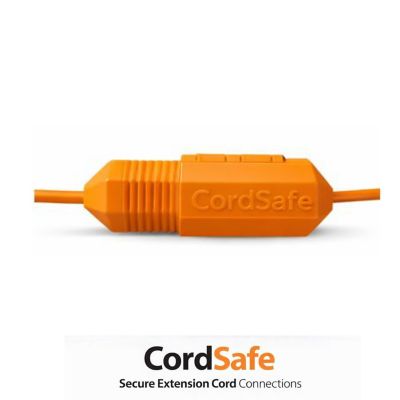
Everyday handling makes a difference in how well an outdoor electrical cable holds up between jobs. Across a homestead or work site, the route from outlet to equipment may pass a gate, a sharp metal edge, or a driveway. A suitable layout keeps the cord away from mower blades, vehicle tires, closing doors, and places where livestock can chew or step on it. It also leaves enough slack for the intended movement without putting tension on the plug. Outdoor jackets offer protection within their ratings, but the connections still need shelter from standing water and the exposure limits stated by the manufacturer. Connection covers must be rated for the application; an improvised wrapping is no substitute for the proper enclosure. Extension cords serve temporary power needs, not permanent wiring to a shed, barn, or distant receptacle. For a building that needs regular electrical service, a qualified electrician can provide a permanent installation suited to the location. Portable generators bring another set of connection requirements.
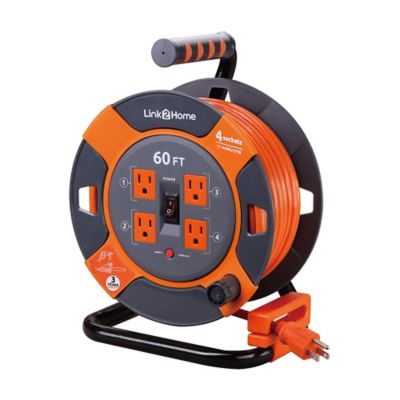
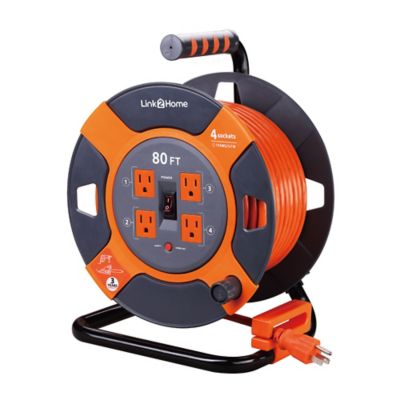
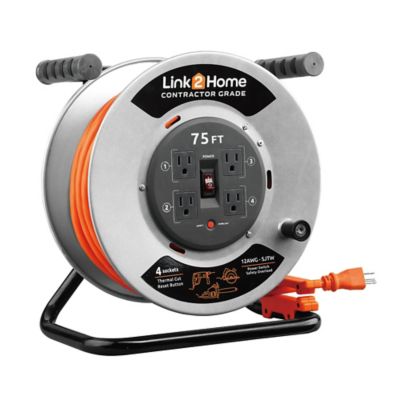
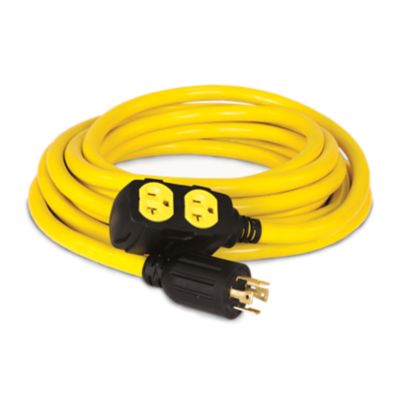
Power Cables For Generators relate to applications where outlet style, voltage, amperage, and equipment compatibility need particular attention, including locking connections where specified. Generator power must never feed a building through an ordinary wall outlet; a building connection requires properly installed transfer equipment. For everyday cord care, checking the full length before plugging in helps catch cuts, crushed sections, exposed conductors, loose ends, or heat damage. A damaged cord belongs out of service rather than under a patch of tape. Following any instructions for fully unwinding a reel helps prevent heat buildup under load. After the work is done, disconnecting by the plug instead of pulling the cable protects the connection from strain. Cleaning according to the manufacturer’s directions, letting the cord dry, and storing it in loose coils away from sharp tools help preserve the jacket and make the next setup easier. Whether the task is lighting a repair beside the shop or running corded equipment around the property, a well-matched cable keeps the focus on the work, with the right reach and connections for the job.