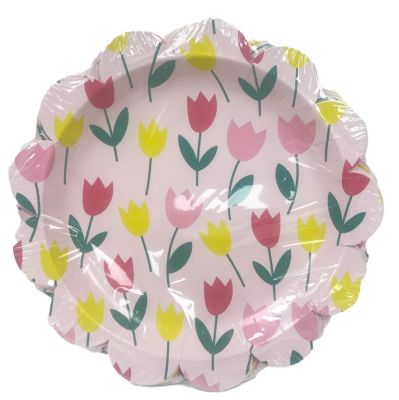
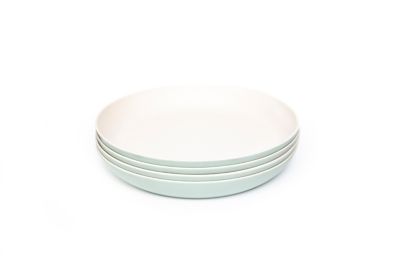
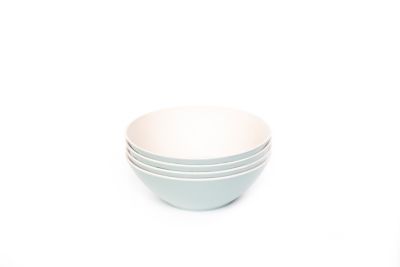
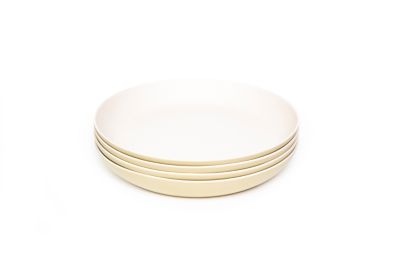
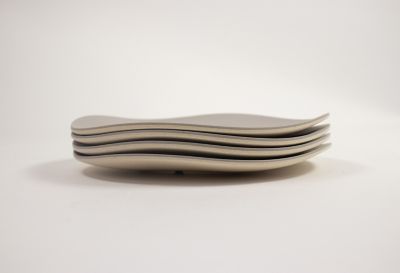
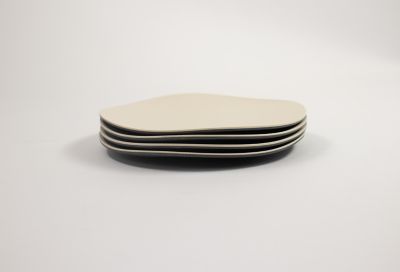
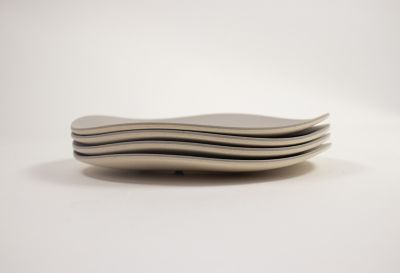
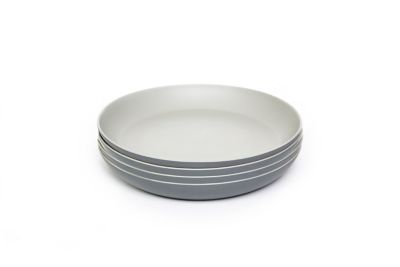
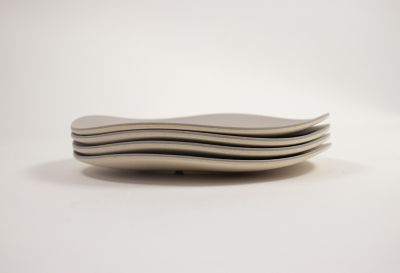
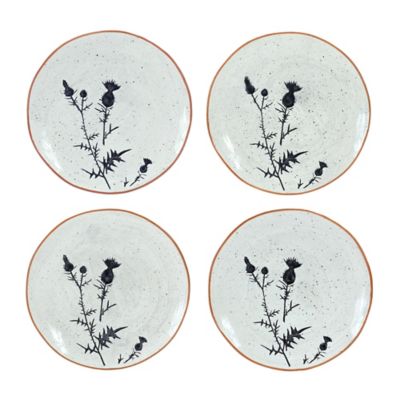
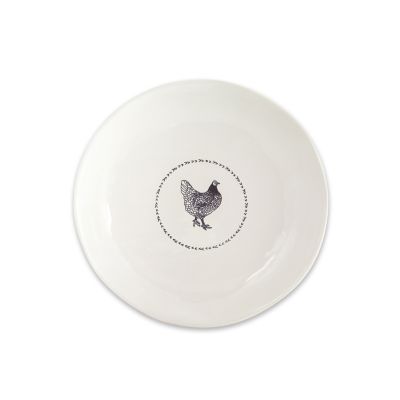
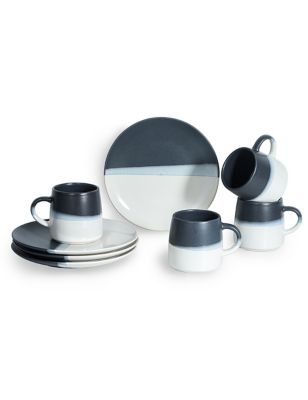
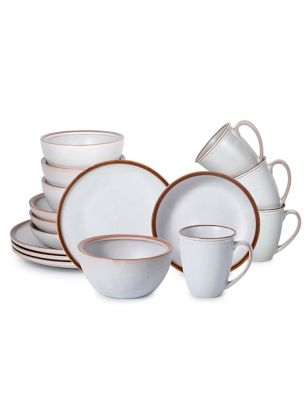
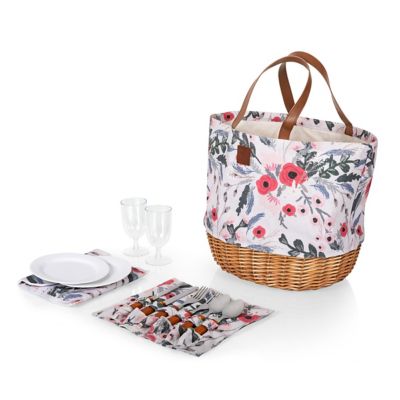
Dinnerware for Easter sets the table for everything from a quiet family breakfast to a full house after church. Ceramic plates, porcelain place settings, stoneware bowls, melamine dishes and disposable paper dinnerware offer different ways to serve the holiday meal. The right fit depends on the food, the number of guests, the setting and how much cleanup the gathering calls for. At a farmhouse table crowded with baked ham, scalloped potatoes and baskets of rolls, plates with plenty of eating space help keep gravy from spilling over the edge. For brunch, smaller plates leave room for serving dishes while giving guests a comfortable place for egg casserole, fruit and a biscuit. Easter patterns often feature rabbits, eggs, flowers or soft pastel colors, while plain white and cream dishes let the food and table linens bring the color. A patterned salad plate paired with a solid dinner plate adds a holiday touch without making every piece match. Pale blue, soft green and blush pink can sit comfortably alongside everyday dishes, too, especially when a gathering stretches from the kitchen table to an extra folding table. Plate shape affects how a place setting fits: round dishes are easy to arrange, while square or oval shapes may need more elbow room. Rim width matters as well, since a broad border can make a plate look generous while leaving a smaller area for food. Shallow bowls suit salads and dishes with sauce, and deeper bowls give fruit, soup or cereal more room. Sets organized by place setting make it easier to account for each guest, but the number of pieces does not always equal the number of people served. A place setting may include several dishes for one person. Matching the assortment to the meal helps keep the table comfortable rather than crowded, whether Easter means four people sharing breakfast or several generations passing serving bowls down a long table.
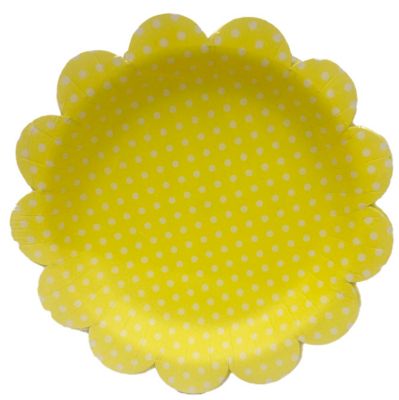
Materials make a noticeable difference in how Easter dinnerware feels, handles food and holds up over repeated meals. Porcelain often has a smooth surface and a relatively fine profile, making it a natural choice for a more dressed-up holiday table. Stoneware tends to feel heavier and can bring a relaxed, substantial look to family meals. Earthenware offers another ceramic option, though its resistance to chipping and its care requirements vary with the body and glaze. No ceramic dish is immune to a hard knock against a sink or countertop, and thin edges deserve particular care when plates are stacked or cleared. Glazed surfaces should be intended for food contact, with care information that matches the way the dishes will serve the meal. Dishwasher and microwave suitability depend on the individual piece rather than the material name alone. Metallic rims, painted details and certain finishes may come with restrictions, so appearance by itself cannot establish whether a plate belongs in the microwave. Oven suitability is a separate consideration; a dish that can handle reheating in a microwave is not necessarily safe in an oven. Glass dinnerware can provide a simple backdrop for colorful Easter foods, but heat limits and resistance to sudden temperature changes also vary by construction. Melamine is lightweight and generally resists breaking better than ceramic, which can make it practical for a porch table, a picnic-style lunch or a gathering with children. It should not go in the microwave, and food-temperature limits and dishwasher instructions still matter. Paper plates offer a single-meal option when a large gathering makes washing dishes less practical. Their thickness, coating and shape affect how well they carry a helping of ham, potatoes and vegetables. A firm plate with a raised edge is better suited to a full meal than a thin, flat dessert plate. Across materials, smooth eating surfaces, comfortable weight and manageable plate sizes make the meal easier to enjoy, especially for younger children or guests who prefer lighter dishes.
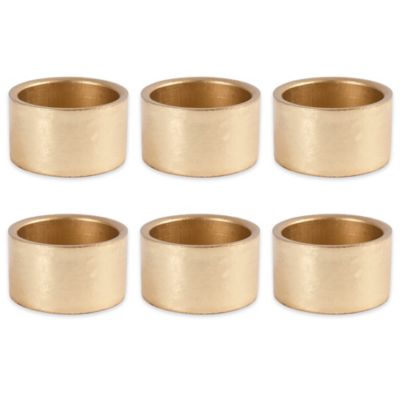
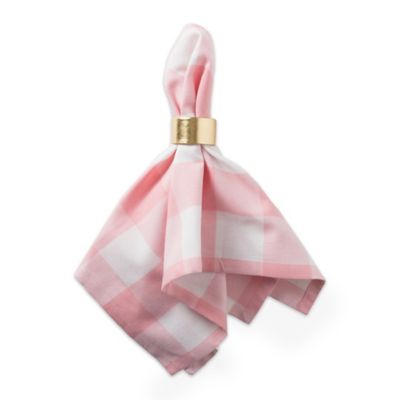
Easter dinnerware also needs to fit the way a household serves, clears and stores a meal. A sit-down dinner calls for a different arrangement than a buffet where guests carry their plates from the kitchen to the dining room. At a buffet, dishes that are easy to lift from a stack and comfortable to carry leave a hand free for a drink or a child who needs help. On the porch or at a picnic table, lighter, break-resistant dinnerware can take some worry out of moving the meal outdoors. Napkins belong close to the place settings or the serving area, where a spill does not send someone searching through the house;
Outdoor Napkins For Easter can help tie that part of the table into the holiday setting. A smaller plate for cake or pie keeps dessert separate from the main meal, while a few extra place settings leave room for an unexpected guest. Storage space matters once the gathering is over. Wide plates may crowd a cabinet shelf, tall stacks can be awkward to lift, and deep bowls sometimes take more space than their serving size suggests. Dishes that fit the household’s dishwasher racks and cabinets are easier to bring out for another family meal. Gentle handling, suitable dishwasher placement and protection between delicate pieces can help limit chips and scratches. Thorough drying before storage also keeps holiday dishes ready for their next outing. For households that bring out Easter patterns once a year, pairing those pieces with plain everyday dinnerware can reduce the amount that needs separate storage. A coordinated set can also make a thoughtful Easter gift for a host, newlyweds or a family starting a holiday tradition, particularly when its serving count and care needs suit their home. Whether the meal happens around a kitchen table or beside an afternoon egg hunt, dinnerware that fits the food, the guests and the cleanup keeps the focus where it belongs: on a good meal and time together.