Fourth Of July Sale On Outdoor Hosting Essentials
Get your backyard ready for summer fun with the Outdoor Hosting Essentials Fourth Of July Sale. Whether you're planning a cookout, a family picnic, or just some time relaxing outside, you'll find everything you need to make your gathering a hit. From decorations to gear for keeping everyone comfortable, it's all here to help you celebrate with friends and family. Enjoy big savings and kick off your Fourth of July festivities in style!
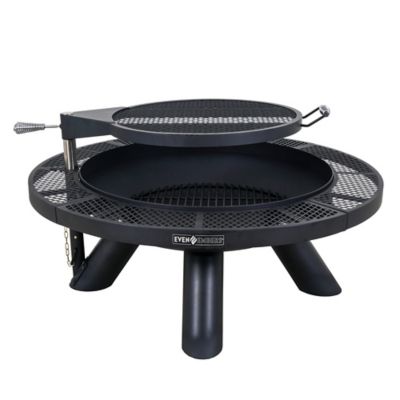

$141
.99
Sale Was $216.99 Save $75.00 (35%)
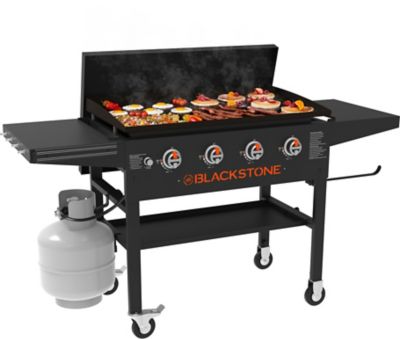
$109
.99
Sale Was $200.99 Save $91.00 (45%)
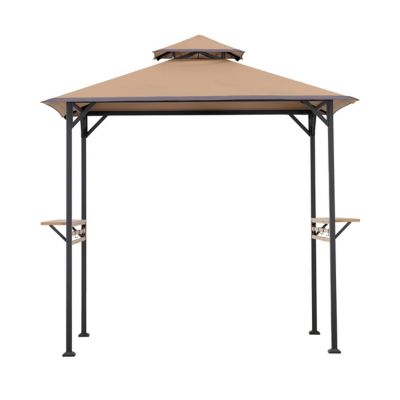
$163
.99
Sale Was $217.99 Save $54.00 (25%)
$109
.99
Sale Was $122.99 Save $13.00 (11%)
$159
.99
Sale Was $199.99 Save $40.00 (20%)
$143
.99
Sale Was $159.99 Save $16.00 (10%)
$189
.99
Sale Was $199.99 Save $10.00 (5%)
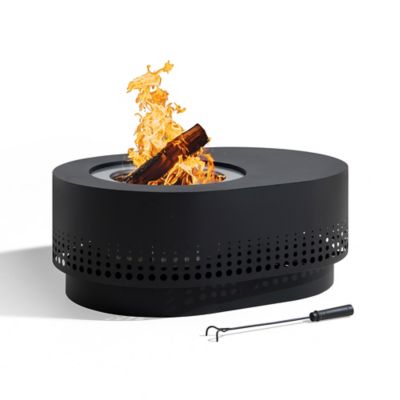
$194
.99
Sale Was $239.99 Save $45.00 (19%)
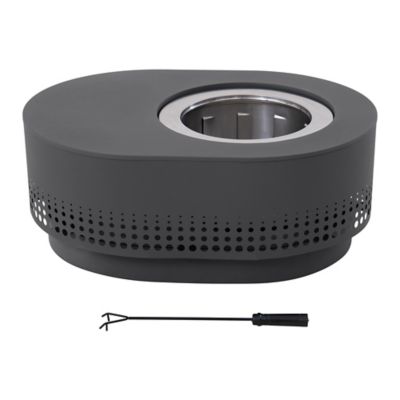
$199
.99
Sale Was $249.99 Save $50.00 (20%)
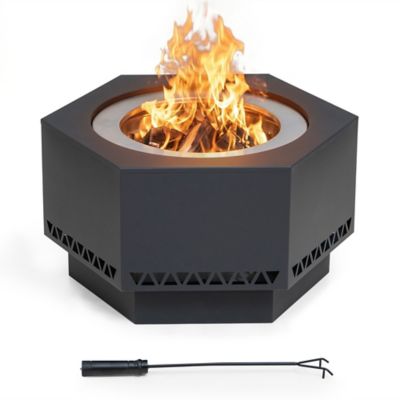
$212
.99
Sale Was $249.99 Save $37.00 (15%)
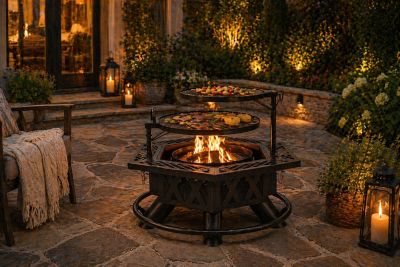
$179
.99
Sale Was $229.99 Save $50.00 (22%)

$822
.99
Sale Was $1,265.99 Save $443.00 (35%)
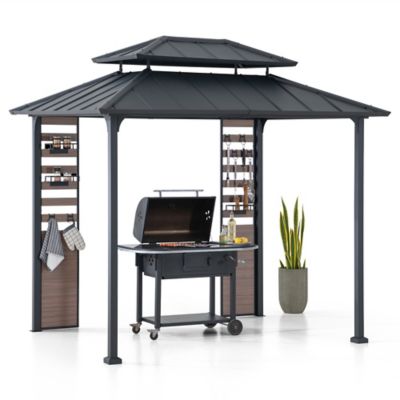
$634
.99
Sale Was $846.99 Save $212.00 (25%)
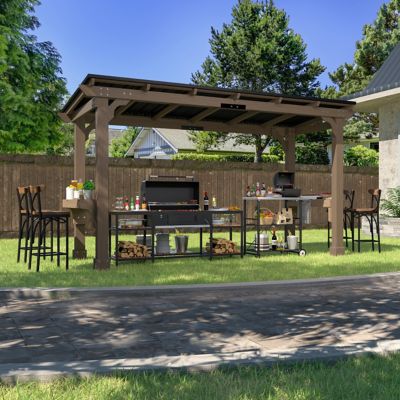
$689
.99
Sale Was $773.99 Save $84.00 (11%)
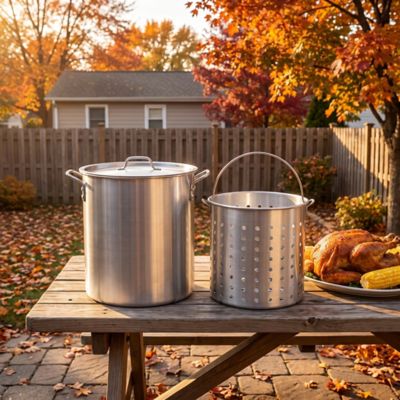
$54
.99
Sale Was $69.99 Save $15.00 (21%)
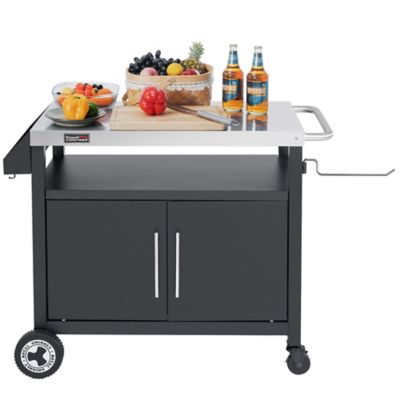
$159
.99
Sale Was $179.99 Save $20.00 (11%)
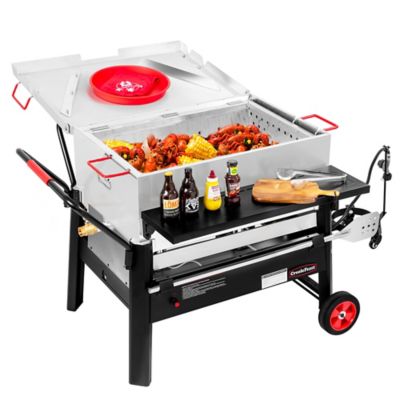
$749
.99
Sale Was $829.99 Save $80.00 (10%)
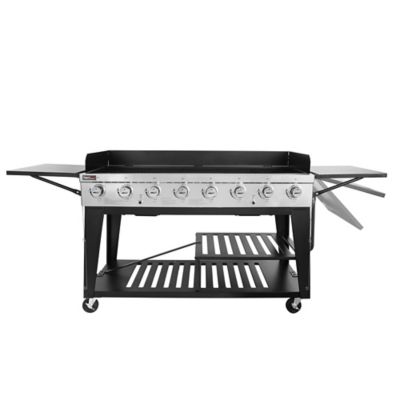
$497
.99
Sale Was $559.99 Save $62.00 (11%)
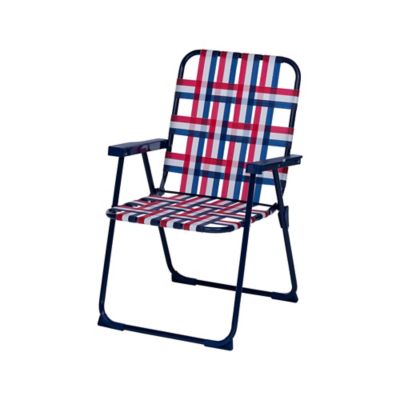
$14
.99
Sale Was $24.99 Save $10.00 (40%)
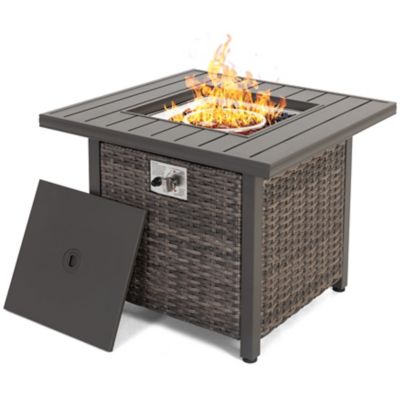
$196
.99
Sale Was $299.99 Save $103.00 (34%)
$179
.99
Sale Was $189.99 Save $10.00 (5%)
Best Of FAQ
What are some must-have outdoor hosting essentials for a Fourth of July celebration?
Popular outdoor hosting essentials for a Fourth of July gathering include grills, coolers, outdoor seating, patio umbrellas, string lights, and serving ware. These items help create a comfortable and festive atmosphere for your guests.
How can I create a patriotic theme for my outdoor party?
To create a patriotic theme, use red, white, and blue decorations such as tablecloths, banners, and dinnerware. Incorporate American flags, themed centerpieces, and festive lighting to enhance the celebratory mood.
What types of outdoor furniture are best for summer gatherings?
Weather-resistant furniture like picnic tables, folding chairs, and lounge sets are ideal for summer gatherings. Look for pieces that are easy to move and clean to accommodate different group sizes and activities.
Which grilling accessories are helpful for hosting an outdoor barbecue?
Essential grilling accessories include spatulas, tongs, grill brushes, meat thermometers, skewers, and grill baskets. These tools make cooking easier and help you serve delicious food to your guests.
How can I keep food and drinks cool during an outdoor event?
Use insulated coolers filled with ice packs or ice to keep beverages cold. For food items that need to stay chilled, consider using serving trays with built-in ice compartments or placing dishes over bowls of ice.
Best Sellers
-
"Love this! Only wish a lid came with it, otherwise a great product"
-
"Love it! Easy to put up, just my husband and I. We used it all spring , summer and fall"
-
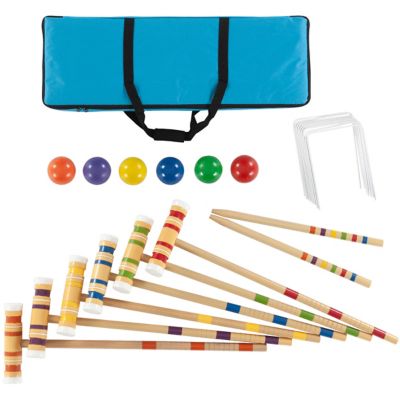
"Family had a great time playing croquet in the backyard"
-
"The built-in bottle opener on the side is a great feature, and the cap catcher underneath keeps everything"
-
"It looks great and was easy to assemble. Feels sturdy, made of quality materials"