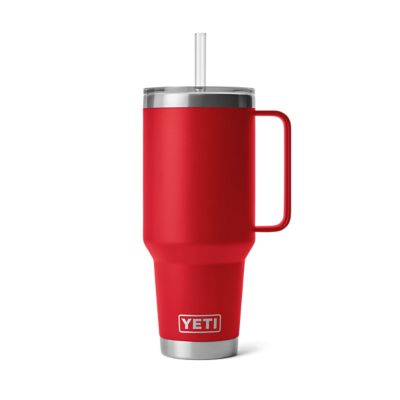
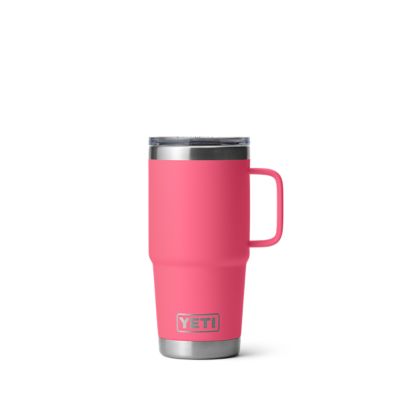
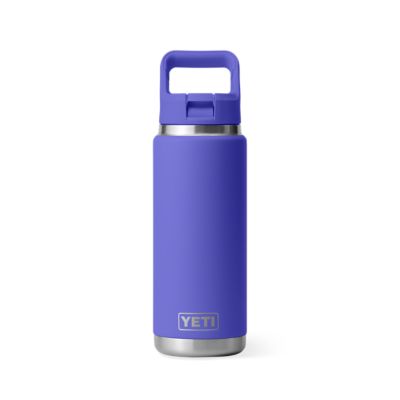
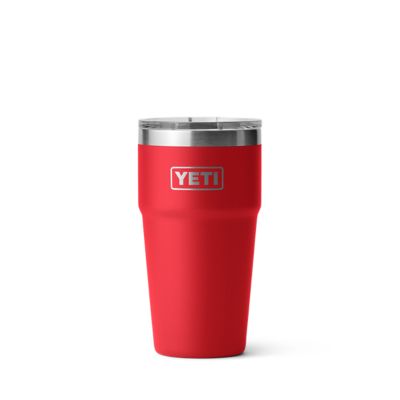
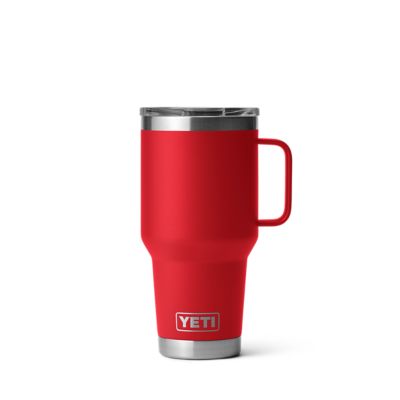
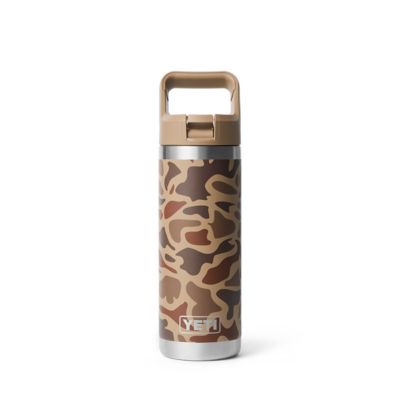
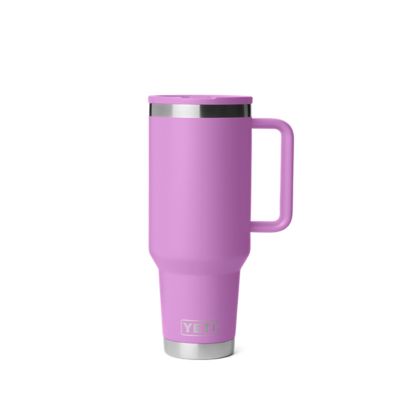
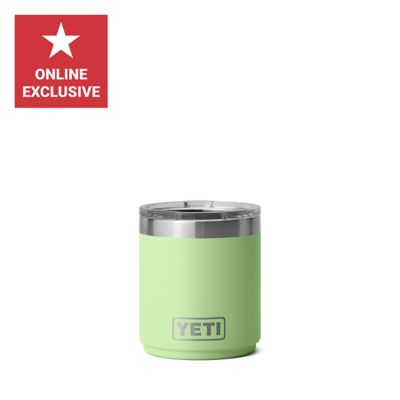
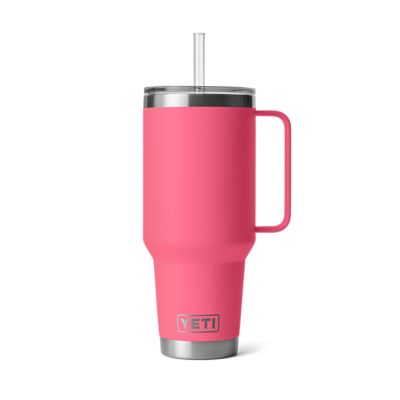
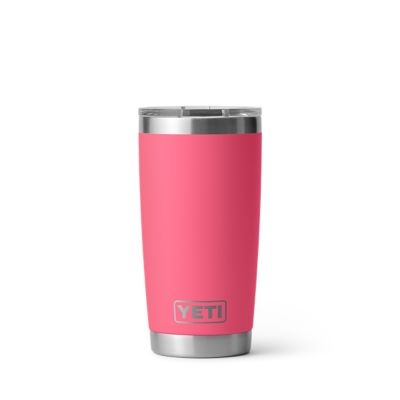
Spill proof tumblers keep drinks close at hand while helping limit messes on the truck seat, across the workbench or beside a stack of paperwork. The lid does much of that work, so its design matters just as much as the cup itself. A spill-resistant lid generally helps control splashes when a tumbler stays upright, while a leak-proof lid is designed to prevent liquid from escaping when fully closed and assembled as directed. Those terms aren’t interchangeable, and a tumbler with an open straw hole shouldn’t be treated as safe to carry loose in a bag. For a drink that travels between the kitchen, cab and barn, useful details include a threaded lid, a snug sealing gasket and a drinking opening that closes securely. A locking slider or flip-top closure can add another barrier against accidental opening, though the manufacturer’s directions determine whether the tumbler can ride on its side. Flip-straw designs may seal only when the straw folds completely down; leaving it partly raised can leave a path for drips. A lid that stays attached to the cup also cuts down on loose pieces when there’s nowhere clean to set them. For someone taking small sips between chores, an easy-to-reach opening may matter more than a large handle. For someone carrying a drink alongside a lunch bag and work gloves, a comfortable grip and a closure that’s easy to check can make the morning routine simpler. No closure replaces sensible placement: keep drinks upright whenever possible and away from electrical equipment, paperwork and anything else that shouldn’t get wet. Before putting a filled tumbler into a bag, confirm that its stated leak protection covers that position and that every opening is shut. The best match is a tumbler whose lid, capacity and shape suit the way it will actually travel, not simply one with the biggest cup or the most parts.
Materials and insulation affect weight, comfort and how a spill proof tumbler handles everyday knocks. Stainless steel is a common choice for frequent trips between home and work because it stands up well to regular handling without the breakage concerns of glass. Double-wall vacuum insulation slows heat transfer, helping coffee stay hot or water stay cold, but it doesn’t make every tumbler suitable for every beverage. Follow the stated beverage restrictions, especially for straw lids, hot liquids and carbonated drinks. Carbonation can build pressure inside a sealed container, so fizzy drinks belong only in a tumbler expressly designed for them. Hot drinks need an appropriate sipping lid and careful handling; a tightly closed cup can still hold liquid hot enough to burn. Plastic tumblers can be lighter to carry, while glass calls for extra care around concrete floors, equipment and other hard surfaces. Whatever the material, check whether the body and lid have different cleaning requirements. Capacity is another practical trade-off. A smaller tumbler takes up less room beside the gearshift and weighs less when full, while a larger one stretches the time between refills during a long stretch at the fence line or desk. Common capacities such as 20, 30 and 40 ounces offer different balances of carrying weight and drink volume. A tapered base may fit a vehicle cup holder, but cup-holder fit depends on the base diameter, cup height and handle clearance—not capacity alone. A tall tumbler can interfere with nearby controls, and a wide handle may bump the console even when the bottom fits. Grip matters outside the truck, too. A full handle offers a firm place to hold a heavier drink, while a slimmer, handle-free shape slips more easily into some bottle pockets. A textured exterior can help with damp hands, and a broad base can make the tumbler steadier on a level surface. These everyday details often matter more than appearance once the cup becomes part of a regular routine.
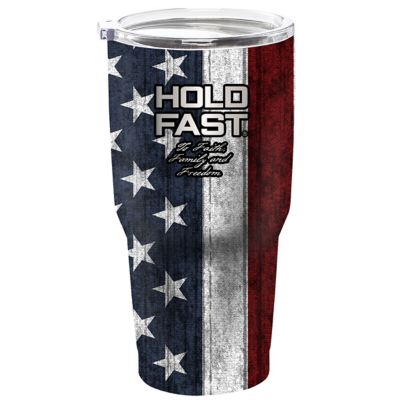
Keeping a spill proof tumbler working well comes down to caring for the sealing surfaces as much as washing the cup. Coffee residue, milk and drink mixes can collect underneath sliders, inside straws and around removable gaskets. A lid that looks clean from above may still need its approved removable parts separated for washing. Follow the care directions for disassembly, and clean narrow passages with a brush sized for the opening. Dishwasher-safe labeling should apply to each component being placed in the machine; a washable stainless steel body doesn’t automatically mean its lid, finish or seal can go through the same cycle. After cleaning, let parts dry fully before putting them back together or storing them. Seat gaskets evenly in their grooves, check that threads line up and keep the fill level below the stated maximum so closing the lid doesn’t force liquid out. A pinched seal, cracked lid or worn closure can change how well the tumbler contains a drink. Inspect those parts regularly and follow the manufacturer’s recommendations for replacement rather than trying to make a damaged seal work. For daily use, a straightforward lid with accessible parts can be easier to keep clean than a complicated mechanism with tight corners. That’s worth considering for anyone carrying coffee with cream, protein drinks or other beverages that leave residue behind. Spill proof tumblers also make practical gifts for commuters, teachers, farm hands and family members who like having a drink within reach. Match the gift to the recipient’s habits: a manageable size for a short drive, room for more water during a long workday or a comfortable handle for carrying between stops. Color and pattern can make a frequently carried cup feel more personal and help tell similar tumblers apart at home or in the break room. For folks drawn to red, white and blue designs,
Patriotic Tumblers offer another style direction to consider alongside lid function, grip and fit. A cup that suits the person’s routine, cleans without a fuss and closes as intended earns its place beside the keys before heading out the door.