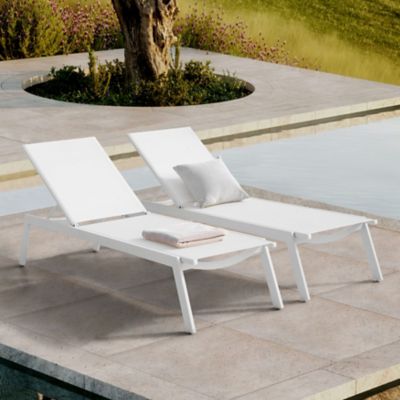
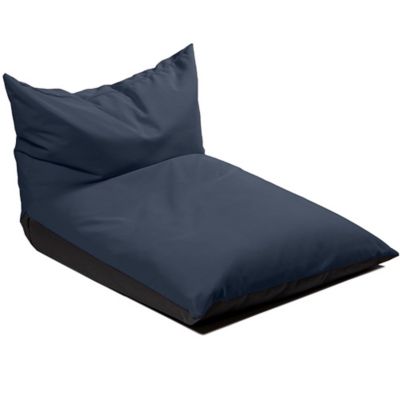
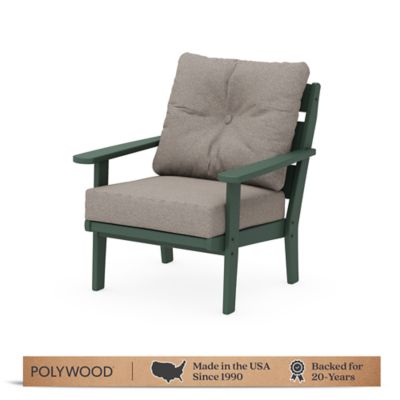
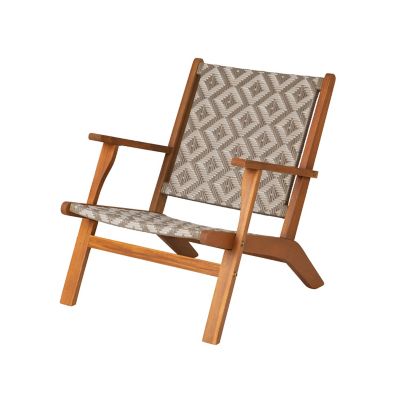
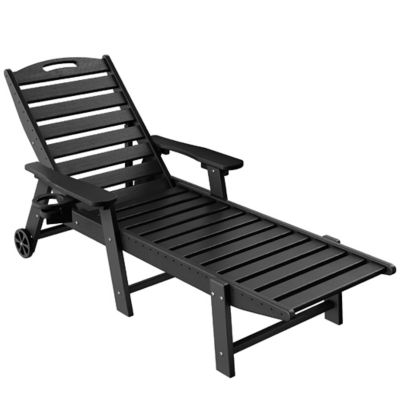
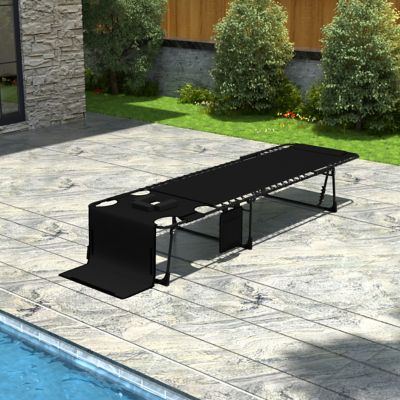
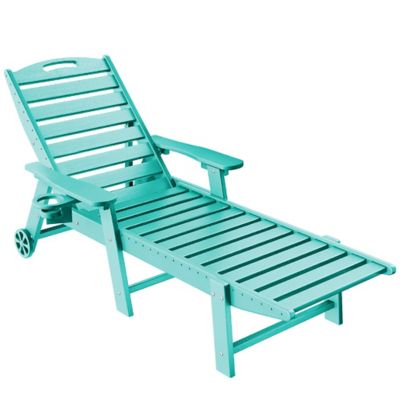
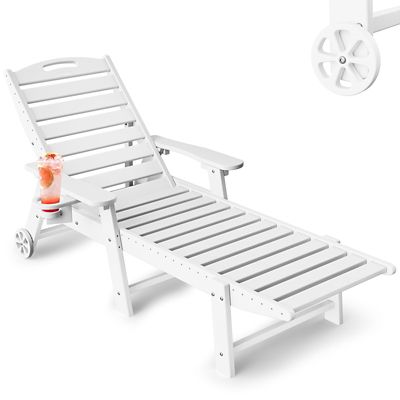
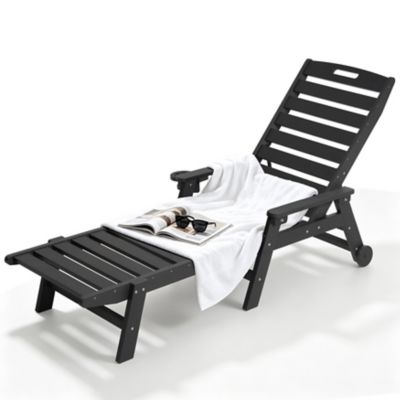
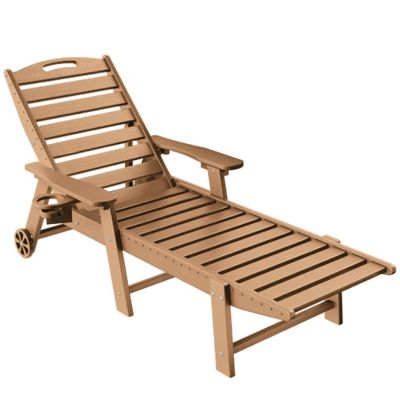
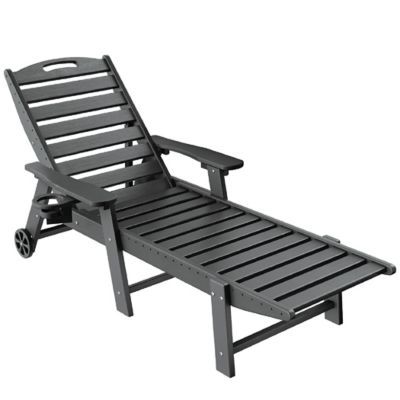
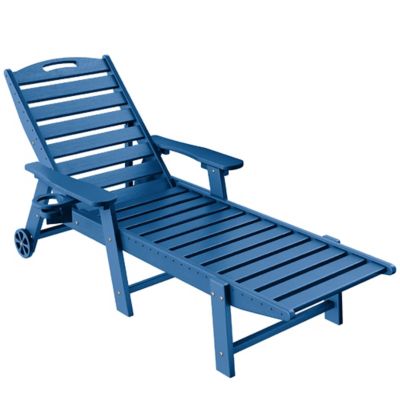
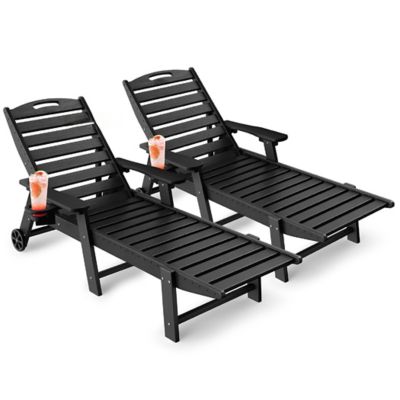
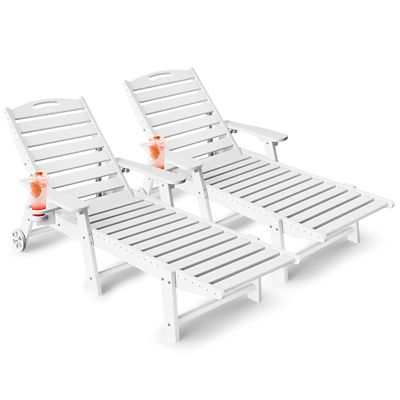
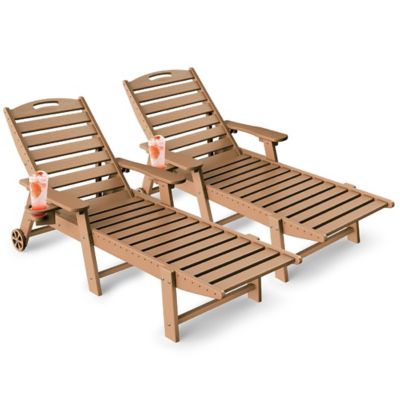
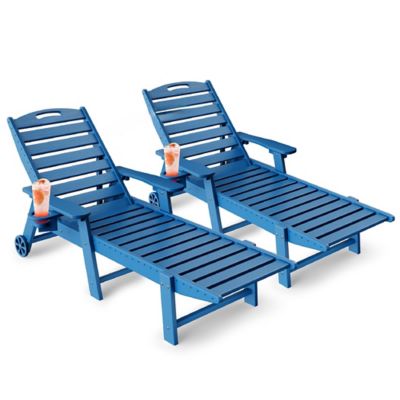
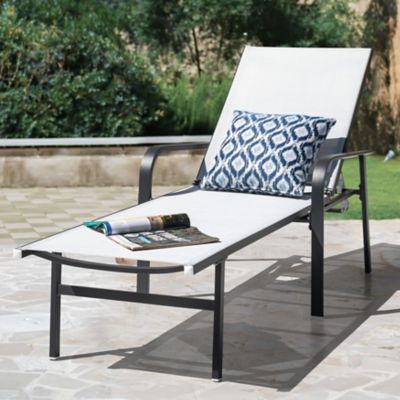
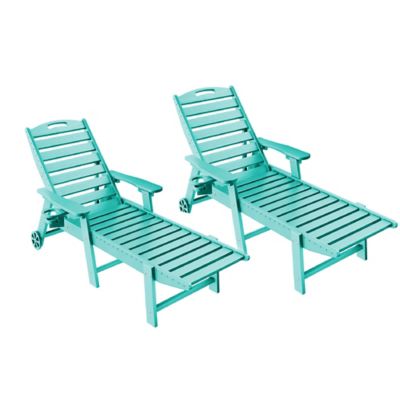
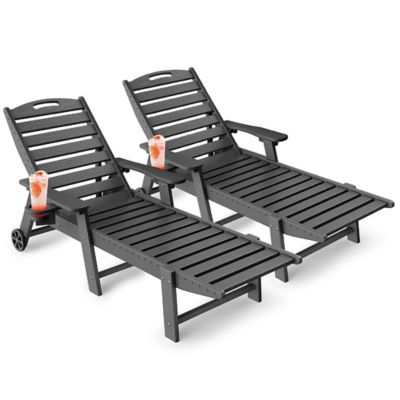
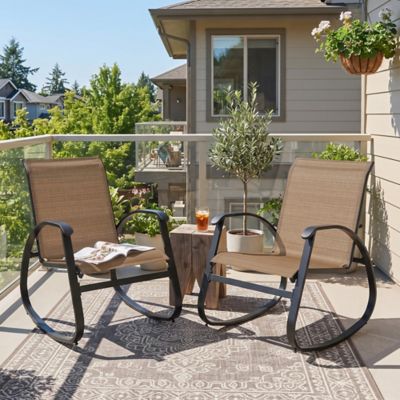
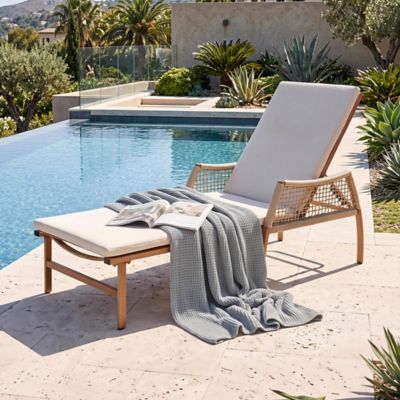
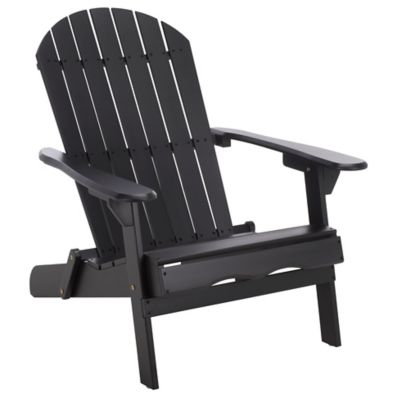
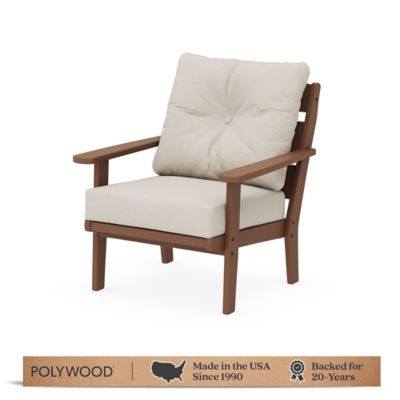
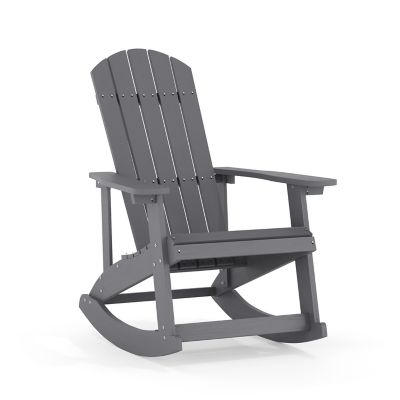
Outdoor chairs for reading bring together comfortable back support, armrests at a useful height, a steady base, and materials suited to outdoor exposure. A good reading seat makes it easy to settle into a chapter without constantly shifting a book, tucking a cushion behind the back, or searching for somewhere to rest an elbow. On a farmhouse porch, beside a garden, or in a small backyard sitting area, the right fit matters more than an oversized silhouette. Seat height affects how easily feet reach the ground, while seat depth determines whether a reader can lean against the backrest without pressure behind the knees. A deep seat may suit someone who likes to curl up with a paperback, while a shallower seat can feel more comfortable for someone who prefers both feet planted. Taller readers may appreciate a higher back and more room through the seat; shorter readers may find a smaller frame easier to settle into. Armrests deserve attention, too. Broad, level arms give elbows a resting place while holding a hardcover, and smoothly finished edges feel better against bare forearms. A gently reclined back supports a laid-back reading position, while a more upright chair suits reading the newspaper, taking notes, or setting a book down between conversations. Adirondack-style seating often has a low seat and sloping back, so its relaxed position comes with a deeper bend when sitting down or standing up. Lounge chairs offer more room to stretch out, and chairs with adjustable backs provide several positions within one footprint. A chair that feels comfortable for a short visit may feel different halfway through a novel. Cushion firmness, lumbar support, arm spacing, and the position of the front seat edge all contribute to that longer sit. These details help make an outdoor reading chair feel like a place to stay awhile rather than a seat that only looks inviting from across the yard.
Materials shape both the feel of outdoor reading chairs and the attention they need over time. Wood brings visible grain and a solid feel to a porch or patio, with care requirements that depend on the species and finish. Some wood seating needs periodic refinishing or protective treatment, while other pieces are intended to develop a different surface appearance with exposure. Smooth joinery and well-fitted hardware matter wherever hands and clothing meet the frame. Aluminum is generally lighter to move, which can help when a reading spot also serves as a gathering area. Steel frames often have more heft, and their protective coatings need attention if scratches expose the metal beneath. Resin seating and synthetic woven frames offer other approaches to outdoor seating, with care directions that vary by construction. Woven surfaces can provide a little give, while slatted seats and backs create an open feel. A seat cushion changes how either surface supports the body, especially during longer stretches with a book. Thicker padding is not automatically more comfortable: a cushion that compresses too far can leave a reader sitting lower than expected or make standing up harder. Firm, supportive filling and a cushion sized to the chair help preserve the intended seat height and depth. Fabrics intended for outdoor seating may resist fading or moisture, but that does not make every cushion suitable for constant exposure. Removable covers can simplify cleaning when their care labels permit it, and cushion ties help keep the seat pad from shifting. For a chair that gets moved between a porch corner and a patio table, frame weight and convenient handholds make a practical difference. Folding designs can simplify storage, provided their locking mechanisms are fully engaged before anyone sits down. Across materials, sound connections, a level stance, and a stated weight capacity appropriate for the person sitting in the chair are important parts of everyday comfort and long-term service.
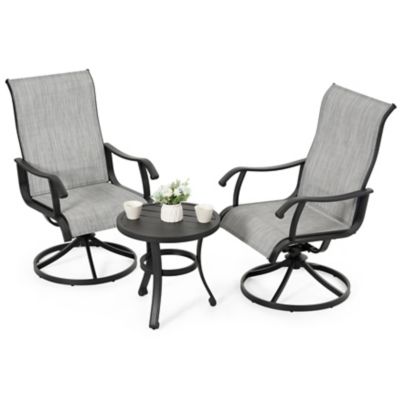
The space around a reading chair matters almost as much as the chair itself. A broad porch may have room for a generous lounge seat and footrest, while a narrow walkway calls for a smaller footprint that leaves a clear path to the door. Rocking chairs need room behind and in front of the frame, and reclining seats need clearance through their full range of motion. With
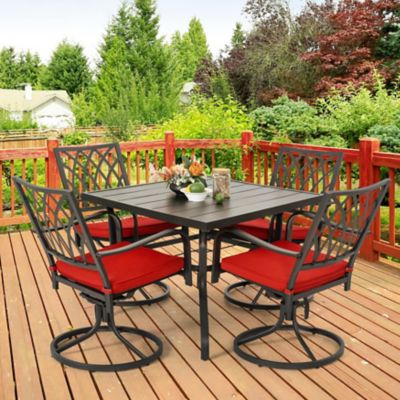
Outdoor Swivel Chairs, a reader can turn toward a conversation or a nearby table without dragging the whole chair across the floor. That turning space still needs to stay clear of railings, planters, and neighboring furniture. Firm, level placement helps any reading chair feel settled; loose gravel, uneven pavers, and soft ground can leave legs or bases sitting at awkward angles. A small table within easy reach gives a book, reading glasses, and a drink a proper landing place, keeping the seat and armrests free for getting comfortable. Lighting deserves the same practical attention. A spot with comfortable reading light and less glare makes printed pages and screens easier to see, while a suitable outdoor-rated lamp can support reading when natural light is limited. Day-to-day care can stay simple when it matches the material: clearing grit from joints, wiping spills promptly, following the listed cleaning directions, and letting cushions dry thoroughly before storage. Covers should fit the furniture and allow the ventilation recommended by the maker, rather than trapping moisture against the frame or fabric. Hardware checks and attention to loose feet or worn glides help keep a favorite chair ready for regular use. Outdoor reading seating can also make a thoughtful gift for a book lover, a parent who enjoys a quiet porch break, or someone settling into a new home. Knowing the recipient’s space, preferred sitting position, and comfort getting in and out of a chair makes that gift more personal. For someone reading a few pages after chores or spending a whole afternoon with a novel, a well-fitting chair turns an ordinary corner into a welcome place to pause.