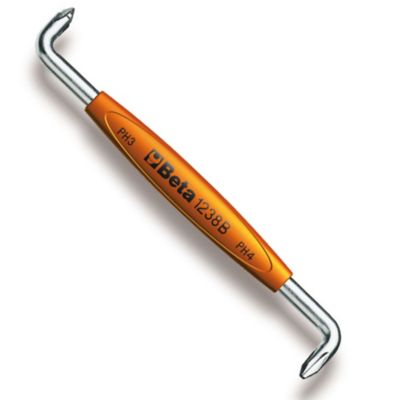
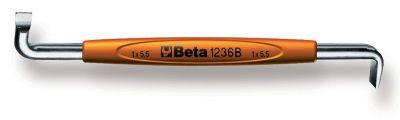
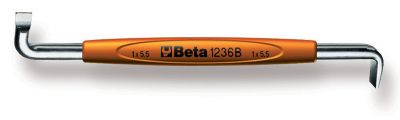
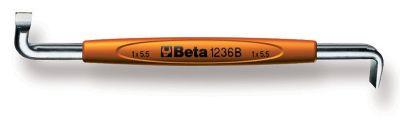
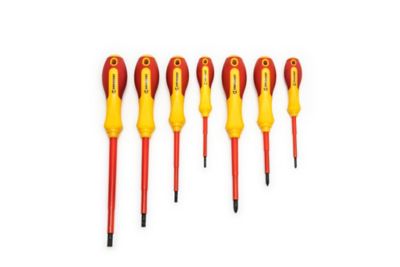
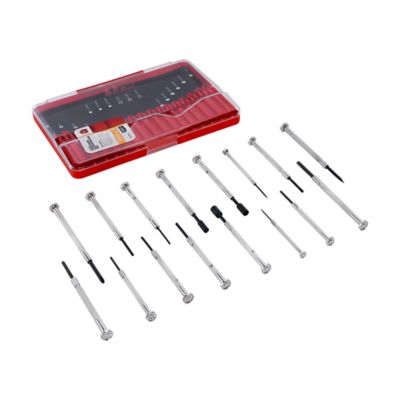
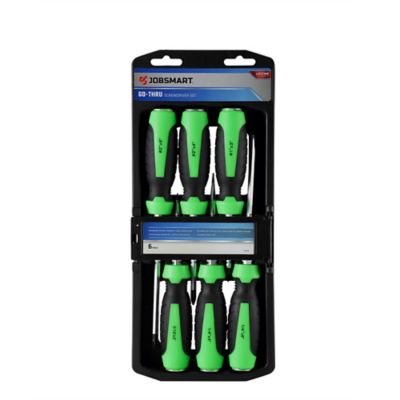
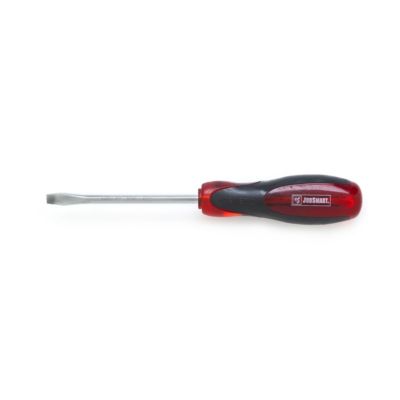
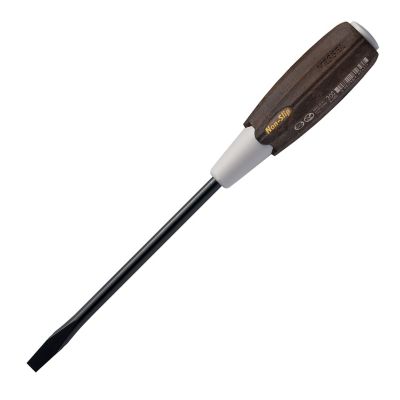
An offset screwdriver is a hand tool with a bent shaft or right-angle head that places the driving tip at roughly 90 degrees to the handle, helping turn screws where a straight screwdriver will not fit. That sideways approach makes a difference behind a cabinet hinge, beneath a machine cover, or beside a bracket tucked against a frame. Instead of needing a long, clear path directly behind the screw head, the handle works alongside the surrounding surface. Offset screwdrivers suit those cramped jobs around the house, barn, garage, and shop where moving a whole assembly just to reach one fastener would mean extra work. Common styles include bent, double-ended tools with a Z-shaped profile and compact ratcheting tools that accept interchangeable bits. Fixed-tip designs keep the working end simple, with no separate bit to drop into a housing or lose under a workbench. Ratcheting designs let the handle move back and forth while driving the screw in one direction, which can help when there is only a short arc of working room. Slotted and Phillips tips handle many familiar household and equipment fasteners, while other drive profiles may suit particular repair tasks. The screw head determines the tip style and size; the tight space determines whether the tool can reach it and turn. An offset screwdriver is different from a stubby screwdriver, which has a shortened handle but still approaches the screw in a straight line. Both belong in a well-rounded tool kit, though they solve different clearance problems. For someone reaching behind a drawer slide or around a mower housing, that distinction matters more than the overall length printed on a package. A low head profile, a suitable tip, and enough space to swing the handle are what make an offset design useful once the job gets close to an obstruction.
Fit comes down to more than getting the tip near the fastener. The working end needs to sit fully in the screw head, with enough clearance to hold it square while the handle turns. A tool may slide beneath a shelf or past a support rail yet still leave too little room to engage the screw properly. Head thickness, bend depth, shaft length, and handle sweep all affect that fit. With interchangeable-bit designs, the bit and holder together determine the working height, so a compact handle alone does not tell the whole story. Slotted tips should fit the width and thickness of the slot without riding on its edges, and Phillips tips need the right size to seat firmly rather than wobble. A poor match can chew up the head and turn a small repair into a longer afternoon. Steel construction is common, with hardened tips or alloy steels helping working surfaces resist wear under repeated turning pressure. Chrome or other protective finishes can help limit surface rust, though finishes do not replace basic care. Smooth edges and a comfortable gripping area matter when a stubborn fastener takes several short turns. Slim, all-metal tools can slip into narrow gaps, while wider handles or grip coverings may feel easier in the hand where there is room for them. Neither shape is best for every job. A short handle can clear nearby parts, and a longer handle can offer more leverage, but extra leverage also makes it easier to overtighten a small screw. Ratchet direction controls, bit retention, and the amount of movement needed to engage the mechanism are worth considering for work behind panels or between closely spaced parts. Some double-ended offset designs offer different tip positions, allowing another starting angle when an obstruction limits movement. These details help separate a tool that merely reaches the screw from one that can actually finish the turn.
Offset screwdrivers earn their place in toolboxes because access problems turn up in ordinary maintenance, not just major repairs. A loose hinge near the back of a cabinet, a clamp screw beside a hose, or a cover fastener close to a frame can leave little room for a full-size handle. Farm equipment owners, mechanics, maintenance crews, woodworkers, and homeowners may all run into those situations. Manual turning also provides direct feedback as a screw seats, which is helpful around small brackets, thin sheet metal, and fittings that should not be overtightened. These tools work best when the fastener is reachable from the side and there is enough room to keep pressure on the tip. They are not substitutes for penetrating treatment, proper disassembly, or a different fastening tool when a screw is seized or badly damaged. Ordinary metal offset screwdrivers should not be treated as protection around live electrical parts, either. For a tool kit that also handles smaller fasteners with a straight approach,
Small Screwdrivers provide a useful companion category. Keeping both styles organized makes it easier to match the space instead of forcing the wrong tool into it. After work, wiping away oil, grit, and moisture helps protect the shaft, tips, and any moving mechanism. Ratcheting tools may have their own lubrication and cleaning requirements, so manufacturer care directions matter. A rounded tip, bent shaft, loose bit holder, or slipping ratchet calls for attention before the next repair. Separate storage for loose bits helps keep drive sizes easy to find and keeps small parts from disappearing into the bottom of a truck toolbox. For someone putting together a first shop kit or adding tools for equipment upkeep, offset screwdrivers offer a practical way to handle awkward access without making every small fastening job a teardown. They are the sort of compact tool that can sit quietly in a drawer until one tight corner makes their purpose plain.