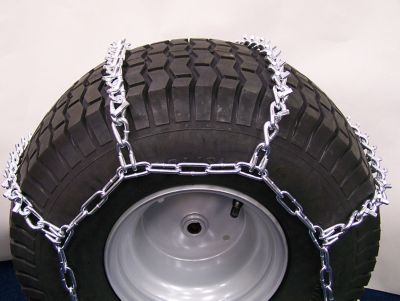
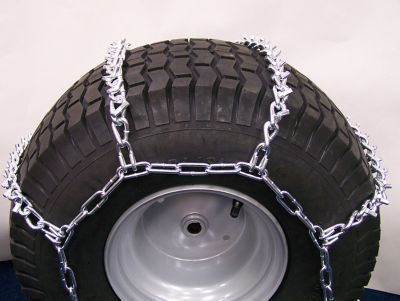
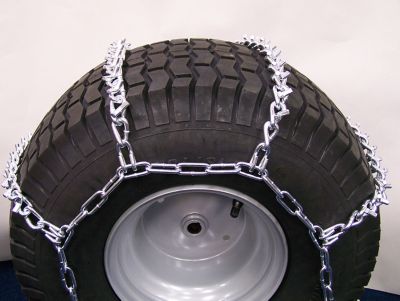
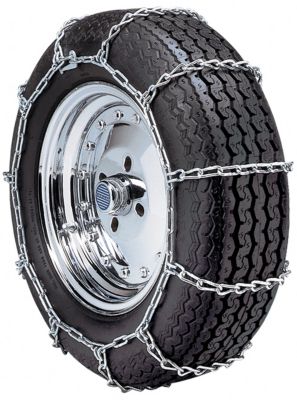
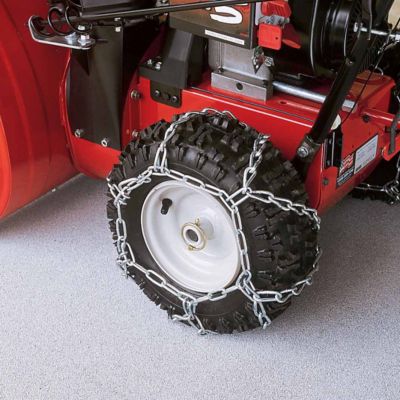
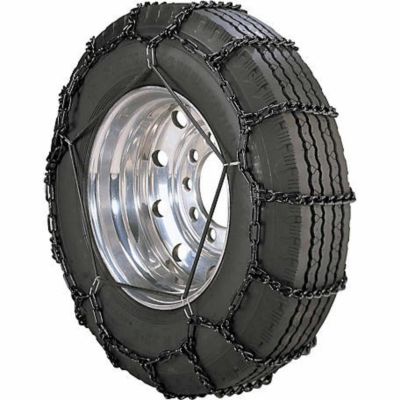
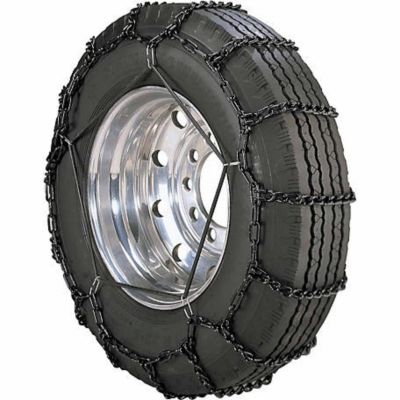
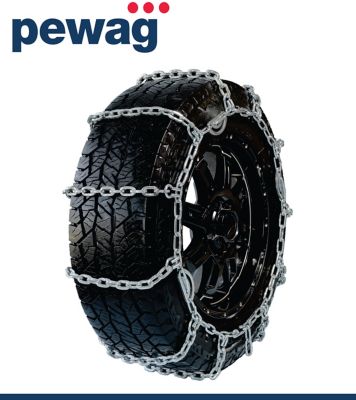
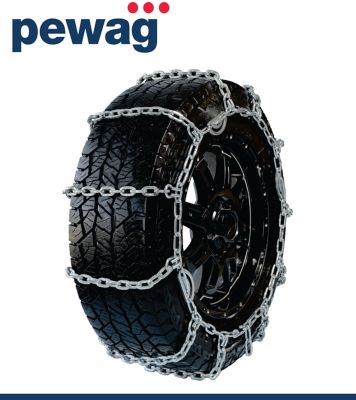
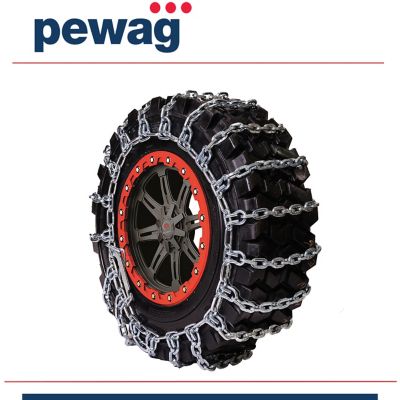
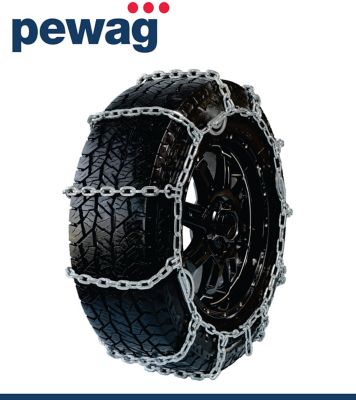
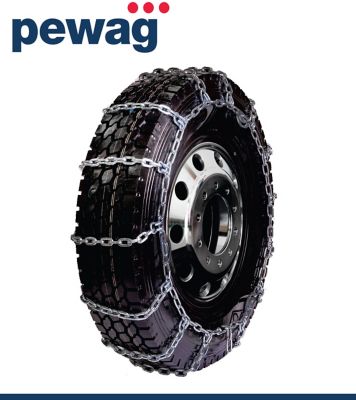
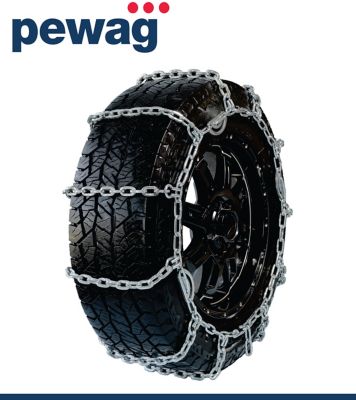
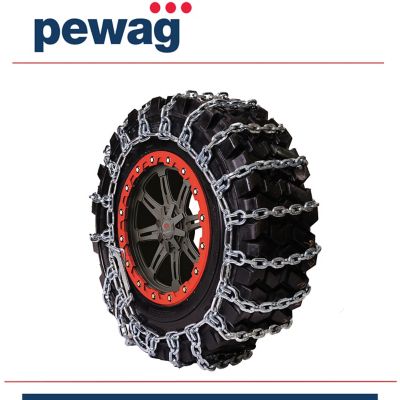
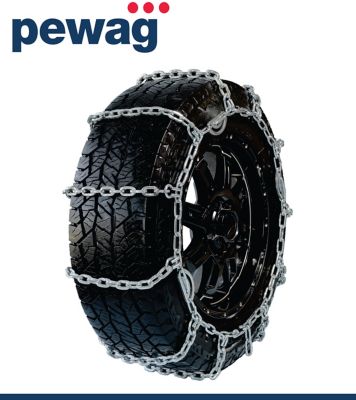
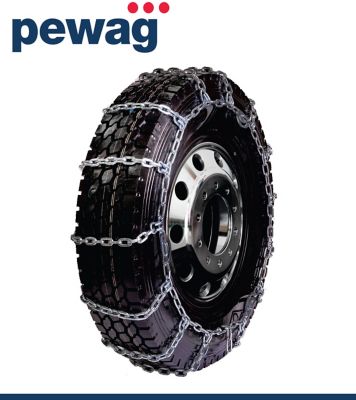
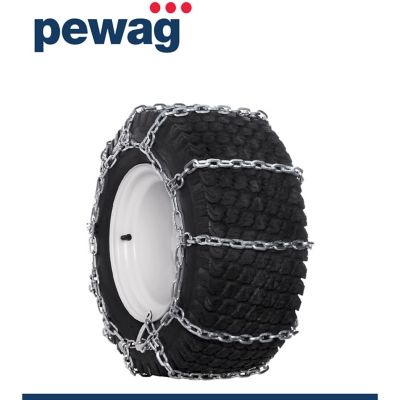
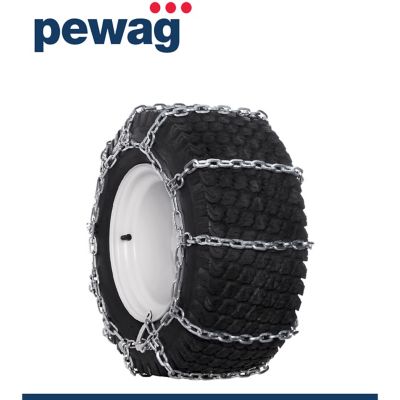
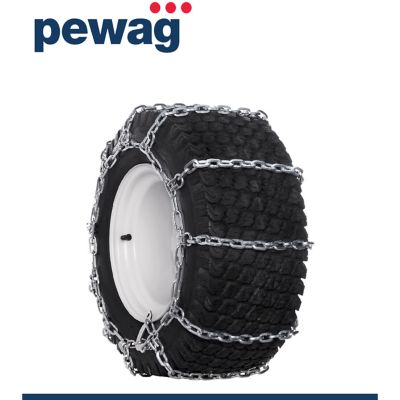
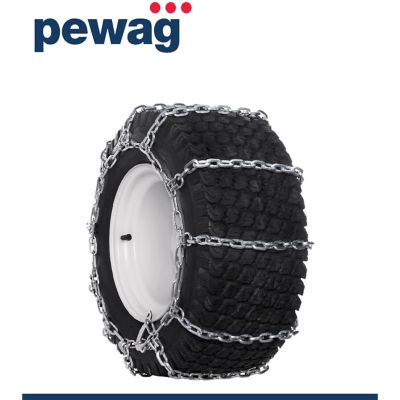
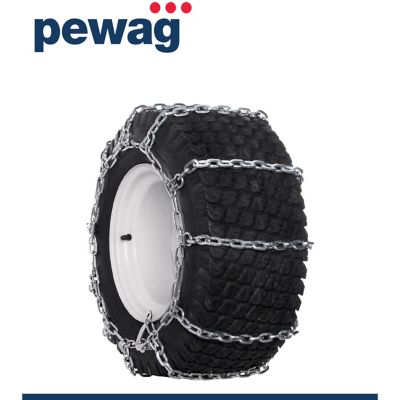
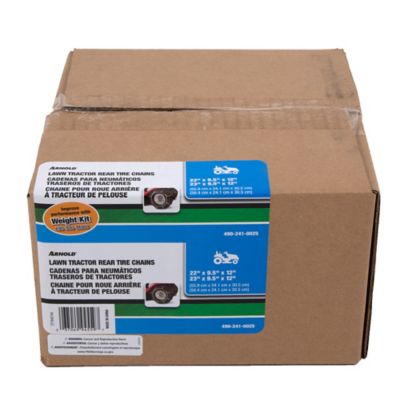
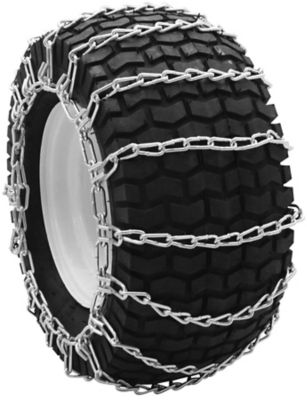
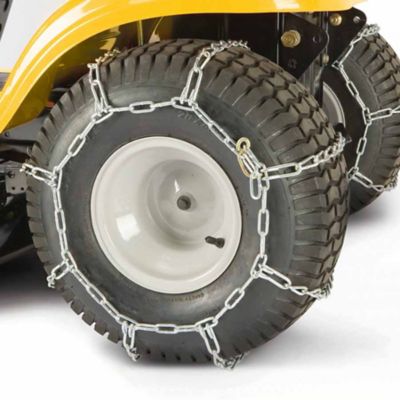
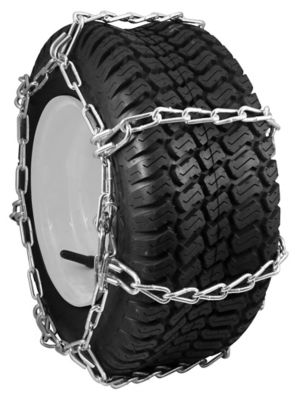
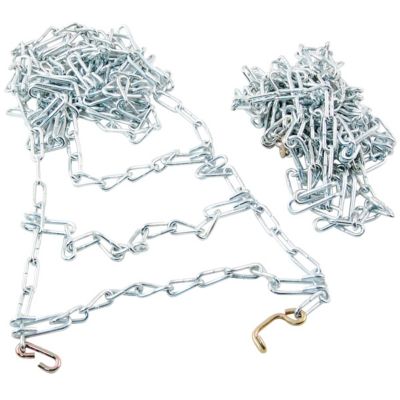
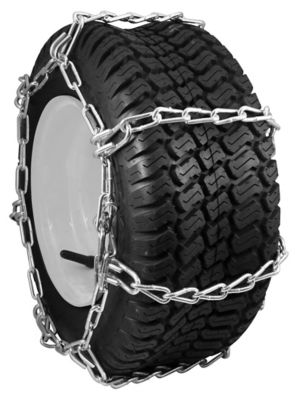
Off-road tire chains add traction when tire tread alone has trouble finding purchase on muddy farm lanes, snow-covered access roads, and slick ground around a worksite. Steel cross chains wrap across the tread, while side chains and fasteners hold the assembly around the tire. As the wheel turns, those cross chains press into the surface to help transfer pulling power to the ground. For a livestock owner hauling feed down a rutted lane or a landowner moving equipment along a timber road, that extra grip can make a difference in keeping work moving. These chains are traction equipment, though, not a substitute for suitable tires, sound judgment, or a vehicle capable of handling the route. Their performance depends on the ground beneath them, the chain design, the load, and the vehicle’s approved setup. Twist-link, V-bar, and diamond-pattern chains offer different ways of putting steel between the tread and the terrain. Twist-link chains have shaped links that lie across the tire and can provide grip in mud and packed snow. V-bar chains add welded, raised bars that bite into ice and hard-packed surfaces; that aggressive contact also makes them a concern on pavement and other surfaces that can be scratched or gouged. Ladder-pattern chains have cross chains running across the tread like ladder rungs, creating repeated points of contact as the tire rolls. Diamond patterns place connected sections across the tread at different angles, which can provide more continuous contact and help with lateral grip. Neither pattern is the best choice for every patch of ground. Deep mud can still swallow a tire, and loose rocks or exposed roots can create snagging hazards. The right match starts with the conditions the equipment is built to handle, whether that means occasional travel over a slick pasture entrance or repeated low-speed work on an unplowed property road. Chain design matters most when it matches the job rather than simply looking heavier.
Materials and construction help separate off-road tire chains intended for lighter, occasional tasks from chains built for demanding equipment work. Hardened steel and alloy steel are common materials, with strength and wear resistance influenced by the steel formulation, heat treatment, link dimensions, and connection points. Case hardening gives steel a harder outer surface to resist wear while retaining a tougher core. Larger links can offer more metal at the contact surface, but they also add weight and take up more room around the tire. Heavier is not automatically better when a wheel well has limited space or a vehicle manufacturer restricts chain use. Cross-chain spacing changes the feel and contact pattern, too. Two-link spacing generally places cross chains at every second side-chain link, while four-link spacing places them at every fourth link. Closer spacing means more cross chains around the tire and can reduce the gaps between traction points, though the added steel increases handling weight. Fit deserves just as much attention as construction. The complete tire size, including its width, aspect ratio where applicable, and rim diameter, is the starting point for matching a chain set. Tread depth, tire profile, and differences between tire models can also affect how a chain seats. A truck tire, an ATV tire, and a tractor tire may call for very different chain shapes and hardware even when their overall dimensions look similar. Clearance includes the space beside and behind the tire, not just the open area above it. Brake lines, steering parts, suspension components, and fenders all need enough room for the approved chain assembly throughout the vehicle’s permitted steering and suspension movement. There is no single clearance measurement that fits every vehicle and chain style. Manufacturer fit charts and the vehicle manual establish the appropriate combination, including axle placement and any restrictions for four-wheel-drive or all-wheel-drive systems. For equipment that earns its keep hauling, plowing, or tending property, a properly matched chain set is more useful than an aggressive pattern that cannot operate safely within the available space.
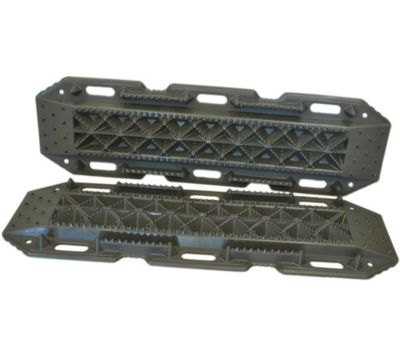
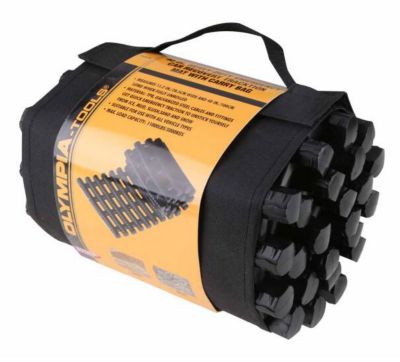
Fasteners, adjustment points, and tensioning hardware round out an off-road tire chain setup. Cam-style adjusters take up slack through rotating fittings, while other designs rely on connecting hooks and compatible tensioners. Rubber or spring tensioners may help maintain the intended fit when the chain manufacturer calls for them, but they do not make an oversized chain suitable for a smaller tire. A correctly fitted assembly sits securely around the tire without loose sections that can strike nearby parts. Chains can settle into position after initial movement, so the manufacturer’s directions for checking and readjusting fit remain important even when the first installation feels snug. These are low-speed traction tools, and the operating limit is the lower of the chain maker’s and vehicle maker’s stated limits, with slower travel whenever terrain demands it. Abrupt throttle, wheelspin, and sudden braking place extra strain on links and fasteners. Even with chains fitted, steep side slopes and unstable ground can remain unsafe. Practical ownership also means accounting for the weight of a set, the effort of fitting it beside a muddy wheel, and the space needed to carry it securely. Gloves, accessible closures, and a suitable storage container can make those chores less awkward. After a run through mud or treated snow, cleaning away grit and corrosive residue, then drying the chains before storage, helps limit rust and keeps the hardware easier to inspect. Flattened links, cracks, stretched sections, and damaged fasteners are signs that the assembly needs attention before another outing; replacement components must match the chain maker’s specifications. For drivers assembling a broader traction kit,
Car Traction Mats serve a different purpose: they provide a temporary surface beneath a tire during some stuck-vehicle situations rather than wrapping around the tire for continued travel. Off-road tire chains belong in that broader picture of getting work done with the right equipment, especially for property owners, farm crews, and others whose routes extend beyond a smooth driveway. The most useful set combines terrain-appropriate grip, confirmed vehicle compatibility, manageable installation, and straightforward upkeep.