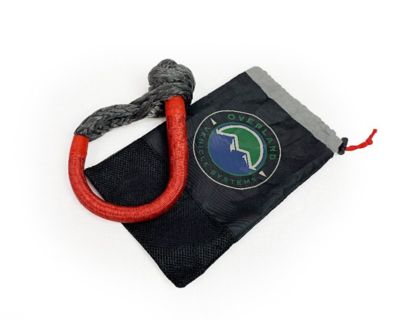
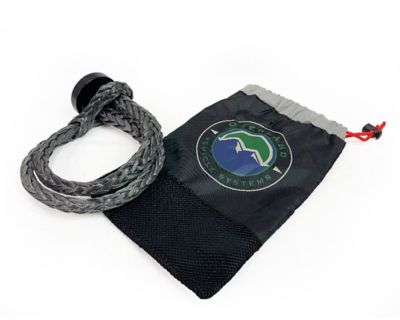
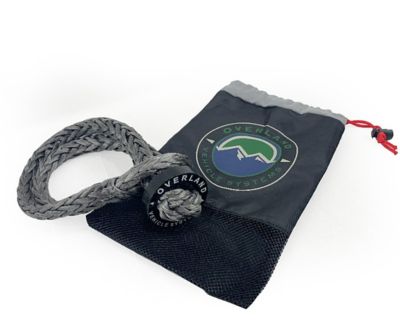
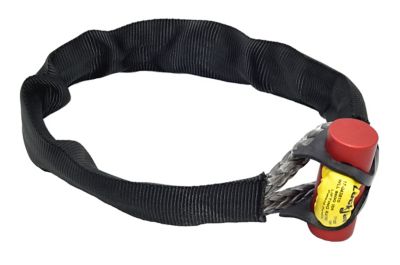
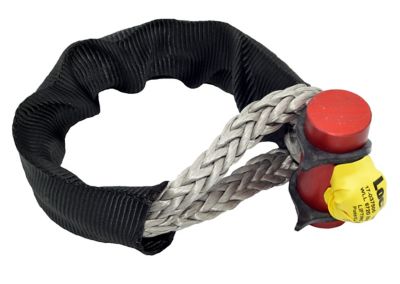
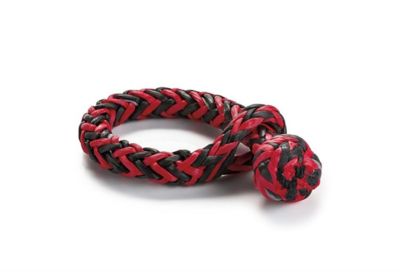
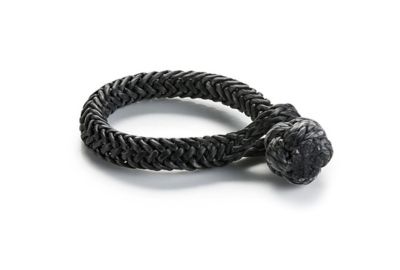
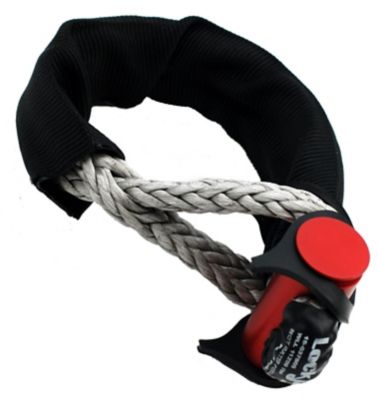
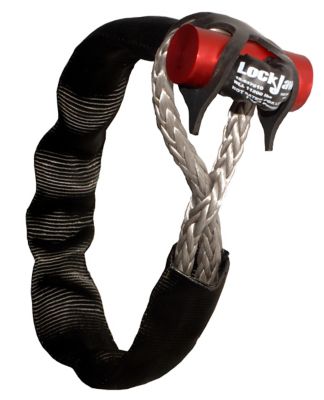
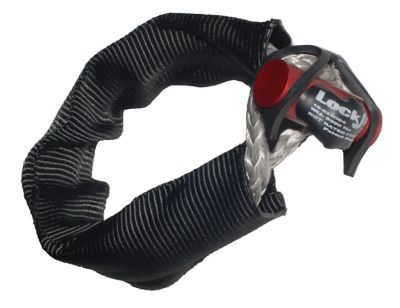
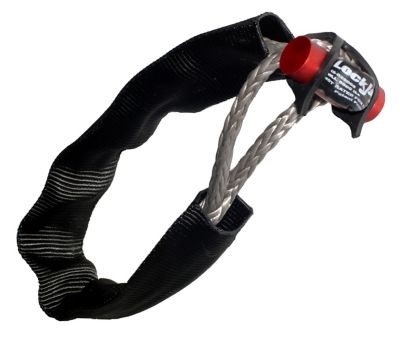
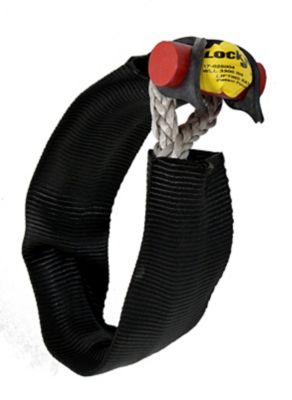
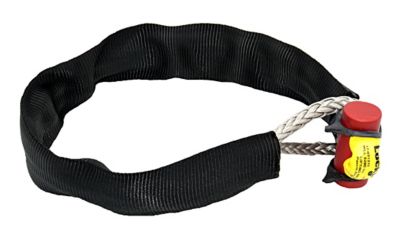
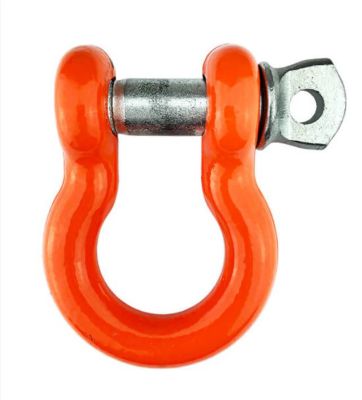
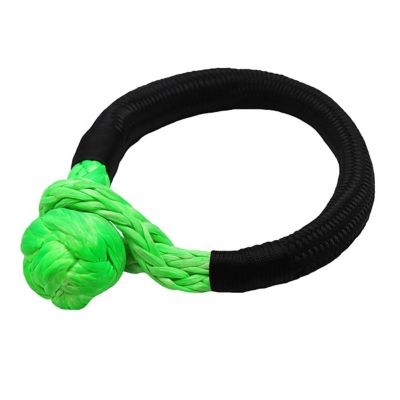
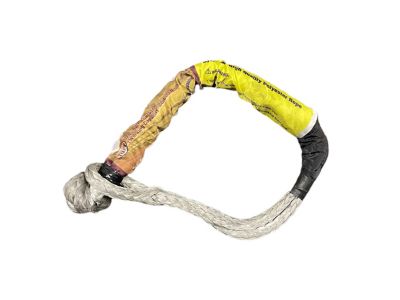
Off-road recovery soft shackles give drivers a flexible way to connect compatible recovery gear when a truck, Jeep, ATV, or side-by-side needs help getting back onto solid ground. Rather than a steel bow and threaded pin, a soft shackle typically has a braided synthetic rope body with a loop-and-knot closure. That construction makes it light enough to tuck into a recovery bag and easy to handle around suitable attachment points. For folks checking fence lines, hauling supplies across rough acreage, or following a two-track trail beyond the pavement, that small piece of equipment can fill an important spot in a properly matched recovery setup. Many soft shackles feature high-modulus polyethylene fibers, often called HMPE, which offer considerable tensile strength for their weight. Their flexible bodies can pass through compatible recovery eyes without adding the weight or rattle of another metal connector. They also take up little room alongside gloves, straps, and other recovery essentials. Still, a soft shackle is a load-bearing connection, not just a convenient rope loop. Its suitability depends on the recovery method, the shape of the attachment point, the condition of the fibers, and the manufacturer’s stated limits. A lightweight trail rig and a loaded farm truck place different demands on recovery equipment, and vehicle weight alone does not tell the whole story. Deep ruts, an uphill pull, or a vehicle hung up underneath can increase resistance substantially. That is why rope diameter, overall length, closure design, and published ratings deserve more attention than appearance alone. Soft shackles appeal to landowners, trail riders, hunters, and anyone building a recovery kit for travel away from maintained roads, but their value comes from matching the connection to the job. A compact connector that fits the gear and the intended pull makes more sense than a larger one chosen simply because it looks stout.
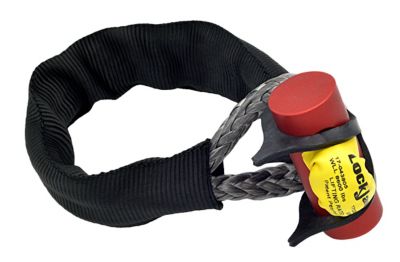
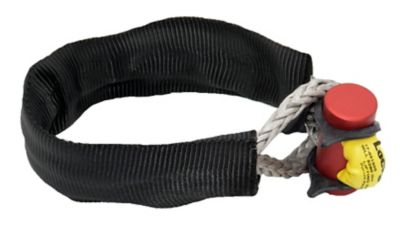
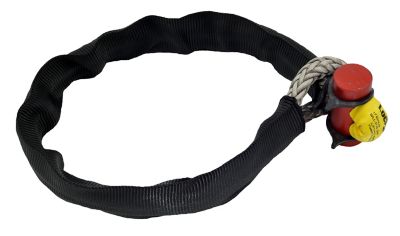
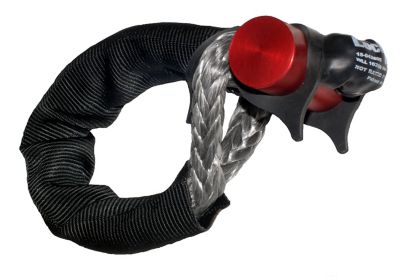
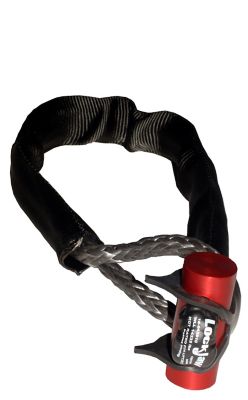
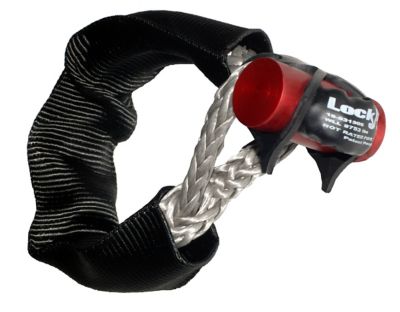
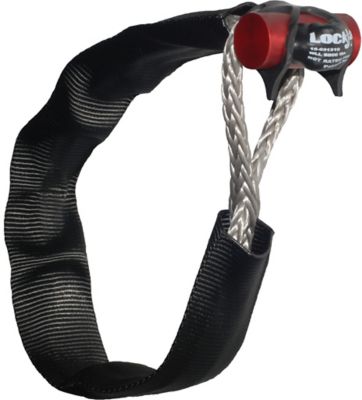
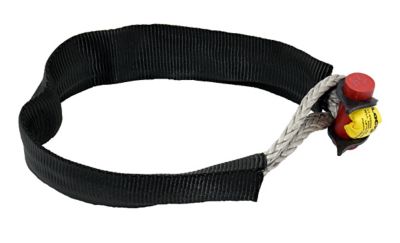
Material and construction details help separate a suitable soft shackle from one that does not fit a particular setup. Braided synthetic fibers offer flexibility, but they need protection from cutting edges, abrasive surfaces, and excessive heat. Some designs include a protective sleeve around part of the rope body to help limit contact wear. That sleeve adds a layer between the fibers and surrounding surfaces; it does not make a sharp bracket or rough-edged recovery hole safe. Smooth contact surfaces with sufficient width and curvature matter because a tight bend can concentrate force and reduce the strength of the connection. A recovery point intended for a steel shackle is not automatically suitable for a synthetic one. Compatibility should come from the equipment maker’s guidance rather than whether the rope happens to fit through the opening. Length matters, too. The shackle needs enough room to pass around the intended connection and close correctly without crowding its knot against hardware or pulling the closure out of position. An oversized loop can create its own clearance problems around nearby components, so bigger is not always better. Published strength figures also need a careful look. Minimum breaking strength and working load limit describe different things and should not be treated as interchangeable ratings. The limits and instructions for every component determine whether the assembled system suits the task. For smaller off-road machines,
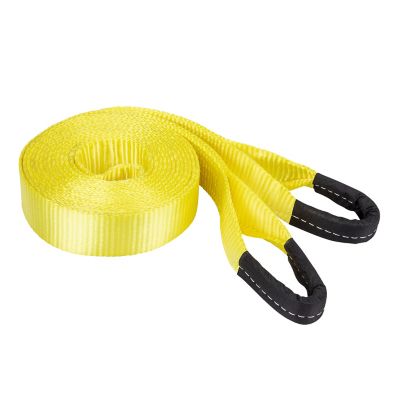
ATV Tow Straps are another part of the equipment picture, with strap selection and connector compatibility considered together. A tow strap intended for controlled towing is not automatically appropriate for a kinetic recovery, and a soft shackle does not change that distinction. Winching, towing, and kinetic recovery each put different demands on connections. The intended application should be clearly supported by the manufacturers of the shackle, strap or rope, and recovery points. Color can make a connector easier to spot in a crowded gear bag or beside a rutted trail, but clear identification and suitable ratings carry far more weight than color when choosing equipment.
Everyday handling and care have a big say in how well synthetic recovery equipment holds up. A soft shackle may spend plenty of time riding behind a truck seat or inside an ATV storage box before it ever carries a load. Keeping it away from loose tools, exposed blade edges, chemicals, and abrasive debris helps protect the fibers between trips. A separate pouch or compartment also makes it easier to find without digging through hitch pins and greasy hardware. Grit caught in the braid can contribute to wear, so cleaning should follow the maker’s directions, with the shackle allowed to dry before enclosed storage. Solvents, strong cleaners, and direct heat are not substitutes for approved care methods. Inspection matters before each recovery, including a look at the rope body, closure loop, knot, and any protective sleeve. Cuts, damaged strands, glazed or melted areas, unusual stiffness, and signs of chemical exposure call for taking the shackle out of service according to the manufacturer’s retirement guidance. A sleeve can hide wear underneath, so the visible outer surface does not tell the whole story. Equipment with an uncertain history deserves particular caution, especially after an overload or an event that may have damaged the fibers. Out on the property, the practical benefit of a soft shackle is its manageable size and flexible connection, whether the setup involves a utility vehicle near a washed-out crossing or a trail truck sitting deep in a rut. Those conveniences do not remove the hazards of a loaded recovery system. Suitable rated recovery points are essential; hitch balls, suspension parts, and ordinary tie-down points are not substitutes. People need to remain clear of tensioned equipment and the potential recoil path, even when the connector itself contains no metal. Soft shackles are not general-purpose lifting slings, either, unless expressly rated for that application. For a gift to someone who spends time on back roads or working acreage, matching their existing equipment and recovery needs matters more than adding another accessory to the bag. The best fit is a clearly rated, compatible connection that earns its place alongside the rest of the recovery gear.