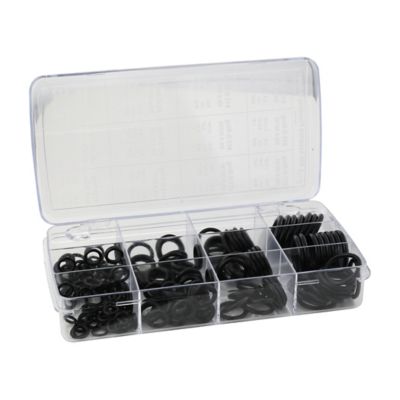
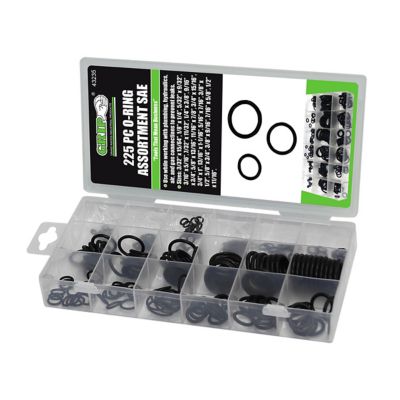
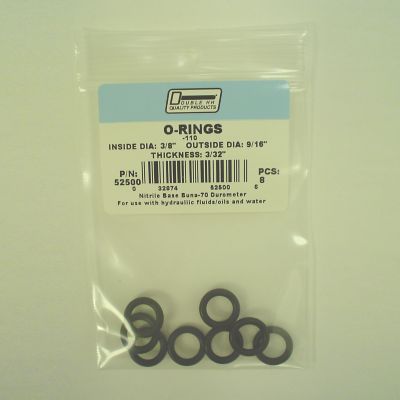
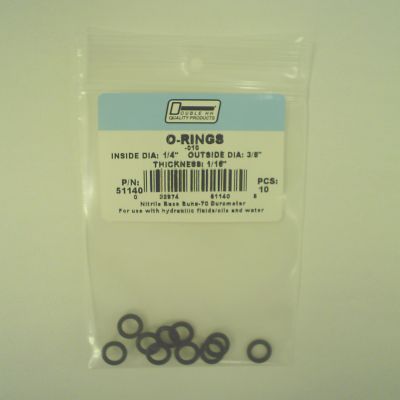
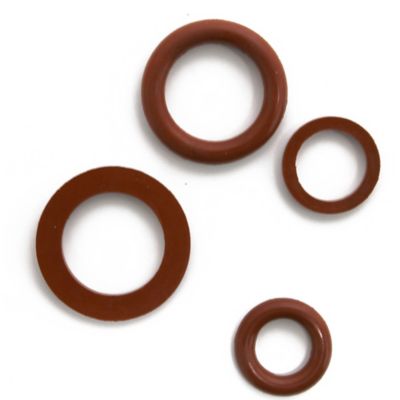
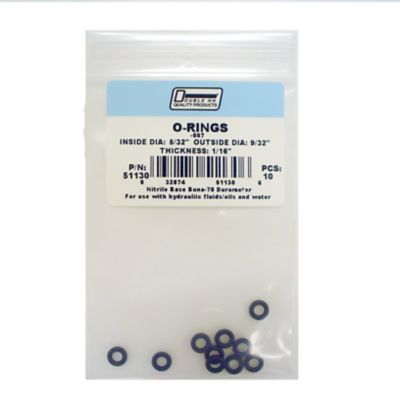
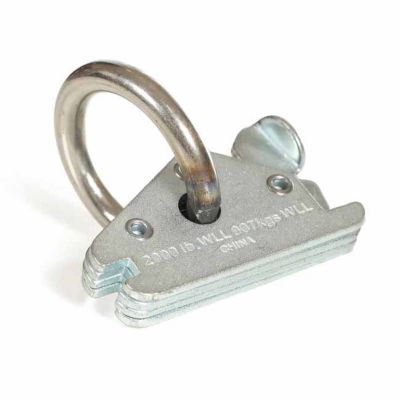
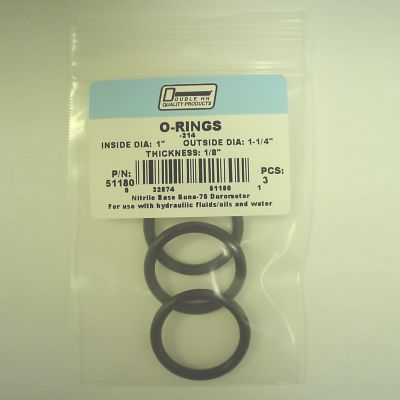
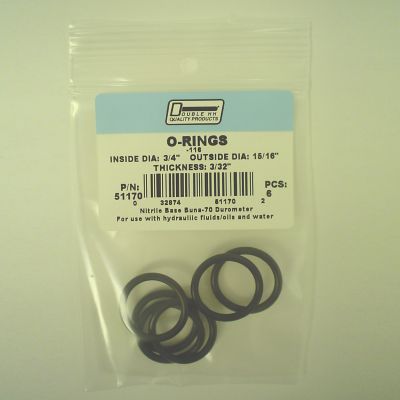
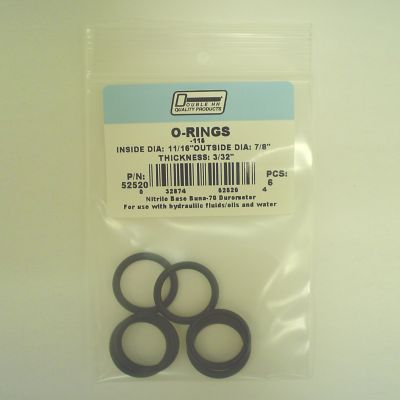
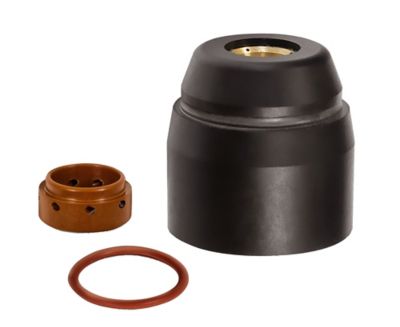
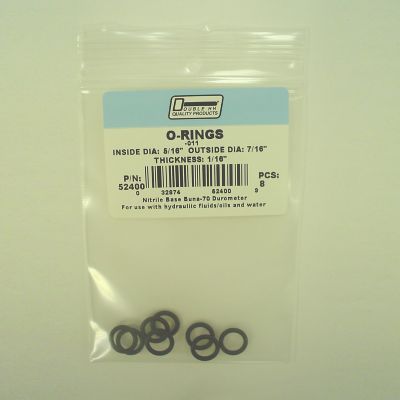
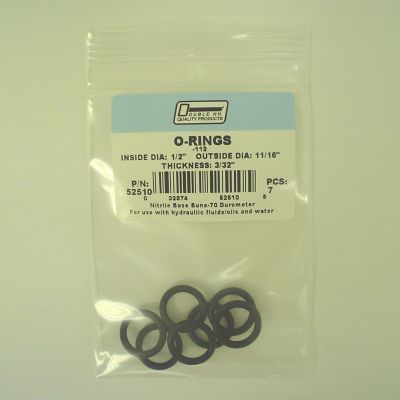
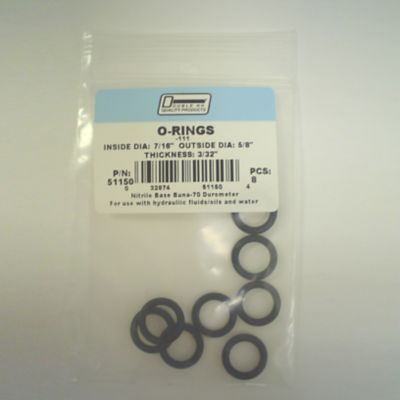
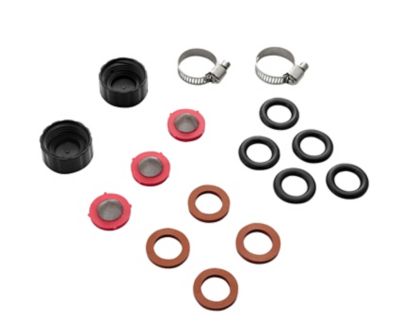
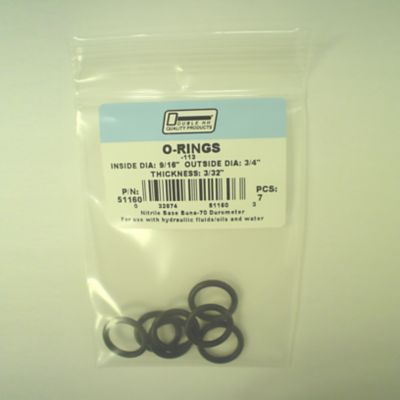
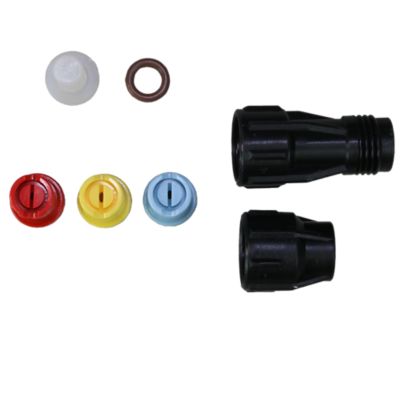
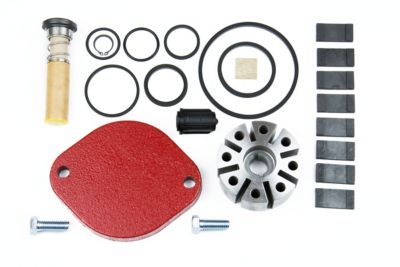
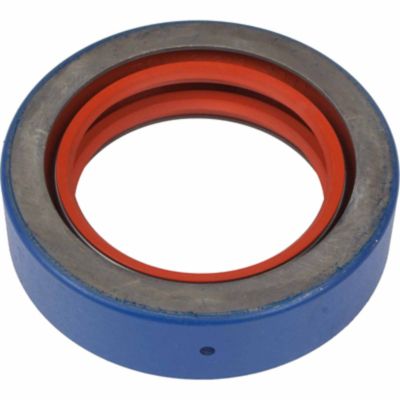
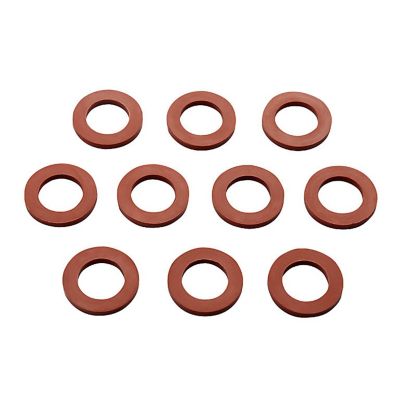
O ring kits are handy to keep in the shop, garage, tool shed, or service truck because a small, worn seal can bring a much larger job to a standstill. These kits contain assorted elastomeric ring seals in multiple sizes, giving you a better chance of matching the groove on a fitting, valve, hose connection, pump, appliance, automotive component, or hydraulic assembly without waiting on a special-order part. An O-ring works by sitting in a machined groove and being gently compressed when two parts come together. That compression creates a seal that helps keep water, oil, fuel, air, refrigerant, and other fluids where they belong. A kit can be especially useful for farmers, ranchers, maintenance crews, do-it-yourself mechanics, plumbers, small-engine owners, and anyone who handles equipment with serviceable connections. It also makes a practical gift for someone setting up a new workbench, restoring an older vehicle, maintaining rental property, or learning the ropes in a farm shop. Before choosing an assortment, look at the type of repair and the size standard it requires. SAE or inch kits commonly use U.S. standard dimensions and may be identified by AS568 sizing, while metric kits are measured in millimeters and are often needed for imported vehicles, newer machinery, small appliances, and equipment built outside the United States. Having both standards on hand can save a trip to town when a fitting starts seeping during a busy stretch of chores. A clear organizer with labeled compartments is another worthwhile feature, especially when the kit includes dozens or hundreds of rings that can look nearly identical at a glance.
Material matters just as much as size. Nitrile, also called Buna-N or NBR, is a common general-purpose choice for water, air, petroleum oils, grease, and many everyday repairs, making it a useful fit for routine work around vehicles, equipment, and plumbing. It is not the best choice for every exposure, though, and prolonged sunlight, ozone, certain chemicals, brake fluids, and high temperatures can shorten its service life. Viton, also known as FKM, is often selected when a seal must handle greater heat, chemicals, outdoor exposure, or saltwater conditions. HNBR is a hydrogenated nitrile material valued in applications involving automotive air-conditioning systems, fuel handling, and demanding temperature changes. Specialty assortments may also use harder or softer compounds for particular pressure, temperature, or chemical requirements. Match the material to the fluid and operating conditions rather than choosing by color alone, since colors can vary between manufacturers and are not a dependable substitute for specifications. Pay attention to temperature range, pressure, exposure to sunlight, fuel or hydraulic fluid compatibility, and whether the seal will remain stationary or move during operation. For outdoor watering tasks, a properly sized seal can help stop drips at a connection, and an assortment makes it easier to maintain several hose ends and fittings. Browse
O Rings for Garden Hoses when the repair involves garden hose connections or watering equipment. For hydraulic work, air-conditioning service, fuel systems, and other higher-demand applications, use the material recommended by the equipment maker or repair manual. When the original ring is flattened, cracked, brittle, swollen, cut, or shiny from age, replacing it with a fresh seal is usually wiser than trying to reuse it.
A little care during installation goes a long way toward preventing another leak. Shut down the equipment, release trapped pressure, and clean the groove and mating surfaces before removing the old ring. A pocket of grit, a sliver of metal, or a bit of dried mud can keep a new seal from sitting evenly; that is why many experienced hands wipe the area clean and run a fingertip around the groove before installing anything. Confirm the diameter and cross-section as closely as possible, and compare the replacement with the old seal only after checking that the old one has not stretched or swollen. The ring should fit the groove without being twisted, pinched, stretched excessively, or left loose enough to shift during assembly. Apply a light coating of compatible lubricant when the equipment instructions allow it. Lubrication can help the seal slide into place instead of scraping against a dry edge, but the wrong lubricant may damage the material or contaminate a system, so petroleum grease should not be used automatically on every compound or application. Avoid forcing parts together with sharp tools, screwdrivers, or picks that can nick the sealing surface. A plastic pick or blunt tool is safer for removal and placement, and clean gloves can keep dirt and grit away from the repair. Store spare rings in a cool, dry, dark place away from direct sunlight, welding areas, ozone-producing motors, and chemicals. Keep them flat or loosely arranged in their labeled compartments rather than hanging them from nails or stretching them around a hook. With the right size, material, and installation method, an O ring kit can help handle small leaks before they soak a workbench, leave a trail across the driveway, or interrupt a full day of chores.